You can build a simple, humane bird trap from basic materials in an afternoon, but whether you should, and exactly how, depends entirely on your situation, the species involved, and the laws in your area. Most people searching this topic fall into one of a few camps: a bird is stuck inside a structure, a nuisance bird is raiding feeders or damaging property, or someone wants to temporarily catch and relocate a bird. Each of those calls for a different approach, and skipping the legal and identification step first is where most DIY trap builds go wrong before you even pick up a saw.
YouTube How to Make a Bird Trap: Safe DIY Steps
Marcus Thornton
7 May 2026
Legal and ethical considerations before you build anything

This is the part most YouTube tutorials gloss over, and it matters a lot. In the United States, the Migratory Bird Treaty Act (MBTA) makes it unlawful to pursue, hunt, take, capture, kill, transport, or possess migratory birds, their nests, eggs, or any part of them, without authorization. That covers the vast majority of wild birds you are likely to encounter in a backyard setting, including songbirds, raptors, and waterfowl. Federal depredation control of migratory birds generally requires a depredation permit before you can legally trap, possess, or transport one for nuisance control. That is not a formality you can skip.
State laws add another layer. Washington Department of Fish & Wildlife warns that, in Washington, it is unlawful to possess or transport live wildlife or wild birds without a permit, with certain exceptions State laws add another layer.
Some states explicitly prohibit releasing a trapped animal anywhere other than the property where it was captured. New York, Washington, and Indiana are examples where this is spelled out clearly, and Indiana requires that within 24 hours of capture the animal must either be released or, in some cases, euthanized.
Outside the US, the UK requires a wildlife licence from Natural England to disturb, trap, handle, or remove protected species, and EU member states implement humane trapping standards through their own competent authorities. The practical takeaway: before you build or set any trap, contact your state or local wildlife agency, explain your situation, and ask what is and is not permitted. A five-minute phone call can save you a significant fine.
Ethically, the bar is simple: the bird should never be harmed during capture, containment, or release. That means no glue traps, no sticky surfaces, no wire designs with sharp edges, and no setups that leave a bird exposed to heat, sun, or predators for more than a short window. If you would not feel comfortable showing the setup to a wildlife officer, reconsider the design.
Identify the bird first, then choose your approach
Before anything else, figure out what you are actually dealing with. A European starling raiding your nest boxes is a very different situation from a native sparrow that accidentally flew into your garage, or a pigeon roosting on your roof. Starlings and house sparrows are not protected under the MBTA in the US (they are non-native invasive species), which means trapping them is generally permitted without a federal permit, though state rules still apply. Native songbirds, raptors, hummingbirds, woodpeckers, and migratory species are fully protected, and trapping them without proper authorization is illegal regardless of how much of a nuisance they seem.
Use a free app like Merlin Bird ID or eBird to photograph and identify the bird before doing anything else. Look at size, coloring, beak shape, and behavior. If there is any doubt about the species, treat it as protected and contact your local wildlife agency or a licensed wildlife rehabilitator. Getting this step right determines every decision that follows.
When trapping is actually the right call
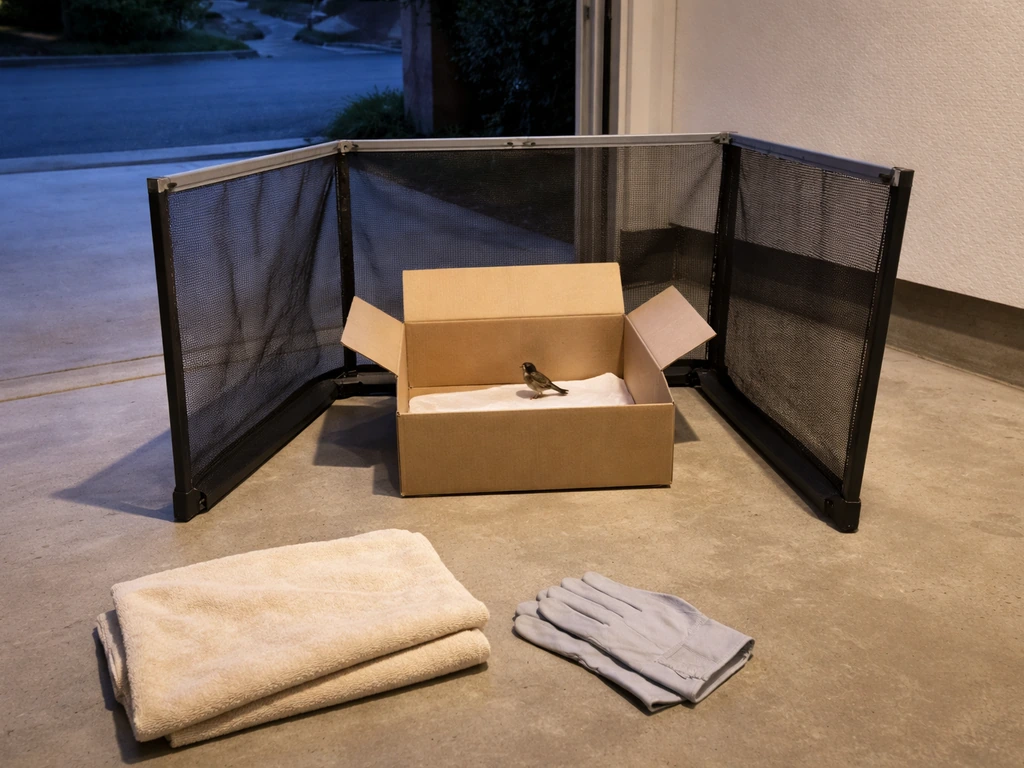
Trapping makes sense in a narrow set of situations: you have a confirmed non-protected invasive species causing documented damage, you have a bird that is trapped inside a structure and cannot find its way out, or you are working with a licensed rehabilitator to assist with an injured bird. For nuisance control of invasive species like starlings or house sparrows, a live-catch trap lets you remove birds from your property without harming them. For a disoriented bird inside a building, a simple box or net setup can safely guide it toward an exit or containment for a calm release.
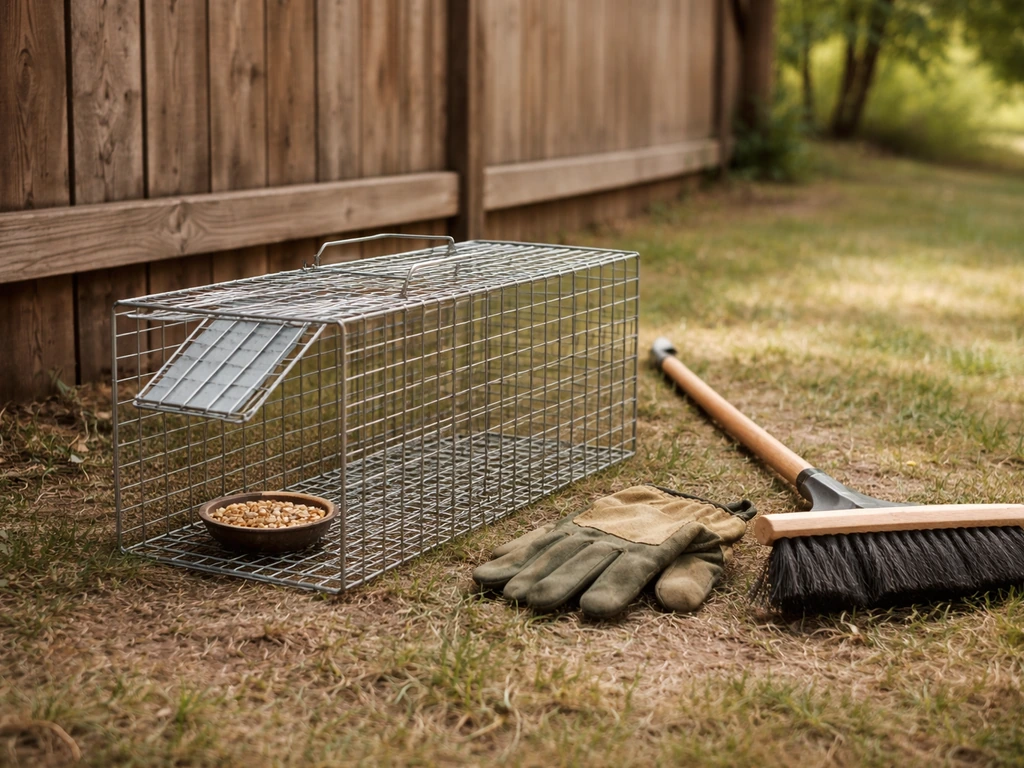
Before setting any trap, run through these basics. Check that children and pets cannot access the trap area. Set the trap in shade or a sheltered spot so a captured bird does not overheat. Plan to check the trap every 30 to 60 minutes maximum, especially in warm weather. Have your release location and method ready before you set the trap, not after. And have a pair of thin leather gloves nearby for safe handling if direct contact becomes necessary.
DIY bird trap designs matched to common situations
Here are the builds most suited to a backyard DIY audience, matched to the scenarios where each actually works. These are the same basic designs you will see circulating on YouTube, simplified and adapted with bird safety as the priority.
Box trap for invasive nuisance birds (starlings, house sparrows)
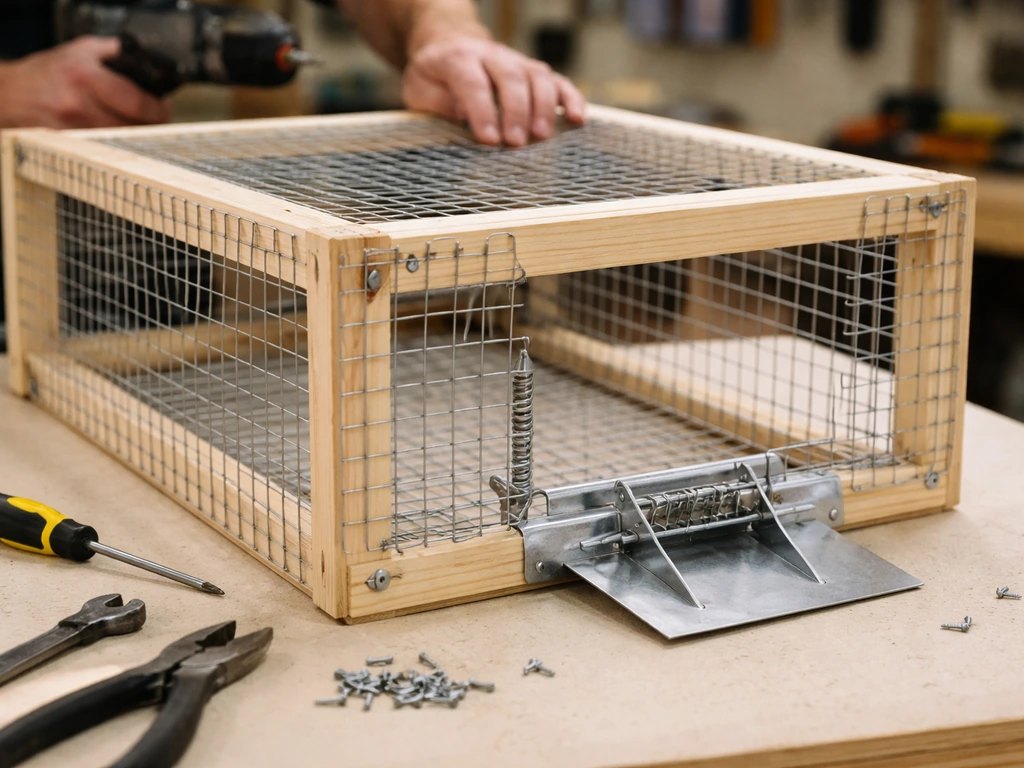
This is a live-catch wire cage trap, basically a rectangular box with a spring-loaded or treadle door. It is the most practical and humane design for catching starlings or house sparrows at a feeder or nest box location. You can build one from hardware cloth (half-inch mesh works well), a few lengths of scrap wood for the frame, a simple door hinge, and a tension spring or bungee to snap the door closed. The trap sits flat on the ground or on a platform feeder, bait goes inside near the back, and when the bird steps on a trigger plate or you pull a string release, the door drops or swings shut.
- Cut a wood frame: two pieces at 18 inches for the sides, two at 12 inches for the front and back, and one at 12 inches for the top brace.
- Wrap the entire frame with half-inch hardware cloth, stapling or zip-tying it tightly so there are no gaps a bird can squeeze through or sharp wire edges sticking inward.
- Build a drop door from a piece of hardware cloth slightly larger than the front opening, hinged at the top so it falls closed under gravity or a light spring.
- Add a simple treadle trigger: a thin piece of plywood or cardboard suspended on two pivot points just inside the door, connected by a thin wire or string to a door prop stick.
- Sand or bend over any sharp wire ends, especially around the door opening and the treadle.
- Place bait (see bait section below) at the back of the trap behind the treadle so the bird has to step on the trigger to reach it.
Prop-stick box trap for a bird inside a building
If a bird has flown into your garage, shed, or aviary and cannot find its way out, a prop-stick box is the safest and simplest option. Take a medium cardboard box or a wooden crate (something large enough that the bird can sit upright comfortably inside), prop one side open with a stick about 8 to 10 inches tall, and tie a long piece of twine or paracord to the stick.
Place seed or a small piece of fruit just inside under the box. When the bird moves under the box and starts feeding, pull the twine to drop the box over it. The advantage here is zero injury risk and immediate release capability. This works best in a contained space where you can dim the lights slightly (birds calm in low light) and quietly position yourself with the twine.
Funnel or lobster-pot trap for repeat nuisance birds at a feeder
This is the design you see most often in YouTube tutorials styled after traditional bird trapping methods. A wire cylinder or rectangular box has a conical wire funnel entrance pointing inward so birds can push through from outside to inside but cannot find the small opening to push back out. For disoriented birds inside a building, a simple box or net setup can safely guide it toward an exit or containment for a calm release.
Build the outer box from half-inch hardware cloth, then roll a separate piece of hardware cloth into a cone shape with the narrow end (about 1. 5 to 2 inches in diameter) pointing inward and the wide end flush with the entry hole in the wall of the box. Secure the cone with zip ties or twisted wire ends bent smooth. Bait goes at the back of the box away from the funnel.
Check this trap frequently because multiple birds can enter, and crowding creates stress and injury risk.
Materials, tools, placement, and bait
What you need to build any of these
| Item | What it's for | Budget alternative |
|---|---|---|
| Half-inch hardware cloth (galvanized) | Main cage body, funnel cones | Repurposed window screen for temporary box trap |
| 1x2 inch scrap lumber or furring strips | Frame for box trap | Cardboard box for single-use prop-stick design |
| Zip ties or small wire staples | Securing mesh to frame | Thin gauge wire twisted by hand |
| Light tension spring or bungee (small) | Door closure mechanism | Rubber band looped through a bent wire hook |
| Thin plywood scrap (6x12 inches) | Treadle trigger plate | Stiff cardboard doubled and taped |
| Paracord or twine (10+ feet) | Remote pull release for prop-stick trap | Any thin cord or shoelace |
| Thin leather or work gloves | Safe bird handling if needed | Doubled-over thick cloth |
| Wire cutters and pliers | Cutting and bending hardware cloth | Sturdy scissors for screen, needle-nose pliers |
Placement tips that make a real difference
Position the trap where the target bird already spends time, near an existing feeder, a roosting spot, or a known entry point. Place it in shade, never in direct afternoon sun, especially in warm months. Birds are wary of new objects, so if possible, set the trap without bait for a day or two with the door propped open so birds get comfortable with it before you arm it. This pre-baiting step dramatically increases success rates and is something most YouTube tutorials skip entirely. Set the trap low and level on a stable surface so it does not wobble or shift when a bird lands on the treadle.
Bait and attractants that work
- White millet or mixed birdseed works for sparrows and most small nuisance birds
- Cracked corn or whole corn attracts starlings and larger blackbirds
- Bread or cooked rice works as a quick attractant for urban pigeons
- Small pieces of fresh fruit (grapes, berries) attract thrushes and some songbirds
- A live meal worm or two placed near the trigger significantly boosts activity for wrens and robins
- Place a small amount of water in a shallow bottle cap inside the trap in hot weather, birds are more likely to investigate
Monitoring, handling, and what to do right after capture
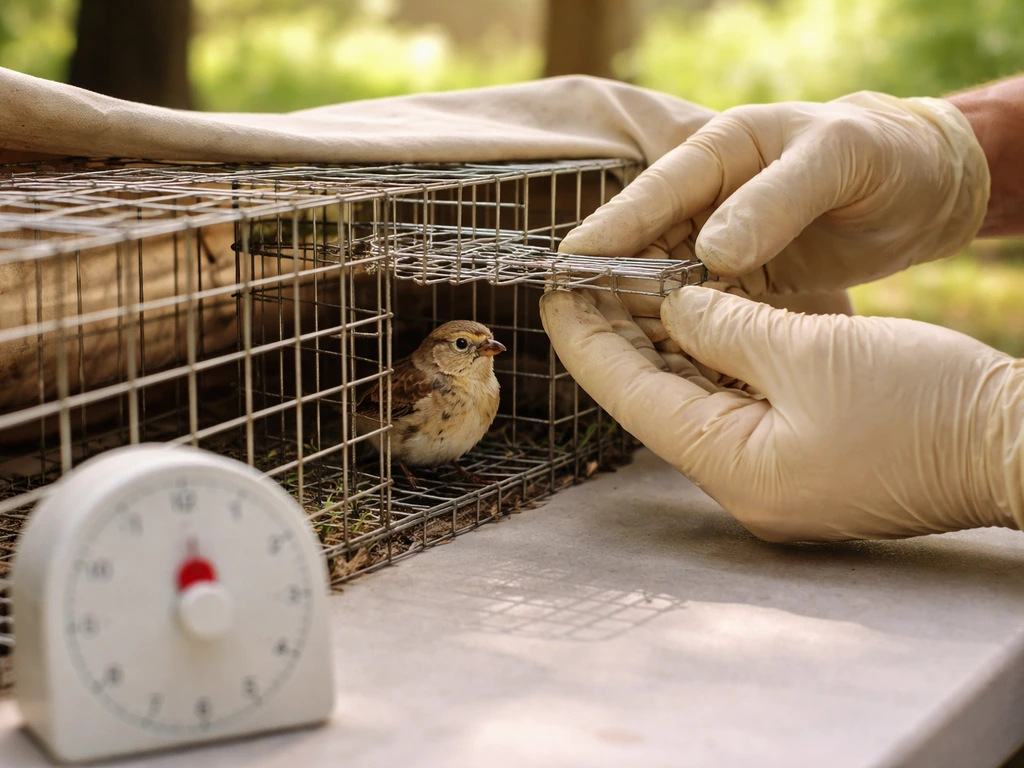
Check the trap every 30 minutes without exception. A bird left in a wire trap in summer heat can die of stress or hyperthermia in under an hour. When you find a captured bird, approach slowly and quietly. Drape a light cloth or towel over the trap before opening it; this calms the bird almost immediately because birds settle in darkness. If you need to handle the bird directly to move it to a transport box, cup both hands around its body with its wings held gently against its sides. Never grab by the legs or wings alone, and never squeeze the chest, because that restricts breathing.
For release of a legally trapped invasive species on your own property: carry the covered trap or box to a spot away from structures, remove the cover, open the door, and step back. Most birds will leave immediately. If it does not move right away, set the open trap down in a sheltered spot and give it five to ten minutes. Remember: many states require release on the same property where the bird was trapped, so check your local rules before transporting anywhere.
If the bird appears injured (cannot fly, is breathing with its mouth open, or seems disoriented beyond normal stress), contact a licensed wildlife rehabilitator immediately. Do not attempt to house or treat an injured wild bird yourself without proper authorization. Keep the bird in a dark, quiet, ventilated box and transport it as quickly as possible. A quick search for 'wildlife rehabilitator near me' or a call to your state wildlife agency will connect you with the right person.
Success looks like this: the bird flies off confidently within a minute of the trap opening. If it sits still, looks dazed, or stumbles, that is a sign of stress or injury and warrants a rehabilitator call rather than a simple release.
A note on evaluating YouTube trap tutorials
A lot of what circulates on YouTube under 'bird trap' is filmed in regions where wildlife laws differ significantly from the US, UK, or EU, or where legal compliance is simply not addressed. Watch for red flags: designs with sharp wire edges on the interior, traps left unattended for hours, birds shown visibly distressed in footage, or tutorials that use glue, sticky materials, or noose-style snares. Those designs can maim or kill birds even when the goal is live capture.
Good trap tutorials will show a covered or shaded setup, a quick check and release cycle, and a bird that exits calmly. If a design looks rough or the builder does not mention checking the trap frequently, it is worth building something simpler and safer even if it feels less impressive.
Alternatives to trapping that often work better
Honestly, for most backyard bird conflicts, trapping is not the most effective long-term solution. If you remove one starling or sparrow, others will move into the same resource within days unless you change what is attracting them. The most durable fixes are structural and environmental, and they align perfectly with what this site is all about: building things that support birds you want while excluding the ones you do not.
Exclusion and deterrence: the builds that solve the root problem
- Add entrance hole reducers to nest boxes: a 1.5-inch hole diameter admits bluebirds and tree swallows but physically blocks starlings, which need at least 1.75 inches to enter
- Install hardware cloth barriers or netting over eaves, vents, and roof gaps where birds are roosting or nesting uninvited
- Replace open platform feeders with tube feeders designed for small birds, which physically exclude larger invasive species
- Add predator guards (metal baffles) to feeder poles to reduce the overall desirability of a feeding area for large flocks
- Use visual deterrents like reflective tape or hanging CDs near problem areas as a first-pass, low-effort option before building anything
Adding bird housing to redirect nesting behavior
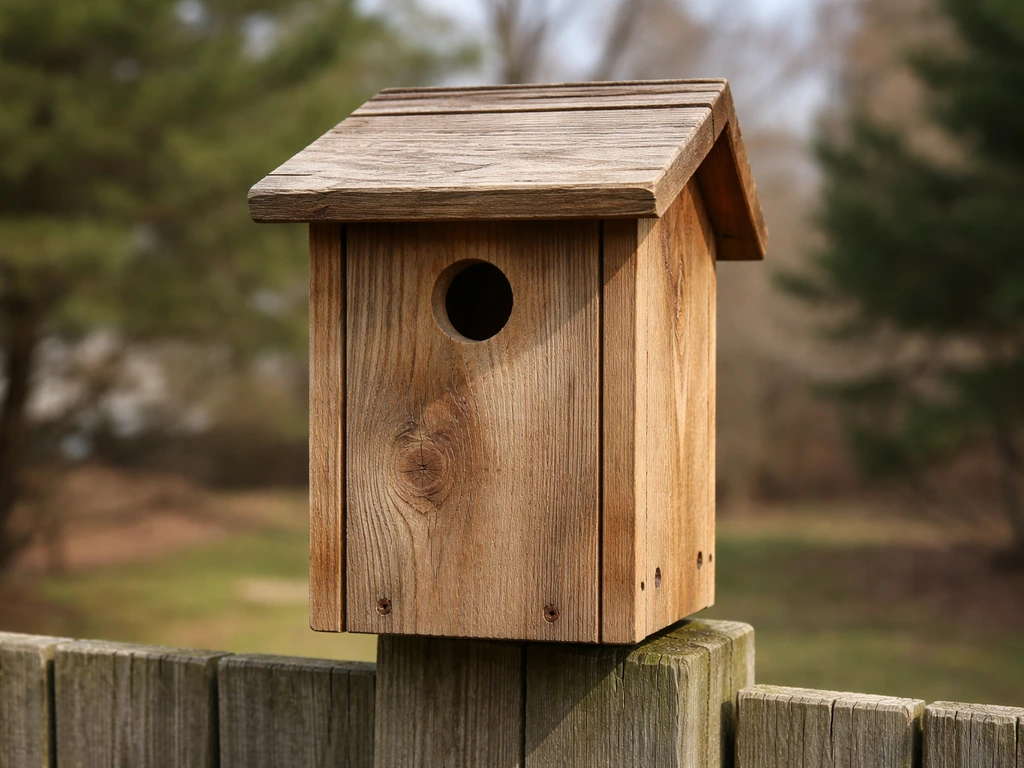
If birds are nesting in problematic spots like gutters, vents, or under roof overhangs, the most effective long-term strategy is to offer better alternatives nearby. Build or install a species-appropriate nest box in a location that meets the nesting requirements of the bird you want to attract, and block off the problem site with hardware cloth or foam backer rod at the right time of year (after nesting season, not during). This turns a conflict into an invitation, which is exactly the kind of project this site exists to help you build.
If you are interested in more specific trap designs, you might look into automatic repeating traps for higher-volume invasive species control, specialized designs for myna birds in areas where they are invasive, net-based capture setups for larger open areas, or true live-release traps that prioritize a calm catch-and-release workflow. Automatic repeating traps and specialized, live-catch designs can also be useful when you are trying to figure out how to make a myna bird trap for an invasive population specialized designs for myna birds. If you are specifically looking for how to make a automatic bird trap, focus on humane live-catch designs and the legal requirements before you build automatic repeating traps. Each of those approaches has its own design requirements, legal considerations, and best-use scenarios worth understanding before you commit to a build.
FAQ
Is it legal to set a bird trap temporarily “just to see if it works”?
In most places, you cannot “test” a trapping device on a wild bird. Even if your intent is humane, trapping or attempting to capture a migratory or protected species can be illegal without authorization. If you are unsure whether the bird is protected, stop and contact your state or local wildlife agency before setting the trap.
What should I use to transport a live-caught bird safely?
Use a box or carrier that allows the bird to breathe comfortably, has ventilation on all sides, and is dark enough to calm the bird (a breathable towel over the outside works if it still lets airflow). Avoid transport containers with gaps where wings can snag, and keep it out of direct sun and away from pets and children.
What should I do if the bird does not fly away immediately after release?
If a bird repeatedly won’t leave after you open the door, it is often because it is stressed, overheated, or still disoriented by the sudden change. First, move the covered trap to a sheltered, shaded spot, remove the cover, step back, and give it several minutes. If it shows dazed movement, open-mouth breathing, or inability to fly, stop trying to self-release and call a licensed wildlife rehabilitator.
Can I release a bird somewhere else, like a park or wooded area?
If you plan to relocate a bird, many jurisdictions require release on the same property (or within a specific distance) and may prohibit release elsewhere. Because rules vary, decide the release location before you arm the trap, and verify the allowed method and distance with your local wildlife agency.
Do I need a permit to trap an invasive species like starlings or house sparrows?
Yes, if the bird is a non-protected invasive species, a live-catch trap can be allowed in many areas, but state and local rules can still apply to baiting, trap placement, and release requirements. Even for non-native species, you should confirm local restrictions and follow the same humane checking window to prevent injury.
How often do I really need to check a live-catch trap in hot weather?
Do not assume “it’s just a small bird” means low risk. Small birds can still suffer heat stress quickly in any enclosed wire setup, especially in summer or direct sun, and crowding can occur if multiple birds enter. Set an even shorter check interval in warm weather and always keep the trap shaded.
What happens if more than one bird gets into the trap?
Crowding and stress are the biggest “edge case” failure modes, especially with funnel traps that allow entry but multiple birds can pile in. To reduce risk, place the trap where only the target bird is active, check more frequently, and be ready to stop the process and contact a rehabilitator if you capture more than one bird or an unexpected protected species.
What should I do if I accidentally catch an injured or unidentified bird?
If the bird appears injured or you cannot confidently identify the species, treat it as protected and as potentially injured. Do not handle it beyond minimal, calm movement into a ventilated dark container, then contact a licensed wildlife rehabilitator for guidance and any required permits.
What are the most common humane-safety mistakes people make with DIY bird trap builds?
A common mistake is building a trap that relies on sharp edges, tight wire geometry, or surfaces that can rub skin and feathers during movement. Before use, inspect all interior contact points, make sure there are no sharp bends, and confirm the door closes in a way that does not pin wings or legs. If you cannot guarantee a clean, smooth interior and rapid checking, choose the simpler box method instead.
How do I pre-bait safely without letting pets, kids, or other animals get into it?
Pre-baiting is helpful, but you still should not leave an unarmed trap set where pets and children can access it, or where it can become a hazard. Keep the area secure, remove bait after the trial period, and only arm the trap when you can actively monitor it.
Next Articles
How to Build a Chimney Swift Bird House DIY Guide
Step-by-step DIY plans to build a chimney swift bird house, with correct dimensions, placement, and weatherproofing for
How to Build an Oriole Bird House: Step-by-Step DIY
Step-by-step DIY for building an oriole bird house with right dimensions, weatherproofing, predator-safe placement, and
How to Build a Chickadee Bird House Step by Step
Step-by-step DIY chickadee bird house with cut list, chickadee entry sizing, ventilation, drainage, and mounting tips.