You can build a backyard bird habitat this weekend with basic tools, a few boards, and some thoughtful placement. The key is thinking beyond a single birdhouse: a real habitat combines nesting spots, shelter, food, and water so birds actually move in and stay. If you want a practical start, use this plan to make your home bird friendly by combining nesting spots, shelter, food, and water. Pick your target species or just focus on "local wild birds," then build and install the components that match what they need. The rest is planning, a little elbow grease, and a simple maintenance routine to keep everything clean and safe.
How to Make a Bird Habitat: DIY Backyard Guide
Marcus Thornton
20 May 2026
Start by deciding what you want to attract
Before you cut a single board, spend five minutes in your yard and ask what birds already visit. Knowing your target species changes almost every decision you'll make, from entrance hole size on a nest box to feeder height and plant selection. If you have no idea where to start, that's completely fine. "Local songbirds" is a perfectly valid starting goal, and you can refine it later.
The most popular DIY targets for backyard habitats are cavity nesters like eastern bluebirds, chickadees, wrens, and tree swallows because they readily use handmade nest boxes. If you have mature trees or a woodland edge, screech-owls are worth considering. If you have flowers or live in a warmer climate, hummingbirds will reward a nectar feeder. Choosing a focus early means you stop guessing and start building the right things.
It also helps to set a realistic scope for your yard. A small suburban lot can support a nest box or two, a feeding station, a birdbath, and some native shrubs. A larger property gives you room for multiple nesting zones, owl boxes, and a dedicated water feature. Start with what fits your space and expand from there.
Plan your site before you build anything
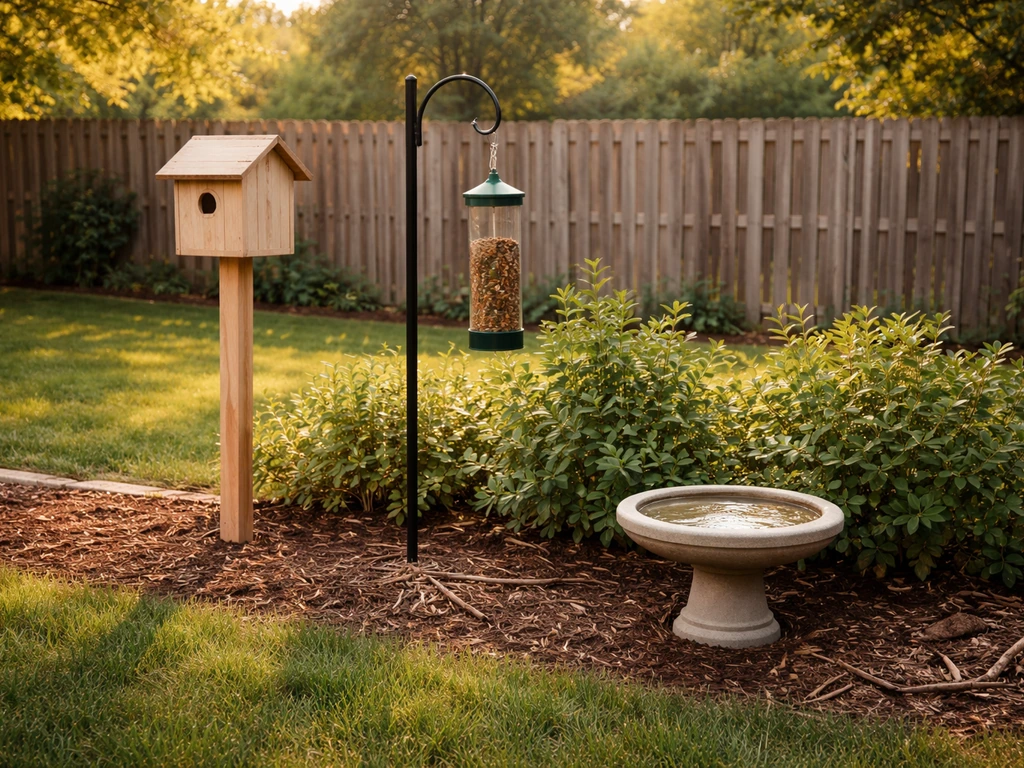
Good placement is honestly more important than good carpentry. I've seen beautifully built nest boxes sit empty for years because they were hung in the wrong spot, and rough-cut boxes get used within weeks because the location was perfect. Walk your yard at different times of day and note where the sun hits hardest, where shade collects, and where existing trees or shrubs offer natural cover.
Sun and shade
Nest boxes for most songbirds should face away from the hottest afternoon sun. In the US, that typically means facing east or southeast. This keeps the interior from cooking in summer heat. Feeders benefit from partial shade too, especially in warmer months, since it slows seed spoilage and keeps nectar from fermenting as fast. Birdbaths are best placed in a shaded spot so small birds can drink and bathe without worrying about being spotted by hawks from above.
Water access and drainage
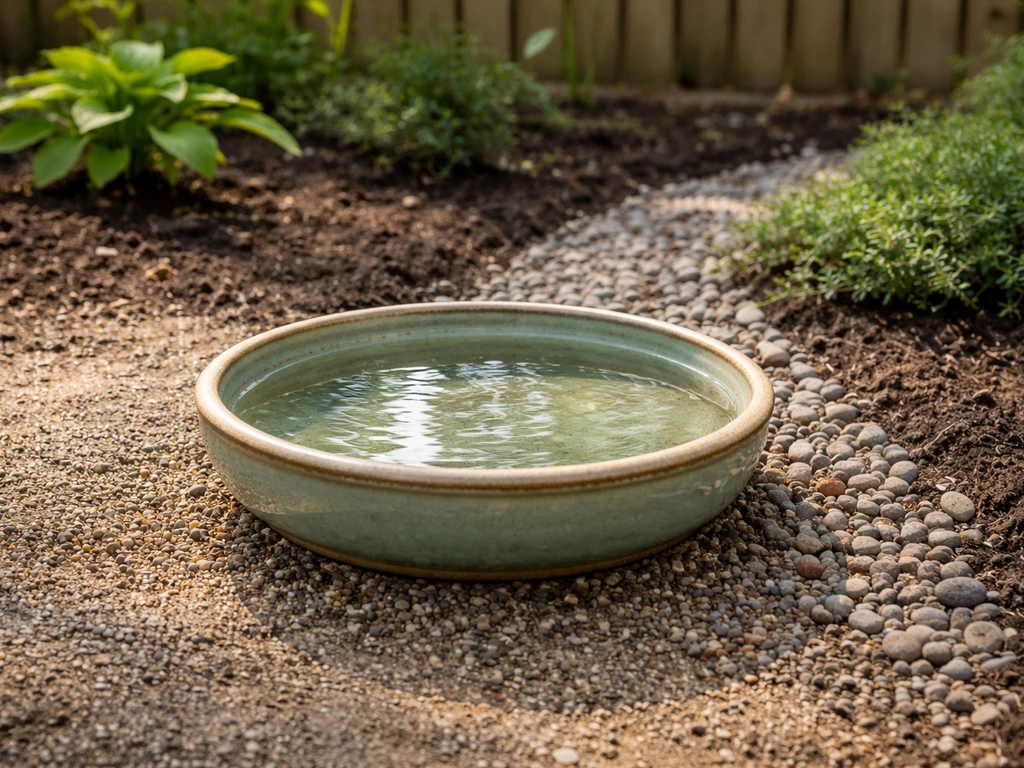
Place water features where you can get to them easily for daily or every-other-day refilling. Standing water that sits for days breeds mosquitoes and bacteria fast. You also want ground beneath a birdbath to drain well so you're not creating a muddy mess every time you top it off.
Predator safety
Outdoor cats are the number one threat to backyard birds, and placement decisions matter a lot here. Mount nest boxes and feeders on metal poles rather than wooden posts when possible, or wrap a sheet-metal guard around any wooden pole or tree trunk to stop cats and squirrels from climbing up. Keep feeders and birdbaths at least 10 feet from dense shrubs or fences that give cats a launching pad. Ground-level birdbaths look appealing to us but put birds at higher predator risk, so elevate them at least a foot off the ground.
Window collision risk
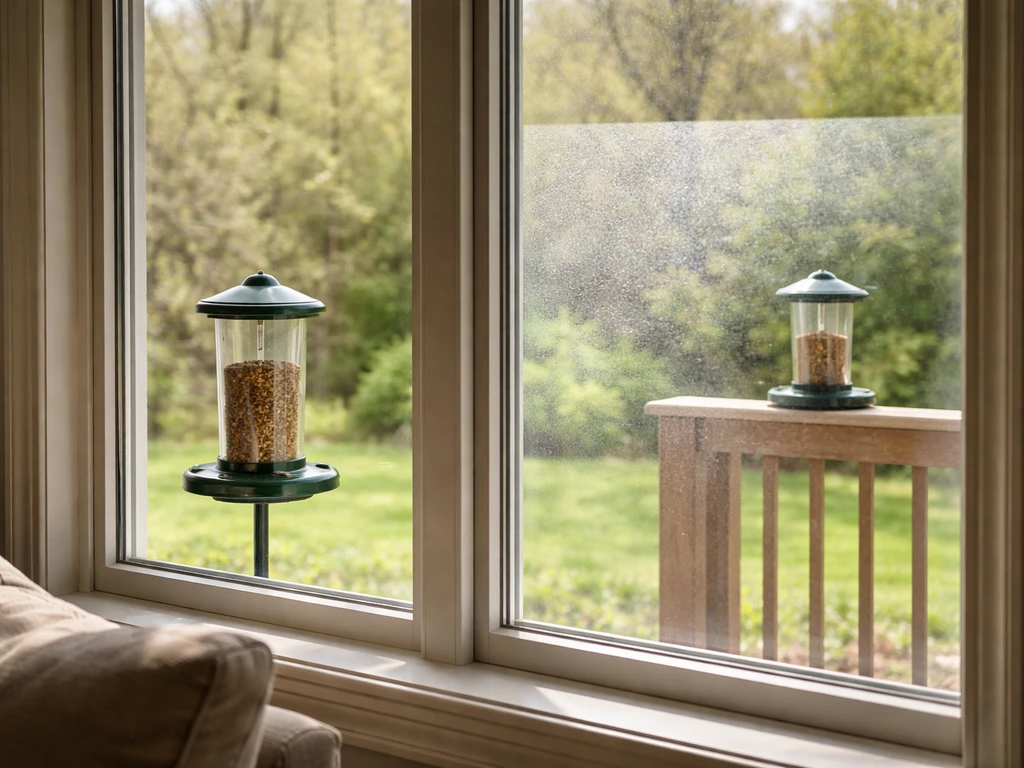
This one trips up a lot of first-time habitat builders. If you place a feeder at a typical viewing distance from a window (say, 10 to 20 feet away), birds can build up enough speed in flight to hit the glass fatally. The fix is simple: place feeders either within 3 feet of a window so birds can't accelerate to a dangerous speed, or more than 30 feet away so they have room to steer clear of the house entirely. There's no perfect middle ground, so commit to one or the other.
The three core things to build
A habitat isn't one structure. It's a system. The three components that make the biggest difference are shelter and cover, nest boxes or birdhouses, and feeders. If you only have time or budget for one right now, start with a nest box for your target species, then add the others over time.
Shelter and cover
Birds need places to hide, roost, and escape predators. If your yard has existing shrubs, dense hedges, or brush piles, you already have some shelter. If not, a simple brush pile in a corner, a cluster of native shrubs, or even a lean-to roost box built from scrap lumber gives birds somewhere to tuck in during bad weather. Roost boxes are basically like nest boxes but with the entrance hole near the bottom (so warm air rises and stays inside) and interior perches. They're a quick, satisfying build for a beginner.
Nest boxes and birdhouses
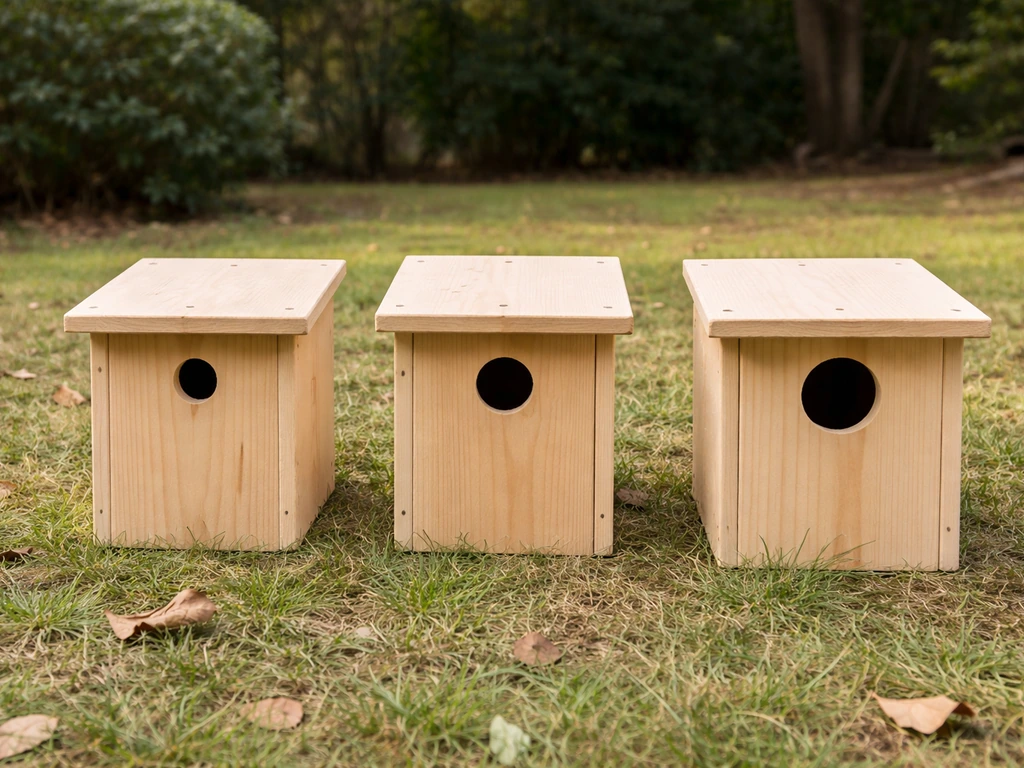
This is where most DIY habitat builders focus first, and for good reason. Cavity-nesting birds have lost enormous amounts of natural nesting habitat as old trees with holes get removed. A well-built nest box genuinely fills that gap. The critical spec to get right is the entrance hole diameter because it determines which species can enter and which predators or nuisance birds (like European starlings) are excluded. A box built for bluebirds with a 1 1/2-inch hole for eastern or western bluebirds, or 1 9/16-inch where mountain bluebird range overlaps, will exclude starlings entirely. A screech-owl box needs a 3-inch entrance hole and should be mounted about 10 feet high on a straight tree, post, or building.
Here's a quick reference for common backyard cavity nesters to help you plan:
| Species | Entrance Hole Diameter | Box Height Off Ground | Notes |
|---|---|---|---|
| Eastern/Western Bluebird | 1 1/2 inches | 4–6 feet | Open fields or meadow edges; face away from afternoon sun |
| Mountain Bluebird (or overlap zones) | 1 9/16 inches | 4–6 feet | Use larger hole where ranges overlap with mountain bluebird |
| Carolina/House Wren | 1 1/8–1 1/4 inches | 5–10 feet | Tolerates partial shade; near shrubs |
| Black-capped/Carolina Chickadee | 1 1/8 inches | 4–15 feet | Prefers woodland edges |
| Tree Swallow | 1 1/2 inches | 4–6 feet | Open areas near water; space boxes at least 100 feet apart |
| Eastern Screech-Owl | 3 inches | About 10 feet | On straight trees, posts, or buildings; add wood shavings inside |
Feeders
Different feeder types attract different birds, and each has real advantages depending on what you're building toward. Hopper feeders have walls and a roof that protect seed from rain, making them great all-season options. Tube feeders are hollow cylinders with multiple ports and perches and tend to attract finches and chickadees well. Platform or tray feeders are flat raised surfaces that welcome a wide variety of ground-feeding species. Suet cages hold compressed fat and seed blocks and are especially valuable in winter for woodpeckers and nuthatches. If you want hummingbirds, a nectar feeder is its own category entirely.
One honest tip: buy or build feeders that come apart easily for cleaning. A feeder that's a pain to disassemble will not get cleaned often enough, and that becomes a disease risk for the birds you're trying to help.
Building the habitat: materials, plans, and real construction tips
Best materials for nest boxes and feeders
Untreated cedar and pine are the workhorses of DIY bird habitat building. Cedar naturally resists rot and insects, so it holds up outdoors for years with minimal finishing. Pine is cheaper and easier to find at any hardware store; it works well but benefits from a coat of exterior latex paint on outside surfaces only (never paint inside the box or around the entrance hole). Avoid pressure-treated lumber entirely since the chemical preservatives are toxic to birds. Plywood can work for feeders but tends to delaminate in wet climates after a season or two, so solid lumber is worth the extra cost for anything that will live outside year-round.
For hardware, use galvanized screws rather than nails. Nails loosen as wood expands and contracts through seasons. Screws hold, and they let you open the box later for cleaning and inspection. Pre-drilling pilot holes in thinner stock prevents splitting, which is especially important near the entrance hole.
Basic nest box build steps
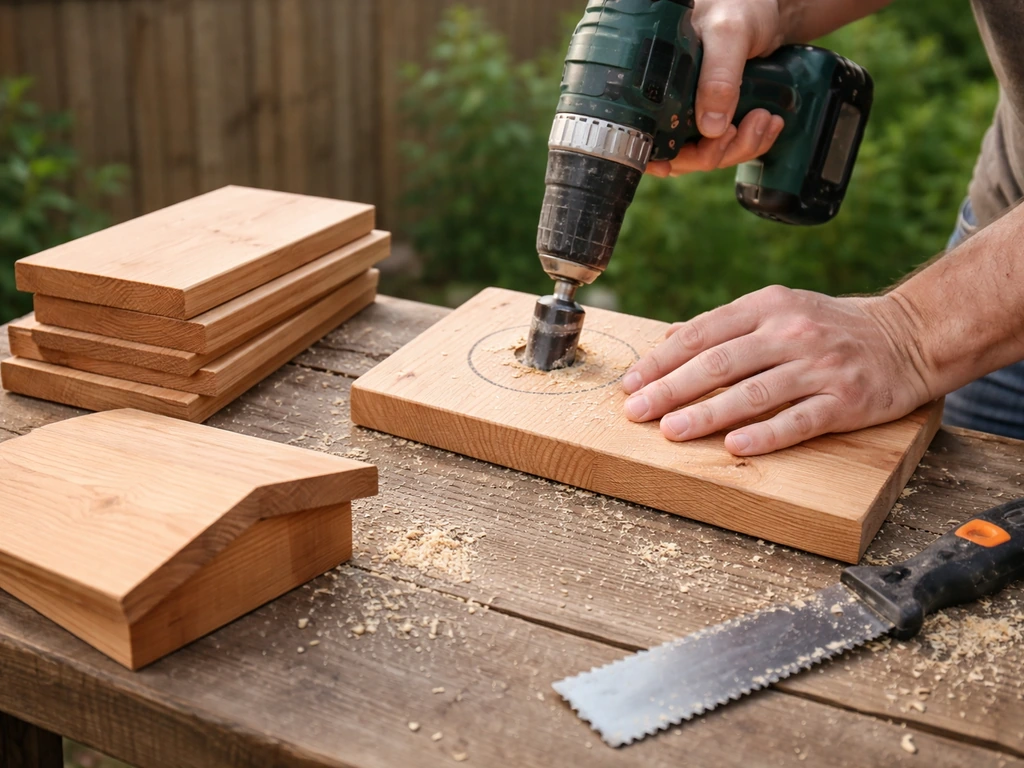
- Cut your lumber to spec for the target species (floor, four walls, and a sloped roof). A 1x6 or 1x8 cedar board works for most songbird boxes.
- Drill the entrance hole to the correct diameter using a hole saw or spade bit. Measure twice before drilling.
- Roughen the inside of the front panel below the entrance hole with a chisel or saw kerfs so fledglings can grip the wood and climb out.
- Drill three or four small drainage holes (about 1/4 inch) in the floor corners so rainwater can escape.
- Leave a ventilation gap between the top of the side walls and the roof, or drill small vent holes near the top of the side panels to prevent overheating.
- Attach the roof with a slight overhang (at least 2 inches) over the entrance hole to shed rain.
- Make one side panel hinged or removable with a pivot screw so you can open it for cleaning and nest checks.
- Sand all exterior edges smooth and apply exterior paint or stain to outside surfaces only. Let it dry fully before mounting.
Simple platform feeder build
A platform feeder is honestly the easiest first build if you've never done this before. Cut a piece of cedar or exterior-grade plywood to about 12 by 16 inches for the tray floor. Add 1-inch-tall side rails with gaps at the corners for drainage. Mount it on a post at 4 to 5 feet height. That's really it. Dress it up with a small roof on supports if you want weather protection. You can have one built and installed in under an hour.
Repurposed and budget materials that actually work
Old fence boards, reclaimed barn wood, and salvaged lumber make excellent nest boxes as long as the wood is untreated and solid. I've built perfectly functional wren boxes from scrap cedar fence pickets and they've been occupied every spring for four years. Metal coffee cans with drainage holes drilled in can serve as temporary feeders. Old colanders or mesh baskets work as suet holders. The birds don't care about aesthetics; they care about safety, size, and location.
Water, plants, and enrichment that actually draw birds in
Birdbaths done right
Water is often the single fastest way to attract more birds to your yard, even faster than feeders. The key specs: keep the water depth at 1 to 3 inches at the deepest point so songbirds can wade and bathe without swimming. Add a large flat rock or two in the center to give birds a non-slip perch. Replace the water daily or every other day at minimum to prevent mosquito larvae, algae buildup, and bacterial growth. A dripper or solar-powered wiggler that keeps the water moving not only prevents stagnation but the sound of moving water draws birds in from surprising distances.
Place the bath in partial shade on a stable pedestal or mount so it's elevated off the ground. Birds are more relaxed when they can see approaching predators in open sight lines around the bath, but full sun all day warms the water too fast and accelerates algae.
Native plants as living habitat components
Native shrubs and trees do more habitat work than any structure you can build. They provide natural shelter, nesting material, insect populations (which birds need for protein, especially during breeding season), and berries or seeds. Berry-producing natives like serviceberry, elderberry, dogwood, and native viburnums are magnets for dozens of species. Dense shrubs like native hollies or hawthorns offer thorny predator-resistant cover. Even a few native grasses or coneflowers along a fence line add seed sources and insect habitat. If you're building a habitat and can only do one long-term improvement, plant natives.
Hummingbird nectar feeders
If hummingbirds visit your area, a nectar feeder is a straightforward addition. Mix 1 part plain white table sugar to 4 parts water (that's 1/4 cup sugar per 1 cup water). Never use honey, artificial sweeteners, or red dye. The red on the feeder itself is enough to attract them; the dye in the water adds nothing and may be harmful. Prepared nectar can be stored in the refrigerator for up to one week. Clean the feeder every time it empties, and clean it immediately if you spot mold, cloudiness, or insect intrusion.
Enrichment extras worth adding
- Brush piles: Stack downed branches and logs in a corner for ground-feeding sparrows, towhees, and thrushes to forage through.
- Leaf litter: Leave fallen leaves in garden beds rather than bagging them. Birds scratch through leaf litter constantly looking for insects.
- Mud source: Robins and barn swallows actively seek mud for nest building. A small muddy patch near a water source is genuinely useful.
- Nesting material station: A small wire cage or mesh bag filled with natural fibers like dried grass, plant down, or short pieces of natural twine gives birds easy nesting material.
- Dust bath area: A shallow depression filled with fine dry dirt or sand gives birds a spot to dust-bathe, which helps control parasites.
Installing, weatherproofing, and keeping it all going
Mounting nest boxes properly
Use metal conduit or a smooth metal pole whenever possible. If you're attaching to a wooden post or tree, wrap a sheet-metal baffle around it below the box to block cats and raccoons from climbing. For most songbird boxes, mount at the species-appropriate height (4 to 6 feet for bluebirds and swallows, 5 to 10 feet for wrens, about 10 feet for screech-owls). Angle the box slightly forward, just 5 degrees or so, so rain runs off the roof and away from the entrance. Make sure the mounting is solid enough to withstand wind: a swaying box makes birds nervous and may cause them to abandon eggs.
Weatherproofing your structures
Paint or stain exterior surfaces of feeders and boxes with exterior-grade latex. Earth tones and natural wood colors work fine; avoid bright white or high-gloss finishes that may attract predators or startle birds. Make sure all roof joints are tight and consider a thin bead of exterior caulk along the roof seam on feeders to keep rain out of the seed. Check and re-tighten hardware every spring before nesting season starts. Wood screws can back out slightly over winter freeze-thaw cycles.
Competing species and nest box management
House sparrows and European starlings are non-native species that compete aggressively for nest cavities that native birds need. If you're managing a bluebird box and find a house sparrow nest inside, remove it immediately and keep removing it. This sounds harsh but it's standard conservation practice, and your target species won't successfully nest otherwise. A correctly sized entrance hole (1 1/2 inches for bluebirds) physically excludes starlings, which helps a lot. Check boxes weekly during nesting season so you catch problems early.
Cleaning schedules that actually protect birds
Clean seed and suet feeders at least every two weeks as a baseline, and more often during hot or wet weather when mold grows fast. For the cleaning solution, mix 1 part bleach to 9 parts water, scrub all surfaces, rinse thoroughly, and let the feeder dry completely before refilling. Some sources recommend 2 ounces of bleach per gallon of water, which is essentially the same ratio. After cleaning, sweep up or remove old seed hulls and dropped seed from the ground beneath feeders. Sprinkling a thin layer of garden lime (about 1/4 inch) over that area helps kill bacteria that builds up in the soil over time.
Birdbaths need water replaced daily or every other day and a scrub with the same bleach solution at least monthly. If you ever find sick or dead birds near your feeders or baths, take everything down immediately, clean it thoroughly, and leave the area empty for at least two weeks before putting feeders back out. This is exactly what the CDC and state wildlife agencies advise during salmonella events, and it genuinely stops disease from spreading through your local bird population.
Nest boxes should be cleaned out completely at the end of each nesting season (late summer or early fall). Remove all old nesting material, scrub the interior with your bleach solution, rinse, and let it dry fully before winter. Fresh boxes are more appealing to birds scouting for the next season, and removing old material eliminates parasites and mites that overwinter in used nests.
A simple year-round maintenance rhythm
| Season | Key Tasks |
|---|---|
| Early spring (Feb–Mar) | Mount or re-mount nest boxes before birds scout territories; refresh feeder stock; clean all feeders and baths |
| Nesting season (Apr–Jul) | Check nest boxes weekly; remove invasive species nests immediately; refill and clean feeders every 1–2 weeks; replace bath water daily |
| Late summer (Aug–Sep) | Clean out nest boxes after fledglings leave; deep-clean all feeders; assess what worked and what to add next year |
| Fall (Oct–Nov) | Add suet feeders for migrating and wintering birds; install roost boxes for winter shelter; plant native shrubs for spring habitat |
| Winter (Dec–Jan) | Keep feeders stocked and clean; break ice in birdbaths or use a heated bath element; check that box mounting hardware held through weather |
Building a bird habitat is genuinely one of the most rewarding DIY projects you can take on because the results show up fast and keep getting better every year. A pond or water feature can expand what you've built here dramatically, and adding a dedicated wild bird shelter gives birds even more year-round support. If you want a deeper guide, follow these tips on how to make a wild bird shelter that fits your yard and target birds.
If you are wondering how to make a bird pond, focus on shallow edges, safe placement, and simple cleaning so birds can splash without risk pond or water feature. Once you get the basics running, it's easy to keep layering in new elements as you learn what your local birds actually use. Start this weekend: pick one structure, cut the wood, and get it installed. The birds will find it faster than you expect.
FAQ
How do I know what bird species to target if I rarely see birds in my yard?
Do a 3 to 4 day yard survey at two times (morning and late afternoon) and note any repeated visitors, for example finches, sparrows, wrens, or robins. If you truly see none, start with “local generalists,” provide a shallow birdbath in partial shade, and install at least one correctly sized nest box and one all-season feeder, then refine based on who actually appears within 2 to 6 weeks.
Can I put multiple nest boxes up right away, or will they compete?
Multiple boxes usually help, but spacing matters. Avoid placing boxes so entrances face each other, and keep cavity boxes in separate micro-areas with differing shade and cover. If you add more than one of the same target species, increase the distance between them so pairs do not overlap their territory.
What’s the safest height for birdhouses and feeders if I’m not sure which birds will use them?
For cavity nest boxes, use the species-appropriate ranges, but if you are undecided, a reasonable beginner compromise is installing at least one box at about 6 feet and another at around 10 feet, then adjust later. For feeders, partial shade is more important than exact height, but keep them well away from climbable cover for cats and raccoons.
Do I really need to clean feeders so often if I only use one type of food?
Yes, because disease and mold can build up even with “clean” foods like seed. A practical approach is to clean when the feeder is empty and also do a quick inspection after heavy rain or hot weeks, especially for tube and tray feeders where moisture can linger inside.
Is bleach the only option for cleaning, and is it safe for birds if I smell it?
Bleach diluted in water is effective, but the key is complete rinse and full drying before refilling. If you can still strongly smell bleach on dry surfaces, rinse again and let it air out until the odor is minimal, since residual sanitizer can irritate birds and contaminate food.
How can I prevent mosquitoes if my birdbath or water feature must be refilled frequently?
Keep the water shallow and change it at least daily in warm weather, if possible. Adding a dripper or wiggler helps by keeping water moving, but it does not replace refilling, and never allow stagnant puddles under/around the bath to collect for more than a day.
What should I do if I find an injured or dead bird near the feeder?
Remove the feeders and bath immediately, clean all feeding and water equipment thoroughly, and do not put them back out right away. Leave the area empty for at least two weeks, then restart with clean, fresh water and feeders and monitor for recurring issues.
How do I stop squirrels from eating from feeders without shutting birds out?
Use baffles on poles or guard wraps where squirrels can climb, and choose feeders that are harder to flip, such as models with sturdy perches and secure lids. Also keep feeder placement away from fences and dense shrubs that squirrels can use as launch points.
What if I keep seeing house sparrows inside my nest box?
Remove any house sparrow nests as soon as you discover them, and keep checking weekly during breeding season. Make sure the entrance hole is sized correctly for your target species, because proper sizing can physically exclude starlings and reduce sparrow success if you are targeting a different bird type.
How can I avoid the bird window strike problem if I have a patio near a window?
If you have to place feeders near windows, choose one of the safe zones: very close (birds cannot gain dangerous speed) or far away (birds can steer clear). Avoid the middle distance, and if you cannot change the placement, consider using feeders designed to be used at lower flight speeds and reduce reflective shine on the glass.
Should I paint or stain nest boxes, and where should I avoid finishing?
Finish exterior surfaces with exterior latex, but do not paint inside the box or around the entrance area. Also use earth tones, since strong contrast or glossy finishes can be more startling or increase predator visibility.
When should I put up nest boxes, and do I need to take them down in winter?
Put up nest boxes well before the nesting season so birds can scout them. In cold climates, keep them up through winter as shelter is useful, but clean them completely after the nesting season ends so you remove old material, mites, and parasites before the next cycle.
Is it better to build one “complete” habitat or start with just one item like a birdbath?
Starting with one or two items is fine, but a “system” builds faster results. If you want the quickest payoff, prioritize water plus at least one nesting component, then add feeders and cover as you learn which birds actually use your yard.
What’s a good first build if I’m new to DIY, and what’s the most common mistake?
A simple platform feeder is an easy first project, but the most common mistake is poor drainage and cleaning difficulty. Build in drainage gaps, choose materials that come apart for washing, and mount it where cats cannot approach from dense cover.
Next Articles
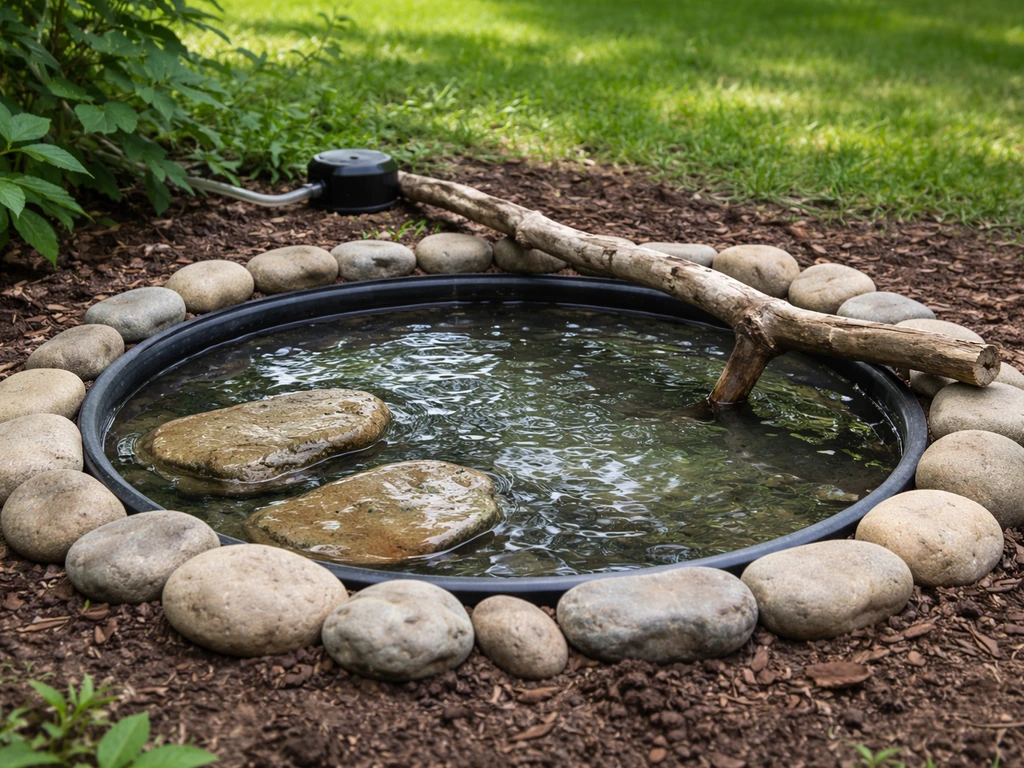
How to Make a Bird Pond: Simple DIY Guide for Beginners
Step-by-step how to make a bird pond with liner or bowl, bird-safe edges, simple filtration, and easy upkeep for year-ro
How to Make a Bird Sanctuary Model Step by Step
Step by step DIY guide to build a safe scaled bird sanctuary model with shelters, nesting, feeders, water, and maintenan
How to Build a Chimney Swift Bird House DIY Guide
Step-by-step DIY plans to build a chimney swift bird house, with correct dimensions, placement, and weatherproofing for