Making a bird cozy comes down to four things working together: a shelter that fits the species and season, inside comfort that feels natural and safe, enrichment that keeps the bird mentally settled, and food and water that reduce stress rather than add it. Whether you're setting up a backyard nest box, a winter roosting spot, or a pet bird's cage environment, the formula is the same. If you are also wondering how to make a bird playground, start by designing safe shelter, adding enrichment, and placing food and water so the birds can use the space comfortably. You need to think like the bird first, then build or arrange around what it actually needs.
How to Make a Bird Cozy: DIY Shelter and Comfort Guide

Marcus Thornton
18 May 2026
What 'cozy' actually means for your bird
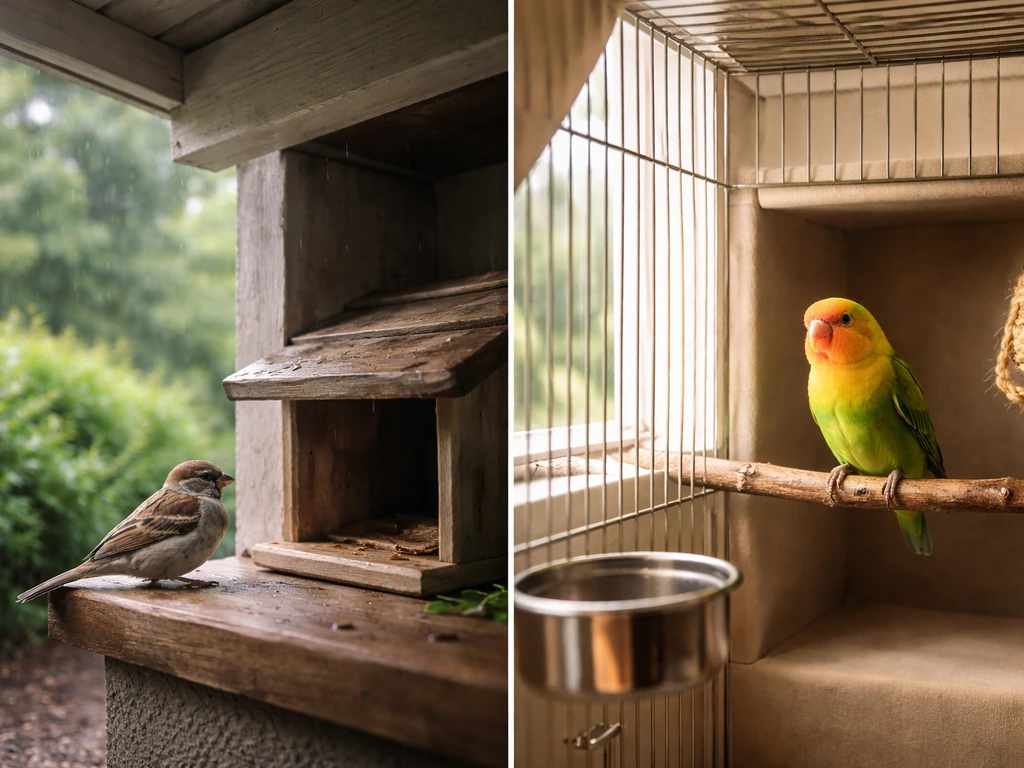
Before you build or buy anything, get clear on which bird situation you're dealing with. A wild backyard bird using your yard seasonally has completely different needs from a pet bird living in a cage year-round. And even within those two groups, species and season matter a lot. A bluebird needs a specific entrance hole diameter and open-field placement. A house wren wants dense shrubs nearby. In winter, almost every cavity-nesting bird wants a windproof roost box with thick insulation, not a breezy summer nest box.
For wild birds, 'cozy' means safe from predators and weather, with easy access to food and water nearby. It does not mean visually warm or cute. One thing to flag here: a puffed-up, quiet bird sitting with its eyes half closed is not cozy. That's a stress or illness signal. Comfortable wild birds are alert, active, and hold their feathers flat. The same goes for pet birds. Fluffing, pacing, repetitive rocking or spinning, and feather picking are signs something is wrong with the environment or the bird's health, and those need an avian vet's attention, not just a new toy.
So when you're building a cozy space, you're building for alert, relaxed comfort, not for a bird that looks sleepy and huddled. Keep that distinction in your head as you work through each section below.
Build the right shelter first
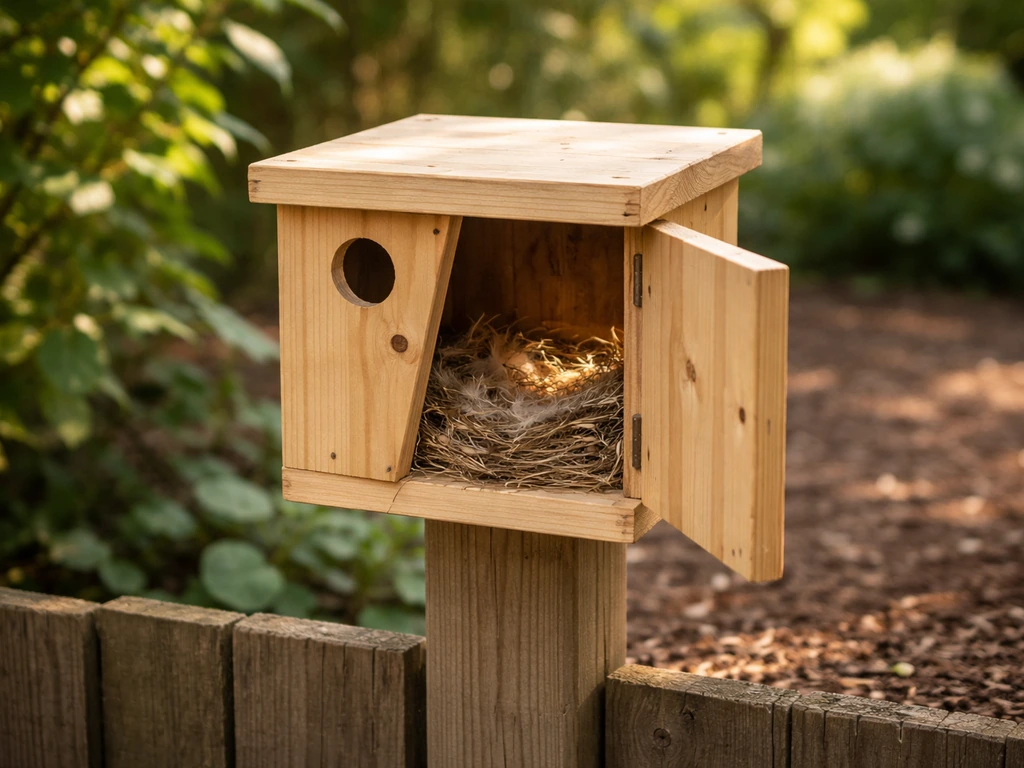
The shelter is the foundation of everything else. Get this wrong and nothing downstream really matters. For wild cavity nesters, you're building a nest box or roosting box. For pet birds, you're thinking about the cage setup and any enclosed hide or nest area inside it. Either way, the same principles apply: species-appropriate dimensions, safe materials, and correct placement.
Nest boxes and roosting boxes for wild birds
Use untreated, unpainted wood. Cedar, pine, and cypress all work well and hold up outdoors without needing chemical treatment. Avoid pressure-treated lumber entirely since it contains pesticides and fungicides that can harm birds. Rough-cut or sand the inside walls so nestlings can grip when climbing toward the exit. The outside can stay natural or get an exterior-grade non-toxic stain, but skip glossy paints.
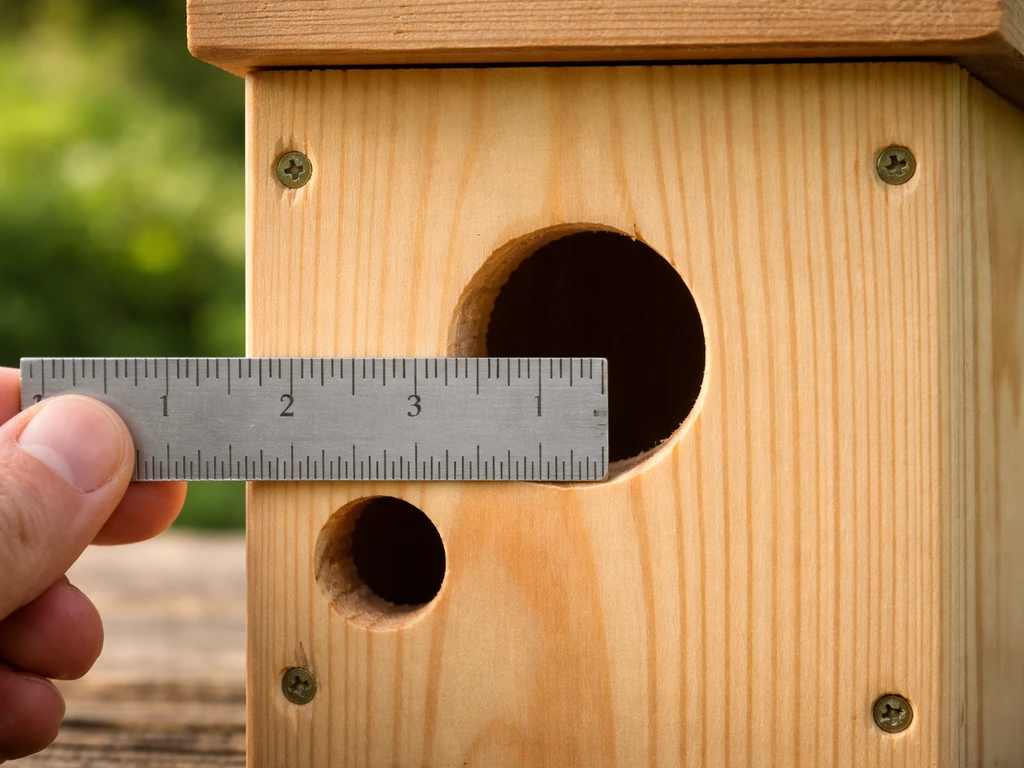
The entrance hole is the most critical measurement in the whole build. Too large and house sparrows or starlings move in. Too small and your target species can't enter. Here are the common sizes to know:
| Species | Entrance Hole Diameter | Notes |
|---|---|---|
| Black-capped chickadee | 1 1/8 inch round | Smaller hole keeps out house sparrows |
| House wren | 1 1/4 inch round | Prefers low boxes near shrubs |
| Eastern bluebird | 1 1/2 inch round | Mount at 4–6 feet in open field |
| Western bluebird | 1 1/2 inch round | Same as Eastern; open habitat |
| Mountain bluebird | 1 9/16 inch round | Slightly larger; higher elevation ranges |
Do not add a perch below the entrance hole. It feels like a nice touch but it actually helps predators and aggressive birds like house sparrows gain access. Leave it off. Instead, make sure the roof overhangs the entrance by at least 4 to 5 inches. That overhang makes it significantly harder for a cat or raccoon to reach down and in from above.
For winter roosting boxes, the design shifts slightly. You want a deeper box with the entrance hole positioned near the bottom rather than the top, so warm air rising from the roosting birds stays trapped inside. Multiple interior perches at different heights let several birds share the space on cold nights.
Placement makes or breaks it
Mount nest boxes facing away from prevailing winds and direct afternoon sun. East or north-facing openings work well in most regions. Height depends on species: bluebirds typically use boxes at 4 to 6 feet, while some species prefer higher or lower. The box should be on a smooth metal pole rather than a tree or fence post whenever possible. Trees and fences give climbing predators a free ladder.
Weather-proof the space so it actually works
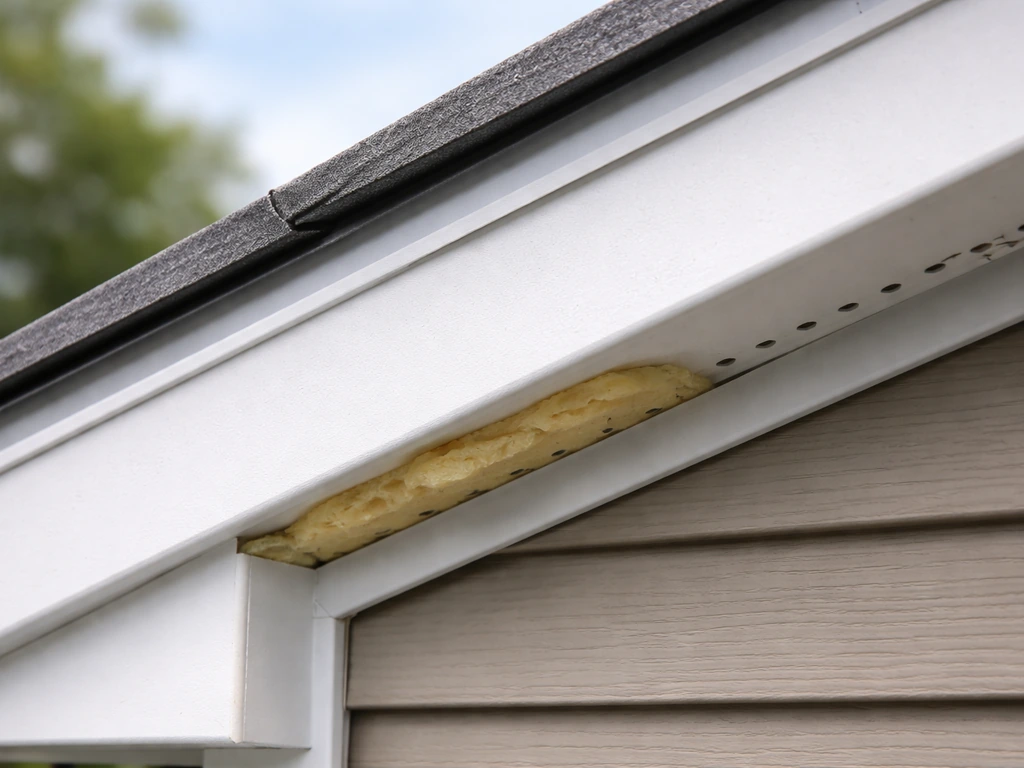
A shelter that lets in wind, rain, or extreme heat is not a cozy space, it's a stress box. Weather-proofing covers three things: insulation for temperature, ventilation to prevent overheating and moisture buildup, and predator protection so the bird feels genuinely secure.
Ventilation and drainage
Drill small ventilation holes (around 1/4 inch diameter) under the roofline on each side wall. These let hot air escape in summer without creating a draft that chills eggs or chicks. The floor needs drainage too: drill two or three small holes in the corners, or cut the floor corners at an angle so water that sneaks in can escape. A sloped roof with a decent overhang handles most rain.
In winter, those same ventilation holes become a liability. NestWatch recommends temporarily sealing them from the outside using foam weatherstripping, rags stuffed in around them, or duct tape during the coldest months. This turns a nest box into an effective winter roost. Just remember to reopen them before spring nesting season starts.
Predator protection that actually works
The best predator deterrent is a pole-mounted stovepipe baffle. An 8-inch diameter metal stovepipe baffle, installed so it can wobble and spin freely on the pole, prevents raccoons, cats, and snakes from climbing up. The free-swinging action throws off any animal trying to get traction. You can also wrap hardware cloth around the entrance hole to extend the tunnel depth slightly, which makes it harder for a predator to reach in from outside. These are not optional extras if you want the box to actually be used and trusted by nesting birds.
Make the inside genuinely comfortable
Once the structure is sound, focus on what goes inside. This is where the 'cozy' feeling really comes from for the bird, and where a lot of well-meaning people accidentally cause problems.
Bedding and liners for pet birds
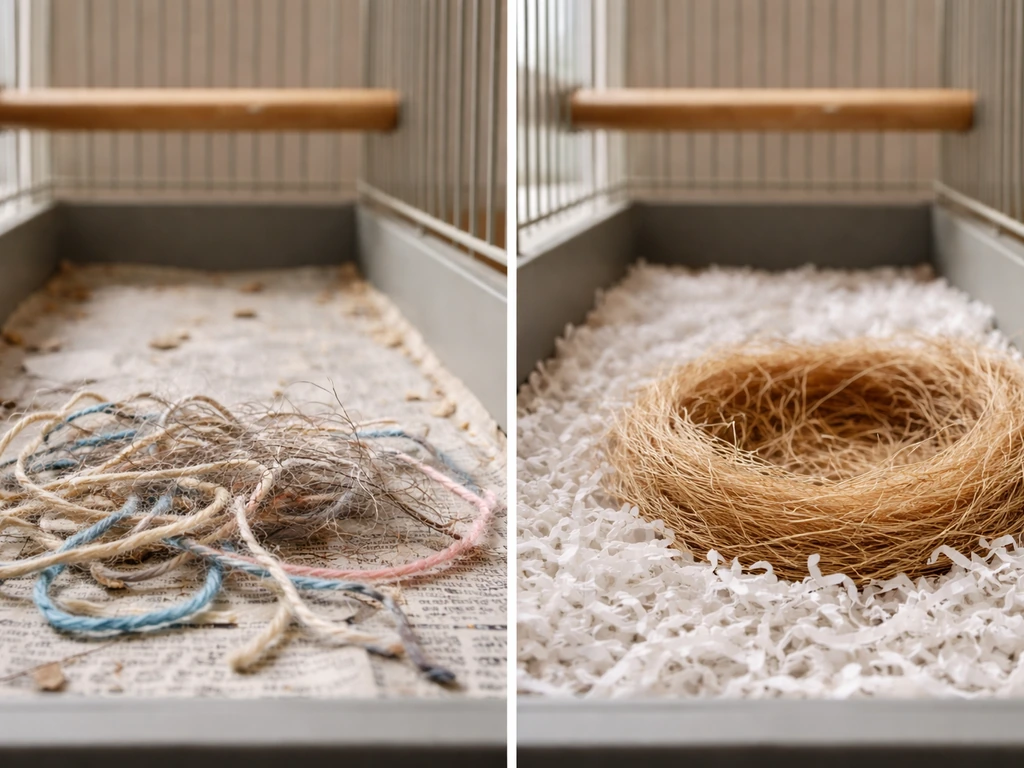
For caged birds, plain paper (newspaper or paper towels) is the most recommended cage liner. Avian vets prefer it because you can see droppings clearly, which is one of the best daily health indicators you have. Avoid cedar shavings (the aromatic oils are harsh on respiratory systems), corn cob bedding (it can harbor mold and mask droppings), and anything dusty. Wrong bedding traps moisture, hides health warning signs, and poses a chewing/swallowing risk if the bird digs around in it.
Nest materials for wild birds
If you want to offer nest material nearby for wild birds, stick to natural dry grass, small twigs, and clean moss. Avoid yarn, string, dryer lint, and human or pet hair. These all look harmless but yarn and string can wrap around legs and necks (and nestlings can get tangled fatally), dryer lint absorbs moisture and compacts into a wet mass, and hair can tighten around legs as it dries. When in doubt, leave the natural materials in the yard and let the birds source their own.
Perches that support rather than hurt
For pet birds, perch diameter should match the bird's foot size so the toes wrap about three-quarters of the way around. For a cockatiel-sized bird, that's roughly 1/2 to 1 inch in diameter. Natural wood perches with slight variation in diameter along their length are ideal because they exercise the foot muscles differently across the perch. Skip sandpaper perch covers entirely. They cause sores on the foot pads and don't actually keep nails trimmed the way they're marketed to do. Also check rope perches regularly: fraying synthetic fibers can catch toes or be swallowed.
In a nest box for wild birds, skip the perch at the entrance as already discussed, but consider a rough interior surface so fledglings can climb out when it's time.
Add enrichment that actually reduces stress
Enrichment is often framed as entertainment, but for birds it's really about stress reduction. A bored or under-stimulated bird in captivity develops the same kind of repetitive behaviors you'd see in a factory-farmed animal: pacing, rocking, feather picking. Enrichment prevents that slide by keeping the bird's foraging and problem-solving instincts active.
Foraging toys and puzzle feeders
The most effective enrichment for pet birds mimics natural foraging. Puzzle feeders that require the bird to figure out how to extract a favorite nut or seed can keep a bird occupied for hours. You don't need to buy anything fancy. Roll food in newspaper, push seeds into the corrugated channels of a piece of cardboard, or wedge a piece of fruit into the fork of a small branch. These DIY options are just as effective as commercial puzzle toys and cost almost nothing. If you want another simple DIY comfort upgrade, learn how to make a bird hammock for calmer resting time. Pipe-style feeders where the bird has to manipulate a lever or slide a door work well too.
For wild backyard birds, foraging enrichment looks like a tube feeder with perches positioned to require a little effort, or a tray feeder placed in layers with different seeds at different depths. The goal is mental engagement, not just passive snacking.
Calming routines matter more than you'd think
For pet birds, routine is one of the most underrated comfort tools. Predictable feeding times, consistent lighting schedules (12 hours light and 12 hours dark is a reasonable starting point for most species), and covering the cage at the same time each night all signal safety to the bird. Sudden changes to routine, new loud noises, or rearranging the cage without giving the bird time to adjust can spike stress levels noticeably. If you're adding new toys or rearranging perches, introduce one change at a time and watch the bird's response for a day or two before adding more.
This is also worth keeping in mind if you're building a bird swing, bird bench, or bird playground to add to the space. If you’re also wondering how to make bird swing safely, focus on sturdy mounting, safe materials, and appropriate size for your bird. Introduce these pieces gradually rather than all at once, giving the bird time to explore each new structure on its own terms.
Food and water that support comfort
Food and water placement is part of making the whole setup feel safe. For wild birds, feeders placed near natural cover (shrubs or trees within 10 feet) give birds a quick escape route if a hawk comes through, which reduces the general stress level around your yard. But don't place feeders or nest boxes directly under trees where cats can drop down, or where squirrels can jump across.
Birdbaths should be shallow: 1 to 2 inches deep at the center is plenty for most small birds. Ground-level dishes work naturally and birds often prefer them. Change the water every day or two to prevent mosquitoes and bacteria. In winter, a birdbath heater keeps water liquid and is genuinely life-saving for birds that can't crack ice. Do not add salt to birdbaths to prevent freezing. Salt is harmful to birds and doesn't work reliably anyway.
For pet birds, fresh water daily is non-negotiable. Place water dishes away from perches positioned directly above them to avoid contamination from droppings. For food, variety matters for both nutrition and mental engagement. Offer pellets as a base diet and rotate fresh foods to keep the bird curious and active.
What to avoid around food and water
- Salt additives in birdbaths (harmful and a freezing hazard)
- String or twine tied near feeders as decoration (entanglement risk)
- Chemical pesticides or herbicides anywhere near feeding or bathing areas
- Moldy or wet seed in feeders (causes illness; dump and refill rather than topping off)
- Overcrowded feeding stations that create competition and stress between birds
Cleaning, maintenance, and what to do when something's off
Even a well-built, well-placed cozy space will fail if you don't maintain it. Nest boxes left uncleaned become parasite hotels and disease vectors. Old nesting material compresses, retains moisture, and can raise the nest floor high enough that predators can more easily reach in through the entrance hole.
When and how to clean a nest box
After each breeding season (late summer or fall in most regions), remove all old nesting material completely. A kettle of boiling water poured over the interior surfaces kills mites and other parasites without leaving chemical residue. Let the box dry fully before closing it back up. Avoid harsh chemical disinfectants inside the box since residues can be toxic if birds ingest them. For pet bird cages, use bird-safe cleaning products and rinse thoroughly. Plain white vinegar diluted in water is a safe, effective option for regular cleaning.
If the box previously housed mice over winter, take extra precautions: wear gloves and a mask when clearing it out, and dispose of the material in a sealed bag. Rodent droppings can carry hantavirus, and disturbing dry material can release particles.
If birds won't use the box
Give a new nest box at least one full season before troubleshooting. Birds scout locations before committing, and your box may be discovered late in the season even if it looks unused. If it stays empty for a full year, run through this checklist:
- Is the entrance hole the right size for your target species? Wrong size is the most common issue.
- Is the box facing toward heavy foot traffic, a busy road, or a dog run? Move it to a quieter spot.
- Is there a predator baffle on the pole? If not, birds may be watching predators investigate the box and avoiding it.
- Is the box in full sun all afternoon? Overheating discourages use; rotate it to face a cooler direction.
- Is there competing housing nearby (house sparrow nests in eaves, starlings in old woodpecker holes)? Managing competition may require removing sparrow nests as they're built.
- Is there dense ground cover directly below the entrance? Cats can hide and ambush; clear it out.
If a bird is using the space but something seems wrong
For wild birds mid-nesting, the general rule is: observe but don't interfere unless you see a direct safety problem like a predator actively raiding the box. Opening the box too frequently can cause parents to abandon the nest. A quick, infrequent check (once every week or two) is fine for monitoring.
For pet birds, behavioral changes are the main signal to watch. A bird that suddenly starts plucking feathers, pacing, or acting aggressive when it was previously calm is telling you something changed in its environment or its health. Run through the obvious environmental checklist first: new noise source, direct sunlight hitting the cage, a new animal or person in the home, a change in diet or routine. If none of those explain it, the next step is an avian vet visit. Birds hide illness well, and what looks like a behavior problem is sometimes a medical one.
FAQ
How can I tell if a bird is actually comfortable versus just resting quietly?
For wild birds, true comfort looks like alert posture (head up, eyes open), normal feather position (flat to slightly sleek), and regular activity like feeding or preening. A puffed-up bird that stays still with eyes half closed is more often a stress or illness sign, especially if you also see reduced movement or refusal to eat. If you notice prolonged fluffing, lethargy, or worsening symptoms in a pet bird, treat it as a health concern and contact an avian vet.
Do I need a permit or follow rules when installing a nest box in my yard?
In many places, basic nest box placement is allowed, but rules can differ for species that are protected, areas that are managed, and timing during nesting season. Before you build or mount anything, confirm local wildlife guidelines for the target species and avoid any actions that could disturb active nests. If you are in an HOA or rental property, also check property rules for exterior structures.
What is the safest way to clean a nest box without harming current occupants?
If there is any chance the box is occupied, postpone cleaning until the nesting season ends. For active nests, avoid opening the box, and never remove nest material mid-season. After the season, remove old material completely, treat the interior with boiling water as described, then let it fully dry before closing or re-installing. If you see heavy mite or parasite activity, do not use strong residual chemicals inside the box.
Can I add a heating source to make a bird cozy in winter roost boxes?
Usually no. The goal is wind protection, correct insulation, and proper airflow management, not artificial heat. Adding heat sources can create burn risk or overheating and can disrupt natural temperature regulation. If birds repeatedly struggle to roost, adjust the box design for windproofing, placement away from direct sun, and seasonal ventilation sealing rather than using heaters.
When should I reopen ventilation holes after sealing them for winter?
Reopen before nesting begins, because trapped moisture and stale air can become a problem as temperatures rise. A practical approach is to reopen once you start seeing species-specific nesting behavior in your area, then monitor the box’s use. If you reopen too early and cold snaps return, re-seal temporarily only if the box remains dry and safe, and do it without repeatedly disturbing nesting activity.
Are there any plants or yard layout changes that make a box feel safer to wild birds?
Yes. Birds perceive safety through quick escape routes, and cover matters. Aim for feeders and roosting or nesting areas to be within about 10 feet of natural cover like shrubs or trees, so birds can retreat quickly. Avoid placing nest boxes where predators can access from above or where cats can perch or stalk near the entrance.
How do I prevent house sparrows or starlings from taking over my nest box?
The most effective defenses are correct entrance sizing for the target species and predator-adapted design choices. Too-large openings invite competitors like house sparrows and starlings. Ensure you match the entrance diameter closely, avoid adding a perch under the entrance, and use a roof overhang and baffle system to limit access. If you see repeated takeover, adjust entrance size only within the range appropriate for your target species, not by making it smaller for unrelated birds.
What should I use as a floor in a pet bird cage for easier cleaning and safer health tracking?
Paper liners like newspaper or paper towels are typically the easiest, because they let you visually track droppings and keep the environment clean without adding respiratory irritants. Avoid bedding that can mold, trap moisture, or hide droppings, and avoid dusty materials. Also place food and water so droppings cannot fall directly into water dishes, since contamination can happen quickly in cages.
If my pet bird starts pacing, feather picking, or spinning, does that always mean I need more toys?
Not always. Those behaviors often signal stress, and the root cause can be lighting changes, new animals or people, diet changes, or even cage location and airflow. Before adding more enrichment, run a focused environmental check: steady feeding and light-dark schedule, cage placement away from sudden drafts or direct sun, and one-change-at-a-time introductions. If symptoms persist after correcting obvious triggers, schedule an avian vet visit, since illness can present as behavioral change.
How often should I change birdbath water to reduce mosquito and bacteria risks?
Change the water every day or two for most conditions, since standing water can quickly become a breeding site for mosquitoes and can grow bacteria. If the birdbath is in full sun or heavily soiled by frequent use, you may need daily changes. In winter, use a birdbath heater to prevent freezing instead of salt, which is unsafe and unreliable.
What is the best way to introduce a new nest box or new enrichment to avoid abandonment or stress?
Introduce changes gradually. For wild birds, avoid frequent openings during nesting, and give a new box at least a full season to be scouted, since birds may discover it late. For pet birds, introduce one new toy or rearrangement at a time and watch for 1 to 2 days, since abrupt multiple changes can raise stress even if each item seems harmless. Maintain consistent daily routines while you adjust the environment.
Next Articles
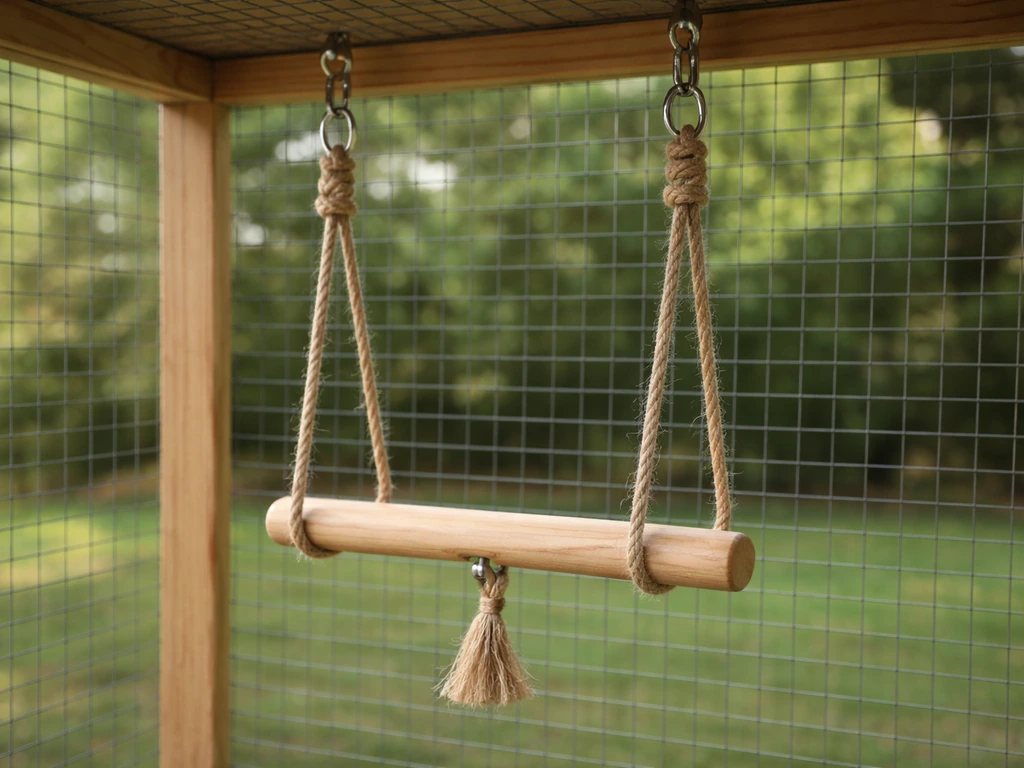
How to Make a Bird Swing: DIY Steps, Sizing, and Safety
Step-by-step how to make a bird swing with sizing, safe materials, secure mounting, and hazard-proofing tips.
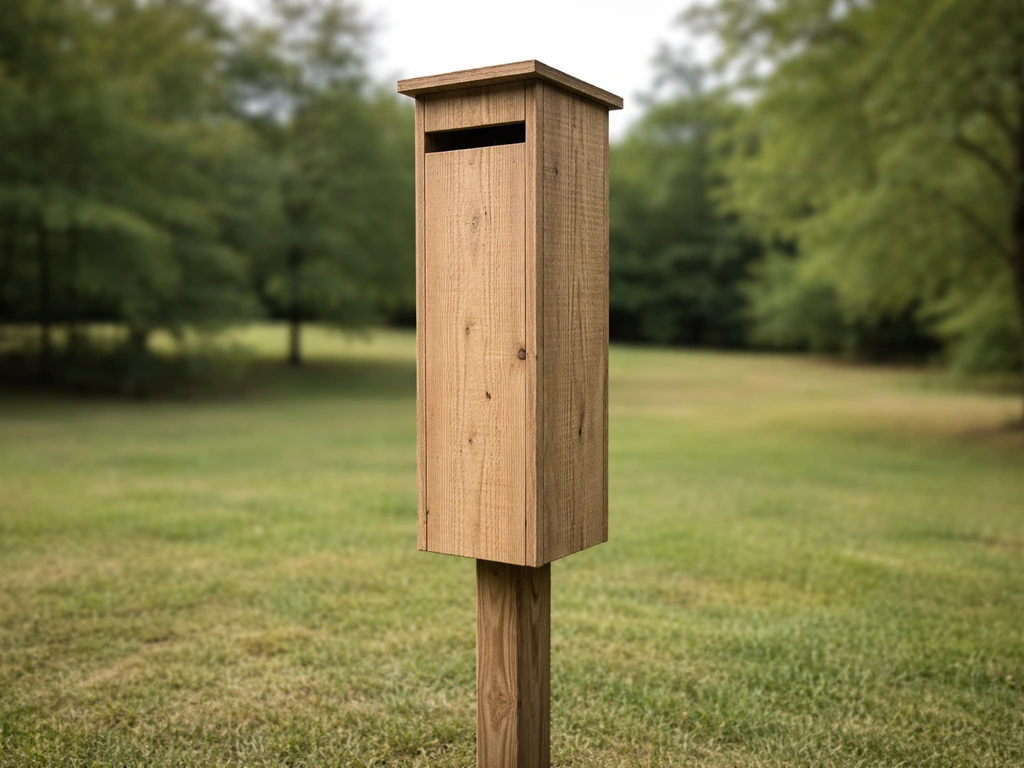
How to Build a Chimney Swift Bird House DIY Guide
Step-by-step DIY plans to build a chimney swift bird house, with correct dimensions, placement, and weatherproofing for
How to Build an Oriole Bird House: Step-by-Step DIY
Step-by-step DIY for building an oriole bird house with right dimensions, weatherproofing, predator-safe placement, and