You can turn almost any backyard into a working bird sanctuary, and you do not need a huge property or a big budget to do it. The core idea is simple: give birds what they need (food, water, shelter, and safe nesting spots) and remove what threatens them (predators, pesticides, and hazards). Do those things well and birds will find you. This guide walks you through every step, from sketching a quick layout today to building your first nest box this weekend.
How to Make a Bird Sanctuary in Your Backyard
Marcus Thornton
5 Apr 2026
Quick start plan for your backyard bird sanctuary
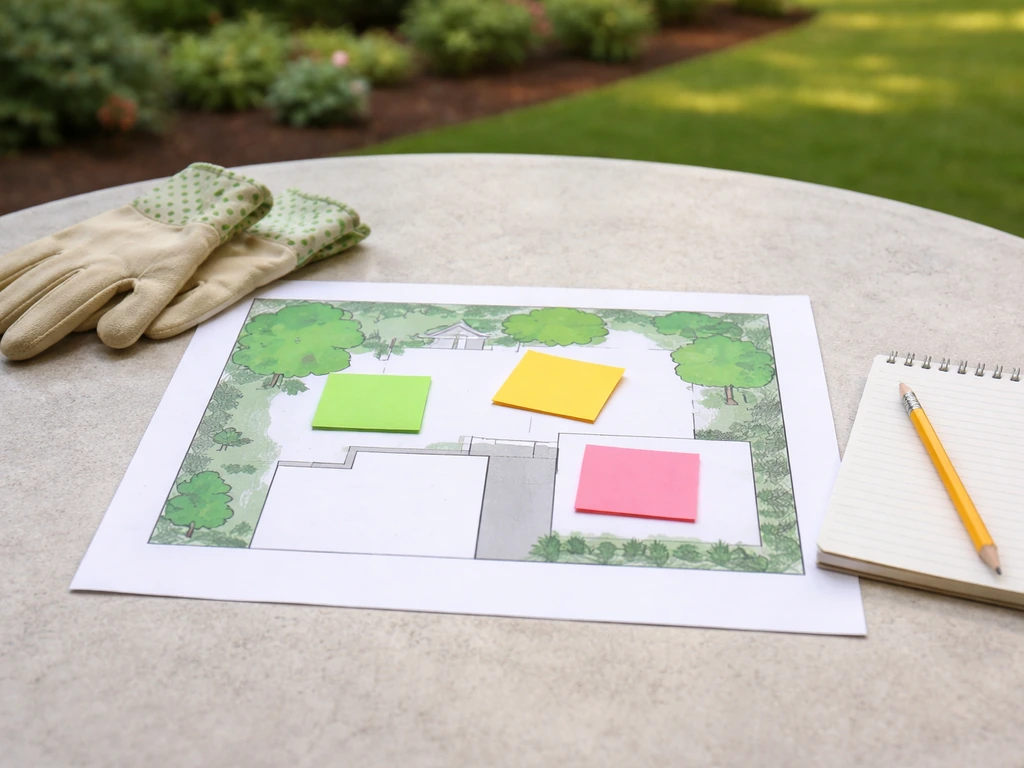
Before you spend a dollar or pick up a tool, spend ten minutes walking your yard and asking four questions: Where can I put a feeder that's visible but near cover? Where can I add water? Where is there already natural shelter, and where are the gaps? Are there any nesting opportunities I'm missing? Those answers become your action list. If you want a solid foundation to build from, making a proper bird base for your structures before you start placing anything is a smart first move that saves you repositioning later.
- Walk the yard and note sunny spots, existing trees or shrubs, fences, and any standing water areas.
- Identify at least one feeding zone, one water zone, and one sheltered/nesting zone before buying anything.
- Pick up one basic feeder and a bag of black-oil sunflower seeds (the single most universally attractive bird food you can offer).
- Set up or build a simple birdbath within the first week, even a shallow dish works as a starting point.
- Add one nest box or a brush pile for cover while you plan the bigger build.
- Commit to a monthly cleaning and refill routine from day one so the sanctuary stays healthy.
That six-step checklist is your week-one target. Everything else in this guide layers on top of it. Do not wait until the whole design is perfect to start. Birds will begin investigating your yard within days of a feeder and fresh water appearing, and that early feedback tells you a lot about what species are in your area.
Habitat essentials: food, water, shelter, and nesting sites
The National Wildlife Federation frames a successful habitat garden around four essentials: food, water, cover, and places to raise young. Get all four right and you are not just feeding birds, you are supporting them through their whole life cycle. Miss one and you will hit a ceiling on how many species you attract and how long they stay.
Food sources
Supplemental feeders are great, but the best food sources in a sanctuary are the ones that replace themselves: native plants that produce seeds, berries, and nectar, and landscapes that support the insects many birds rely on, especially during nesting season when protein is critical. Black-oil sunflower seeds attract the widest range of feeder birds. Nyjer (thistle) seed pulls in finches specifically. Suet cakes are a high-energy winter staple for woodpeckers, nuthatches, and chickadees. Fruit pieces like halved oranges attract orioles and mockingbirds. Aim for variety rather than a single mega-feeder.
Water
A birdbath does more than you might expect. The U.S. Fish and Wildlife Service points out that fresh water keeps birds hydrated and cool through summer heat, and it draws species that rarely visit feeders. The real trick, though, is movement. NC State Extension research shows that moving water, even from an inexpensive backyard pump that creates a drip or gentle ripple, dramatically increases how many birds find and use a water source. The sound carries and birds investigate it. If you want to go beyond a basic dish, making a dedicated bird water feature with a small recirculating pump is one of the highest-return projects you can add to a sanctuary.
Shelter and cover
The NWF recommends at least two shelter spots so birds always have somewhere to escape from weather and predators. Dense shrubs, evergreen trees, brush piles, and DIY roost boxes all count. Cover needs to be close enough to feeding and water zones that birds feel safe moving between them, but not so dense that predators can hide right next to a feeder.
Nesting sites
Cavity-nesting birds like bluebirds, wrens, chickadees, swallows, and flickers need either natural tree cavities or nest boxes to breed. Open-cup nesters like robins and cardinals use dense shrubs, ledges, and vine tangles. Your sanctuary should offer both. The key design principle for nest boxes is entrance hole diameter: a 1.5-inch hole keeps out house sparrows from bluebird boxes, while a 1.25-inch hole is right for Carolina wrens. Getting this dimension right is not fussy detail work, it is the difference between the box being used by the bird you intended or colonized by an invasive species.
Sanctuary design by bird-friendly zones and layout
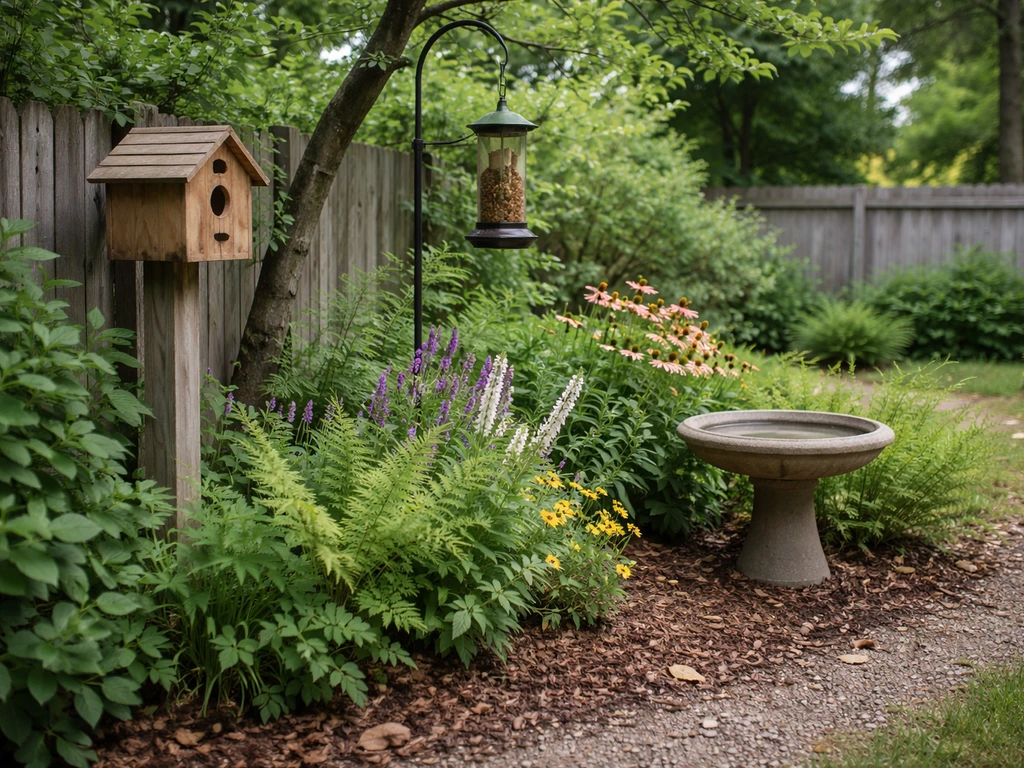
Think of your yard as a set of overlapping zones rather than a single space. A zoned layout lets you manage each area for its purpose without one element undermining another. A feeder right next to a nest box, for example, brings too much foot traffic near nesting birds and stresses them out. Spread your zones out and let each one breathe.
- Feeding zone: Place feeders 10 to 12 feet from dense shrubs or a brush pile so birds can retreat quickly but a cat cannot launch from cover directly onto the feeder. Keep multiple feeder types (platform, tube, suet) grouped loosely together.
- Water zone: Ideally 10 to 15 feet from the feeding zone. Birds like to drink and bathe separately from where they eat. Shade in the afternoon helps keep water cooler and reduces algae.
- Shelter and cover zone: Dense planting along fence lines or property edges gives birds a safe corridor to move through. Evergreens are especially valuable in winter.
- Nesting zone: Place nest boxes 50 to 100 feet away from feeders to give nesting birds privacy. Mount boxes on poles with baffles rather than trees where possible, to reduce predator access.
- Buffer zone: A strip of native grasses or wildflowers between your lawn and planted areas provides foraging ground for ground-feeding birds like sparrows, juncos, and towhees.
If your yard is small, you can compress these zones, but try to maintain some separation between nesting and feeding areas even if it is only 20 to 30 feet. The goal is to replicate what birds experience at the edge of a woodland, where food, water, and shelter are all within reach but each has its own space.
DIY structures to build: nest boxes, feeders, bird baths, and shelters
This is where the real fun starts. You do not need a fully equipped workshop to build these structures. A circular saw or jigsaw, a drill with a spade bit, exterior wood screws, and untreated lumber get you through almost every project on this list.
Nest boxes
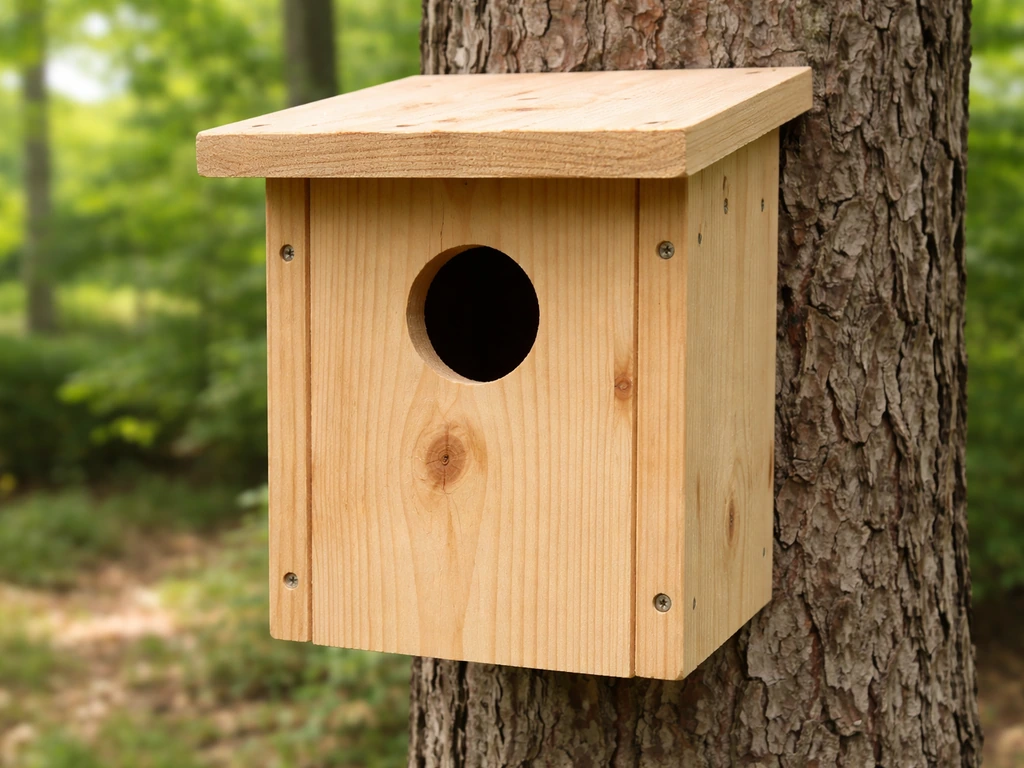
Nest boxes are the highest-impact build you can tackle. Use untreated pine or cedar (cedar is longer-lasting outdoors and naturally resistant to rot). Avoid pressure-treated lumber entirely since the chemicals are harmful to birds. The interior floor should be rough or scored so chicks can grip it when fledging. Drill four 1/4-inch drainage holes in the floor and a couple of ventilation holes near the top of the side walls. Most importantly, make the front panel removable or hinged so you can clean out old nests at the end of each season. A box with no clean-out port is a box that gets abandoned after one season.
| Target Species | Entrance Hole Diameter | Floor Size | Box Height | Mounting Height |
|---|---|---|---|---|
| Eastern Bluebird | 1.5 inches | 5x5 inches | 8 inches | 5-6 feet |
| Carolina Wren | 1.25 inches | 4x4 inches | 6-8 inches | 5-10 feet |
| Black-capped Chickadee | 1.125 inches | 4x4 inches | 8-10 inches | 5-15 feet |
| Tree Swallow | 1.5 inches | 5x5 inches | 6-8 inches | 5-10 feet |
| Downy Woodpecker | 1.25 inches | 4x4 inches | 8-12 inches | 6-20 feet |
Feeders
A simple platform feeder is the easiest first build: a flat board with low side rails and a few drainage holes drilled in it, mounted on a post or hung from a branch. It works for almost every feeder species. Tube feeders for nyjer seed are a bit more involved to build from scratch, so if you are starting out, buy one tube feeder and build your platform feeder. Suet cages can be made from hardware cloth in about 20 minutes. The important thing with any feeder is that it is easy to clean, because wet and moldy seed is a genuine health risk to birds.
Bird baths
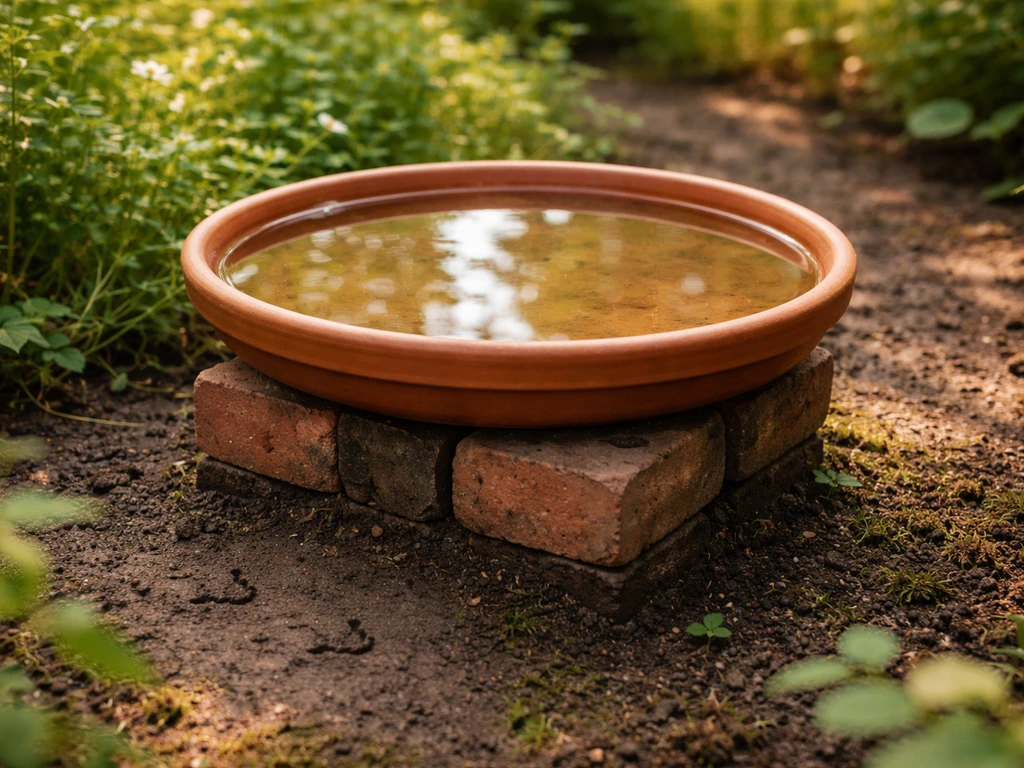
A birdbath does not need to be fancy. The most effective DIY version is a large terracotta saucer (the kind sold for plant pots) set on a stack of bricks or a short post at ground level or slightly raised. The key dimension is depth: no deeper than 2 to 3 inches in the center, with a gradual slope from the edges. Birds will not use a bath that is too deep. Add a few flat stones to create shallow spots and you will see more species using it. For a more polished build and full instructions on materials and construction, the guide on how to make bird water features covers everything from simple dishes to recirculating drip setups.
Shelters and roost boxes
A winter roost box is essentially a nest box with the entrance hole near the bottom (so warm air rises and stays inside) and interior perch dowels for multiple birds to huddle on. It is one of the most underbuilt structures in backyard sanctuaries and one of the most needed in cold climates. If you are in a region with harsh winters, building a winter bird shelter is a genuinely worthwhile project that can keep chickadees, nuthatches, and bluebirds alive through cold snaps. Beyond roost boxes, a brush pile made from pruned branches stacked loosely in a corner provides cover for sparrows, thrushes, and wrens at zero cost.
Plants, landscaping, and native-species choices
Native plants do more for birds than any feeder can. They support the insect populations that birds, especially nesting parents feeding chicks, depend on for protein. A single native oak tree can support over 500 species of caterpillars. Compare that to a non-native ornamental tree that supports fewer than 5 and the case for going native becomes obvious.
For the best practical guidance on turning your planting choices into genuine bird habitat, the article on how to make your garden bird friendly digs into specific plant choices, lawn reduction strategies, and landscape arrangements that work region by region. The general principles are straightforward: plant in layers (groundcover, shrubs, understory trees, canopy trees), favor plants that produce berries or seeds in fall and winter, and reduce the amount of short-cut lawn in your yard because lawn is essentially a biological desert for birds.
- Shrub layer (4-8 feet): Native viburnums, elderberries, and serviceberries provide both cover and fruit. Plant in clusters of three or more for density.
- Groundcover and meadow layer: Native grasses, coneflowers, black-eyed Susans, and goldenrod provide seed heads through winter and attract insects all summer.
- Understory trees (10-25 feet): Dogwoods, native cherries, and crabapples are high-value for a huge range of species.
- Canopy trees (if space allows): Oaks, hickories, and maples support the most insect diversity of any North American plant genus.
- Vines: Native trumpet vine and Virginia creeper provide nesting material, berries, and nectar without taking up ground space.
One practical landscaping move you can make this weekend: leave your seed heads standing through winter instead of cutting them back in fall. Coneflower, sunflower, and native grass seed heads are essentially a free buffet for finches, sparrows, and chickadees all season long.
Safety, maintenance, and attracting the species you want
Predator control
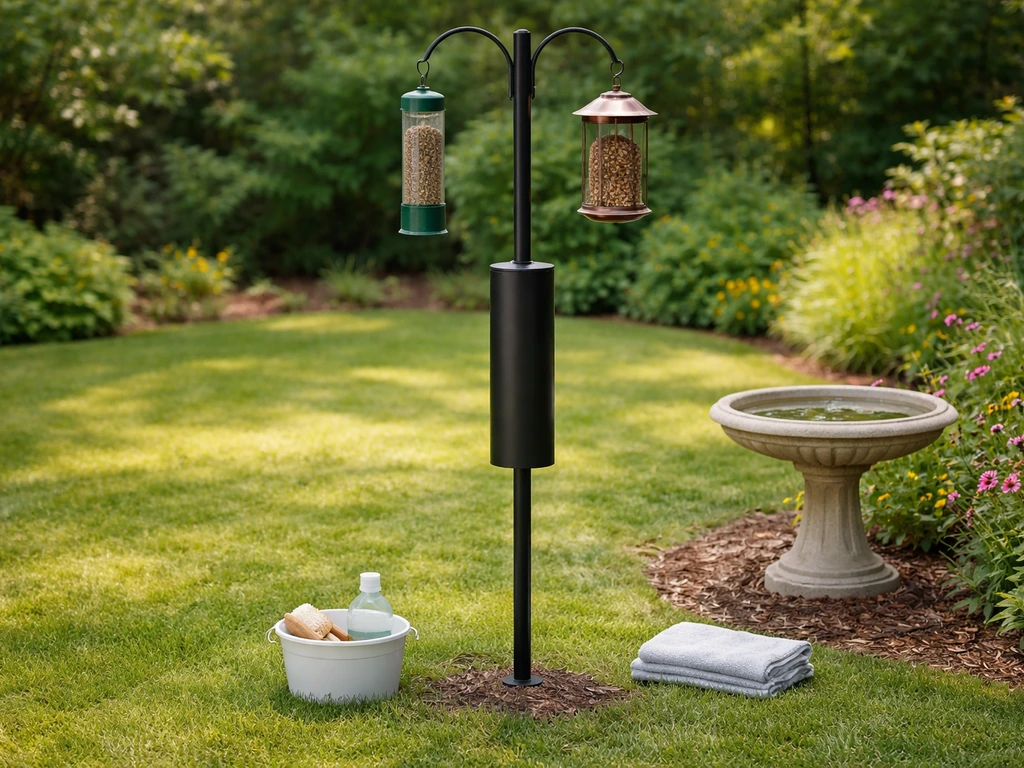
Cats are the single biggest threat to backyard birds in North America, responsible for an estimated 1.3 to 4 billion bird deaths per year in the U.S. alone. If you have outdoor cats or feral cats in your area, this is the first safety problem to solve. Keep your own cats indoors, and use physical deterrents (motion-activated sprinklers, thorny groundcover under feeders) to discourage feral cats. For nest boxes, mount them on smooth metal poles with a cone or stovepipe baffle at least 18 inches in diameter, positioned about 4 feet off the ground. A raccoon, squirrel, or cat cannot climb past a properly fitted baffle. This is not optional if you want nesting success.
Pest management that does not harm birds
Pesticides and herbicides used in the yard kill insects, which eliminates the food source birds need most during nesting season. If you are treating your lawn with broad-spectrum insecticides, you are working against your sanctuary. Switch to spot-treating only where absolutely necessary, use organic or biological controls where possible, and accept a little imperfection in the lawn in exchange for a healthier bird population. Window strikes are also a real hazard. If you have large glass windows near feeder or flight areas, apply window collision deterrent tape or decals in a pattern no more than 4 inches apart to make the glass visible to birds in flight.
Maintenance routines
A sanctuary that is not maintained becomes a liability. Wet, moldy seed causes aspergillosis, a fatal respiratory disease in birds. Dirty birdbaths spread salmonella and other pathogens. Clean feeders every one to two weeks with a 10% bleach solution, rinse thoroughly, and let them dry before refilling. Change birdbath water every two to three days, and scrub the basin weekly. Clean out nest boxes at the end of each nesting season (late summer or early fall) so they are ready for the next year. Check mounting hardware on all structures every spring and replace any screws or brackets that show rust or wear.
Attracting specific species
The best way to attract specific birds is to provide exactly what that species needs rather than a generic setup. Bluebirds need open grassy areas near their nest box for hunting insects on the ground. Hummingbirds need red tubular flowers or nectar feeders cleaned every three to five days (fermented nectar is dangerous). Purple martins need open airspace and colony-style housing with entrance holes positioned high.
Owls will use large nest boxes mounted 10 to 15 feet up on a tree, but only if there is minimal light pollution nearby. Do a quick search for the top five species in your region, then tailor one or two elements of your sanctuary specifically for those birds. That targeted approach gets results faster than a generic setup.
Seasonal adjustments
Spring (March to May) is nesting season: get nest boxes clean and mounted by late February, increase protein-rich foods, and hold off on any major landscaping that disturbs existing nesting cover. Summer means keeping water fresh daily, because birds need it most in the heat. Fall is planting time for native shrubs and seed-producing plants, and a good moment to build or repair structures before winter.
Winter is when feeders matter most: keep them stocked consistently and add high-fat foods like suet and peanuts. NC State Extension specifically highlights that backyard habitats can provide resources throughout the year, and that consistency is what makes a sanctuary, not just a seasonal feeding station. The U. S.
Fish & Wildlife Service discusses the ecological tradeoffs of backyard bird feeding and recommends habitat- and disease-conscious practices.
FAQ
How close should my bird sanctuary elements be, especially if I only have a small yard?
Aim for separation between feeding and nesting, but you can compress zones. A practical target is keeping nesting and feeding areas about 20 to 30 feet apart when possible. If that is not realistic, increase the distance by using vertical separation (nest box higher up, feeder lower and farther) and add dense cover between zones so birds can retreat without running directly past the feeder.
Do I need both native plants and feeders, or can I rely on one or the other?
You will usually get better results by combining them. Native plants provide steady, season-spanning food for insects and seed eaters, but feeders offer predictable calories and help you “seed” bird activity early. If you choose only one, prioritize plants that host local caterpillars (for breeding season) and keep at least water available year-round.
What water setup is safest in hot weather to prevent algae and disease?
Use frequent water changes (every two to three days for a basin), and scrub the basin weekly. If you add stones for shallow use, remove any debris and keep the edges sloped so birds do not track stagnant water. In heat, consider moving from a still dish to a dripping or gently rippling source, since movement increases use and reduces stagnation.
How do I stop birds from getting hurt by feeder traps, perches, or slick surfaces?
Choose feeder mounts that allow stable landing, avoid slippery platforms, and remove seed hull buildup regularly. For nest-area feeders, keep perches and low rails from lining up with nest box entrances (birds can drop toward openings). Also, inspect hardware for sharp edges and tighten loose brackets, since shifting feeders can create access points for predators.
What is the most common mistake with nest boxes, and how can I avoid it?
The most common mistake is putting up a box and never cleaning it. If you do not remove old nests at the end of the nesting season, pathogens and parasites can build up and deter reuse. Plan access before mounting so you can safely reach the front panel or clean-out port each year.
How do I choose the right entrance hole size for my area if I am unsure which species will use the box?
Start with the species you want most in your region, then match hole diameter accordingly. If you truly cannot decide, avoid “oversized” holes intended for larger birds because that can invite house sparrows and other competitors. When in doubt, install at least one box targeted to a local cavity-nester and add the other type later once you observe what is visiting your yard.
Are there situations where I should delay planting or building around nest boxes?
Yes. During spring nesting (about March to May), hold off on major landscaping that disturbs existing cover. If you must work, do it outside peak activity hours and choose spots away from nest boxes and dense shrubs. Birds will still investigate feeders quickly, but nesting disturbance can cause abandonment even if the box looks perfect.
How often should I clean feeders and birdbaths if I want to minimize disease risk?
Clean feeders every one to two weeks with a 10% bleach solution, rinse thoroughly, and let everything dry before refilling. For water, change every two to three days and scrub the basin weekly. If you notice heavy mold, lower traffic, or fewer visits, increase cleaning frequency for that week.
Do moving water sources really matter, or is a basic birdbath enough?
A basic bath works, but movement provides a noticeable upgrade. Drip or ripple motion draws more visits because sound and surface movement help birds locate and trust the water source. If you cannot do a pump setup, you can still improve use by placing the bath where birds can see it from cover and keeping it shallow with sloped sides.
How should I protect birds from window strikes without making my yard look unnatural?
Apply window deterrent tape or decals in a visible pattern with gaps no more than about 4 inches. Focus on windows near feeders, birdbaths, and likely flight paths, rather than covering every pane in your home. If you have multiple feeders, consider relocating one closer to a thicker visual barrier line to reduce rapid cross-window flight.
What is the best way to deter cats at feeders and nest boxes?
Use physical barriers, not just deterrent ideas. For nest boxes, mount them on smooth metal poles with a baffle at least 18 inches in diameter and position the box about four feet high. For feeders, place thorny groundcover or other barriers under and around feeding points, and if needed use motion-activated sprinklers to discourage repeated visits.
Should I use pesticides at all if I am trying to help birds?
In most backyard sanctuaries, avoid broad-spectrum insecticides, because killing insects removes the protein birds need during nesting season. If you must treat, switch to spot-treating only where necessary, use targeted biological or organic controls where possible, and accept some leaf damage. Reducing pesticide use often increases bird visits within days to a couple of weeks as insect prey returns.
How do I tailor the sanctuary for specific birds if I only have room for one or two “signature” features?
Pick one species first, then build the single highest-impact element for it. For example, open grassy hunting areas near a bluebird box help, while hummingbirds need frequent nectar/feed cleaning every three to five days. If you have limited space, it is better to do one species well (right habitat cues and correct maintenance) than to place generic feeders without the habitat structure that bird depends on.
What should I do if I see birds ignoring my feeder or water after setup?
Give it time, then check the basics you can control quickly: visibility from cover, water freshness, and cleanliness. Place the feeder so birds can see it while still having nearby shelter to retreat into. Make sure water is shallow enough (generally not deeper than about 2 to 3 inches in the center) and keep everything clean, because wet moldy seed or stagnant water can repel birds.
Next Articles
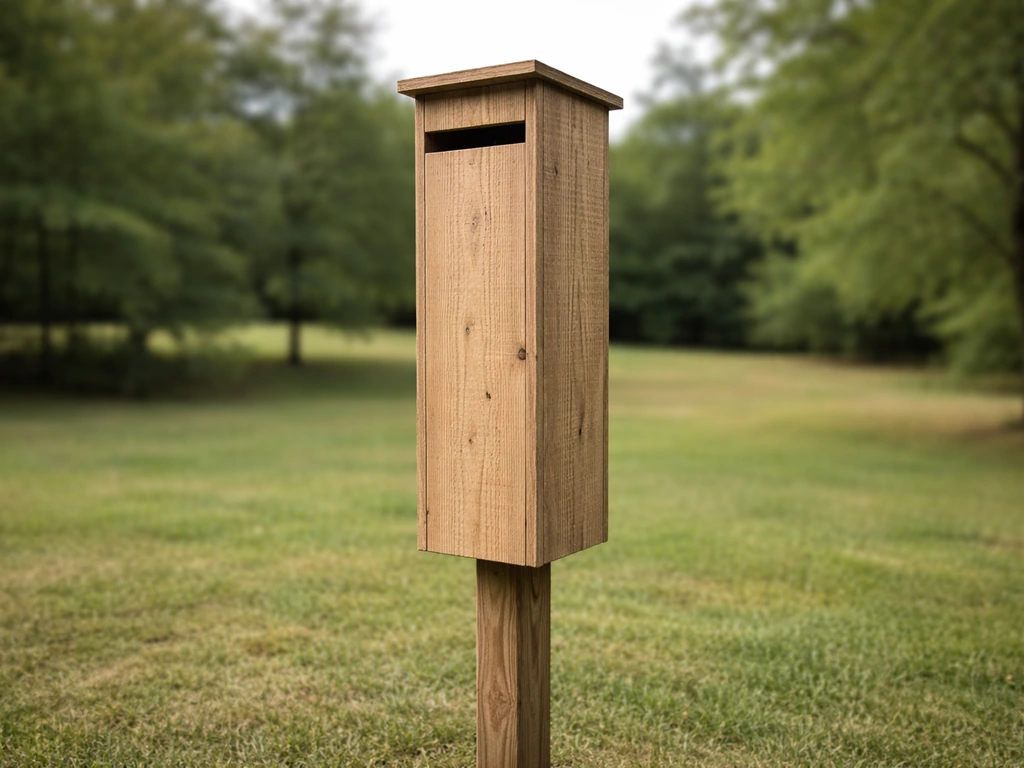
How to Build a Chimney Swift Bird House DIY Guide
Step-by-step DIY plans to build a chimney swift bird house, with correct dimensions, placement, and weatherproofing for
How to Build an Oriole Bird House: Step-by-Step DIY
Step-by-step DIY for building an oriole bird house with right dimensions, weatherproofing, predator-safe placement, and
How to Build a Chickadee Bird House Step by Step
Step-by-step DIY chickadee bird house with cut list, chickadee entry sizing, ventilation, drainage, and mounting tips.