You can build a DIY bird playground using natural wood branches, untreated lumber, rope, and simple hardware, and a solid starter setup takes less than a weekend to put together. The core pieces are a sturdy base or frame, a few perches at different heights, a ladder or ramp, at least one swing, and a simple foraging station. Get those five elements right and you have a functional, enriching space birds will actually use.
How to Make a Bird Playground: DIY Step-by-Step Guide
Marcus Thornton
31 May 2026
What a bird playground should include (and who it's for)
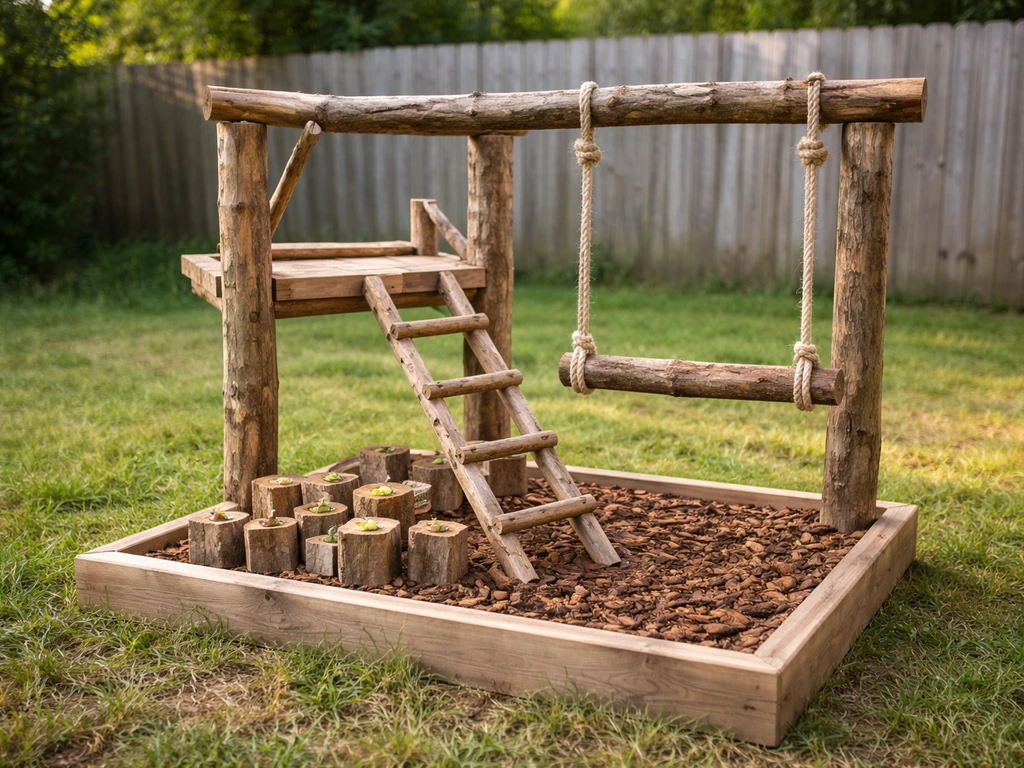
A bird playground is any structure that encourages natural behaviors: perching, climbing, exploring, foraging, and resting in a safe spot. It can live outdoors in a backyard or on a patio, or indoors as a free-standing enrichment station for a pet bird. The design scales from a single branch bolted to a post all the way to a multi-level climbing gym, but the purpose stays the same.
Backyard setups are aimed at wild songbirds, larger corvids, or any local species you want to attract and keep engaged. Indoor or enclosed setups are built for pet birds like parakeets, cockatiels, conures, or parrots who need daily mental and physical stimulation outside their cage. The species matters a lot for sizing and spacing, which is why you want to settle that question before you start cutting anything.
A complete playground typically includes these elements, though you don't need all of them on day one:
- Perches at multiple heights — thick and thin, to exercise different foot muscles
- A ladder or ramp connecting levels so birds can climb rather than just hop
- At least one swing that moves freely to build balance and confidence
- A foraging station where birds work for food (seeds hidden in holes, inside cups, or wrapped in paper)
- A sheltered rest area, shaded spot, or cozy nook where a tired or startled bird can settle
- Hanging toys, bells, or chewable elements for sensory engagement
If you're building for pet birds, a swing and a foraging station alone already make a huge difference to daily enrichment. If you're building for wild backyard birds, focus on natural-looking branch perches, a water element nearby, and concealed food stations. Both audiences benefit from the same core design principles: safe materials, no entrapment hazards, and a structure that won't collapse under a curious bird. Omlet’s toy-making guidance for parrots advises that climbing and enrichment toys be designed so there is nothing the bird could trap its head or foot in, and that you use safe materials for pet birds safe materials, no entrapment hazards.
Planning your setup: size, location, and bird-friendly layout
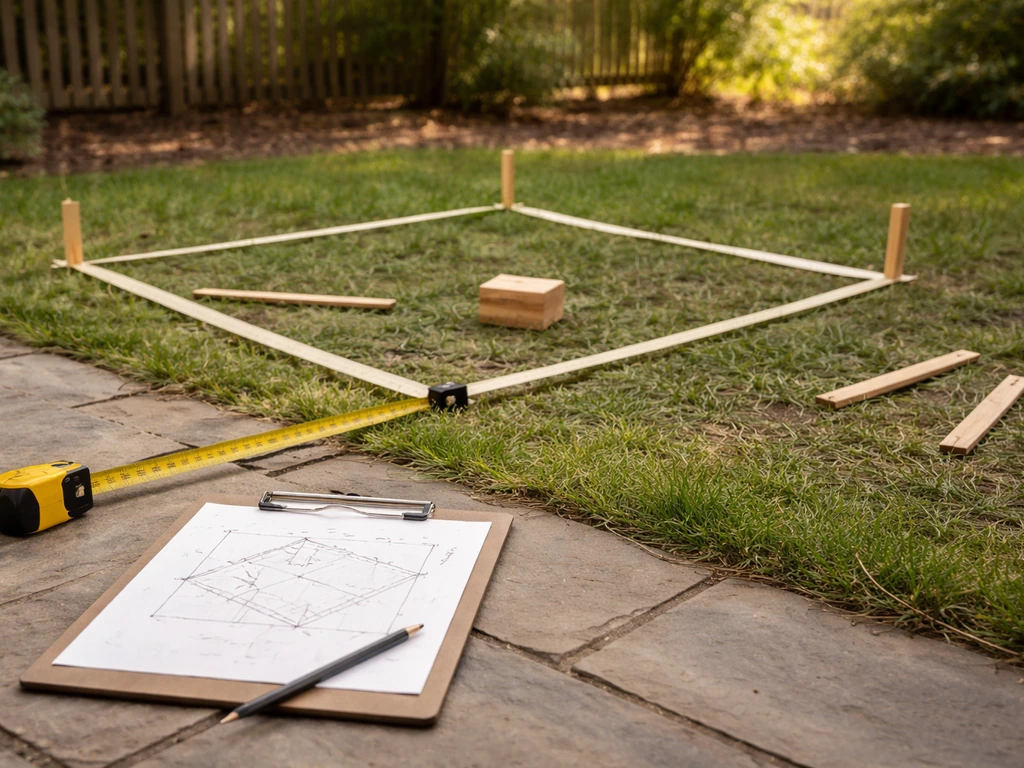
Before you build anything, measure twice. The size of your playground is driven by the size of your birds and the space you have available. A cockatiel playground can comfortably fit on a 24-inch square base. A playground designed for larger parrots like African greys or amazons needs at least a 36-inch base to give them room to stretch wings and move between elements without bumping into everything at once. For backyard songbirds like finches or sparrows, a vertical structure about 4 to 5 feet tall with branch perches spaced 8 to 12 inches apart works well.
For outdoor placement, pick a spot that gets morning sun but has afternoon shade, birds overheat faster than most people expect. Position it near natural cover like shrubs or a fence so small birds feel safe enough to land, but keep it at least 10 feet from dense vegetation that could hide a cat or other predator. Avoid placing it directly under trees where heavy sap, bird droppings from above, or falling branches become constant problems.
For indoor setups, choose a room where the bird already spends time. Kitchens seem convenient but Teflon cookware and cooking fumes are genuinely dangerous to birds, so keep the playground away from any cooking area. A living room or dedicated bird room near a window works best. Give yourself at least 18 inches of clearance on all sides of the structure so the bird can land, turn around, and interact with hanging toys without hitting a wall.
Think in levels when you sketch out the layout. Place the highest perch where you want the bird to spend most of its time. Birds instinctively prefer the highest available spot, so put your best perch and any favorite toy up top. Foraging stations work well at mid-height, and a water dish or rest platform can sit lower. A ladder or ramp should connect at least two levels to encourage movement rather than passive sitting.
Materials and safety checklist
This is where a lot of first-time builders make mistakes, usually by grabbing whatever wood or hardware is nearby without checking if it's safe. Here's what works and what to avoid.
Safe materials to use
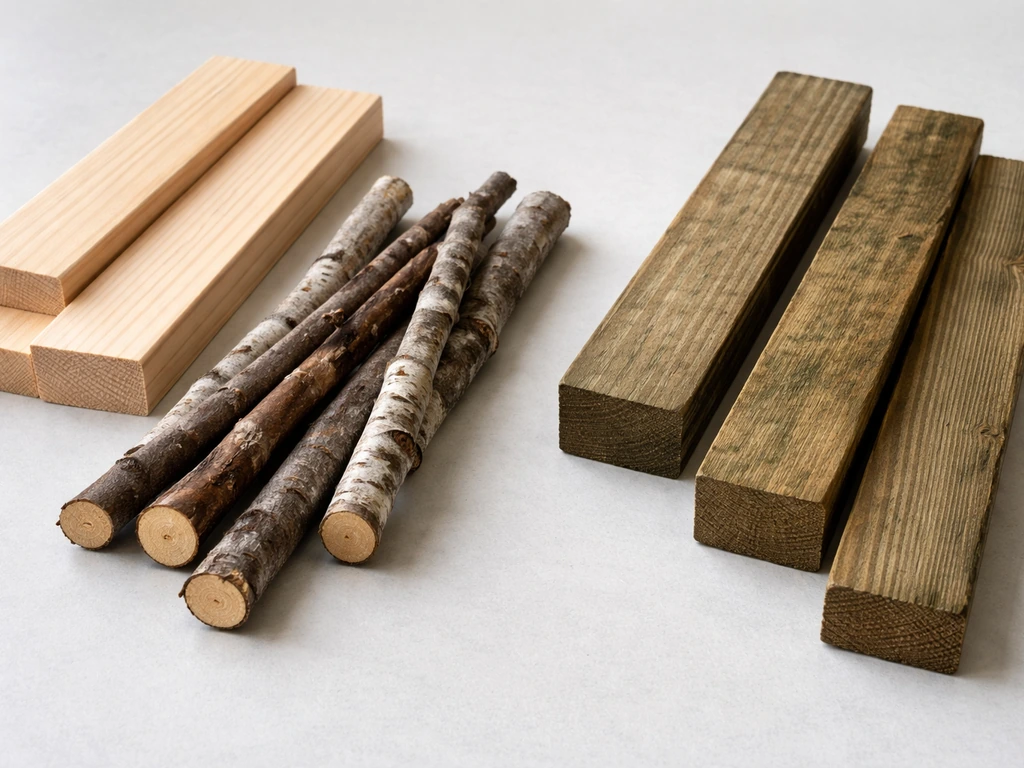
- Untreated, kiln-dried lumber (pine, poplar, or basswood) for frames and flat surfaces
- Natural hardwood branches from bird-safe trees: apple, pear, willow, birch, elm, or hazel — these make excellent perches and add visual interest
- Stainless steel hardware: screws, bolts, quick-links, and eye hooks. Stainless resists rust and is non-toxic even when chewed
- Hemp or sisal rope for ladders, hanging elements, and perch wrapping — natural fibers that are safe if ingested in small amounts
- Food-grade stainless steel or ceramic dishes for food and water stations
- Bird-safe wood glue (fully cured, water-based PVA) for non-structural joints
- Natural beeswax or linseed oil for wood finishing — both are non-toxic once dry
What to avoid
- Pressure-treated or chemically preserved lumber — the preservatives are toxic to birds
- Zinc-plated or galvanized hardware — zinc is highly toxic if chewed or ingested
- Painted surfaces with oil-based or spray paints unless specifically labeled bird-safe and fully cured
- Nylon rope or synthetic fibers that fray into long threads — these wrap around toes and legs dangerously fast
- Any design where gaps between rungs, bars, or perches could trap a foot, beak, or neck. The World Parrot Trust specifically flags this: check every opening before the bird uses it
- Toxic wood species: avocado, cherry (bark and leaves contain cyanogenic compounds), oleander, yew, and cedar should all be avoided for any chewable surfaces
- Polyurethane or varnish finishes — even 'cured' versions can off-gas in warm weather and cause respiratory issues
When using quick-links or carabiner-style attachments for swings or hanging toys, always use the screw-lock (also called secure-lock) stainless steel type and tighten them fully. A bird can work a standard clip open surprisingly quickly, and an open clip becomes an entrapment hazard. Inspect every attachment point before the bird uses the playground for the first time.
How to build the core components: perches, ladders, and swings
Building a base frame
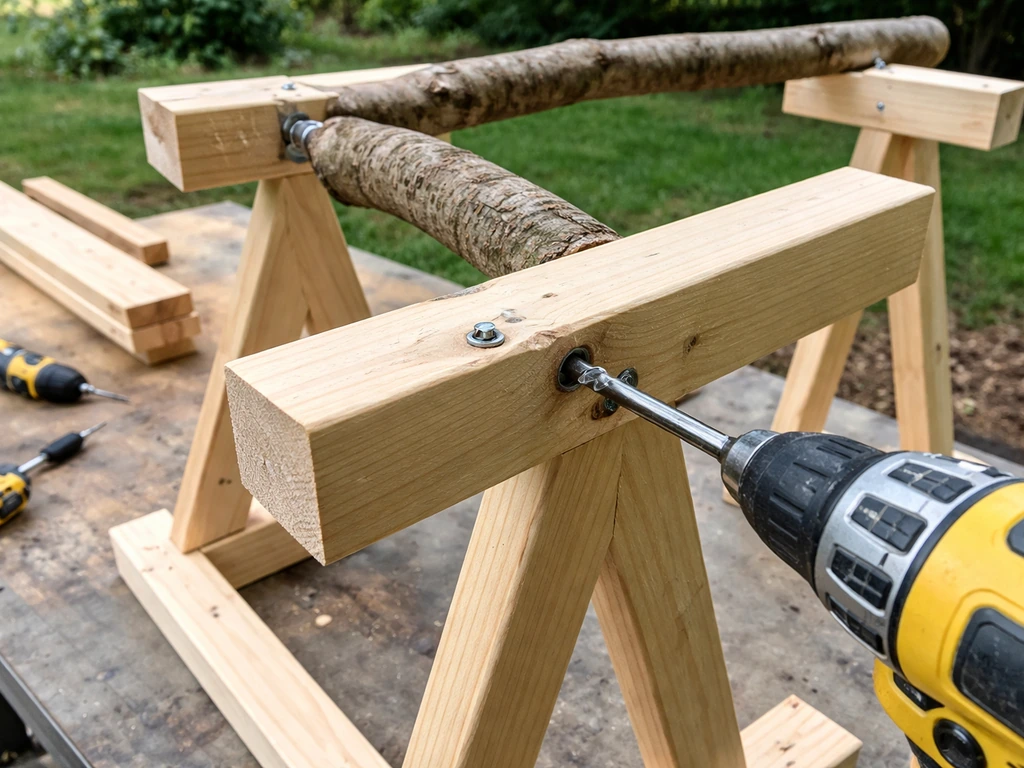
Start with a stable base. For a freestanding indoor or patio playground, a T-bar or A-frame made from 2x4 lumber works well for medium to large birds. For smaller birds, 1x2 lumber is plenty. Cut two side uprights to your desired height (typically 36 to 48 inches for an indoor pet bird setup) and join them at the top with a crossbar. Add a wide, flat base plate, at least 18x18 inches for stability, and attach the uprights to it with L-brackets and stainless steel screws. For outdoor use, you can sink a 4x4 post directly into the ground with concrete or use a post anchor to keep it removable and cleanable.
Attaching perches
Natural branches make the best perches because the irregular diameter forces birds to constantly adjust their grip, which exercises foot muscles and prevents joint problems. Aim for at least two different diameter perches: one thin enough that the bird's toes wrap about three-quarters around it, and one thick enough that the toes only wrap about halfway. For a budgie or small finch, that means roughly 0.5-inch and 1-inch diameter. For a cockatiel, think 0.75-inch and 1.5-inch. For a large parrot, 1.5-inch and 2.5-inch or wider. Drill a pilot hole slightly smaller than your stainless bolt diameter through the branch and into the frame upright, then secure with a bolt and washer. Don't rely on wood screws alone into branch ends, they pull out.
Making a ladder or ramp
A ladder is just two side rails with rungs spaced evenly between them. Cut two rails from 0.75-inch dowel or thin natural branch at the length you need, then drill evenly spaced holes (every 2 to 3 inches for small birds, every 3 to 4 inches for medium birds) and press-fit shorter 0.5-inch diameter dowel rungs through both sides. A small drop of bird-safe wood glue at each joint locks it without hardware. Sand all edges smooth and check every gap: your specific bird's head should not be able to fit through any opening in the ladder. If it can, the rung spacing is too wide. Hang the ladder at a 45-degree angle between two levels using screw-lock quick-links through a small hole drilled at each end of the rails.
Building a swing
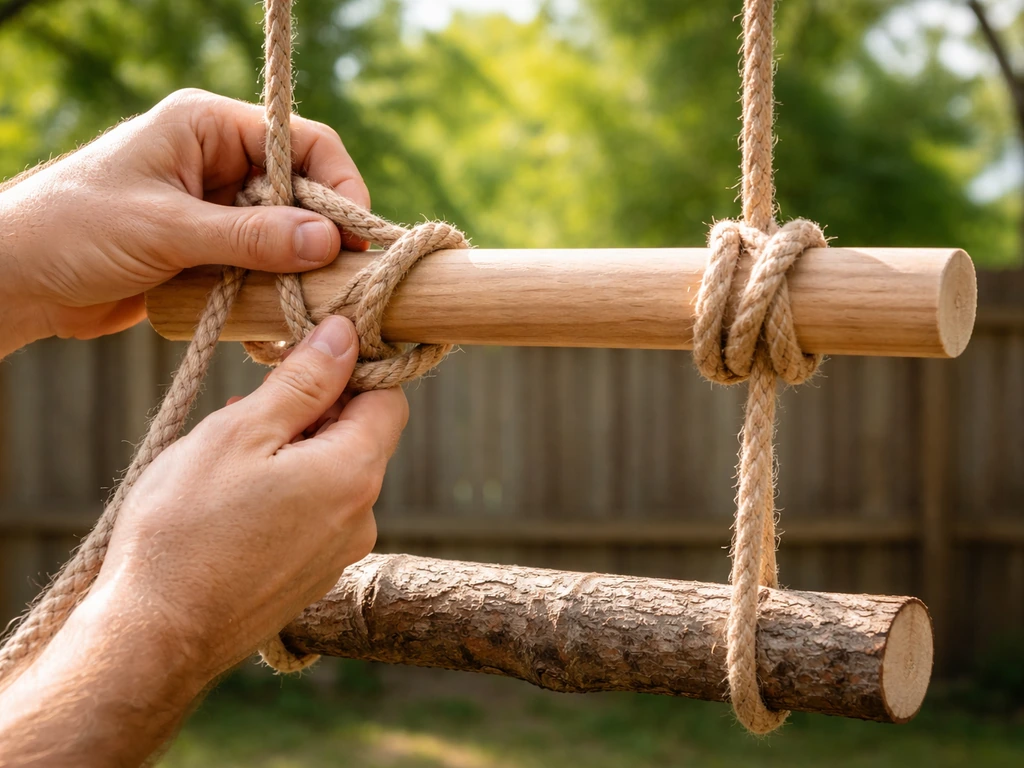
A basic swing is a single perch dowel (or natural branch) suspended by two ropes from a crossbar. Cut a perch at 6 to 8 inches wide for small birds, 8 to 12 inches for medium birds. Drill a small hole at each end of the perch. Thread a length of natural hemp rope through each hole and tie it off with a large overhand knot underneath so it can't pull through. Run both ropes up to a wooden bead or knot stop, then attach the rope ends to screw-lock quick-links on the crossbar. The swing should hang level and swing freely. Double-check that the rope ends are trimmed short, long dangling rope ends are a toe-entanglement hazard. If you want more ideas on swing design variations, the topic of how to make a bird swing goes into a lot more detail on suspension styles and perch shapes. If you want more detail, follow a step-by-step approach to how to make a bird swing with the right suspension style and perch shape for your bird.
Foraging and interactive toy stations you can make
Foraging stations are the most enriching element you can add, and they're also the easiest to make from repurposed materials. The concept is simple: hide food so the bird has to work to get it, mimicking natural feeding behavior. Here are a few options ranked from easiest to more involved.
- Paper cup forager: Fill a small paper cup with seeds, fold the top closed, and attach it to a perch with a piece of hemp rope through a hole punched in the side. The bird tears it apart to get to the food. Cheap, single-use, and highly effective for any species.
- Drilled log forager: Take a short 4 to 6 inch section of natural hardwood branch (apple or birch works well), drill 0.5-inch diameter holes at random angles around the outside, and pack them with seeds, dried fruit, or a soft treat. Mount the log horizontally on a bolt through the center. The bird climbs around it pecking out the food.
- Sliding bead puzzle: Thread a series of wooden beads and small cups onto a horizontal dowel mounted between two uprights. Some beads conceal food, some don't. The bird slides the beads along to investigate. Works best for larger, more curious species like conures or parrots.
- Shreddable basket: Weave a small open basket from untreated palm leaf strips (available from bird supply shops) and pack food inside. Hang it from a quick-link. Birds rip it apart over time, with the foraging effort lasting much longer than a simple dish.
- Vine ball with treats: Stuff a natural wicker or willow ball (the kind sold for rabbits works perfectly) with seeds, a few pellets, and dried herbs like chamomile. Hang it at beak height for the bird to investigate and manipulate.
Rotate foraging stations every few days so the bird doesn't lose interest. Move food to different positions, change the difficulty level, or introduce a new container format. Wild birds encounter constantly changing food sources, and captive or garden birds benefit from the same unpredictability.
Weatherproofing, anchoring, and hazard prevention
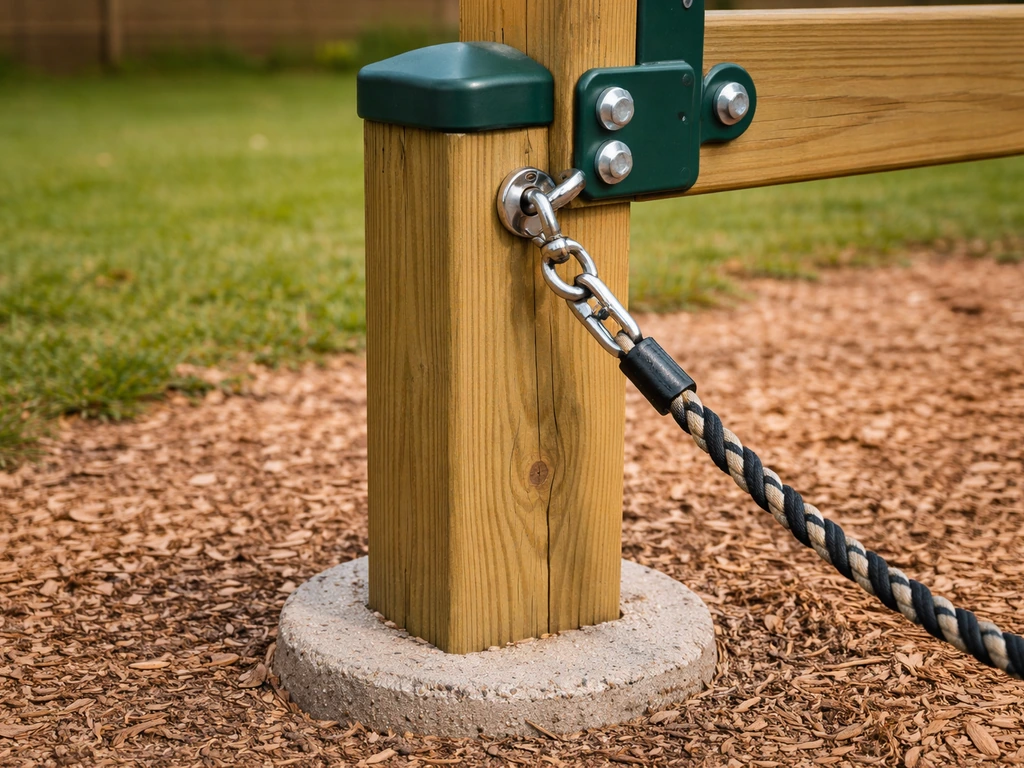
An outdoor playground takes a beating from rain, UV light, and temperature swings. The most important step is choosing wood that holds up or treating it properly. Cedar is often recommended for outdoor projects but is mildly toxic to birds if chewed, so stick with untreated pine or poplar and seal any exposed end grain with a thin coat of pure linseed oil. Avoid polyurethane or varnish finishes on any surface a bird can reach with its beak.
For outdoor anchoring, a 4x4 post set 18 to 24 inches into concrete gives you the most stability, especially in windy areas. If you want the structure to be movable (which makes cleaning much easier), use a removable steel post anchor driven into the ground and bolt the post to it with stainless bolts. Check the anchor monthly, soil shifts, especially after heavy rain, and a leaning structure can trap or injure a bird.
Predator prevention deserves real attention. Cats can reach a bird on a low perch in seconds. Keep the lowest perch at least 4 feet off the ground for backyard songbirds, and consider adding a smooth metal collar or cone around the post to prevent climbing. For pet birds used on an outdoor patio playground, never leave them unsupervised, even large birds can be harassed or injured by a determined cat.
For indoor setups, anchor the base to the floor with non-slip rubber feet at minimum. For larger structures or heavier birds, use L-brackets to attach the frame to a wall stud or use a weighted base with sandbag inserts. A structure that tips over when a large bird lands hard on one side is a serious injury risk.
Do a full hardware inspection every time you assemble the playground. Tighten every screw-lock quick-link, check for any screws that have worked loose, and look for sharp edges where wood has cracked or splintered. Run your hand over every surface the bird will land on. If it snags your palm, smooth it with sandpaper before the bird touches it.
Maintenance, cleaning, and tuning it for your birds
A playground that isn't cleaned regularly becomes a bacterial and fungal hazard. Establish a simple routine from day one rather than letting buildup accumulate.
| Task | Frequency | Method |
|---|---|---|
| Remove droppings from perches and platforms | Daily (or every 2 days) | Scrape with a stiff brush, wipe with plain warm water |
| Wash food and water dishes | Daily | Hot water and unscented dish soap, rinse thoroughly |
| Deep clean perches and wooden surfaces | Weekly | Diluted white vinegar (1:1 with water), scrub, rinse fully, air dry completely before birds return |
| Inspect all hardware | Weekly | Tighten quick-links, check for loose screws or cracks in wood |
| Replace worn rope or frayed elements | When fraying starts | Cut and replace immediately — frayed fibers are entanglement risks |
| Full disinfection of frame and components | Monthly | Use a bird-safe disinfectant, follow the contact time on the label, rinse thoroughly, and allow to fully air dry before reintroducing birds |
On the full monthly disinfection: choose a product specifically labeled as safe for use around birds. Whatever disinfectant you use, follow the contact time on the label exactly, then rinse every surface that could be mouthed or touched. Allow everything to dry completely before the birds come back. Disinfectant residue and fumes in an enclosed space are genuinely harmful to birds' respiratory systems. For safe re-occupation after disinfection, Merck Veterinary Manual cautions that disinfectant fumes can be harmful and emphasizes that selection and use matter, including rinsing some disinfectants after the stated contact time Disinfectant residue and fumes in an enclosed space are genuinely harmful to birds' respiratory systems..
Adjusting for different bird species
Small songbirds and finches prefer tight, well-protected perch arrangements with thin diameter branches and perches spaced close together. They're nervous birds by nature, so include visual breaks, small wooden dividers or clusters of hanging elements, so they feel less exposed. Keep ladder rungs no more than 2 inches apart so small feet don't slip through.
Medium birds like cockatiels, lovebirds, and small conures are more adventurous and benefit from swings, foraging logs, and ladders between levels. They'll chew relentlessly, so prioritize replaceable foraging elements over permanent toys. A bird bench or flat platform at the top gives them a comfortable resting and preening area, similar in concept to how a dedicated bird bench is designed as a flat, easy-landing surface.
Larger parrots need sturdier everything. Thicker perch diameters (1.5 inches minimum), heavy-duty stainless hardware, and foraging challenges with more steps and more resistance. They'll destroy weaker materials quickly, which isn't necessarily bad, destruction is enriching, but the structure itself needs to hold up safely. Swings for large birds should use rope rated to at least 5x the bird's weight as a safety margin, attached with oversized quick-links.
For backyard wild birds, the adjustment is mainly about scale and exposure. Small birds like sparrows and chickadees want perches at multiple heights near cover. Larger corvids like jays benefit from more open platforms with puzzle-style foraging elements. A bird hammock or cozy enclosed rest spot can add a sheltered nook for any species that likes a more protected resting area. A cozy enclosed rest spot can be a great add-on when you want to make a bird cozy without compromising safety a bird hammock or cozy enclosed rest spot.
Start simple, then build on it
The best playground you can build today is a simple one that's safe and stable. Start with a post, two perches at different heights, one swing, and one foraging station. Get that working, watch how your birds use it, and add from there. A ladder between the perches, a second foraging element, a hanging toy cluster, each addition teaches you something about what your specific birds respond to.
Before you start buying materials, do three things: measure your space accurately, decide which species you're building for, and check whether your local area has any guidelines about outdoor bird structures (some HOAs or local councils have rules about permanent outdoor installations). None of that takes more than an afternoon, and it saves you from building something that's the wrong size, wrong material, or in the wrong place.
You absolutely don't need woodworking experience or a full tool kit to build a playground that birds will love. A drill, a saw, some sandpaper, and the right materials get you 90% of the way there. The birds are far less critical of your joinery than you'll be.
FAQ
What bird-safe materials should I avoid even if they look “natural”?
Skip any wood that’s been pressure-treated, painted, or stained. Also avoid varnish or polyurethane on any surface a bird can reach, since beaks can chew through cured coatings and inhale or ingest residues.
How can I tell if a perch diameter is the right fit for my bird?
Use the “toe wrap” check during testing. The thinner perch should allow toes to wrap about three-quarters of the way around, the thicker perch about halfway. If toes fully overlap or barely touch, swap to the next diameter instead of sanding it down.
How high should the highest perch be, and does placement matter indoors?
Place the highest perch as high as you can while keeping the bird safe to land and turn around. Indoors, prioritize a clear flight line to the perch, and keep the structure away from vents or fans where birds can get startled or overheat.
Can I reuse branches I find outdoors?
You can, but you must clean and inspect them first. Rinse off debris, remove any areas that look moldy or insect-damaged, and sand smooth. Avoid dead branches near roadsides that may have residue from vehicles.
How do I prevent rope and knots from becoming a chewing problem?
Give birds replaceable rope sections by using knots and rope ends that can be trimmed and re-tied. Do quick checks for fraying every few days at first, then weekly once you learn how aggressively your bird chews.
Are screw-lock quick-links actually necessary for swings and hanging toys?
They are recommended because birds can open standard clips through leverage and repeated contact. If you use quick-links, ensure they are screw-lock or secure-lock rated for the load, and re-check tightness before every session at the beginning.
What’s a safe way to size spacing on ladders and prevent foot slip-through?
Keep rung gaps small enough that a bird’s head and feet cannot pass through. For small birds, aim for rung spacing no more than 2 inches, then test with a careful “fit check” using your bird’s head silhouette against the ladder openings.
How often should I rotate or refill the foraging station?
For captive birds, change the station every few days and swap at least one variable each time (container type, food placement height, or difficulty). If your bird finishes in under a minute consistently, increase resistance by adding smaller openings or deeper hiding spots.
What cleaning routine is safest for indoor playgrounds?
Use a regular schedule, spot-clean daily if food is involved, and disinfect monthly with a bird-labeled product. After disinfection, rinse all contact surfaces and fully dry before returning the bird to avoid trapped fumes or residue.
Can I put a bird playground near windows or outside on a patio year-round?
Windows can be fine, but avoid direct heat loads and drafty airflow. Outdoors, protect from prolonged rain and UV damage, and plan for seasonal checks because anchors can loosen after freeze-thaw cycles or heavy storms.
How do I anchor an outdoor structure without creating a tipping or entrapment risk?
Use deep anchoring (such as a properly set post) or a removable anchor rated for stability. Keep the lowest functional perch well above ground for outdoor wild bird setups, and confirm the base cannot rock when a bird lands hard.
Should I supervise pet birds on outdoor playgrounds even if the structure is “secure”?
Yes. Outdoor safety changes quickly because cats, wildlife, and weather hazards can appear suddenly. Keep the bird supervised until you’re confident in your area’s predator situation and your structure’s stability after wind.
What if my bird ignores the playground after I build it?
Start simple and place familiar, preferred items at the correct height, usually with the best perch at the top. Also ensure the bird has a safe nearby landing zone (cover indoors or shrubs outside), since many birds won’t approach open areas at first.
Next Articles
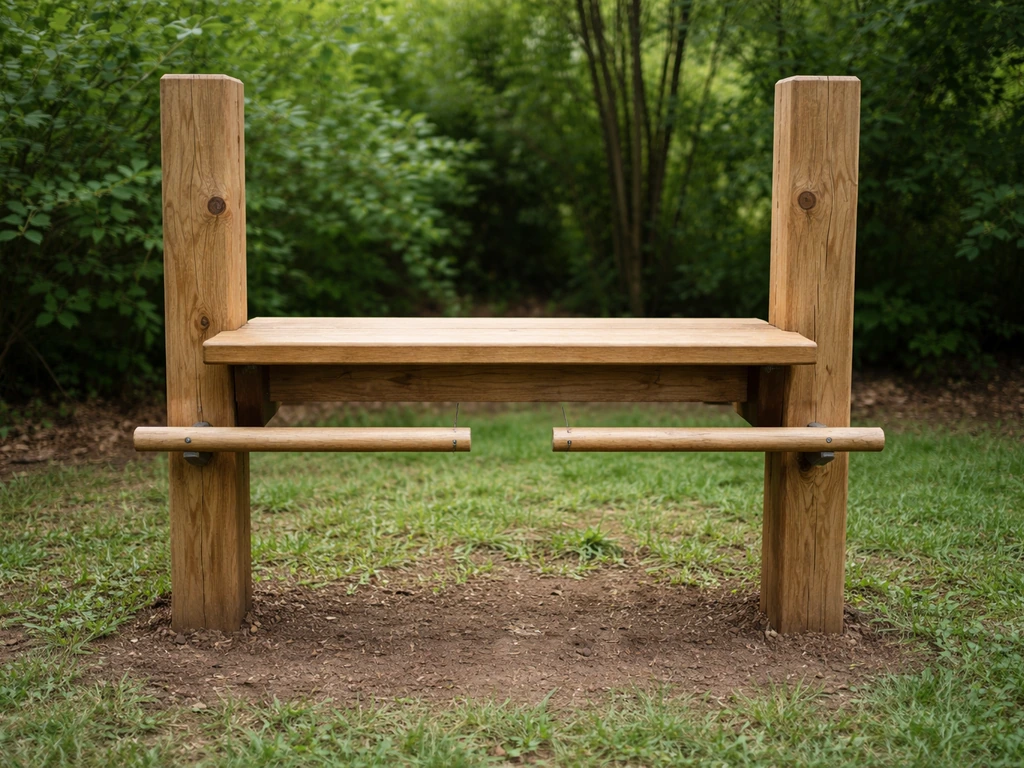
How to Make a Bird Bench: DIY Step-by-Step Guide
DIY guide to build a sturdy, bird friendly bench with safe materials, step steps, placement, and weatherproof finishing.
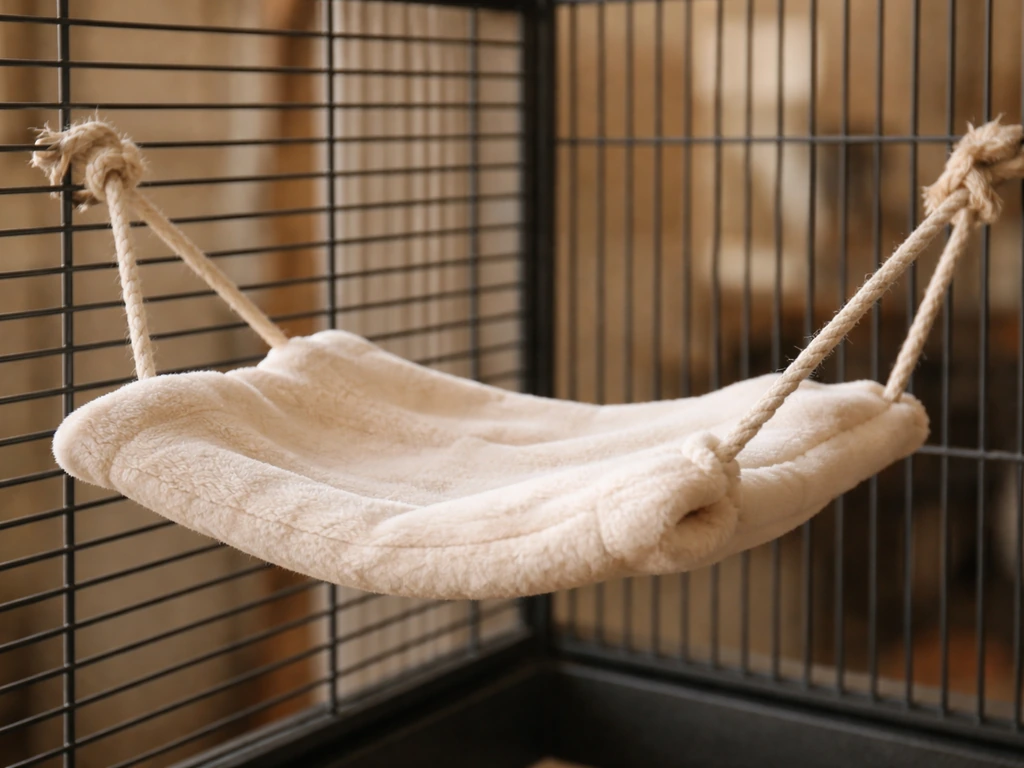
How to Make a Bird Hammock Step by Step DIY Guide
Build a safe bird hammock step by step: size, materials, knots, tension, mounting, outdoor vs indoor setup, and troubles
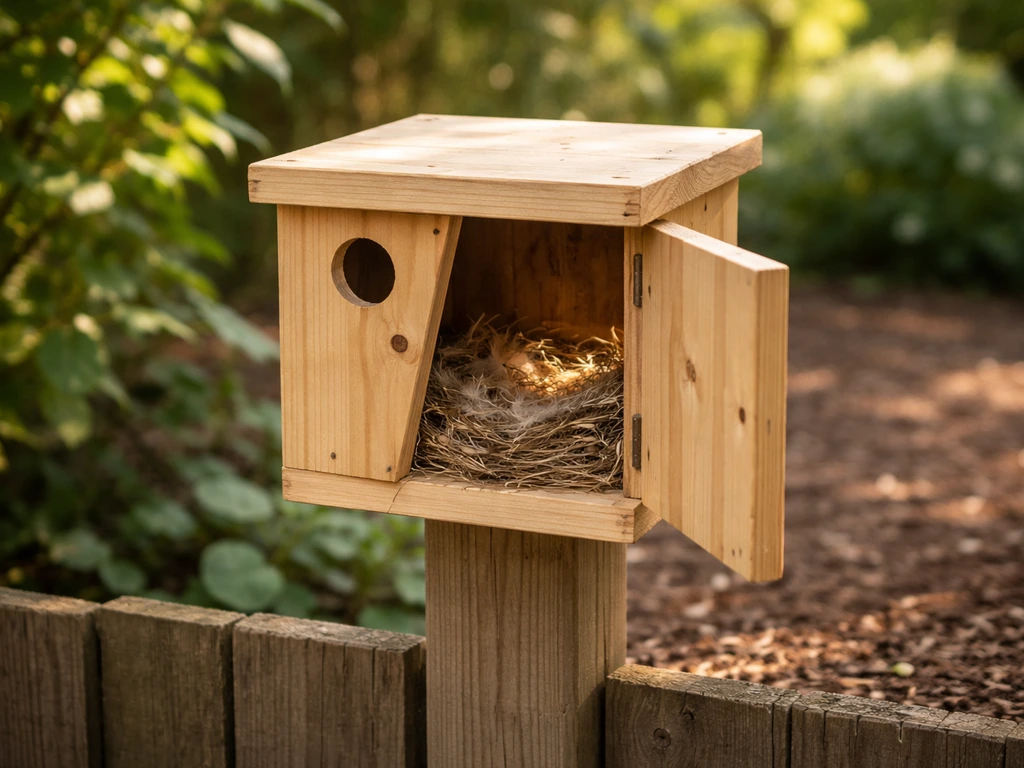
How to Make a Bird Cozy: DIY Shelter and Comfort Guide
Step by step DIY shelter, roosting and enrichment tips to keep backyard, nest, or pet birds safe, warm, and calm.