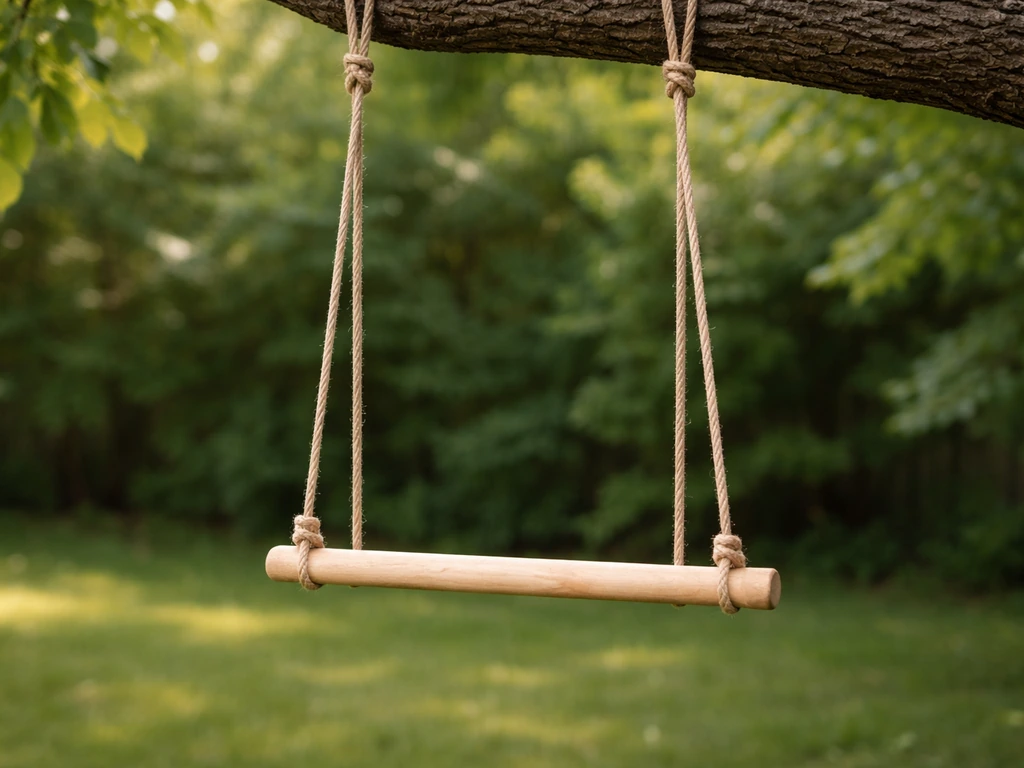
You can build a safe, functional homemade bird swing in under an hour using a wooden dowel, natural-fiber rope, and a stainless steel quick link. The key is matching the perch diameter to your bird's foot size, keeping ropes short to eliminate entanglement slack, and using only untreated wood and hardware that contains zero zinc or lead. Get those three things right and you'll have something better than most store-bought options.
How to Make a Homemade Bird Swing: DIY Guide
Marcus Thornton
4 May 2026
Choosing the right swing for your birds
Before you cut anything, decide what kind of swing you actually need. There are two main styles worth building: a simple perch swing (a single dowel or branch suspended by two ropes) and a hanging enrichment swing (a perch wrapped in sisal for grip and chewing, often with added natural elements dangling from it). The perch swing is purely about movement and balance. The enrichment swing adds stimulation for birds that like to chew, forage, and interact with textures.
For backyard setups meant to attract wild birds like finches, sparrows, or chickadees, a simple perch swing mounted near a feeder or in a sheltered spot works well. For pet birds in aviaries or cages, the enrichment swing earns its keep because it supports multiple natural behaviors at once: grasping, balancing, chewing, and playing. If you're housing or attracting medium birds like doves or small parakeets, either style works. For larger, more destructive chewers like cockatiels or conures, build the enrichment version and plan to replace rope wrapping regularly.
Materials, tools, and safe rope/wood choices
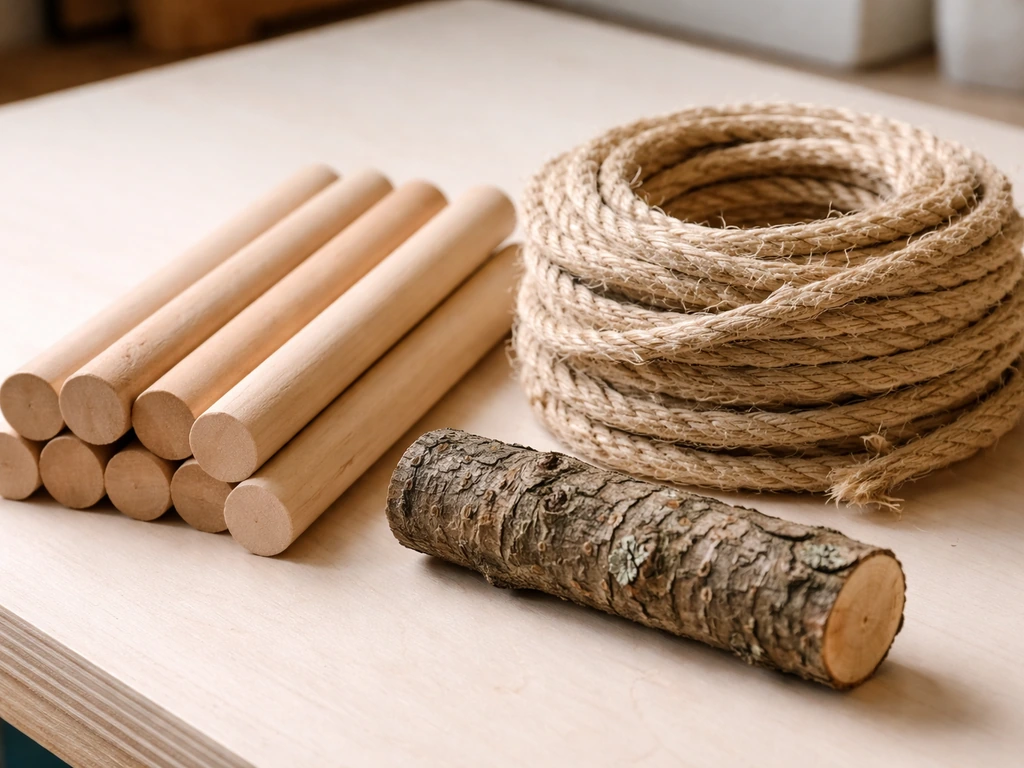
Getting the materials right is honestly the most important part of this project. I've seen people build swings from random hardware-store rope and whatever scrap wood was in the garage, and while they look fine, some of those materials are genuinely dangerous for birds. Here's what to use and what to skip.
Safe materials to use
- Wood: untreated hardwood dowels (birch, maple, or poplar work great), natural branches from non-toxic trees like apple, willow, or elm. Avoid treated lumber entirely since it can contain arsenic and other preservatives toxic to birds.
- Rope: tightly braided 100% natural fiber in sisal, hemp, jute, or untreated cotton. The braid needs to be tight, not loose or fluffy, because loose fibers fray faster and create entanglement and ingestion hazards.
- Hardware: stainless steel only. Quick links, eye screws, and S-hooks should all be stainless steel. Zinc and galvanized hardware is toxic to birds and should never be used, even for mounting points.
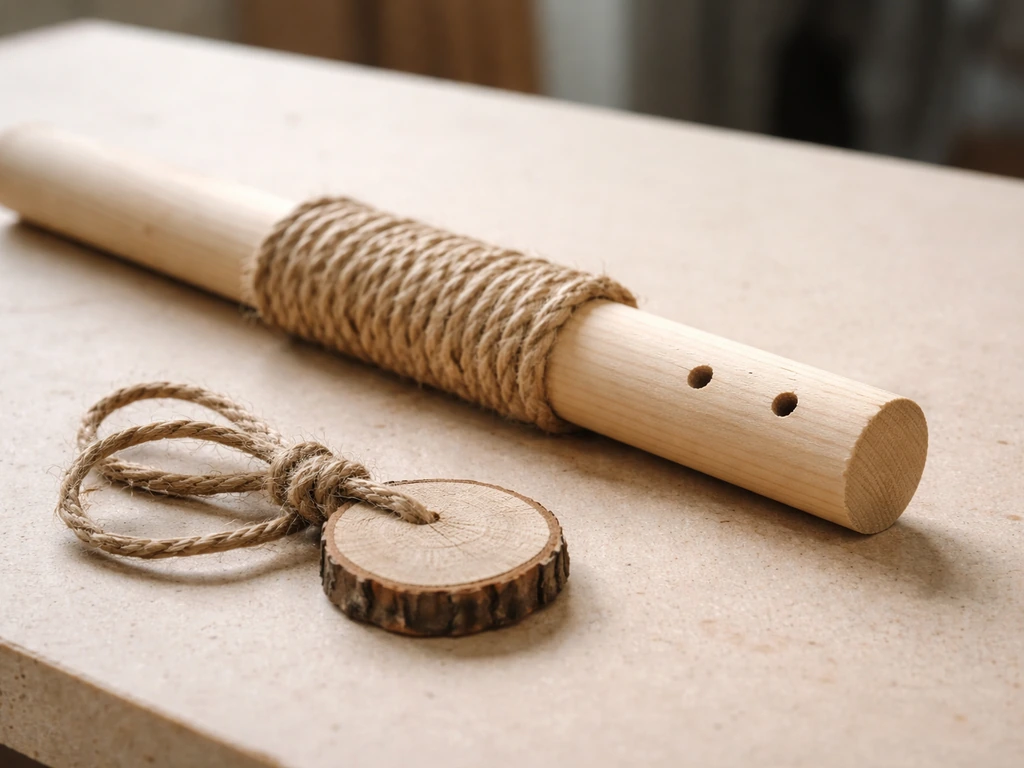
- Optional wrapping: natural sisal rope wrapped around the perch gives birds a non-slip grip and something to chew, exactly like the training perch designs used in bird clubs.
What to avoid
- Treated or painted wood of any kind
- Galvanized, zinc-plated, or lead-coated hardware
- Loose, fluffy, or frayed rope (even when new, some craft ropes are already dangerous)
- Very long rope segments with excess slack, which can loop around a bird's neck or leg
- Synthetic fibers like nylon or polyester, which can cause gut blockages if ingested
Tools you'll need
- Handsaw or miter saw (to cut dowel to length)
- Drill with a small bit (3/32" to 1/8" for pilot holes)
- Ruler or tape measure
- Lighter or candle (to seal rope ends and prevent immediate fraying)
- Scissors or utility knife
- Sandpaper (120 and 220 grit) to smooth cut ends
Step-by-step build options
Build 1: Basic hanging perch swing
This is the simplest version and a great starting point for beginners. It takes maybe 20 minutes once you have your materials.
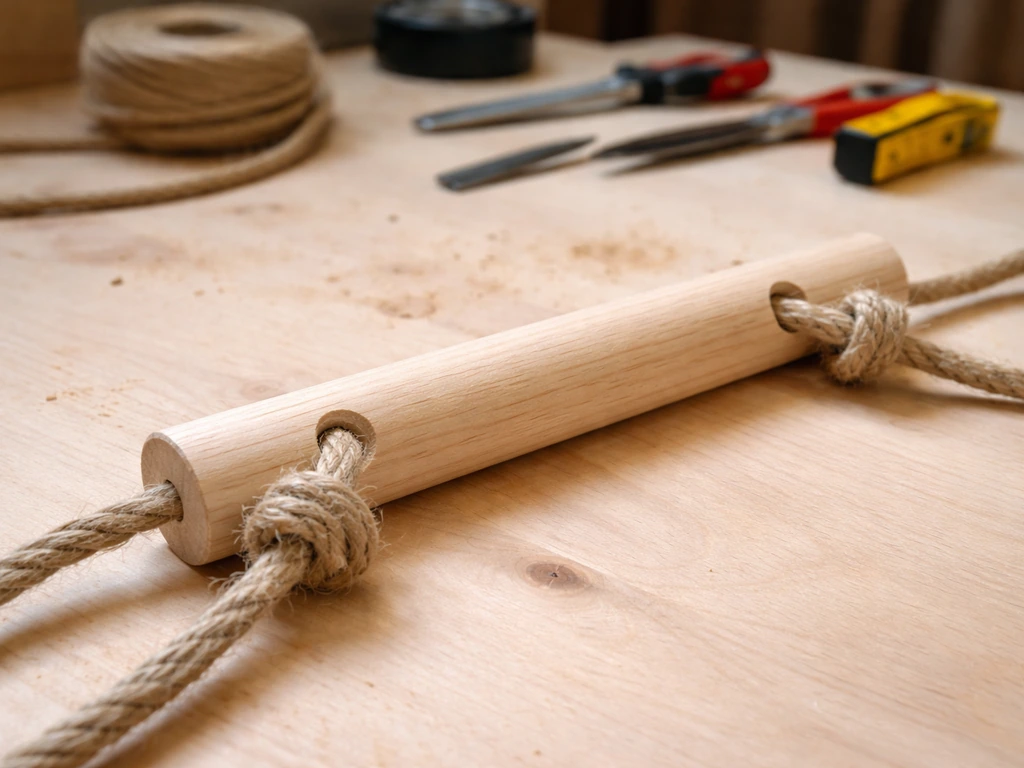
- Cut your wooden dowel to the width you need (see sizing section below for diameter and length by bird size). Sand both ends smooth with 120-grit, then finish with 220-grit so there are no splinters.
- Drill a small pilot hole about 1/2 inch from each end of the dowel, angled slightly downward. This is where your rope will thread through and it prevents the wood from splitting.
- Cut two equal lengths of natural-fiber rope. For a small bird swing, 6 to 8 inches per side is usually enough. Keeping the ropes short is a safety requirement, not just an aesthetic choice. The less slack available, the lower the entanglement risk.
- Thread one rope end through each pilot hole and tie a secure stopper knot (an overhand knot works, a figure-eight is more secure) underneath the dowel so the rope can't pull through.
- Bring both rope ends up and tie them together at the top with a secure knot, leaving just enough loop to attach a stainless steel quick link. Or tie each rope to a separate mounting point if you want a wider spread.
- Seal all cut rope ends with a quick pass from a lighter to stop fraying from day one. Don't burn the rope, just melt the end slightly.
- Attach the quick link to your hanging point and you're done.
Build 2: Enrichment swing with sisal wrap and hanging elements
This version adds a sisal-wrapped perch for grip and chewing, plus optional natural attachments like cork pieces, palm fronds, or dried wood slices. It takes about 45 minutes and is especially good for pet birds in cages or aviary setups.
- Start with the same dowel prep as Build 1 (cut, sand, drill pilot holes at each end).
- Cut a long piece of sisal rope (enough to wrap the entire length of the dowel). Starting from one end, wrap the sisal tightly around the dowel in a close spiral, leaving no gaps. Each wrap should butt right up against the previous one.
- When you reach the other end, tie off the sisal under the dowel and trim the excess. A drop of bird-safe glue (plain white PVA works) on the knot helps hold it, but honestly a tight double-knot is usually enough.
- Thread your two hanging ropes through the pilot holes as in Build 1 and tie stopper knots beneath the dowel.
- If you want to add hanging elements, do it now: thread a short piece of sisal (no more than 2 to 3 inches long) through a cork piece or small wood slice and tie it to the center of the dowel. Keep all hanging attachments very short to prevent entanglement.
- Bring both hanging ropes to a central top point and attach a stainless steel quick link.
- Seal all rope cut ends with a lighter pass.
One thing I learned the hard way: don't add too many hanging bits. The first enrichment swing I made looked great but had six or seven little dangling pieces, and it turned into an entanglement nightmare. Two or three small elements, maximum, and keep every piece of dangling rope under 3 inches.
Attaching, mounting, and balancing for stability
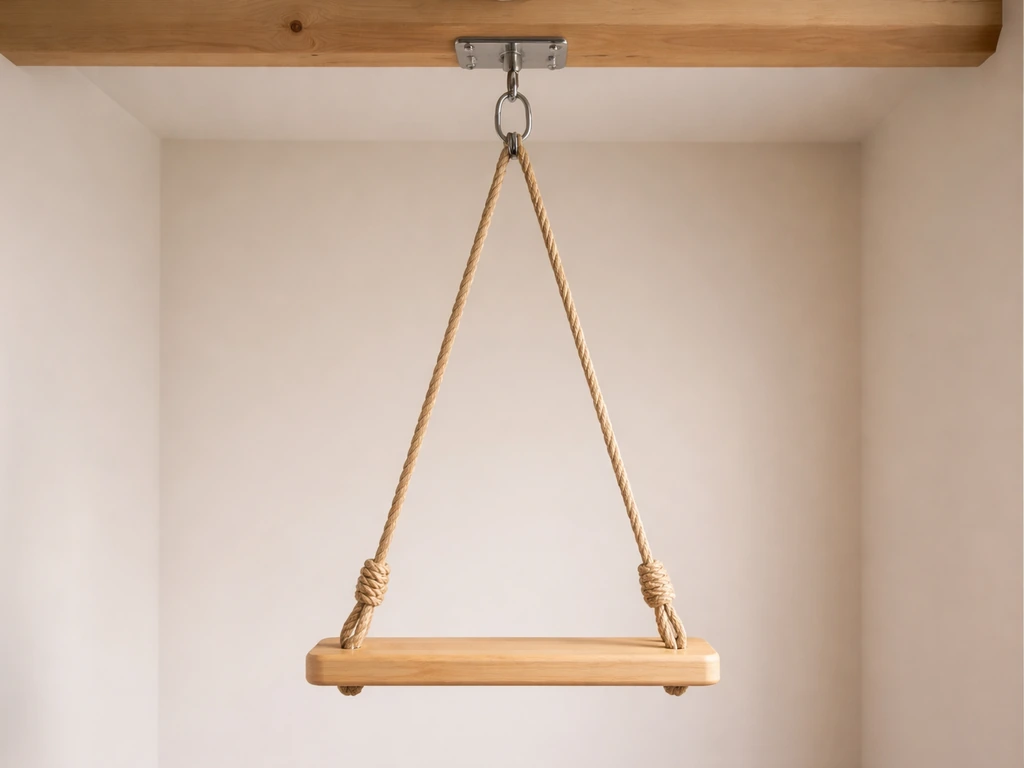
How you hang the swing matters as much as how you build it. A poorly mounted swing that spins uncontrollably or tips to one side creates stress for the bird and increases fall risk.
For balance, the two side ropes need to be exactly equal in length. Measure both before tying. Even a half-inch difference will tilt the dowel, especially with a heavier bird on it. If you're using a single central rope from a top-tied point, the balance is naturally better but the swing is less stable side-to-side.
For the attachment hardware, use stainless steel quick links rather than split rings or dog-clip style attachments. Split rings and spring clips can trap a beak or toe, which is a genuinely serious injury risk. A quick link that you manually open and close has no pinch points and is much safer. Avoid S-hooks unless the ends are fully closed with pliers, since an open S-hook can snag a leg easily.
For indoor cage or aviary mounting, most cage tops have horizontal bars you can wrap a quick link around. Thread it through a bar, attach the swing's loop, and close the link. Make sure the swing hangs far enough from the cage walls that the bird won't bang into bars while swinging. A minimum of 3 to 4 inches clearance on each side is a reasonable starting point.
For outdoor mounting, use a stainless steel eye screw in a solid wood beam, branch, or post. Pre-drill a pilot hole slightly smaller than the screw's core diameter to prevent splitting the wood. For a garden post or pergola, an eye screw rated for at least 10 to 15 lbs is more than enough for any small or medium bird swing.
Sizing, placement, and enrichment tips by bird type
Perch diameter is one of those details that sounds fussy but genuinely affects bird health. A perch that's too thick means the bird can't wrap its toes around it properly and may slip. Too thin and pressure concentrates on a small area of the foot, which over time contributes to pododermatitis (bumblefoot). You want the bird's toes to wrap about two-thirds of the way around the perch.
| Bird Type | Dowel Diameter | Dowel Length | Rope Length Per Side | Notes |
|---|---|---|---|---|
| Small wild birds (finches, sparrows, wrens) | 3/8" to 1/2" | 6 to 8 inches | 5 to 7 inches | Lightweight build; keep total weight low |
| Budgies, small parakeets, canaries | 1/2" to 5/8" | 8 to 10 inches | 6 to 8 inches | Sisal wrap adds traction; good chewers |
| Cockatiels, lovebirds, doves | 3/4" to 1" | 10 to 12 inches | 7 to 9 inches | Enrichment build recommended; replace sisal regularly |
| Conures, small parrots | 1" to 1.25" | 12 to 14 inches | 8 to 10 inches | Heavy chewers; inspect weekly |
| Medium parrots (African Greys, Amazons) | 1.25" to 1.5" | 14 to 16 inches | 10 to 12 inches | Use thicker braided sisal; sturdy hardware essential |
Outdoor placement for wild birds
For backyard or garden swings meant to attract wild birds, height is your biggest placement variable. Hanging the swing at around 5 to 6 feet off the ground keeps it out of easy reach for cats and most ground predators while still being visible and accessible for small birds. Position it near natural cover like shrubs or trees so birds have a quick escape route, but not so close to dense foliage that predators can hide immediately adjacent. Avoid placing it in direct afternoon sun if you're in a warm climate, and make sure it's sheltered from prevailing wind where possible.
Indoor placement for pet birds
In a cage or aviary, hang the swing in the upper third of the space where birds naturally prefer to perch. Leave room for the bird to step on and off without bumping other perches or cage walls. Avoid placing the swing directly over food and water dishes, since birds will inevitably deposit waste from above. If you're building a more elaborate enrichment setup, you might look at combining a swing with a bird gym structure or play stand, which expands the activity zone significantly. If you want to add more than one activity at a time, you can adapt the same safe materials and hanging methods to create a bird playpen too bird gym structure or play stand. Once you have the swing working, you can apply the same DIY mindset to bird play gyms instructions for a bigger, more engaging setup combining a swing with a bird gym structure or play stand.
Matching the swing to the bird's personality
Perching birds that are calm and observational (many finches, doves, canaries) do well with the simple perch swing because they enjoy resting on a slightly moving surface. More active, curious, or destructive birds (cockatiels, conures, lovebirds) need the enrichment version with things to chew and interact with. If your bird ignores the swing at first, try moving it to a different location or swapping out the hanging elements for something that smells more interesting, like a fresh untreated wood slice.
Safety checks, cleaning, and keeping it lasting
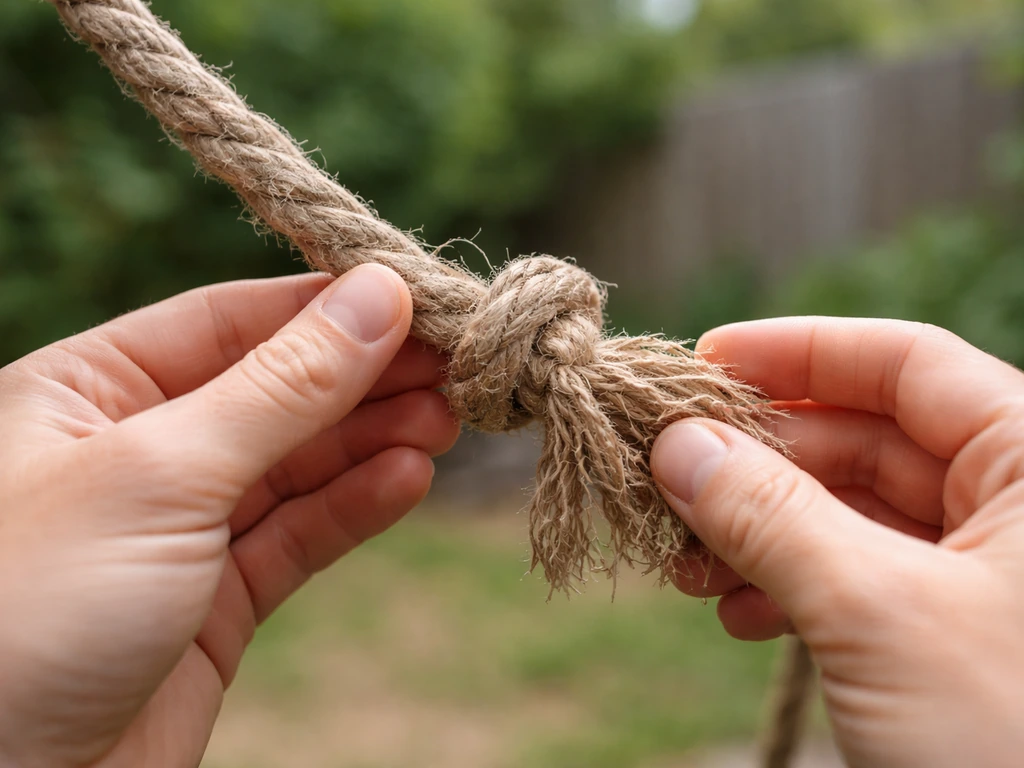
A homemade swing needs regular inspection, especially if you have a bird that chews aggressively. The rope is always the first thing to go, and that's not a problem as long as you catch it early.
What to inspect and how often
Check the swing every week if you have a chewing bird, every two to three weeks for calmer birds. The things you're looking for are rope fraying (any loose fibers sticking out), hardware looseness (give the quick link and any eye screws a firm twist to confirm they're tight), wood cracks or splinters, and knots that have shifted or loosened. The moment you see rope fibers starting to separate or fray, either trim those ends back with scissors and seal them with a lighter, or replace the rope entirely. Don't wait. Fraying rope creates exactly the kind of loose strands that can wrap around a toe or leg and cause a serious injury.
Cleaning the swing
For the wood dowel, wipe it down with warm water and a small amount of plain dish soap, then rinse thoroughly and let it dry completely before returning it to the cage or outdoor setup. Don't soak the wood and don't use chemical disinfectants or bleach directly on rope or untreated wood. For the sisal wrapping on an enrichment swing, if it gets soiled or smelly, the easiest option is to replace the sisal wrap entirely since it's inexpensive and quick to re-wrap. Trying to clean saturated natural rope rarely works well and the fibers stay damp and can grow mold.
When to retire the whole swing
If the wood dowel has deep cracks, persistent splinters after sanding, or has been heavily chewed through, replace it. A cracked dowel can pinch a toe or fail under a bird's weight. If the hardware shows any rust, discard and replace with new stainless steel. Hardware rust means the coating or material wasn't actually stainless, and a corroding quick link or eye screw can fail without warning. The beauty of a homemade swing is that the materials cost almost nothing, so replacing a worn component every few months is no big deal. I keep a small stock of dowel offcuts, rope, and spare quick links on the workbench so I can swap parts in five minutes whenever something looks worn.
A quick safety checklist before you hang it
- All rope ends are sealed (no loose fibers)
- All knots are secure and double-checked by pulling firmly
- Rope lengths are short enough that there's no slack the bird could loop around its neck or leg
- Hardware is stainless steel with no zinc, galvanized coating, or rust
- Wood is smooth with no splinters on any edge or cut end
- The swing hangs level (equal rope lengths on both sides)
- Clearance from walls, bars, and other perches is adequate for the bird's wingspan
Building a bird swing is one of the most satisfying quick projects in this whole space, partly because the result is immediately usable and partly because you'll see the bird on it within hours if you get the placement right. Once you've got the basic swing down, it's natural to start thinking about expanding into a full bird gym setup or even a play stand where the swing is just one component of a larger enrichment structure. To build a bird tent instead, you can adapt these same safe rope and wood choices and focus on a sturdy, chew-resistant frame with secure ties. To turn this into a bigger activity area, you can also learn how to make a bird gym with the same safe rope, hardware, and positioning choices. The skills and material choices carry over directly, so each project you build makes the next one faster and better. If you want something even more comfortable for resting and foraging, learn how to make a bird bed as your next DIY upgrade.
FAQ
How do I prevent a homemade bird swing from twisting and hitting cage bars or walls?
Plan your spacing so the perch can rotate freely without the bird hitting the mount. For cage tops, use extra clearance beyond the side gap (aim for at least 3 to 4 inches from both the cage wall and any cross bars), then confirm the swing does not scrape the bars when you gently swing it by hand.
What should I do if I cannot find a dowel the exact diameter for my bird’s foot size?
If your bird has very small feet, choose a perch diameter that allows toes to wrap about two thirds of the way. If you cannot size the dowel perfectly, use a slightly thinner dowel and add grip with a sisal wrap (for the enrichment version) instead of trying to force a thick perch.
Can I attach extra toys directly to the rope, or should everything attach to the perch/hardware?
Use the quick link to connect the swing loop, not the rope itself. If you want to add attachments, keep dangling material tied to the perch or secured to the swing’s main loop, and avoid any loose knots that can loosen over time with chewing.
How do I finish rope ends so they do not unravel or snag a toe?
Yes, but only if you create a “no snag” finish on the rope ends. Trim fibers cleanly, then seal the cut end so it cannot unravel, and double check that there are no long loose fibers that could wrap around toes.
Where is the safest place to hang the swing inside a cage so it does not contaminate food or water?
For indoor cage setups, choose a location where droppings from above will not land on the perch or food, then rotate the swing position if you notice buildup. Birds will often choose to perch where they like to watch, so adjust placement based on where they actually spend time, not just where you think they will.
How much empty space should I leave around the swing for safe stepping on and off?
Do not place the swing directly over or immediately beside a branch or perch the bird must step across to use the swing, because it increases collisions when they jump on and off. Leave a clear step-on area and ensure the bird can land on the perch without bumping other structures.
My bird keeps slipping off the perch. How can I troubleshoot the build?
If the bird grips the perch but then slips repeatedly, stop and adjust immediately. The most common fixes are switching to a correctly sized perch, tightening or replacing the sisal wrap (enrichment swings), and ensuring the ropes are equal length so the perch does not tilt and create uneven pressure on the feet.
How can I test the swing setup for stability before letting my bird use it?
Test tension and swing amplitude before introducing the bird by gently pushing the perch to confirm it swings smoothly without spinning uncontrollably. If it rotates too much, shorten or re-tie the setup so the two sides stay level and the quick link and loop remain aligned.
What do I do if my bird never uses the homemade swing?
If the bird ignores the swing, change one variable at a time. First, try a new mounting location (near natural cover outdoors, higher and near preferred perches indoors), then swap dangling enrichment elements to simpler items within your 2 to 3 element limit, and ensure the materials have no strong chemical smell.
How should I care for and inspect an outdoor bird swing after rain or dusty weather?
Stainless hardware helps, but outdoor setups still need periodic checks after weather. Rinse off salt spray, pollen, or mud, dry thoroughly, and inspect more often after heavy rain, since grime can hide early rope fraying or loosen knots.
Next Articles
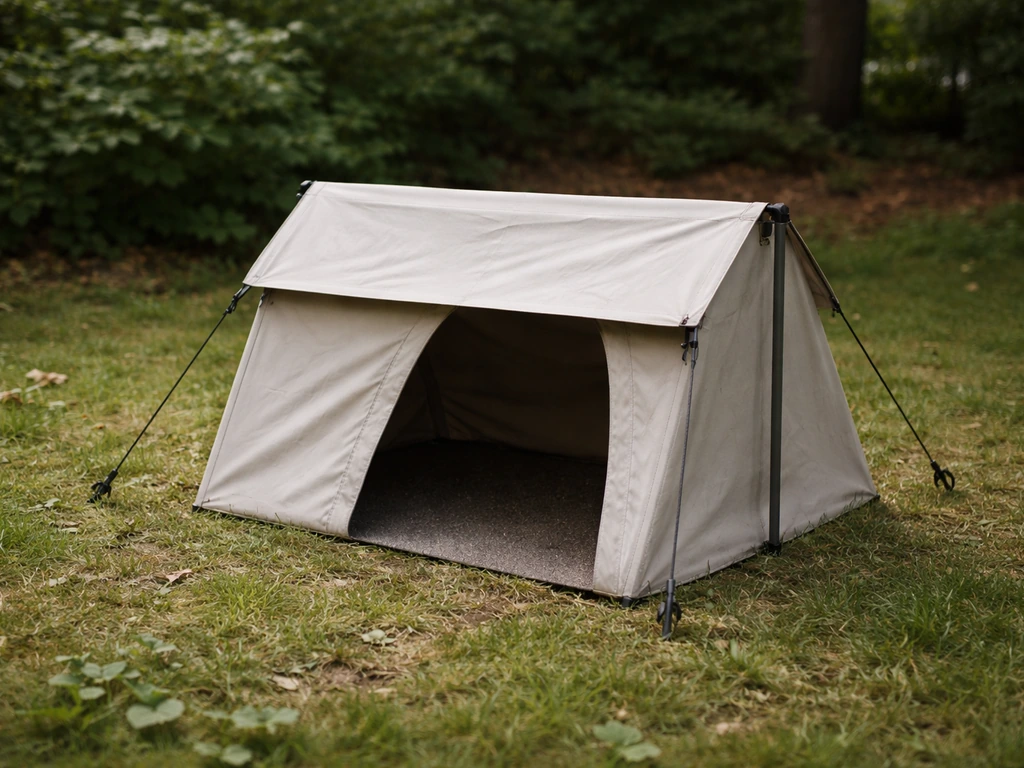
How to Make a Bird Tent: DIY Steps, Materials, Sizing
DIY bird tent guide with materials, sizing, step-by-step builds, weatherproofing, safety, and placement for backyard bir
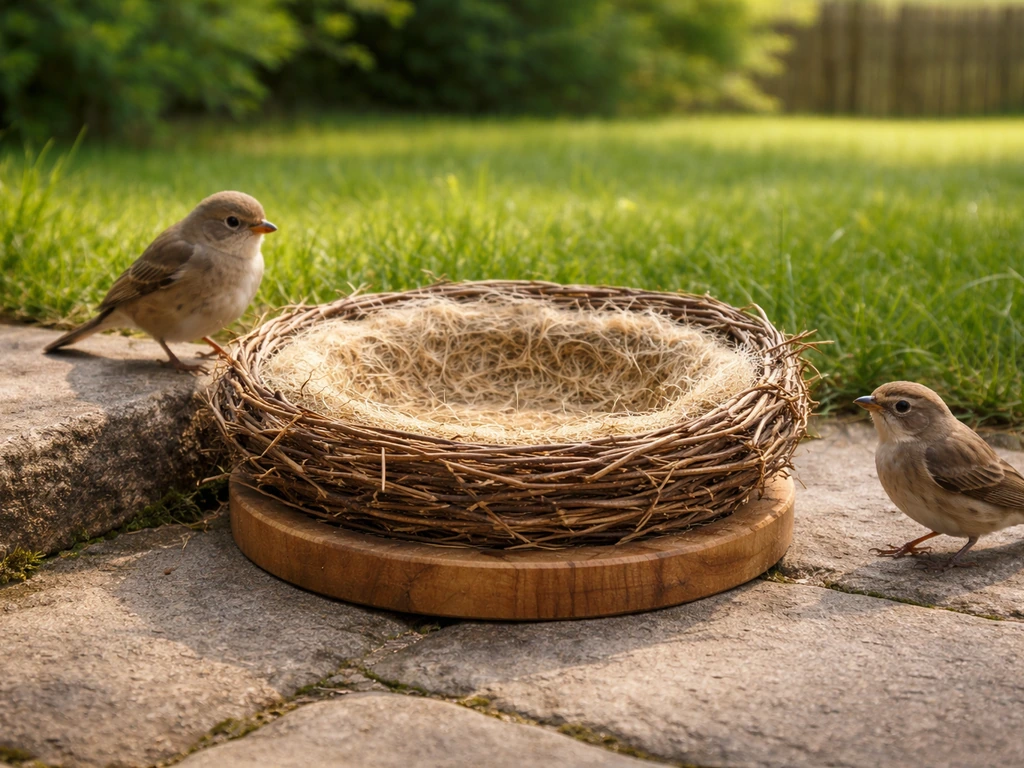
How to Make a Bird Bed: DIY Nest Bed and Resting Platform
DIY bird bed step-by-step: build a nesting nest bed or simple washable resting platform with safe, weatherproof material
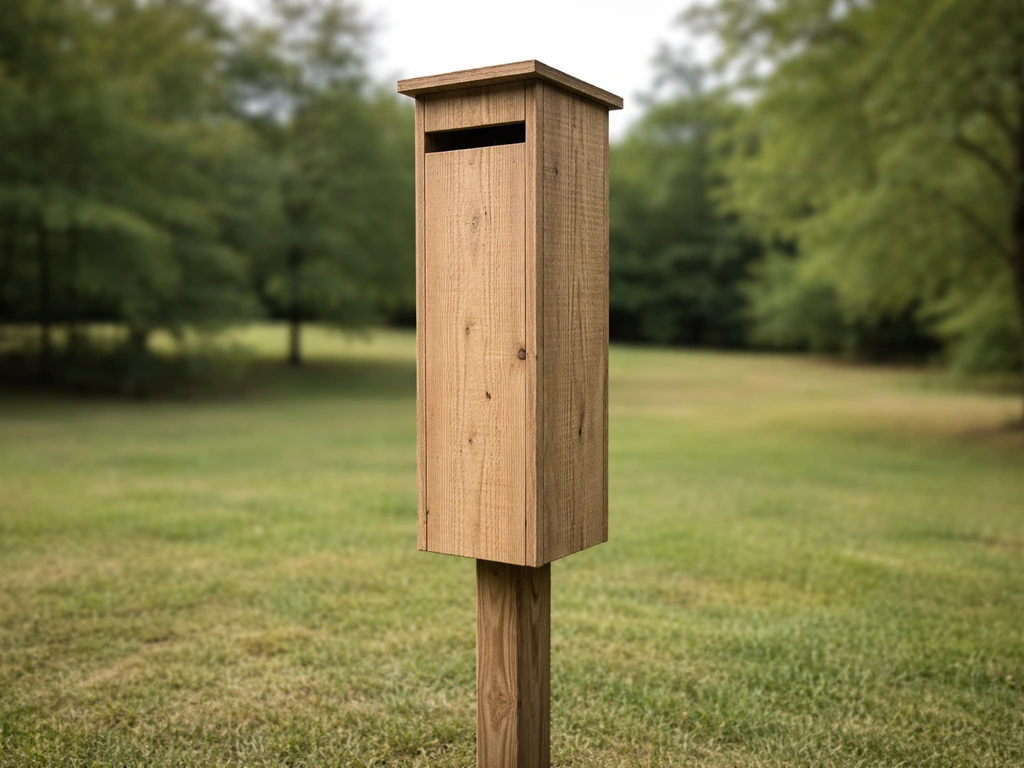
How to Build a Chimney Swift Bird House DIY Guide
Step-by-step DIY plans to build a chimney swift bird house, with correct dimensions, placement, and weatherproofing for