You absolutely can build a bird-friendly nesting setup from waste materials sitting in your garage or recycling bin right now. The honest answer is that you probably won't be hand-shaping a nest and watching a robin move in, birds are picky architects and most species insist on building their own cup or cavity. But what you can do, today, with scrap wood, cardboard, a plastic bottle, or leftover natural fibers, is build a nest box, a nesting platform, or a nesting material holder that gives local birds a safe, ready-made home base. That's the real goal here, and it's genuinely achievable with basic tools and stuff most people throw away.
How to Make a Bird Nest With Waste Material Safely
Marcus Thornton
11 Apr 2026
What 'making a bird nest' actually means for a DIYer
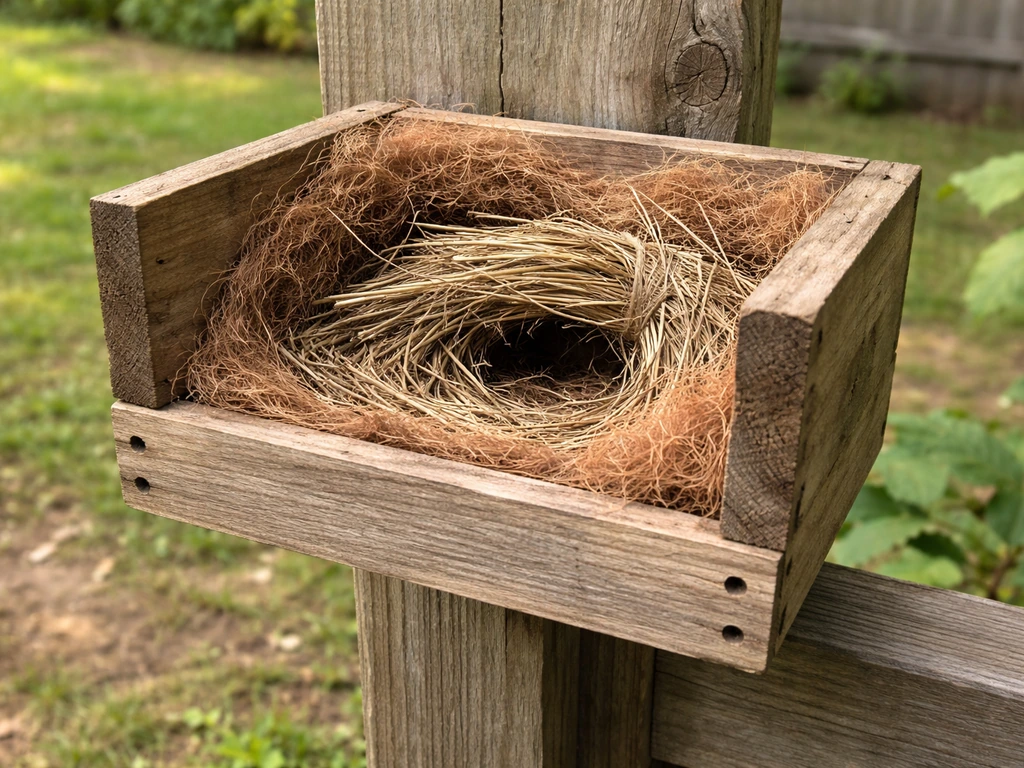
When most people search for how to make a bird nest from waste material, they're picturing one of three things: a structured nest box (an enclosed cavity birds move into, like a birdhouse), an open nesting platform (a flat or cupped shelf for species like robins or doves that prefer open sites), or a nesting material station that holds loose fibers and fluff so birds can pull it apart and build their own nests nearby. All three are real, useful projects. According to Cornell Lab of Ornithology, many species use nest boxes precisely because they mimic natural tree cavities, while other species prefer platform-style or cup-shaped open nests. Understanding which structure fits your local birds is step one.
A nest box is the most versatile and protective option for most backyards. It keeps eggs and chicks sheltered from weather and predators in a way an open platform can't. Cornell Lab also notes that cup nests leave eggs and chicks more exposed without a domed roof, which is worth keeping in mind if you live somewhere with heavy rain or active predators like cats and squirrels. If you're building for a specific species like a cockatiel, the setup changes a little, you can read more about that in this guide on how to make a cockatiel bird nest box, which covers species-specific dimensions in detail.
Waste materials that are safe, and ones birds will actually use
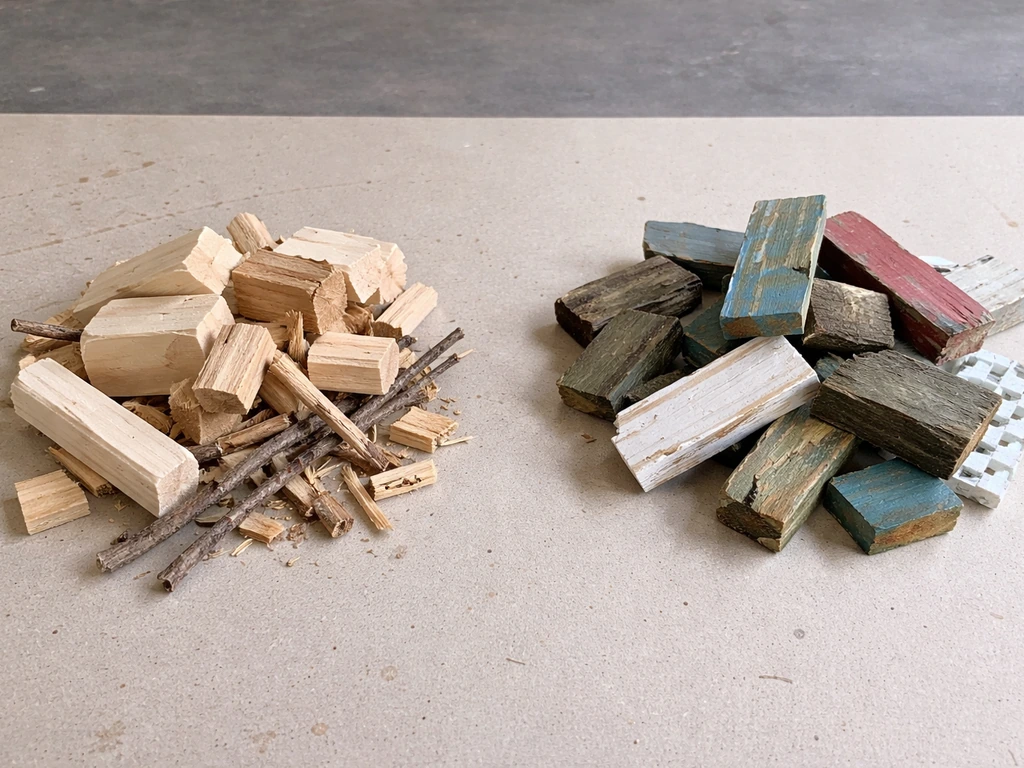
Not every scrap in your garage is bird-safe. Some common 'eco-friendly' offerings are genuinely dangerous. Here's how to sort the good from the bad before you start building.
Safe waste materials to use
- Untreated scrap wood (pine, cedar, plywood) — the most reliable structural material for nest boxes and platforms. Avoid pressure-treated or painted/stained offcuts.
- Dry, chemical-free grass clippings or straw — good nest lining material if you know the lawn has not been treated with weed killers or fertilizers in the past several weeks.
- Twigs, small sticks, and bark strips — natural nest substrate that many species actively seek out.
- Dried moss collected from your yard — birds use this widely; just make sure it's fully dry before placing it out.
- Clean cardboard — a surprisingly workable building material for simple nest cups or base structures; see the full approach in this article on how to make a bird nest with cardboard.
- Clean plastic bottles (free of chemical residue) — an excellent frame for an enclosed nest structure with very little waste.
- Natural cotton fibers from old clothing (unbleached, undyed preferred) — safe in short lengths under 4 inches.
- Shredded paper (plain, uncoated, no glossy magazine pages) — works as nest lining inside a box.
Materials to avoid completely
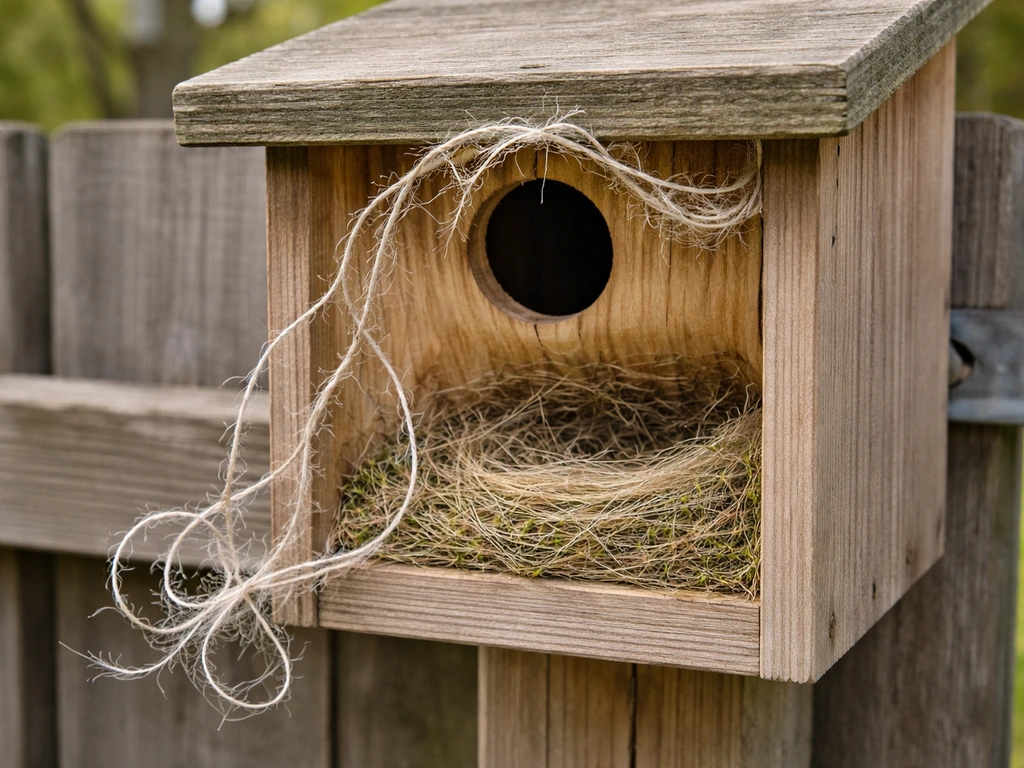
The U. S. Fish and Wildlife Service warns explicitly that string, twine, and yarn can wrap around birds' legs and necks, cutting off circulation and potentially causing death. The Forest Preserve District of Will County adds plastic strips, aluminum foil, cellophane, and dryer lint to the 'never offer' list.
The Will County Forest Preserve District also specifically warns against leaving certain nesting materials out for birds, listing items that should never be offered such as human hair, dryer lint, yarn, string, tinsel, plastic strips, aluminum foil, and cellophane leaving certain nesting materials out for birds, including dryer lint, yarn, string, tinsel, and plastic strips. Dryer lint might seem harmless, but it contains synthetic fiber residue and loses structure when wet, potentially trapping nestlings.
Pet fur is risky too, if your dog or cat was recently treated with flea or tick medication, those chemicals transfer to the fur and then to the birds. MyGardenLife specifically flags pesticide-treated grass as a nesting material hazard. Avoid anything with sharp edges, chemical residue, or synthetic stretch, the rule of thumb is: if you wouldn't put it in a baby's crib, don't put it in a bird nest.
Step-by-step: building a nest box from scrap wood
This design is a basic enclosed nest box that works for small cavity-nesting species like chickadees, wrens, and nuthatches. It uses a single piece of scrap lumber or plywood (a standard 1x6 board about 5 feet long is ideal) and requires only basic hand tools. The design can be adjusted in size for larger species.
What you'll need
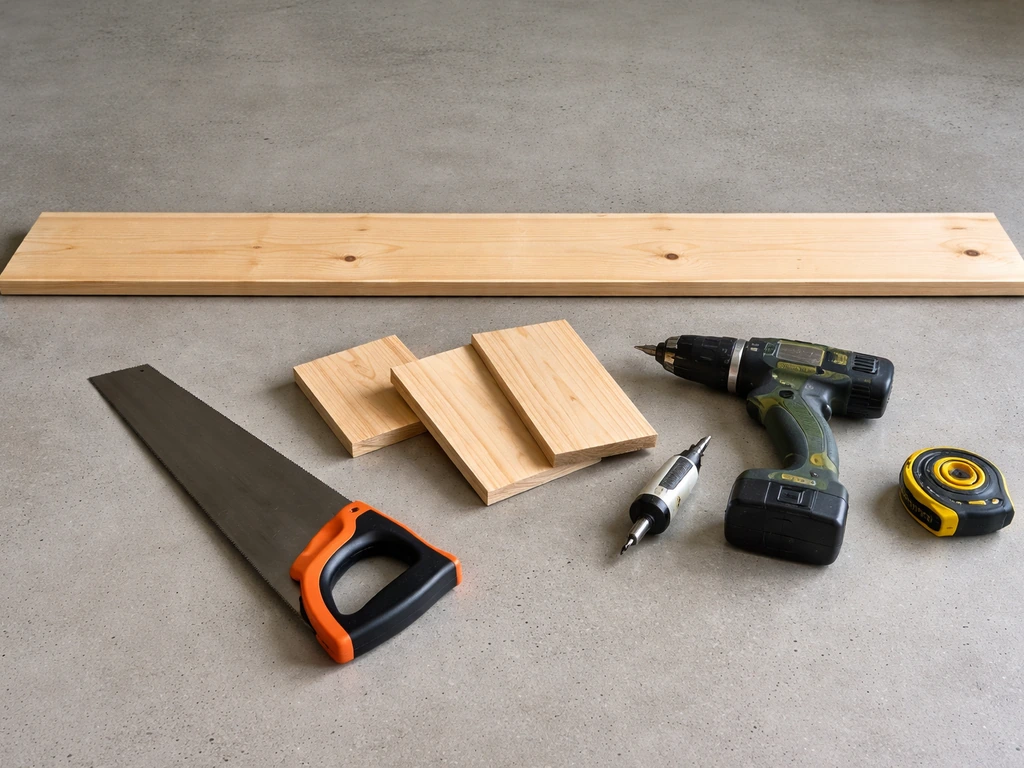
- One piece of untreated 1x6 lumber, approximately 5 feet long (scrap or offcut works perfectly)
- Saw (hand saw is fine)
- Drill with a spade or hole-saw bit (1.25 inches for chickadees, 1.5 inches for wrens, 1.5–2 inches for bluebirds)
- Hammer and galvanized nails, or exterior screws
- Sandpaper (medium grit)
- Measuring tape and pencil
- Optional: a hinge or pivot screw for a cleanout door on one side panel
Cut list and assembly
- Cut your lumber into five pieces: a front panel (8 inches), a back panel (12 inches, taller so you have mounting overlap), two side panels (8 inches each, with the top edge cut at a slight angle so the roof sheds water), and a floor panel (4 inches square). A 1x6 board gives you about 5.5 inches of actual width, so adjust your floor to fit.
- Sand all cut edges smooth. This matters more than it sounds — rough edges can snag feathers and injure birds getting in and out.
- Drill the entrance hole centered on the front panel, about 2 inches from the top. Use the correct diameter for your target species (1.25 inches for chickadees, 1.5 inches for house wrens, 1.5–1.75 inches for Eastern bluebirds per NestWatch guidance).
- Drill four drainage holes (about 0.25 inches each) in the corners of the floor panel. The National Wildlife Federation specifically recommends drainage holes so nestlings aren't raised in standing water after rain.
- Drill two or three small ventilation holes (0.25 inches each) near the top of each side panel, just below the roofline. The U.S. Fish and Wildlife Service notes that without ventilation, nest boxes can become dangerously hot in summer.
- Assemble the box: attach the two side panels to the floor, then attach the front and back panels. Keep the roof removable or add a hinged side panel so you can clean the box out at the end of the season.
- Do not paint or stain the interior. If you want to treat the exterior for weather resistance, use raw linseed oil or leave it bare — cedar and pine weather naturally and birds prefer unpainted surfaces.
- Add a rough patch or horizontal grooves below the entrance hole on the inside front panel so fledglings can climb out easily.
Using a plastic bottle instead of lumber
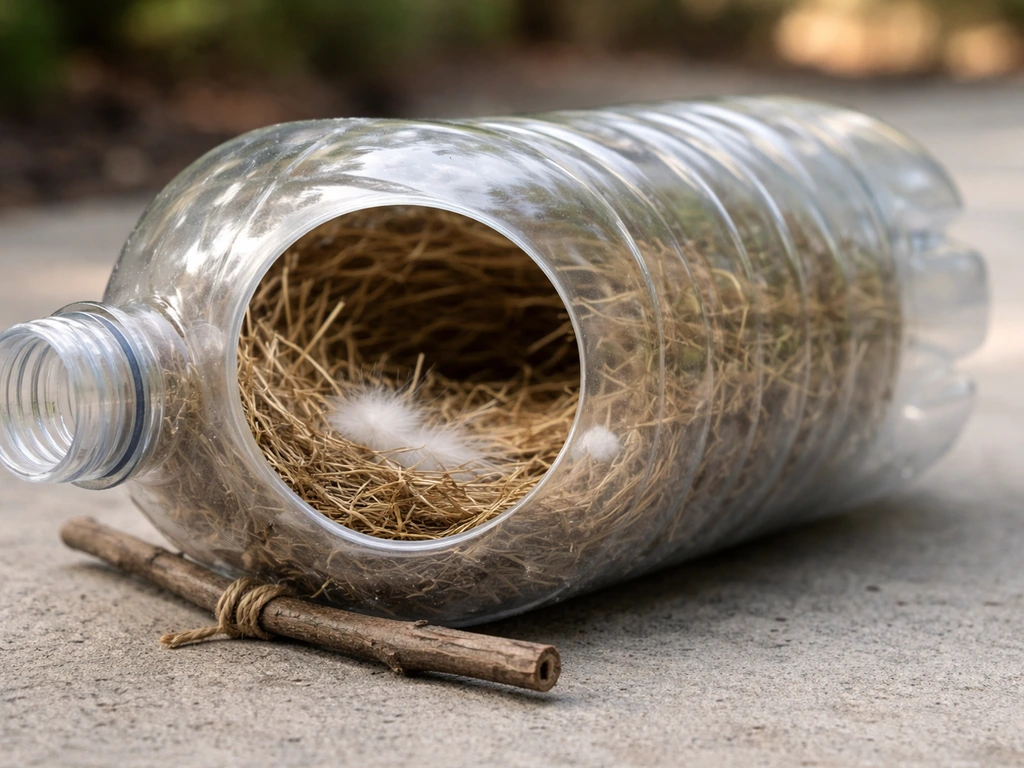
If you don't have scrap wood, a large plastic bottle (2-liter or larger) can make a functional nest enclosure for small birds. Cut a round entrance hole in the side using a sharp craft knife, smooth any sharp edges with sandpaper or tape, punch drainage holes in the bottom, and add ventilation near the neck of the bottle. The National Wildlife Federation also recommends adding [a recessed floor and drainage holes](https://www. nwf.
org/-/media/PDFs/Garden-for-Wildlife/Gardening-Tips/Nesting-Boxesweb. pdf) blank" rel="noopener noreferrer">so the interior stays dry. Fill the base with a thin layer of dry grass or bark strips and hang it securely from a branch or post. For a full walkthrough of this approach, check out the guide on how to make bird nest with plastic bottle, it goes deep on sizing and positioning for that specific design.
Placement, weatherproofing, and getting birds to move in
Height and location
Height matters more than most people realize. NestWatch publishes a placement chart by species: Eastern bluebird boxes go 5 to 6 feet off the ground, chickadee boxes around 4 to 8 feet, and barn owl boxes much higher (10 to 15 feet). A general beginner target of 5 to 6 feet off the ground covers most small songbird species and keeps the box accessible enough for you to monitor it easily. Mount the box on a smooth metal pole rather than a tree if possible, poles are far harder for squirrels and raccoons to climb.
Face the entrance hole away from prevailing wind and rain, ideally toward the east or southeast for morning sun. The Wildlife Trusts advise keeping nest boxes away from bird feeders and tables, regular foot traffic near a feeding station stresses nesting birds and can cause them to abandon a clutch. Give the box a clear flight path with no dense foliage blocking the entrance.
Simple weatherproofing that won't harm birds
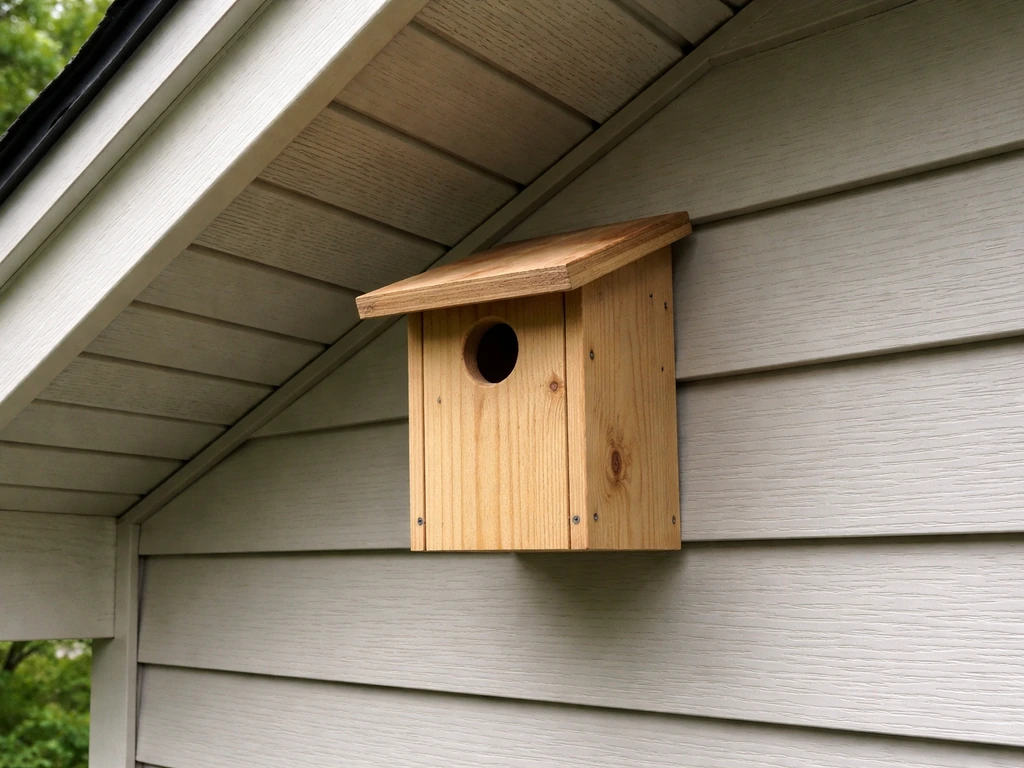
The roof overhang you built into the design does most of the weatherproofing work. For extra protection, angle the box forward about 5 degrees so rain runs away from the entrance hole instead of in. If you're using an untreated wood box, a light coat of raw linseed oil on the exterior (outside surfaces only) adds weather resistance without toxic chemical risk. Never use paint, varnish, or wood preservative on the interior or around the entrance hole.
Encouraging birds to use it
Put the box out early, late winter or early spring, before your local nesting season begins. Birds scout territory weeks before they start building. You can also set up a separate bird nesting material holder nearby stocked with safe loose materials like dry grass, moss, and short cotton strips. Birds pulling material from the holder near your nest box are more likely to investigate the box itself. Don't over-handle the box once it's up, leave it alone and let birds approach on their own terms.
Safety, legality, and what you can't do with household waste
In the United States, most wild birds are protected under the Migratory Bird Treaty Act (MBTA). This is not a technicality, it means that once a bird has laid eggs in a nest, you cannot legally touch, move, or disturb that nest, even if it's in an inconvenient location.
A Camp Pendleton regulatory flyer on the MBTA states that if you find an active nest with eggs or chicks, you must stop work in the area and not disturb it, with federal fines as a potential consequence. In the UK, Protect the Wild explains that similar seasonal restrictions apply under domestic wildlife law.
The practical takeaway: build and place your nest structures before the breeding season starts, and don't try to reposition or modify a box that's already in use.
On the materials side, the hazards most people overlook are chemical ones. Treated lumber (pressure-treated, painted, or stained wood from demolition or renovation scrap) can leach chemicals into the nest interior. Plastic waste that previously held cleaning products, pesticides, or paint should never be repurposed for bird housing, residue persists even after rinsing. Galvanized hardware is fine; rusty or flaking metal is not. Sharp edges anywhere inside or near the entrance hole are an injury risk for birds and nestlings.
| Material | Safe to use? | Notes |
|---|---|---|
| Untreated scrap lumber (pine, cedar) | Yes | Best structural choice; avoid painted or stained offcuts |
| Clean cardboard | Yes (short-term) | Works for platforms and cups; degrades in rain, so shelter it |
| Clean plastic bottles | Yes | Good enclosure frame; smooth all cut edges thoroughly |
| Dry grass (untreated lawn) | Yes | Confirm no pesticide/fertilizer use in recent weeks |
| Dryer lint | No | Retains synthetics, collapses when wet, can trap nestlings |
| String, yarn, or twine | No | Entanglement risk — can cut off circulation in legs and neck |
| Pet fur (flea/tick treated animal) | No | Chemical residue transfers to birds |
| Treated/pressure-treated wood | No | Toxic chemical leaching into nest cavity |
| Plastic bags or cellophane | No | Suffocation and entanglement risk |
| Aluminum foil | No | Sharp edges, not a natural material, birds reject it |
When birds ignore your nest, troubleshooting and next steps
If you put a box up and nothing moves in after a full nesting season, don't pull it down in frustration. NestWatch's nest box troubleshooting guide lists the most common failure causes: wrong placement, entrance hole that's too large (inviting predators or the wrong species), no drainage leading to waterlogged interiors, and boxes put up too late in the season. Go through this checklist before you change anything major.
- Check the entrance hole diameter against your target species. A 1.5-inch hole won't attract chickadees reliably; a 1.25-inch hole may exclude bluebirds entirely.
- Confirm there's no dense vegetation blocking the flight path to the entrance. Birds won't commit to a box they can't approach cleanly.
- Look for signs of moisture inside. If the floor is damp after rain, add more drainage holes or adjust the box tilt.
- Move the box away from your feeder station if it's within 10 to 15 feet. Feeder activity disturbs nesting pairs.
- If the box was used and then abandoned mid-season, check for parasites — mites and blowfly larvae are common in used nests and will deter return visits.
- At the end of each breeding season, remove old nest material completely and clean the box with hot water (scalding, no insecticides or flea powder per The Wildlife Trusts' guidance) before the next season.
Oregon State University Extension also emphasizes one firm rule: don't try to clean or adjust a box while birds are actively using it. Wait until the season is fully over and the box has been empty for at least a few weeks before you pull it down for maintenance.
On the material side, if you offered loose nesting material and birds ignored it, the most likely issue is fiber length (too long) or texture (too coarse or synthetic-feeling). Cut natural fibers to under 4 inches and stick to dry grass, moss, and small bark strips as your base offerings. Iterate one variable at a time rather than overhauling everything at once, it's the fastest way to figure out what your specific local birds actually prefer.
The whole project is genuinely forgiving once you get the basics right: safe materials, correct entrance size, drainage and ventilation built in, and a location that gives birds privacy and a clear flight path. Start with one box from scrap wood or a repurposed bottle, get it up before spring, and you'll almost certainly have visitors by mid-season. From there, the iterations get fun.
FAQ
Can I use pressure-treated or stained scrap wood for a bird nest box?
Yes, but only if you verify the wood is truly untreated. Skip pressure-treated lumber, painted, stained, or demolition scraps that may carry residue. If you are unsure, do a simple safety check: hold a small piece near a light flame (away from your face), and if you see unusual smoke or a strong chemical smell, treat it as unsafe and do not use it for a nest box.
What should I do if I do not know which birds live in my area, how big should the entrance hole be?
For most DIY projects, the most reliable measure is the entrance opening size for the target species, but even without knowing species you should avoid openings that are too large. A large hole can invite predators and also attract the wrong birds. If you do not know local species, start with a small, conservative opening and then adjust only next season.
Are all natural-looking waste materials safe, like dryer lint or mixed fabric scraps?
Do not treat “eco” materials as automatically safe. Dryer lint, plastic fibers, and any synthetic or stretch material can tangle around birds and lose structure when wet. If you are using leftover natural fibers, keep them dry and short (under about 4 inches) and avoid anything that feels slippery, elastic, or coated.
What can I put inside the nest box as “starter” material to help birds start building?
Use a quiet, breathable dry base, not insulation. Good options are dry grass, moss, and thin bark strips. Avoid anything that stays damp, clumps, or has a strong odor. If your region is humid, prioritize airflow and drainage in the box, then keep only the starter materials dry.
Can I make an open platform nest using waste material instead of an enclosed box?
Yes, but it changes the risk profile. Too much predator exposure comes from open platforms without a roof and from placement near perches, feeders, or heavy foot traffic. If you want to use a waste-material platform, add partial shelter (like a simple overhang), keep it away from ground predators, and monitor that the site is not causing abandonment.
When can I clean or adjust the nest box, especially if I built it from old scrap?
If the box is empty, you can do maintenance, but wait until the full nesting period is over, then let it sit undisturbed for at least a few weeks. If you find active eggs or chicks, stop and do not move, clean, or reposition anything. For scent and hygiene, rely on prevention (safe materials, drainage) rather than frequent scrubbing.
Is it safe to use old wire mesh or netting as part of a nest box design?
Wire or mesh is fine only if it is sturdy, correctly sized, and not in a way that entangles birds. Avoid loose netting, plastic coated wire with flaking coating, and sharp metal edges inside the entrance area. If you use metal components, smooth or cover sharp contact points so claws and nestlings do not snag.
What are the most common reasons my nest box from waste materials is not getting used?
If birds ignore the box, first check placement and time. Many failures come from boxes going up too late, entrances facing the wrong conditions (wind-driven rain), or no clear flight path. Also verify drainage, because waterlogged interiors can cause abandonment even if birds initially investigate.
Will a nesting material holder actually help, and how should I fill it?
Yes, a nest material holder can increase investigation, but keep the materials safe and consistent. Provide loose dry fibers like grass and moss in short lengths, and place the holder near the box but not blocking the entrance. Do not pack materials tightly into the holder, birds should pull and shape.
How do I choose the safest location, what placement mistakes should I avoid?
It can. In the wrong spot, even a well-built box may be risky due to predators or human disturbance. Aim for a clear flight path, keep it away from feeding stations and frequently used walkways, mount it so squirrels and raccoons cannot easily climb (smooth pole if possible), and face the entrance away from prevailing wet winds.
Next Articles
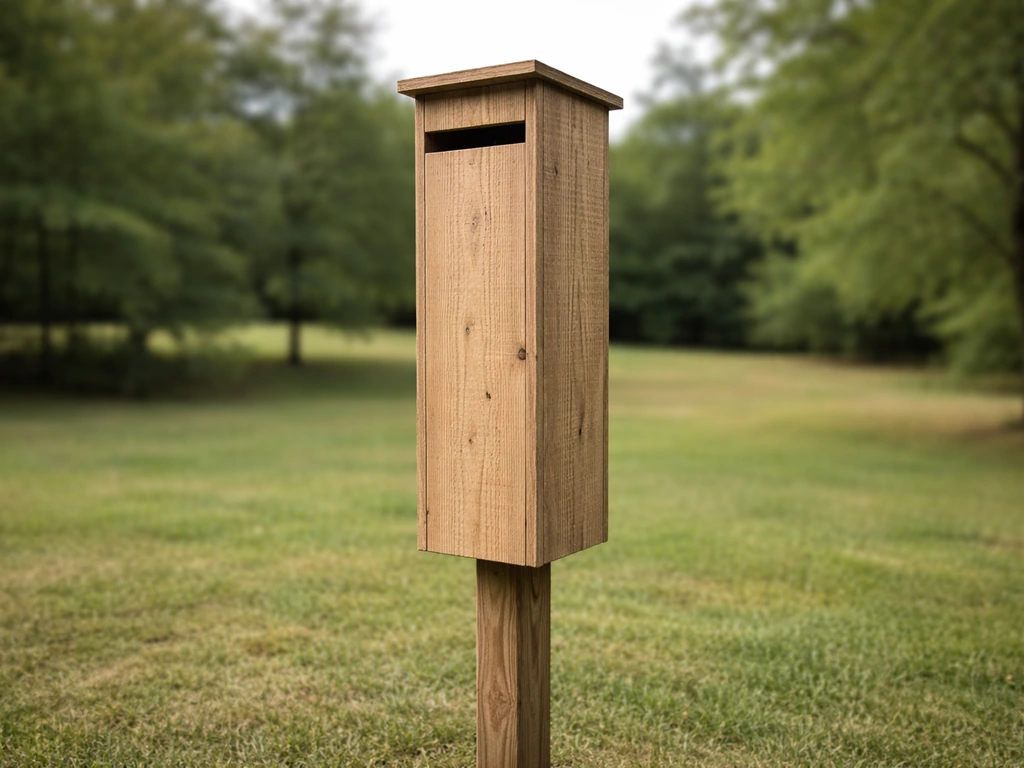
How to Build a Chimney Swift Bird House DIY Guide
Step-by-step DIY plans to build a chimney swift bird house, with correct dimensions, placement, and weatherproofing for
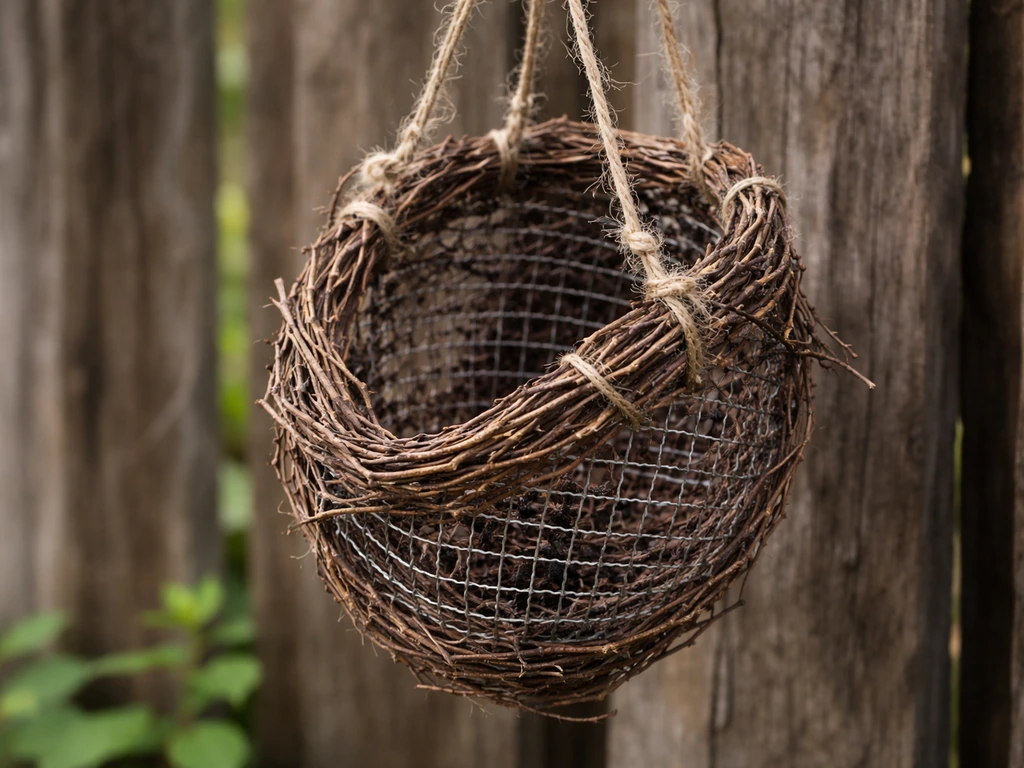
How to Build an Oriole Bird House: Step-by-Step DIY
Step-by-step DIY for building an oriole bird house with right dimensions, weatherproofing, predator-safe placement, and
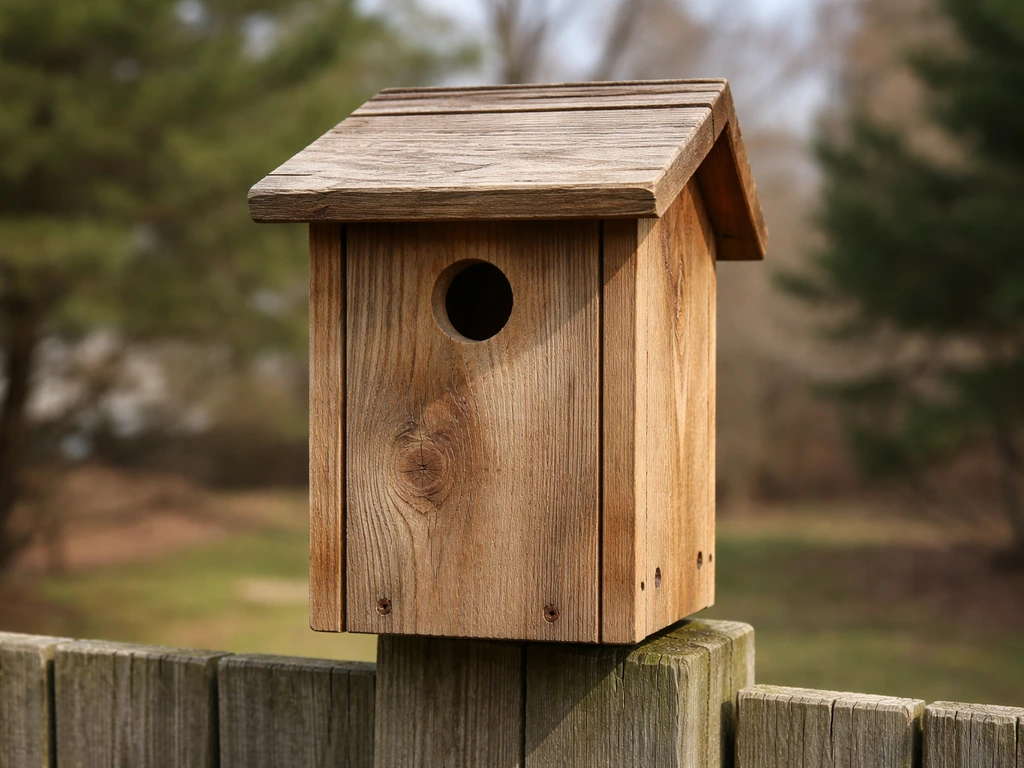
How to Build a Chickadee Bird House Step by Step
Step-by-step DIY chickadee bird house with cut list, chickadee entry sizing, ventilation, drainage, and mounting tips.