If your bird isn't drinking, the fix is usually simpler than you think: the wrong bowl, the wrong placement, or water that doesn't feel safe to approach. Whether you're dealing with a pet bird that's ignoring its water dish or backyard birds skipping your bird bath entirely, the answer is almost always about setup, cleanliness, and making water feel accessible and trustworthy. Here's exactly how to get a bird drinking today, and what to check if it still won't cooperate.
How to Make Bird Water and Get Birds to Drink Fast

Marcus Thornton
11 Apr 2026
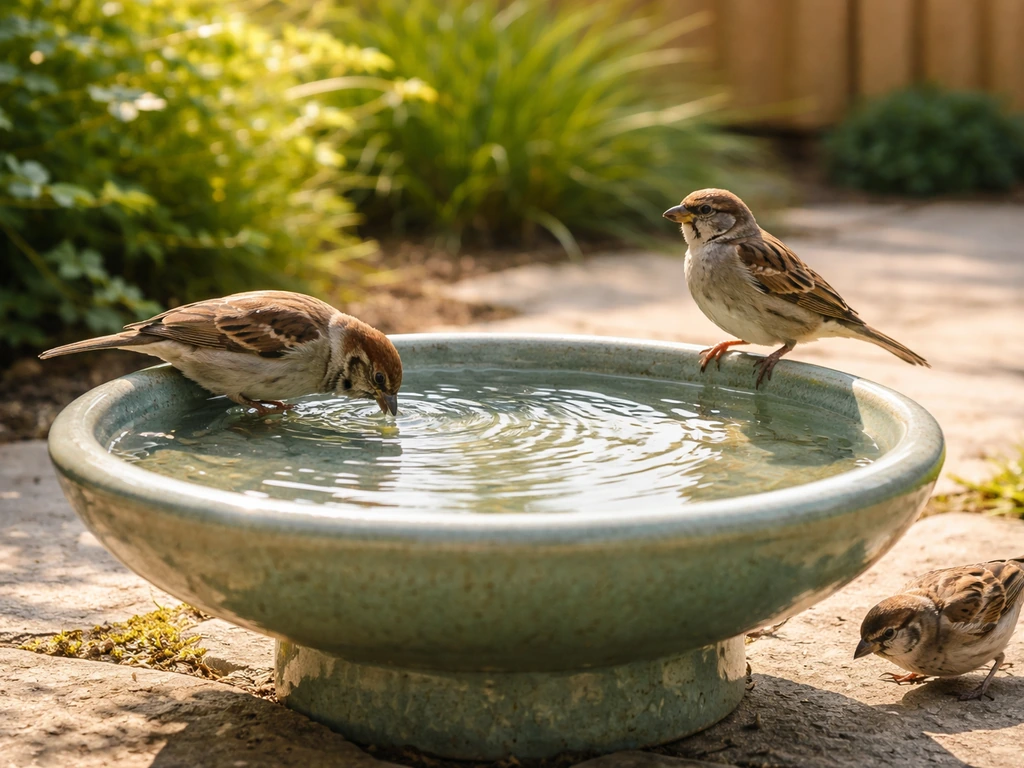
Why your bird isn't drinking (quick reasons to check first)
Before you change anything, run through these common blockers. Most of the time, one of these is the culprit and the fix takes five minutes.
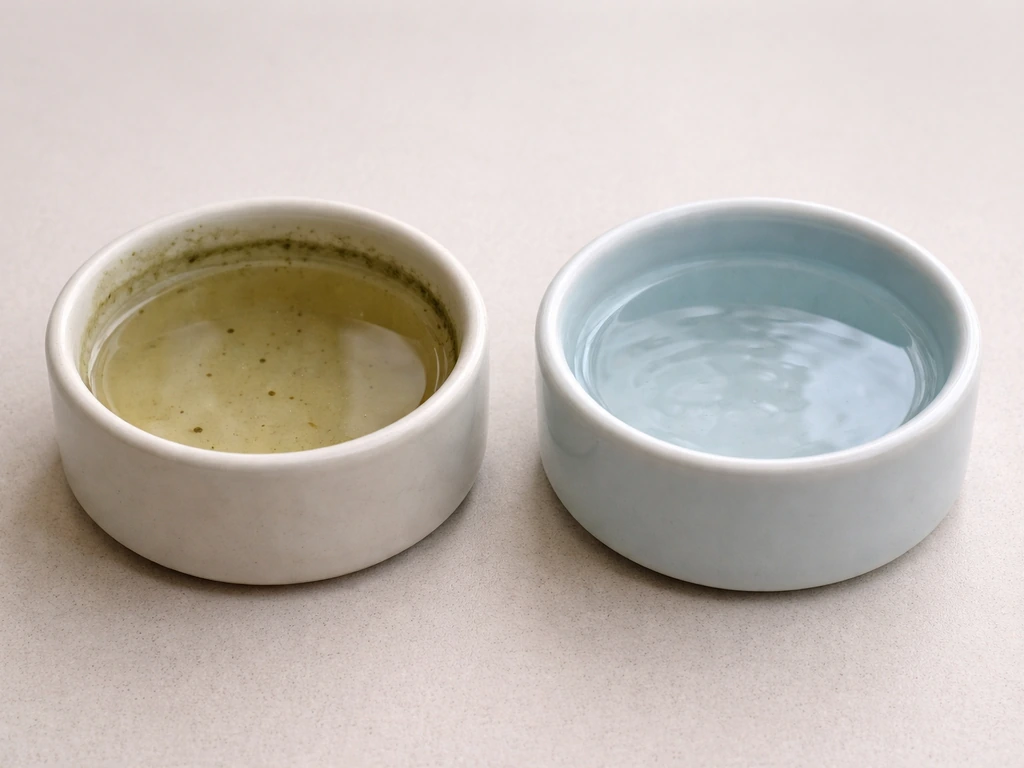
- The water is dirty, stale, or has algae starting to grow. Birds have strong instincts about water quality and will avoid anything that looks or smells off.
- The bowl or bath is too deep. Birds won't wade into water they can't see the bottom of or can't safely stand in.
- The placement feels exposed or unsafe. If there's nowhere nearby to escape to, birds won't linger long enough to drink.
- The water has additives. Vitamins, supplements, or even flavored drops you added with good intentions can make birds avoid the dish entirely. Never add anything to a bird's water unless a vet specifically directs it, because the bird may stop drinking to avoid the taste and make dehydration worse.
- For pet birds: medication side effects. Certain medications genuinely suppress normal drinking behavior, so if your bird recently started a prescription and stopped drinking, that's worth flagging with your vet.
- Stress or a new environment. A newly homed pet bird, or wild birds spooked by a recent predator visit, may take a day or two to settle before drinking normally.
- The water isn't plain tap or filtered water. Sparkling water, flavored water, and water with added electrolytes or salts can be unpalatable or unsafe for birds, so always use clean, plain water.
- The bowl or dish has moved recently. Birds are creatures of habit and may not immediately recognize a familiar item in a new spot.
If you're dealing with a pet bird on a formulated pellet diet, keep in mind that birds on pelleted food often drink more than those on seed diets because pellets contain less moisture. If yours suddenly seems to be drinking less, it's worth checking whether you've changed the diet recently.
Choose the right water setup (bowl vs shallow dish vs bird bath)
Not every water container works for every bird. The single most important rule is depth: water should be shallow enough that a bird can stand in it comfortably with its head above the surface. UC ANR recommends no more than 3 inches deep for any backyard water source, and in practice, about 2 inches in the center is enough for most backyard birds. If a bowl is too deep, birds will stand at the edge and refuse to step in. I've seen this happen with a standard terra cotta saucer that was just half an inch too steep on the sides, and simply swapping it for a shallower one solved the problem overnight.
| Option | Best For | Ideal Depth | Notes |
|---|---|---|---|
| Shallow ceramic or terra cotta dish | Pet birds and small backyard birds | 1–2 inches | Easy to clean, widely available, stable base important |
| Standard bird bath basin | Medium to large backyard birds | 2–3 inches max | Add a flat rock in center to raise the floor if too deep |
| Hanging water tube/bottle (pet birds) | Parakeets, cockatiels, small parrots | N/A (closed system) | Keep spout clean; some birds prefer open dishes alongside |
| Repurposed plant saucer or tray | Backyard birds, ground-feeding species | 1–2 inches | Great DIY option, cheap, rinse daily |
| Shallow terracotta bowl on a stable base (DIY) | All backyard birds | 2 inches max | Sloping sides are key; steep sides discourage entry |
Sloping sides matter more than most people realize. A dish that goes from zero to two inches gradually (like a shallow soup plate) is far more inviting than one with vertical walls. If you're working with a container that's too deep, drop a flat river stone or a few clean pebbles into the bottom to raise the floor and give birds something to perch on. That one trick has rescued more than a few imperfect containers in my own yard.
For pet birds, open dishes often work better than bottles because birds can see the water and interact with it naturally. That said, if your bird is used to a bottle, don't remove it cold turkey. Offer both for a week while transitioning. Whatever container you use, make sure it's stable, because a tipping dish is both a deterrent and a mess.
Make water more attractive and accessible (placement, visibility, and safety)
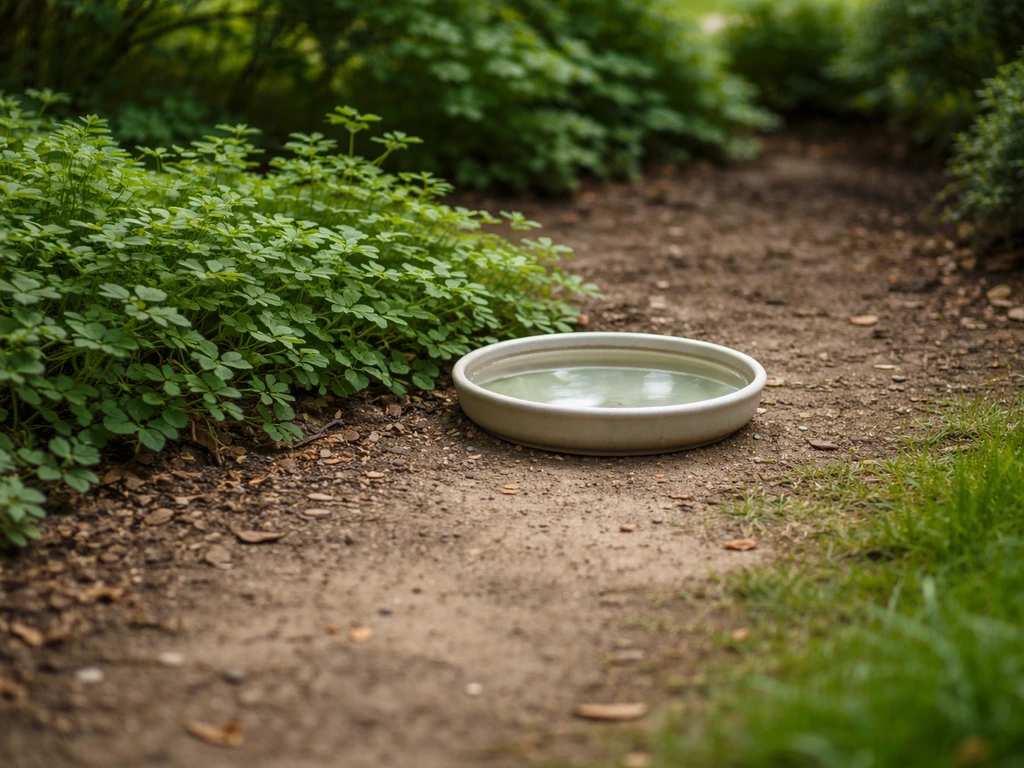
Placement is where a lot of people go wrong. Birds are nervous animals and they won't spend time near water if they feel exposed or cornered. The sweet spot for backyard water is in an open area where birds can see approaching predators, but with a small shrub or brush pile within about 10 feet so they can escape quickly if needed. WDFW specifically recommends this kind of setup: open enough to see threats, close enough to shelter for a quick exit. Don't tuck the bath right up against a dense hedge, though. Cats love ambushing birds from dense cover, so keep at least a few feet of clear space between the water source and any thick vegetation.
For pet birds indoors, placement near a window can work well because birds enjoy watching outside while drinking. Avoid placing the water dish directly under a perch where it will collect droppings all day. Putting the dish at a height the bird is comfortable landing on is important too. If your bird is still settling in and tends to stay low, try a ground-level dish first.
Moving water is a huge attractor for backyard birds. Even a simple drip or a solar-powered wiggler that creates gentle ripples on the surface will pull in birds that completely ignore a still bath. The sound and glint of moving water signals freshness and safety in ways birds respond to instinctively. If you're building out your yard as part of a larger habitat project, adding a water feature is one of the highest-impact things you can do alongside shelter and food. If you want to go deeper on that, check out this guide on how to make a bird sanctuary in your backyard, which covers water, cover, and feeding as an integrated system.
Step-by-step: get a bird to start drinking today
Here's the sequence I follow whenever a bird isn't drinking. Work through it in order and most problems resolve within a day or two.
- Empty and rinse the current bowl or dish. Don't add anything to the water. Plain, clean tap water is almost always best. If your tap water is heavily chlorinated and you're keeping pet birds, a conditioner like AvianSafe is specifically designed to remove chlorine and chloramines from tap water before serving it to birds.
- Check the depth. Fill the dish to no more than 2 inches. If the container is too deep, add clean pebbles or a flat stone to raise the floor. The bird should be able to stand comfortably with its feet on the bottom.
- Check that the sides slope gradually rather than going straight down. If they don't, switch containers. A wide, shallow plant saucer is often the perfect shape.
- Relocate if needed. For backyard setups, move the bath to an open spot with a clear sight line but shelter within 10 feet. For pet birds, move the dish to the bird's favorite perch height, away from droppings.
- Add a visual cue. Drop a few colorful marbles or clean pebbles into a pet bird's dish. The visual interest often triggers curiosity and gets them to investigate. For backyard birds, moving water (a drip, a wiggler, or even a hose set to a slow trickle for an hour) works very well.
- Let the bird come to it. Resist the urge to coax, force, or hover. Back off and let the bird approach on its own timeline. This is especially true for newly homed birds.
- Watch over the next 2 to 4 hours. Most birds will investigate a refreshed, correctly set up water source within a few hours. If 24 hours pass with no drinking at all, move on to the troubleshooting checks below.
One thing I've found genuinely useful for pet birds that are shy about new dishes is to briefly dip a finger in the water and flick a few drops while the bird watches. This mimics the movement and sound of other birds splashing and can trigger a bird's natural 'that must be safe to drink from' instinct. It sounds silly but it works more often than you'd expect.
Cleanliness, water temperature, and maintenance routine
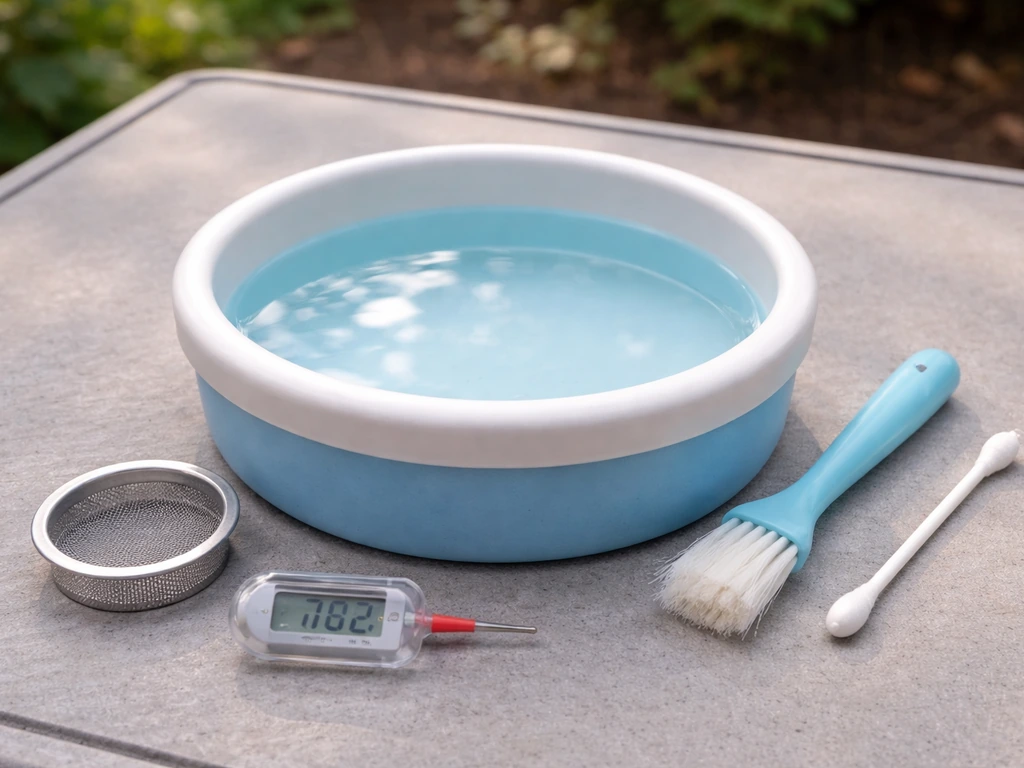
Dirty water is the number one reason birds stop using a water source they previously liked. Dirty water can harbor excrement, mosquito larvae, algae, and fungi, any of which will put a bird off. The rule is simple: if you see algae starting to grow, scrub it immediately rather than waiting. Don't just rinse and refill. Use a stiff brush and plain water (no soap or bleach residue) to physically scrub off the algae. A weekly deep clean is a reasonable baseline, but in hot weather you may need to clean and refill every day or two.
Never add salt, sugar, flavored syrups, or anything else to the water. Biology Insights specifically warns against additives like salt and sugar in bird bath water due to toxicity risks. The same goes for vitamin or supplement drops in a pet bird's water dish unless your vet has told you to use them. If you do need to offer a supplemented water source, always provide a second plain, unsupplemented bowl at the same time so the bird can regulate its own intake.
Water temperature matters more in extremes. In summer, check the water in the afternoon and refresh it if it's become warm, because birds won't drink hot water. In winter, a frozen bath is useless. A simple heated bird bath base (available at most garden centers) or even a dark-colored dish placed in a sunny spot can keep water accessible through cold snaps. Winter water availability is actually one of the biggest gaps in most backyard setups, and it directly ties into broader cold-season bird support, which is something I cover in more detail in this guide on how to build a winter bird shelter.
Simple DIY water station ideas for backyard builders
If you're already the type to build birdhouses and feeders from scratch, a DIY water station is a satisfying low-effort add-on that pairs perfectly with those projects. You don't need fancy materials. Some of the most effective water setups I've built cost almost nothing.
- Stacked log base with a terra cotta saucer on top: Cut a 12-to-18-inch section of log, flatten both ends with a handsaw, and sit a shallow 12-inch terra cotta saucer (the kind sold as a plant drainage tray) on top. Stable, natural-looking, and the rough bark gives birds a grip as they approach.
- Repurposed colander or shallow mixing bowl on a fence post: A metal mixing bowl bolted or set into the flat top of a 4x4 post works perfectly. Keep the depth to 2 inches by filling only partway. The hole in a colander lets dirty water drain out between refills.
- Drip bottle rig: Hang an inverted plastic bottle with a pinhole in the cap over a shallow dish. It creates a slow, constant drip that attracts birds with the sound and ripple. I've used this setup on a fence rail for years and it consistently outperforms my fancier commercial bath.
- Tiered stone bath: Stack two or three flat fieldstones to create a low pedestal, then set a wide shallow dish on top. Leave gaps between the stones for drainage and visual interest. This is a great project to combine with a broader habitat build.
- Ground-level dish station with a pebble landing zone: For ground-feeding birds like sparrows and juncos, sink a shallow plastic or ceramic dish into the soil so the rim is level with the ground. Surround it with clean gravel for drainage. Add a ring of flat stones around it so birds have a stable spot to stand while drinking.
The base matters as much as the bowl. A wobbly water dish is one of those things that seems minor until you watch a bird startle and flee after it tips. If you're building a base from scratch, the same principles that apply to how to make a bird base for feeders and houses apply here: weight low, footprint wide, and secure enough that it won't shift in wind or when a larger bird lands heavily.
A water station pairs best with food sources and natural planting nearby. If you're looking to make your whole outdoor space more inviting to birds, combining a water station with plant choices and habitat structure is where you get the biggest payoff. This guide on how to make your garden bird friendly covers the planting and layout side of things in a way that complements everything here.
When to seek help (red flags and urgency)
Most birds that aren't drinking just need a setup fix. But there are situations where not drinking is a sign of something genuinely serious that needs veterinary attention, not just a new bowl.
For pet birds, watch for these warning signs: the bird is fluffed up and sitting low on the perch, the eyes look sunken or dull, the mouth tissues look dry or sticky, droppings have slowed or stopped, or the bird is weak and not reacting normally to movement near the cage. These are classic dehydration and illness red flags and they can escalate quickly in birds. If you see a combination of these, don't wait to see if the bird improves on its own. Contact an avian vet the same day.
If a sick or very weak bird absolutely will not drink on its own and you're waiting to reach a vet, a small amount of plain water offered via an eyedropper or syringe directed gently into the side of the beak (not down the throat) can provide short-term support. Go slowly, a few drops at a time, and stop if the bird resists or you're unsure. This is a stopgap, not a replacement for professional care.
For wild birds found injured or collapsed: do not force water onto the bird or tip water into its mouth. The risk of aspiration (water going into the lungs) is real and can be fatal. Place the bird in a quiet, warm, dark box and contact a licensed wildlife rehabilitator. They have the tools and training to provide safe hydration for birds that can't drink on their own. Trying to hydrate a wild injured bird yourself without guidance from a rehabilitator does more harm than good, even when your intentions are the best.
To summarize the urgent threshold: a bird that hasn't eaten or drunk anything in 24 hours, combined with any physical signs of illness, needs professional help today. A bird that simply hasn't touched a newly set up water dish in a few hours just needs a better setup. Know which situation you're in, follow the steps above, and you'll have the water thing sorted quickly in the vast majority of cases.
FAQ
Can I force a wild bird to drink or should I just leave water out and wait?
If you are trying to help a wild bird drink, the safest approach is to stop short of “feeding” behaviors like hand-feeding or offering water directly from your hand. Instead, set out shallow, clean water nearby with a clear escape route, and wait at a distance. For pet birds, you can use the setup tweaks in the article, but if your bird shows dehydration or illness signs, do not delay veterinary care.
What’s the best way to make water appealing if birds ignore a still bath?
Use plain water at a shallow depth with stable footing. If you want to use moving water, keep the flow gentle so it does not splash high or scare smaller species. Clean and check daily because moving stations can still grow algae on wet surfaces and in crevices.
Can I add vitamins or a little flavor to get my pet bird to drink?
For pet birds, water additives should be avoided unless your avian vet specifically instructs otherwise. If your goal is to encourage drinking, focus on accessibility (shallow depth, safe edges), cleanliness, and temperature rather than flavoring. If you suspect low water intake because of diet, confirm whether there was a recent diet change.
My bird bath gets algae quickly, what can I do beyond a weekly scrub?
Algae often comes from light plus warm conditions plus leftover film. Scrub any visible film right away, then increase frequency in hot weather (sometimes daily), and reduce how much direct sun the container gets if it reliably turns green fast. Also make sure the water level and container shape do not let birds soil it immediately after stepping in.
If I add rocks to raise the floor, how do I know I did it correctly?
A container that is too deep is a common reason birds refuse to enter, but stability and footing matter too. If you are using pebbles or a stone base, use only clean, non-toxic stones and remove debris after use. Watch for birds standing on the rim without lowering their head, that usually means the floor is still too far from comfortable reach.
Where should I put my indoor bird’s water dish if my bird is nervous?
Don’t place bowls where droppings regularly fall from a nearby perch or where the bird must jump down to access water. For indoor pet birds, keep the water at a comfortable landing height and start with a ground-level option if your bird is still cautious, then gradually adjust once they drink reliably.
How do I keep bird water from freezing without risking unsafe additives?
In winter, the main problem is not just freezing, it is reduced availability and cold stress. Use a heated base designed for bird bathing, or keep the bowl in a sun-accessible spot and check multiple times during cold snaps. Replace the water as it cools or becomes partially frozen so the surface stays drinkable.
Can I put a bird bath under shrubs or near cover for safety?
Yes, but only if it makes the bird feel secure and not exposed. Place it where birds can spot threats from the water but still reach cover quickly (within about 10 feet, using the article’s guidance). Avoid dense cover right next to the bath because predators like cats can ambush birds from close vegetation.
If my vet says my pet bird needs medicated water, should I remove the plain water?
Use two bowls if you are following a vet plan that requires medicated or supplemented water, one plain and one treatment. That allows self-regulation and reduces the chance of refusing the only option. If your bird still will not drink the plain bowl, treat it as a possible health issue rather than trying to escalate additives.
At what point is “it won’t drink” a setup problem versus an emergency?
Not always. If a bird has not used the new water source within a few hours, it can still be a setup issue (depth, stability, placement, cleanliness, temperature). But if your pet bird shows physical illness or dehydration signs, or if it has not eaten or drunk anything for 24 hours, the article advises same-day avian vet care.
Next Articles
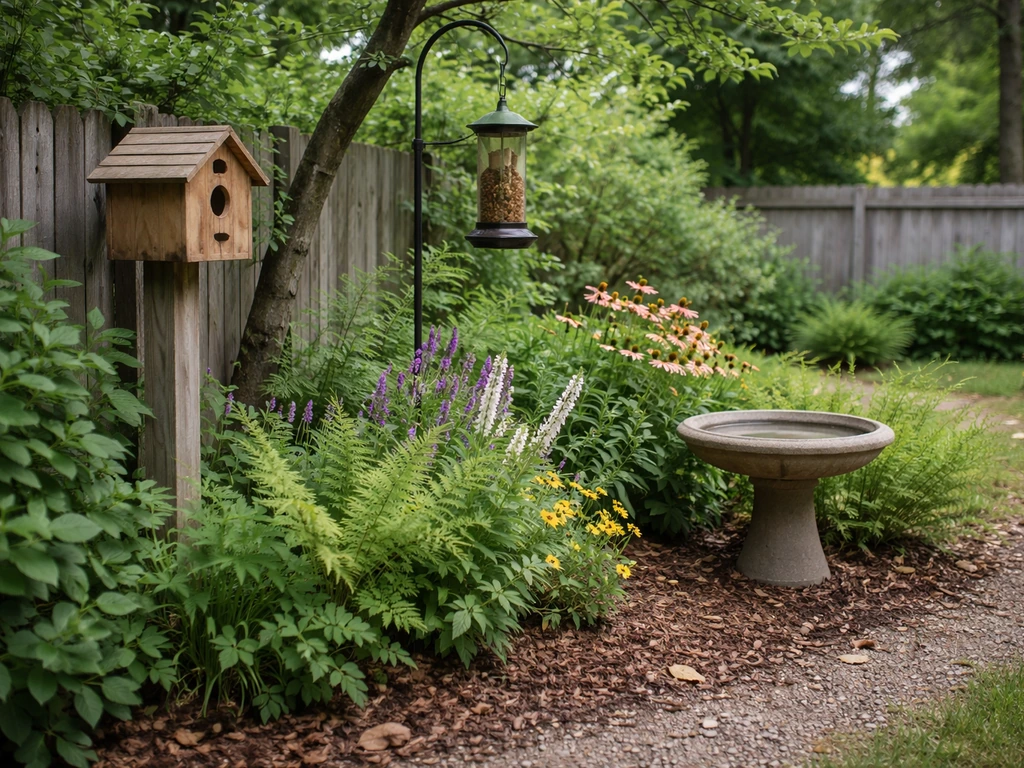
How to Make a Bird Sanctuary in Your Backyard
Step-by-step DIY plan to create a backyard bird sanctuary with feeders, baths, nesting boxes, native plants, safety, and
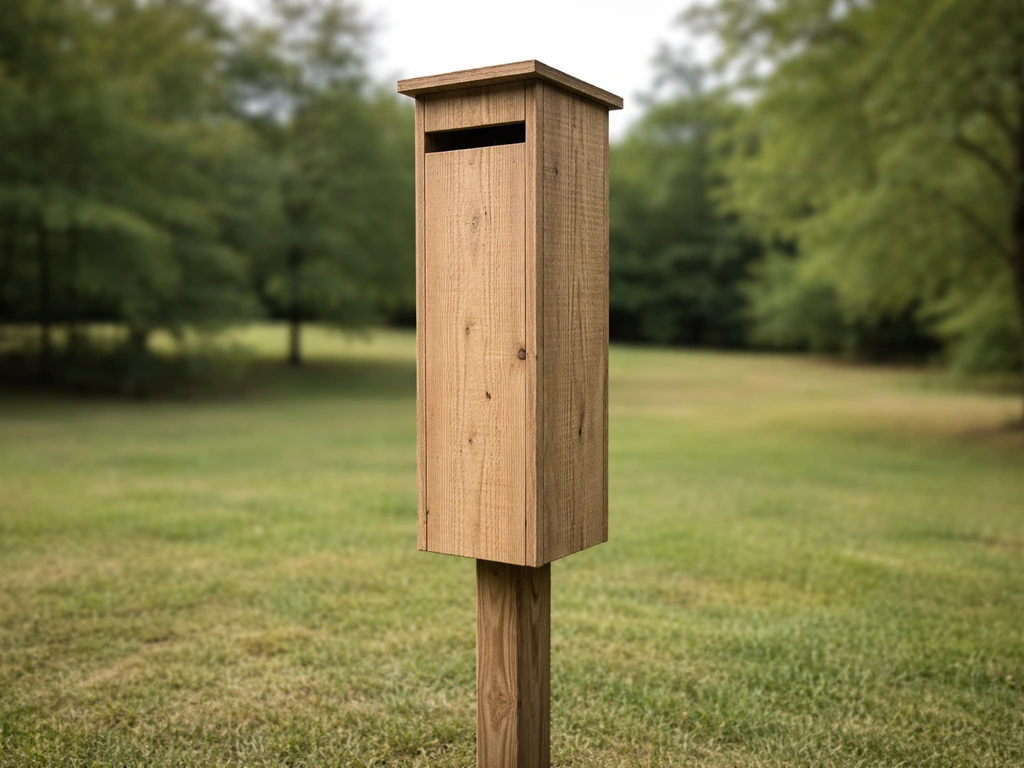
How to Build a Chimney Swift Bird House DIY Guide
Step-by-step DIY plans to build a chimney swift bird house, with correct dimensions, placement, and weatherproofing for
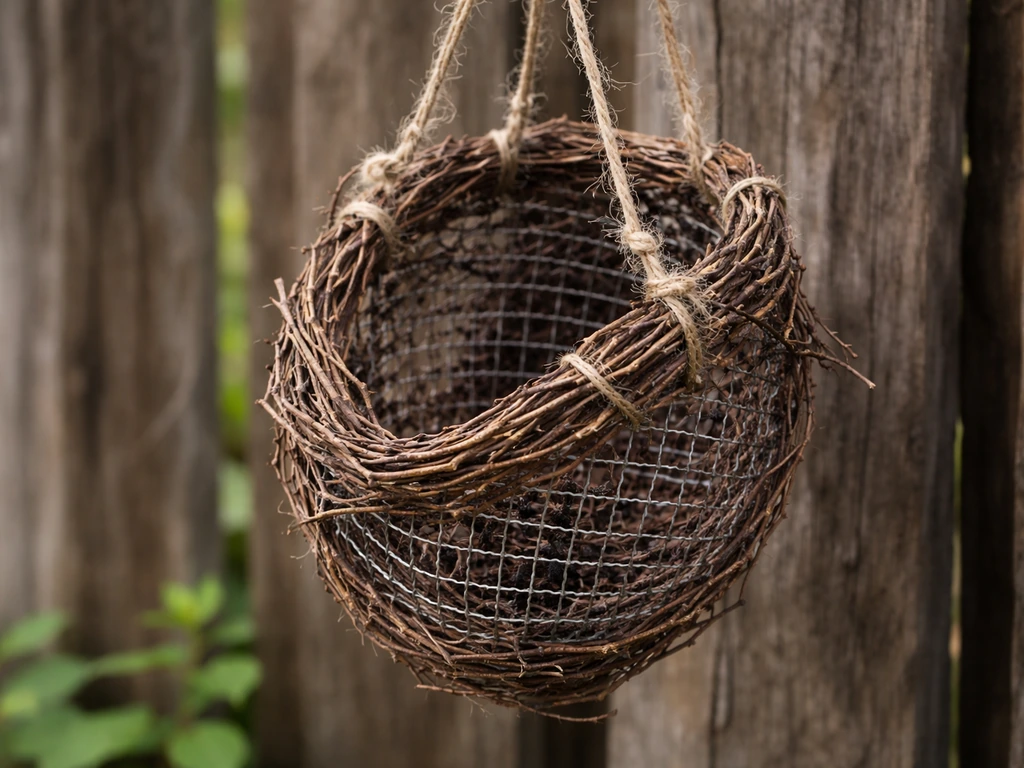
How to Build an Oriole Bird House: Step-by-Step DIY
Step-by-step DIY for building an oriole bird house with right dimensions, weatherproofing, predator-safe placement, and