You can make genuinely great bird toys at home using cardboard tubes, untreated wood scraps, natural fiber rope, brown paper, and food-safe hardware you probably already have. If you want a safer first build, follow these practical steps for how to make safe bird toys at home. The key is knowing which materials are safe to use, which ones look harmless but aren't, and how to put everything together so nothing can trap a foot, wrap around a neck, or splinter into a sharp edge. VCA also notes that blank" rel="noopener noreferrer">stainless steel, natural non-toxic wood, rope, and acrylic can be good bird-toy materials, but soldered (lead-containing) and galvanized (zinc-coated) metals, such as chains, hooks, and connectors, can be toxic to birds. Once you know those rules, the actual building is easy, and your bird will use homemade toys just as enthusiastically as anything from a pet shop.
Bird Toys You Can Make at Home: DIY Ideas and Safety

How to choose a safe toy for your specific bird
The biggest mistake people make is building a toy that looks fun but doesn't match what their bird actually does. Before you cut a single piece of cardboard, think about your bird's natural behaviors. Does it forage on the ground or in trees? Does it chew through wood, shred paper, or prefer to swing and preen? Matching the toy to the behavior makes it five times more likely your bird will actually use it.
Size matters enormously. A toy sized for a macaw can trap a budgie's head; a toy sized for a budgie won't engage a cockatoo for more than ten seconds. Use your bird's body length as a rough guide: toy components (rings, loops, openings) should be either too small to fit their head through or large enough that they can pass through freely without getting wedged. There's no safe middle ground.
For backyard birds like chickadees, finches, or woodpeckers, enrichment toys tend to focus on foraging and food-finding rather than play. These birds benefit most from puzzle feeders and shred-to-find food setups. Pet birds, parrots, budgies, cockatiels, need a broader range: chewing, foraging, swinging, and tactile exploration. Parrots often do best with homemade toy designs that balance chewing, foraging, shredding, and safe swing time Pet birds, parrots, budgies, cockatiels. Keep that distinction in mind as you decide what to build. If you're making toys specifically for parrots or budgies, the species-specific considerations covered later in this article go into much more detail.
Materials that are safe to use
- Untreated softwoods like pine, balsa, and basswood — birds can chew these safely
- Brown paper, newspaper (soy-based ink only), and cardboard without foil lining or heavy dye
- Natural cotton rope that is thick and tightly braided (at least 1/2 inch diameter for medium birds)
- Sisal rope — harder to chew through and great for texture enrichment
- Food-safe stainless steel hardware (quick links, eye bolts, and washers)
- Leather strips that are vegetable-tanned and untreated
- Dried pasta, corn husks, and palm fronds for shreddable attachments
- Bamboo skewers and small wood blocks with smooth, sanded edges
Materials to avoid entirely
- Galvanized or zinc-coated metal — zinc is toxic to birds even in small amounts; always use stainless steel hardware
- Ribbon, thin string, thread, and nylon rope — these can wrap around toes, legs, or neck and cause strangulation
- Key ring fasteners, spring-loaded clips, and snap hooks — birds can get beaks or feet caught in these
- Treated or painted wood, plywood with adhesives, and MDF — the chemicals are toxic when chewed
- Rubber, latex, and soft plastic components — they shred into pieces that can be swallowed
- Glitter, dye, or heavily inked materials — not food-safe and easily ingested during chewing
- Long dangling strands of any material — even cotton becomes a strangulation risk when it hangs too long
Beginner projects using stuff you already have
These are the first toys I'd recommend building if you've never done this before. Each one takes under 20 minutes, uses household materials, and introduces zero new safety risks if you follow the guidelines above. If you want to get started right away, use these beginner projects to do it yourself bird toys with the safe materials you already have.
Cardboard tube stacker
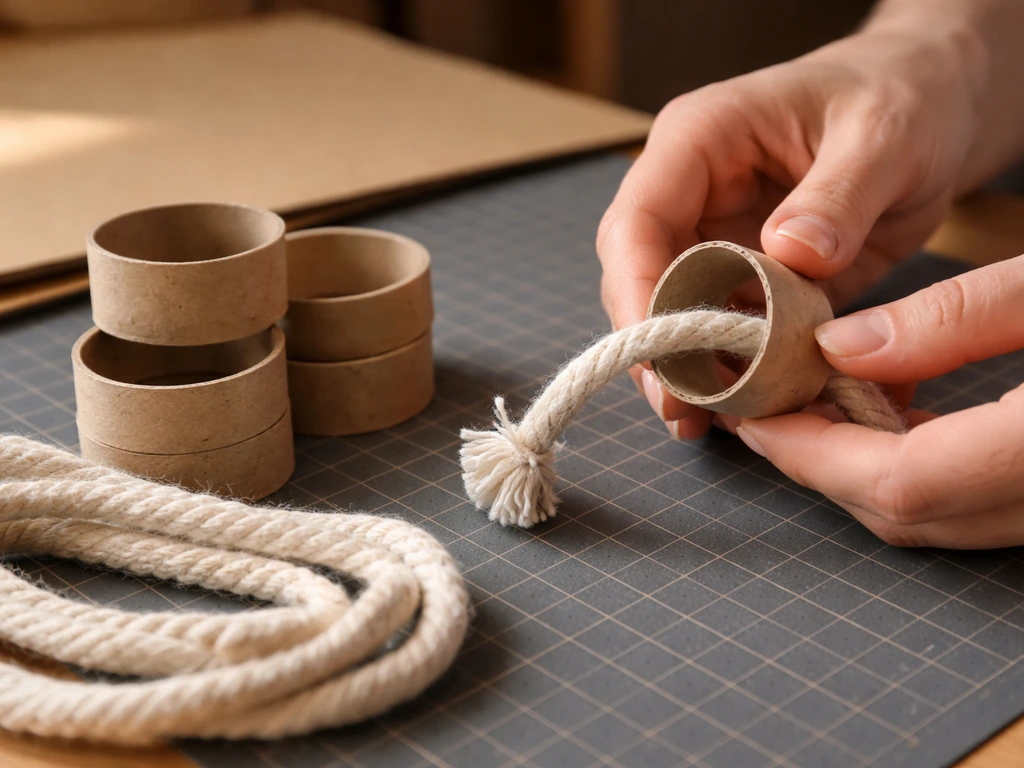
Grab three or four cardboard tubes from paper towel or toilet paper rolls. Cut them into 2-inch rings. Thread a short length of thick cotton rope (no longer than 6 inches between attachment points) through the rings so they stack loosely. Tie a stainless steel quick link at the top to hang it. Stuff some of the rings with crinkled brown paper or a small amount of seed to encourage foraging. That's it. Smaller birds like budgies and cockatiels will chew through the cardboard rings in a day or two, which is exactly the point. If you want a straightforward place to start, follow the step-by-step guide for how to make bird toys for budgies using safe, chewable materials.
Paper shred bundle
Cut brown paper or plain newspaper into strips about 1 inch wide and 8 inches long. Bunch 15 to 20 strips together and fold them in half. Tie the fold with a short piece of sisal rope (keep the tie itself under 3 inches so there's nothing to wrap around a foot). Hang the bundle from a stainless steel eye bolt screwed into a perch or cage bar. Birds that love to shred, and most parrots do, will work through this in an afternoon. The World Parrot Trust's enrichment guides specifically highlight brown paper strips as one of the best, safest shreddable materials available.
Wood block threading toy
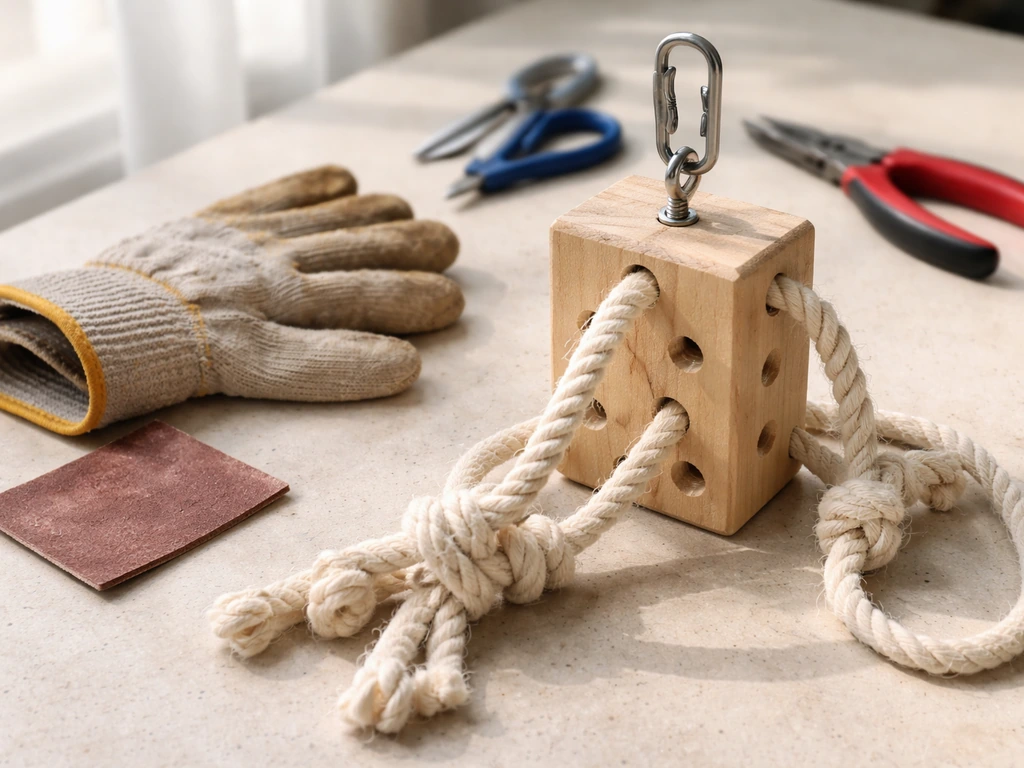
Sand several small pine or balsa blocks (roughly 1 inch cubes) until there are no rough edges. Drill a hole through the center of each block. Thread them onto a short length of stainless steel wire or thick sisal rope, alternating blocks with large wooden beads if you have them. Cap each end with a stainless steel washer and a crimped loop, and hang it vertically. This gives birds something to chew, move, and rearrange, all in one simple structure.
Interactive foraging toys you can assemble at home
Foraging toys are the single highest-value enrichment you can build. In the wild, birds spend the majority of their day searching for food, and captive or backyard birds that don't have that outlet get bored fast. A foraging toy makes them work for their treat, which keeps them mentally occupied and physically active. The good news is these are also some of the easiest toys to build.
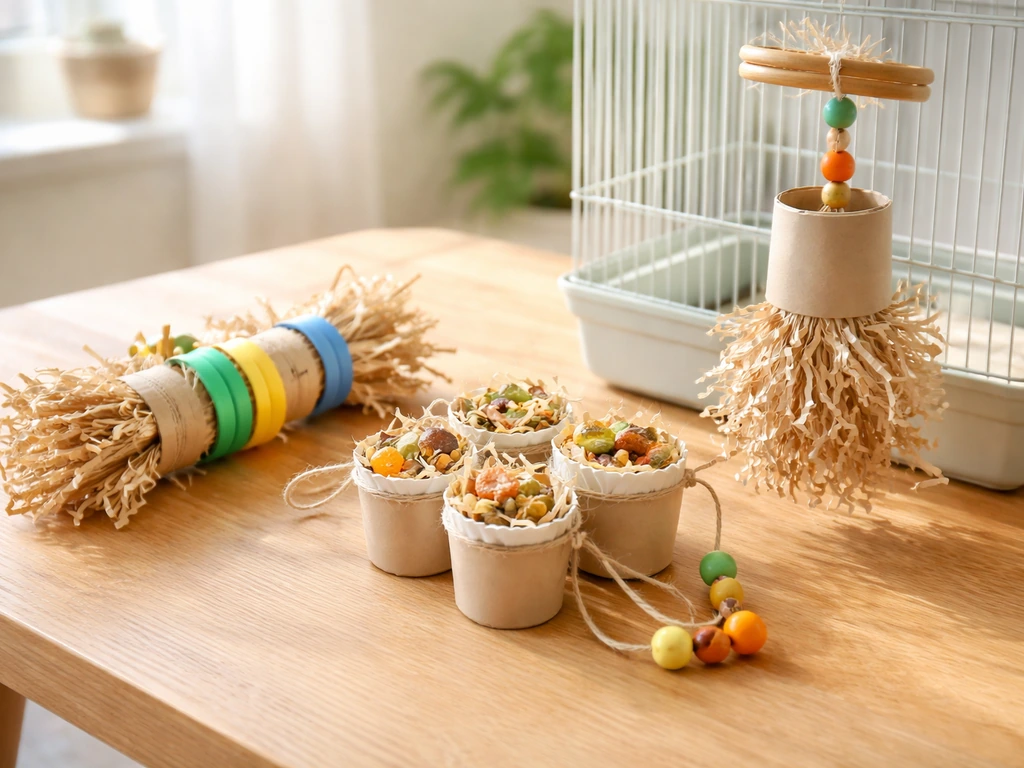
Paper cup forager
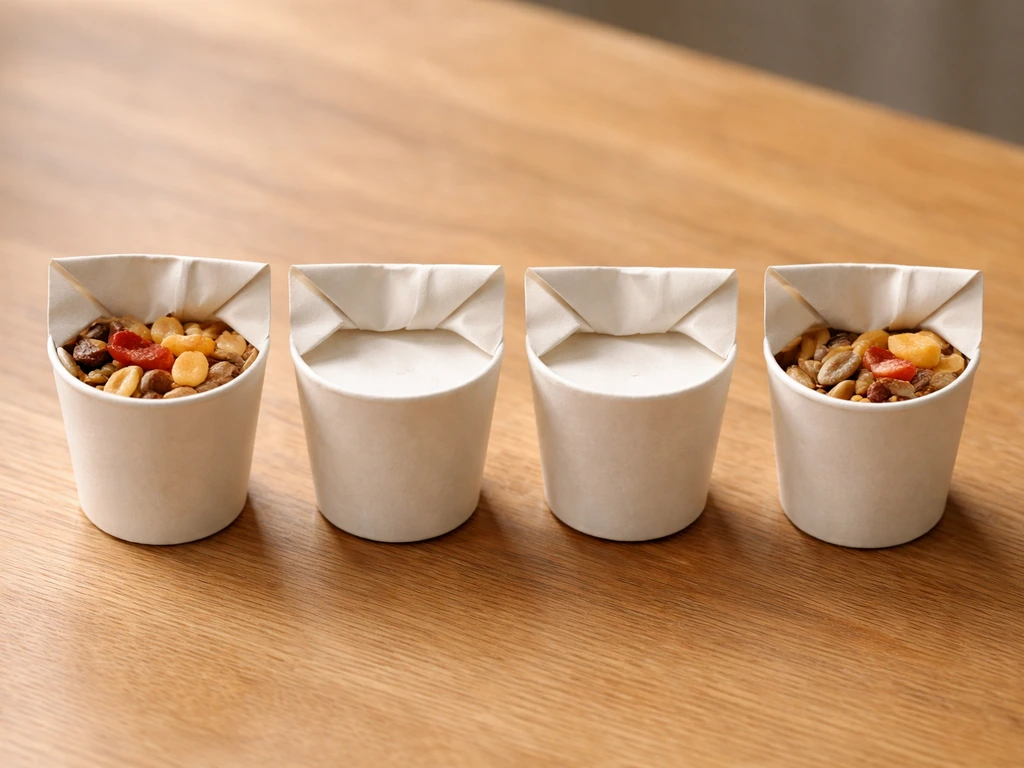
- Take three or four small paper cups (uncoated, no wax lining).
- Put a pinch of seed, a small piece of fruit, or a nut inside one or two of the cups.
- Fold the open ends closed and crimp them shut — or cover with a small square of brown paper secured with a short sisal tie.
- String the cups along a short sisal cord, spacing them 2 to 3 inches apart.
- Hang from a stainless steel quick link so the whole thing hangs vertically.
- Let your bird figure out which cups have food and how to open them.
Once your bird masters this, make it harder by adding more empty cups, wrapping the cups in an extra layer of paper, or mixing in decoy cups with no food. The World Parrot Trust's foraging and puzzle toy guide emphasizes exactly this escalation approach, start easy so the bird succeeds, then gradually increase difficulty.
Cardboard box puzzle feeder
Take a small cardboard box (a clean matchbox or a folded piece of cereal box works). Cut several small holes in the sides, large enough for your bird to reach a beak in but not large enough to fit their head. Fill the box with a mix of seed and crumpled paper, then close it up with a fold (no tape, no glue). Hang the box by threading sisal rope through two opposing corners. Your bird has to tear open the box, dig through the paper, and find the seed. Backyard birds like chickadees and nuthatches can be encouraged to forage this way in a sheltered outdoor spot too.
Skewer treat kabob
Thread slices of apple, carrot, or leafy greens onto a stainless steel skewer (food-grade, no sharp exposed tips). Mount the skewer horizontally through the cage bars or attach it to a perch with a stainless steel bracket. Birds have to hold and pull pieces off, which builds both foraging behavior and beak coordination. Swap the food out daily so nothing goes bad. This is one of the simplest foraging setups you can make, and it costs almost nothing.
Chew, shred, and swing enrichment designs
These three categories cover most of what birds want to do with a toy. Chew toys satisfy beak wear and natural destruction instincts. Shred toys give sensory stimulation and a sense of control. Swing and sway toys build balance, confidence, and physical coordination. You don't need to pick just one, a good enrichment setup usually includes all three.
Chew toys: pine block ladder
Cut a series of small pine dowel rods or flat pine strips into uniform lengths (about 4 inches for medium birds). Drill a hole at each end of every piece. Thread stainless steel wire or thick sisal rope vertically through the holes so the pieces hang like rungs on a ladder. Seal the wire ends with stainless steel crimps rather than knots that can loosen. The bird works through each rung, chewing and splitting the wood. When a rung is destroyed, it drops off the wire, no sharp edges left behind, and nothing to swallow because the wood splinters are harmless softwood.
Shred toys: palm frond and paper bundle
Dried palm fronds (available at pet stores or craft stores) can be layered with brown paper strips and bundled with a short sisal tie. The combination of textures, fibrous palm material and paper, satisfies birds that like variety in their shredding. Hang the bundle vertically and let them work from the bottom up. Replace the whole bundle when it starts to look sparse or dirty. The cleanup is instant, just toss and rebuild.
Swing and sway: perch swing from dowels
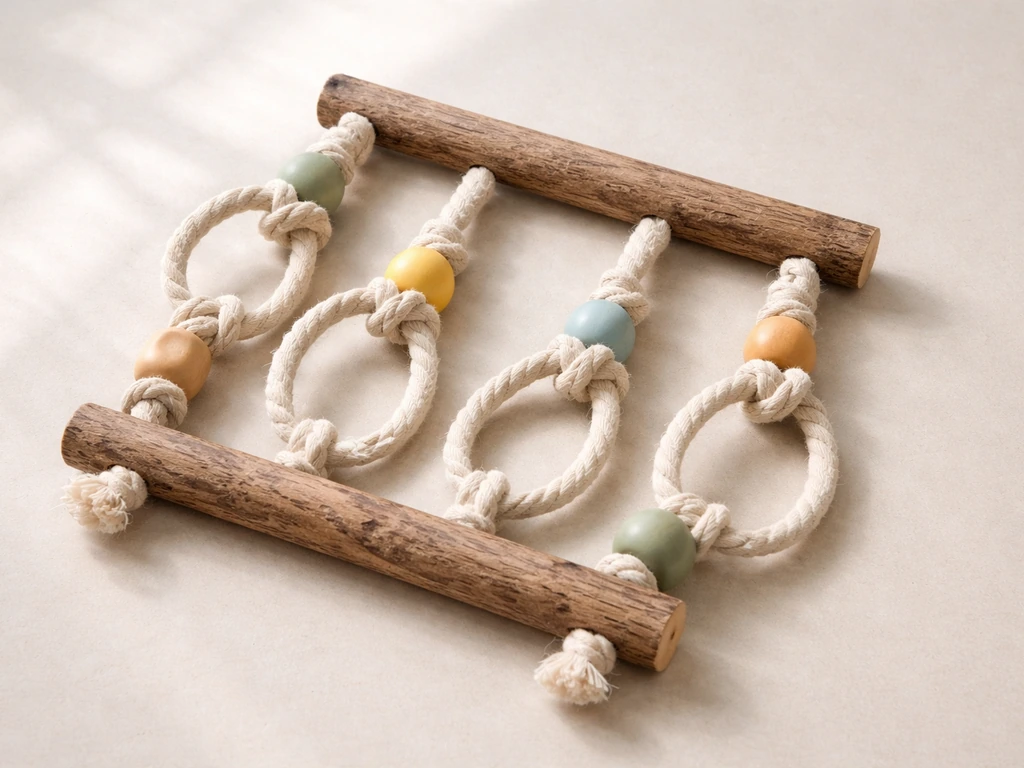
Take two untreated hardwood dowel rods (natural manzanita or java wood branches work even better if you have them). Drill a hole at each end of both dowels. Connect them in a rectangular frame using short sections of thick sisal rope, keeping all rope sections under 4 inches so there's nothing long enough to entangle. Hang the frame from two stainless steel quick links at each top corner. The irregular surface of natural wood branches makes this better than smooth dowels, birds grip uneven surfaces more naturally and get more benefit from balance work.
A note on rope in swing toys specifically: always use rope that is thick and tightly braided, keep individual rope segments short, and check the toy every single day. blank" rel="noopener noreferrer">Frayed rope should be cut back or removed immediately. I've had rope toys that looked fine from across the room but had single threads unraveling on the underside, that's a foot-entanglement hazard that's easy to miss if you're not looking closely.
Mounting, safety checks, and avoiding the most common hazards
A well-built toy that's badly mounted is still a hazard. Mounting matters for two reasons: the toy needs to stay where you put it, and it needs to hang in a way that doesn't create new traps or pinch points around the attachment.
How to mount toys securely
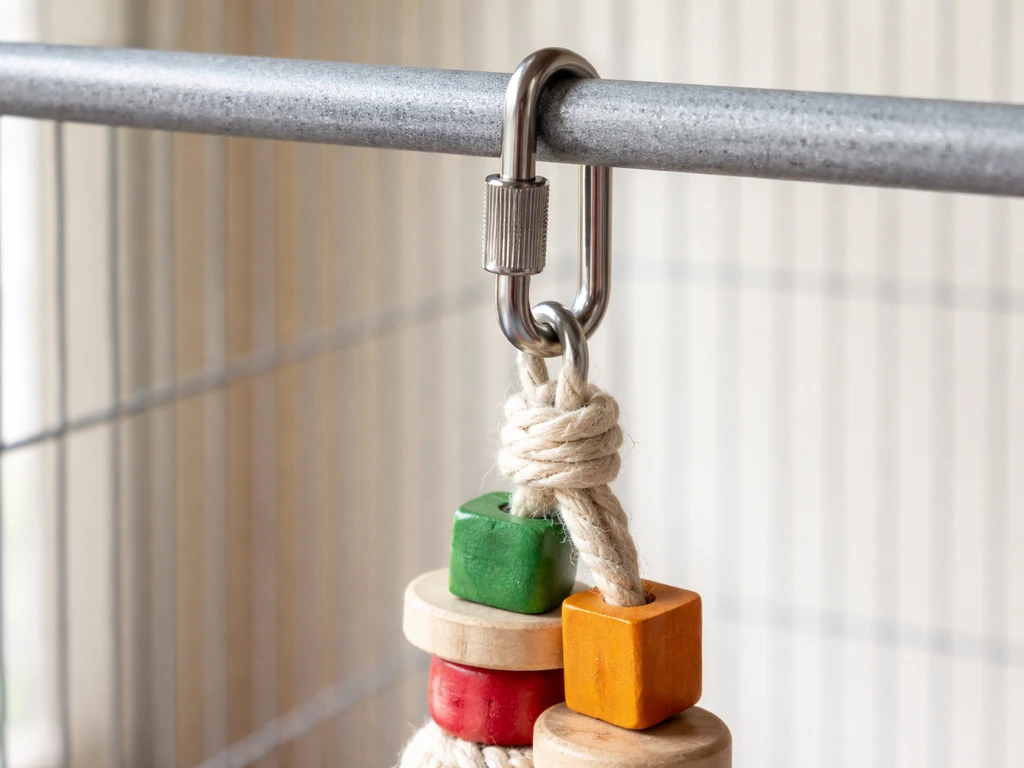
- Use stainless steel quick links to hang toys from cage bars — they screw shut completely and can't spring open under a bird's weight
- Position hanging toys so the bird can't swing into cage walls at full arc — leave at least one body-length clearance on each side
- Mount foraging toys at mid-cage height so the bird has to work to reach them but isn't overreaching in a way that risks a fall
- For outdoor backyard toy feeders, use stainless steel S-hooks on a smooth wooden dowel or branch — avoid nails that can rust and create sharp points
- Never mount a toy directly above a food or water dish where droppings or chewed debris can fall in
Daily and weekly safety checks
Run a quick visual check every day. Look for fraying rope threads, cracked wood with splinter edges, any hardware that's shifted or loosened, and any component that looks like it's been chewed small enough to swallow. This takes about 30 seconds once you know what you're looking for. The RSPCA, VCA, and Parrot Rescue Centre all specifically call out daily rope checks, and they're right, because rope deteriorates fast with an active bird.
Once a week, do a more thorough check: pull on every attachment point, look at the underside of swing toys, and check that no hardware has developed a rust spot or sharp edge. Replace anything that fails the tug test immediately. A toy that feels loose is a toy that could fall and injure your bird.
The short safety checklist before hanging any new toy
- No openings that could trap the bird's head, foot, or wing — test with your finger first
- No dangling strands longer than 3 to 4 inches on any rope or fiber component
- All metal hardware is stainless steel — no galvanized, zinc-coated, or rusted metal
- No sharp edges on any wood, wire, or cut cardboard
- No small parts that could be chewed off and swallowed whole
- No adhesives, glues, paints, or synthetic dyes anywhere on the toy
- Attachment to the cage or perch is fully secured and won't loosen under weight
Cleaning, sanitizing, and knowing when to replace
Homemade toys are often made with materials that can't be deep-cleaned, and that's fine, it just changes how you think about replacement. Paper, cardboard, and palm frond toys should be thought of as consumables. They get used, they get dirty, and you swap them out. If you want to personalize your bird toys further, learn how to dye wood for bird toys using safe, bird-friendly methods. Wood toys can be cleaned, but only if the surface hasn't been compromised by deep chew marks that trap bacteria.
Cleaning wood and rope toys
For wood toys, scrub the surface with hot water and a stiff brush to remove droppings and food residue. Let them dry completely in the sun before returning them to the cage, sunlight is a natural sanitizer and also helps dry out any moisture that could encourage mold. For rope toys, the same rule applies: hot water scrub, full dry in the sun. But if the rope is frayed or deeply soiled, cleaning isn't enough, replace it.
If you want to use a diluted bleach solution (about 1 part bleach to 30 parts water), rinse it thoroughly, multiple times, and let the toy dry completely before the bird has any contact with it. VCA specifically flags that disinfectants including bleach can release toxic fumes if used in confined spaces or not fully rinsed, so do this outside, rinse well, and dry fully. Vinegar is a gentler option for light surface cleaning but isn't strong enough for a toy with heavy contamination.
When to throw it out instead of cleaning it
- Any rope toy that has loose threads or fraying — don't clean it, replace it
- Wood toys with deep cracks where bacteria can hide
- Any component that has been chewed down to a size that could be swallowed
- Cardboard or paper toys that are wet, moldy, or have been soiled — these aren't worth cleaning
- Any hardware showing rust spots, discoloration, or surface damage
- Any toy that makes you hesitate when you check it — trust that instinct
Personalizing your designs for different bird sizes and species
The same basic toy design works across very different birds if you scale it correctly and adjust the material hardness. Here's a practical reference for matching your builds to common bird types.
| Bird Type | Best Toy Category | Material Hardness | Key Sizing Note |
|---|---|---|---|
| Budgies / Parakeets | Shred, forage, lightweight swing | Soft: balsa, thin cardboard, paper | Keep all openings under 1 inch; rope diameter at least 1/2 inch |
| Cockatiels | Foraging, chew, swing | Soft to medium: pine, brown paper, sisal | Rope sections under 4 inches; toy should fit in a 12-inch space |
| Conures | Chew, forage, destruction | Medium: pine, palm frond, cork | Reinforce attachment points — these birds are hard on hardware |
| African Greys / Amazons | Foraging puzzles, heavy chew | Hard: manzanita, hardwood blocks | Large quick links; all rope at least 3/4 inch diameter |
| Macaws / Large Cockatoos | Heavy destruction, swing | Very hard: java wood, thick bamboo | All hardware must be extra heavy-duty stainless steel |
| Backyard songbirds | Foraging/puzzle feeders | Soft: cardboard, light wood | Open designs only — no closed loops or rope strands outdoors |
For budgies specifically, avoid anything that resembles loose rope or woven material, Omlet's safety guidance calls out rope as a particular hazard for parakeets because their small toes can catch in gaps that a larger bird would pass through easily. Stick to sisal that's tightly twisted with no loops, or skip rope entirely and use short stainless steel wire connections instead.
For large parrots like macaws and cockatoos, the issue is opposite, they are powerful enough to destroy hardware that would be fine for a smaller bird. I've had a cockatoo wrench open a quick link that wasn't fully tightened. Always use pliers to close quick links on large bird toys, not just finger-tight.
Seasonal adaptation matters too. In summer, add fresh fruit skewers and ice cube foraging treats (freeze seed or fruit into a small block of water). In summer, you can also try simple popsicle stick toys like dowel-style chewing ladders or foraging bundles, then adapt the size and materials to your bird. In cooler months, add more dense chew toys that take longer to work through, they keep birds occupied during shorter daylight hours when activity tends to drop. Backyard birds benefit from suet-based foraging puzzles in winter, which you can make by pressing suet into a cardboard mold with seed and letting it set.
Your immediate next steps
You don't need to buy much to get started. Before you go shopping, walk through your house and collect: cardboard tubes, a clean cardboard box, brown paper or newspaper, any untreated wood scraps, and a length of thick cotton or sisal rope if you have it. If you're still deciding between toy types, see how to make bird toys step-by-step for broader starter ideas and safer options. That haul covers at least two or three of the beginner builds in this article right now.
If you do want to pick up a few items, the short list is: a pack of stainless steel quick links (get a mix of small and medium sizes), a roll of natural sisal rope in at least 1/2 inch diameter, a few balsa or pine craft blocks from a hobby store, and a bag of bamboo skewers for food toys. Everything else comes from what you already have at home. Total cost is usually under ten dollars.
Start with one toy, hang it, and watch your bird's reaction before you build a whole collection. Some birds need a few days to warm up to something new, introduce it outside the cage first if they seem nervous, or put it near a familiar perch rather than in the center of their space. Once they're comfortable, you'll find that rotating two or three different homemade toys on a weekly schedule keeps enrichment fresh without any major ongoing cost or effort. If you want to go beyond a single idea, a do it yourself bird toys approach lets you rotate multiple types like foraging, shredding, and chewing so your bird stays engaged. That rotation is genuinely one of the most effective things you can do for a captive bird's mental health.
FAQ
How do I know if a homemade toy is the right size before I hang it?
Do a head-and-foot test first, hold each opening against your bird from the bird’s height. If the bird can get its head through and then squeeze to pinch, the opening is too small. If its toes can slip into any gap and then get trapped when the bird tugs, the gap is too narrow. When in doubt, err on openings that are either clearly too small or clearly large enough to pass through freely.
My bird chewed parts faster than expected, should I rebuild with the same materials or switch categories?
If chew-through happens early, keep the toy but change what it’s doing. For example, replace cardboard or softwood parts with larger, thicker chew pieces (or double up paper layers) rather than leaving it as-is. If the bird destroys rope or cardboard in minutes, that’s also a signal the toy may be under-supported or mis-sized, so rebuild with tighter attachments and more robust components.
Is it safe to use tape, glue, or hot glue in bird toys?
Generally avoid it in contact areas because adhesives can be hard to fully remove and can release fumes when heated or when the toy is exposed to sunlight. If you need to secure parts, prefer mechanical fasteners (wire, rope knots that are hard to loosen, crimped ends, quick links) and keep any joins in locations the bird cannot chew directly.
What should I do if the rope frays or strands start to unravel?
Remove or cut back immediately, even if the toy looks stable. Rope damage can be worst on the underside where you cannot see it well. After trimming, inspect the attachment points and replace the entire rope section if you can pull any strand away with moderate force.
How often should I replace paper, cardboard, and palm frond toys?
Replace based on condition, not a calendar. If the material becomes soft, moldy-smelling, heavily soiled with food residue, or shredded into tiny pieces that could be swallowed, toss it and rebuild. A good rule is a quick check every day and replacement as soon as you notice reduced shredding quality or increasing grime.
Can I disinfect homemade toys with bleach every time I clean them?
Only for toys that can be rinsed thoroughly and are fully dried before reuse. If you have confined cage space or you cannot guarantee full airing and multiple rinses, skip bleach and use hot-water scrubbing instead. Bleach also needs careful dilution and complete drying, otherwise you risk residual irritation even when it looks clean.
Is it okay to rotate toys, or will my bird stop using them?
Rotation helps most birds and usually does not reduce interest if you reintroduce toys gradually. Start with one new toy near a familiar perch, then add a second only after the bird engages with the first. Keep rotation predictable, for example swap every few days to weekly, and do not retire a toy that is still actively being used.
How do I prevent birds from swallowing small bits from shreddable toys?
Choose materials that shred into larger fibers rather than fine particles when possible, and monitor the size of fragments after the bird has worked on it. If you see dust-like pieces accumulating or chunks that could fit the bird’s throat, remove the toy and rebuild with a safer form factor (bigger strips, less brittle paper, or a different attachment design).
Can I hang toys outside for backyard birds?
Yes in sheltered spots, but avoid leaving them where they can get saturated by rain or sit in damp soil. Use foraging setups that birds can reach safely without trapping, and inspect after storms, because rope can tighten, wood can swell, and paper can degrade faster outdoors.
What’s the safest way to attach homemade toys to a cage or perch?
Aim for secure hang points with no pinch points and use hardware that cannot loosen under chewing and tugging. For larger birds that can overpower finger-tight connections, use pliers to close quick links fully, then re-check after the first day of use.
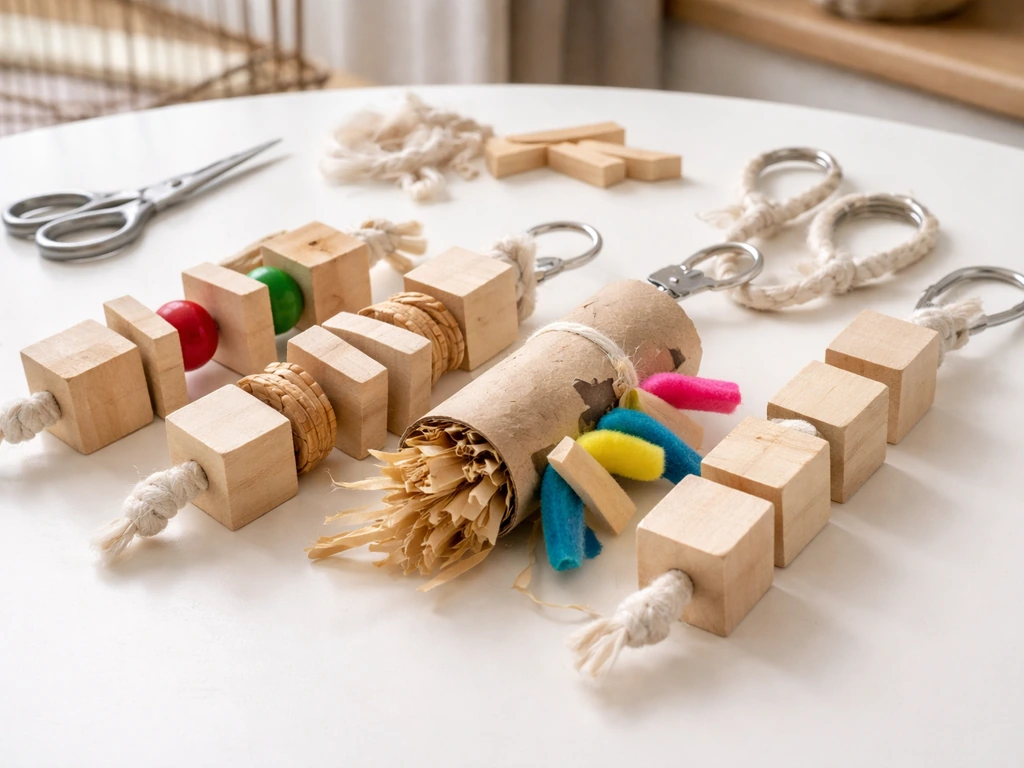
Step-by-step DIY parrot and parakeet toys: safe materials, sizes, build today projects, secure hanging, care and trouble
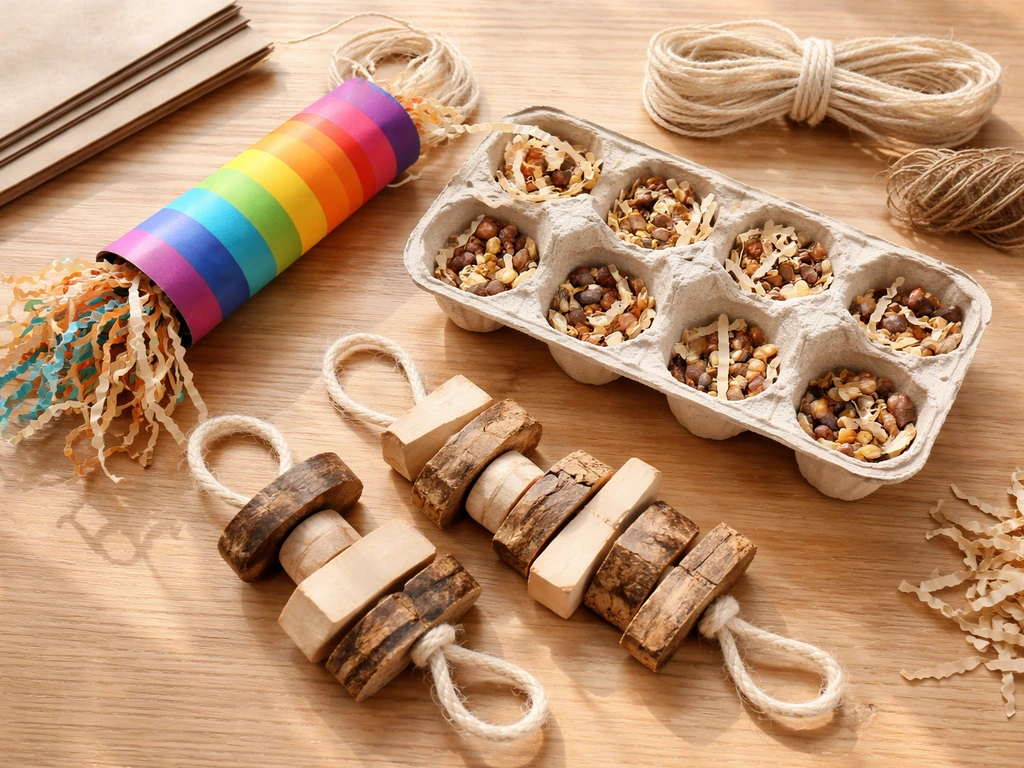
Step-by-step DIY bird toys for chewing, climbing, and foraging with safe materials, mounting, and cleaning tips.
Step-by-step DIY bird toy plans with safety rules, toy types by species, and how to attach, rotate, clean, and troublesh