You can make safe, engaging budgie toys today using materials you probably already have at home. No special skills required, no expensive supplies needed. If you want ideas that are both fun and easy, this guide also covers how to make bird toys step by step. The key is knowing which materials are safe, how to size things for a small bird, and how to spot hazards before your budgie gets to test them first. This guide walks you through all of it, from material selection to finished toys you can hang in the cage by tonight.
How to Make Bird Toys for Budgies: DIY Safe Builds
Marcus Thornton
2 Apr 2026
Why DIY budgie toys actually matter
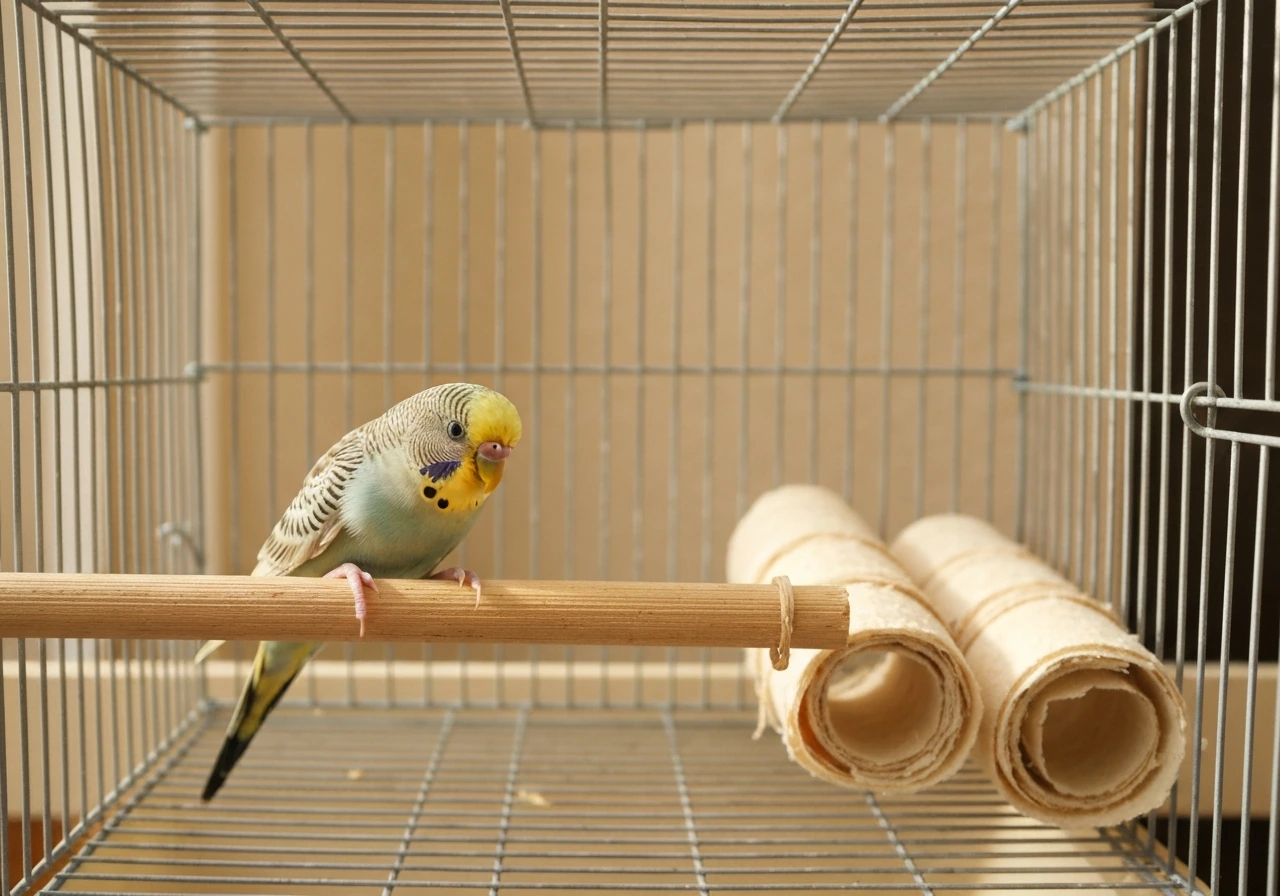
Budgies are intelligent, social, and naturally active. In the wild they'd spend most of their day foraging, climbing, chewing, and interacting with their flock. In a cage, that drive doesn't disappear, it just has nowhere to go. If you want more hands-on ideas, this guide also covers how to make bird toys for different kinds of enrichment.
Research from UC Davis School of Veterinary Medicine confirms that behavioral causes of feather-destructive behavior in captive parrots include lack of stimulation (boredom), sleep deprivation, and sexual frustration.
For parrots, you can use the same safety-first approach, then adapt materials and sizes to fit each species and beak strength how to make bird toys for parrots. Feather chewing can escalate to skin damage if the underlying cause isn't addressed, so toys aren't just nice to have, they're part of keeping your bird mentally healthy.
DIY toys give you a real advantage over store-bought options. You control every material that goes into them, you can scale them exactly to your budgie's cage, and you can rebuild or swap them out cheaply when they're destroyed (which is, honestly, the goal). Once you get comfortable with a few basic builds, you'll be able to crank out a rotation of toys in an afternoon.
Budgie-safe materials: what to use and what to skip
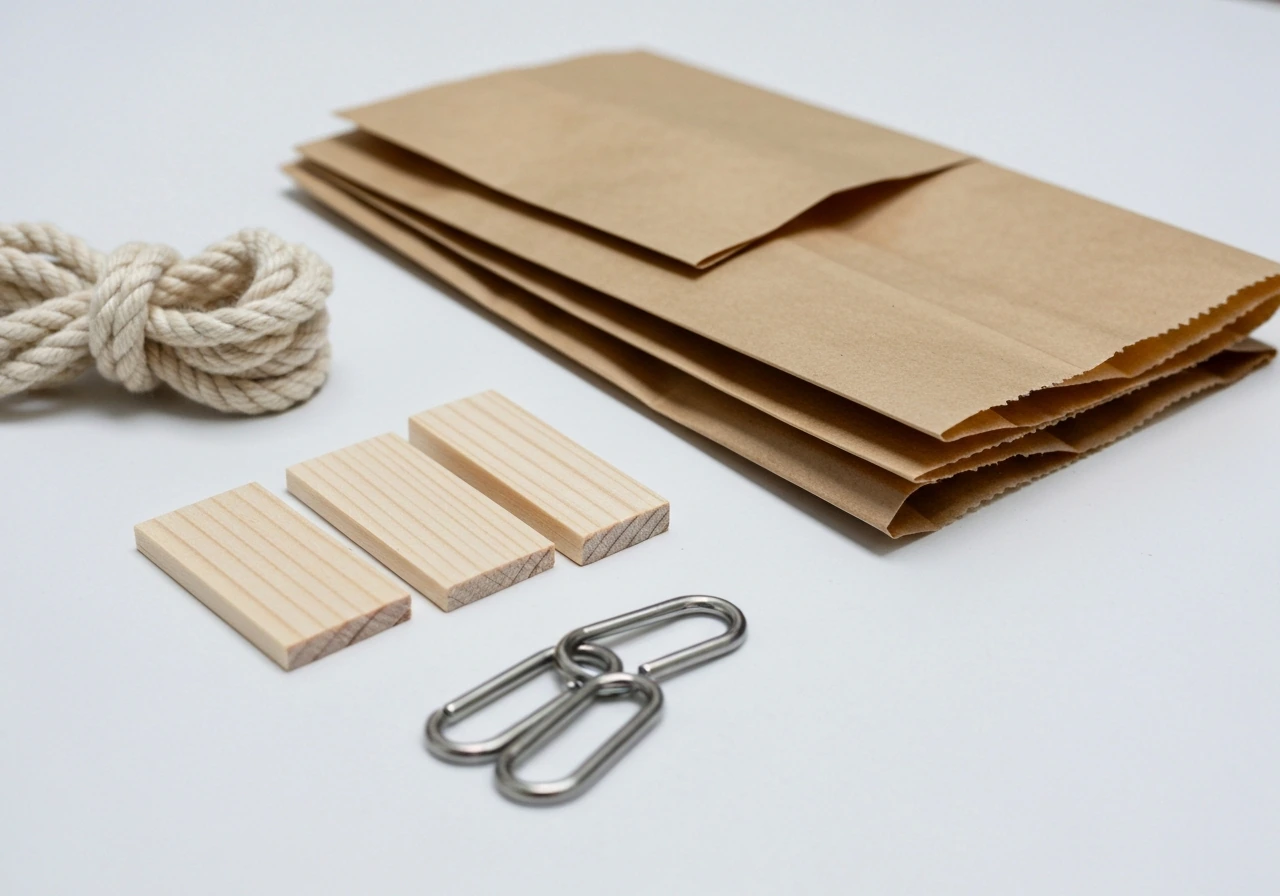
Getting the materials right is the most important step. A lot of beginner mistakes happen here, and some of them can be genuinely dangerous. The Association of Avian Veterinarians (AAV) is clear: use untreated, pesticide-free wood. The Association of Avian Veterinarians (AAV) recommends using pesticide-free, untreated wood for birds, and they list balsa and maple as safe options use untreated, pesticide-free wood. That's the core rule. If you're unsure whether a piece of wood has been treated, don't use it.
Safe materials to use
- Untreated, pesticide-free wood: balsa and maple are two that the AAV specifically calls out as safe options. Soft balsa is especially good for chew toys because budgies can actually make progress on it.
- Natural cotton rope or cotton twine (undyed or food-safe dyed): use thicker strands woven together, not thin single threads. Thin threads are a toe-snag hazard.
- Brown paper bags (unprinted or with food-safe ink only): great for shredding and foraging builds.
- Cardboard (plain, uncoated, no glossy finish): tubes from paper towel rolls, small boxes, and flat pieces all work well.
- Untreated sisal rope: sturdy, natural, and most budgies enjoy chewing it.
- Natural wood beads (untreated, unsealed): look for ones sold specifically as bird-safe.
- Stainless steel quick links or C-hooks: the safest option for hanging hardware. Zinc and lead-based metals are toxic to birds.
- Leather strips (vegetable-tanned, not chrome-tanned): safe when used in short lengths.
- Bird-safe food items: dried pasta (uncooked), dried corn cobs, millet sprays, dried herbs like chamomile.
Materials to avoid completely
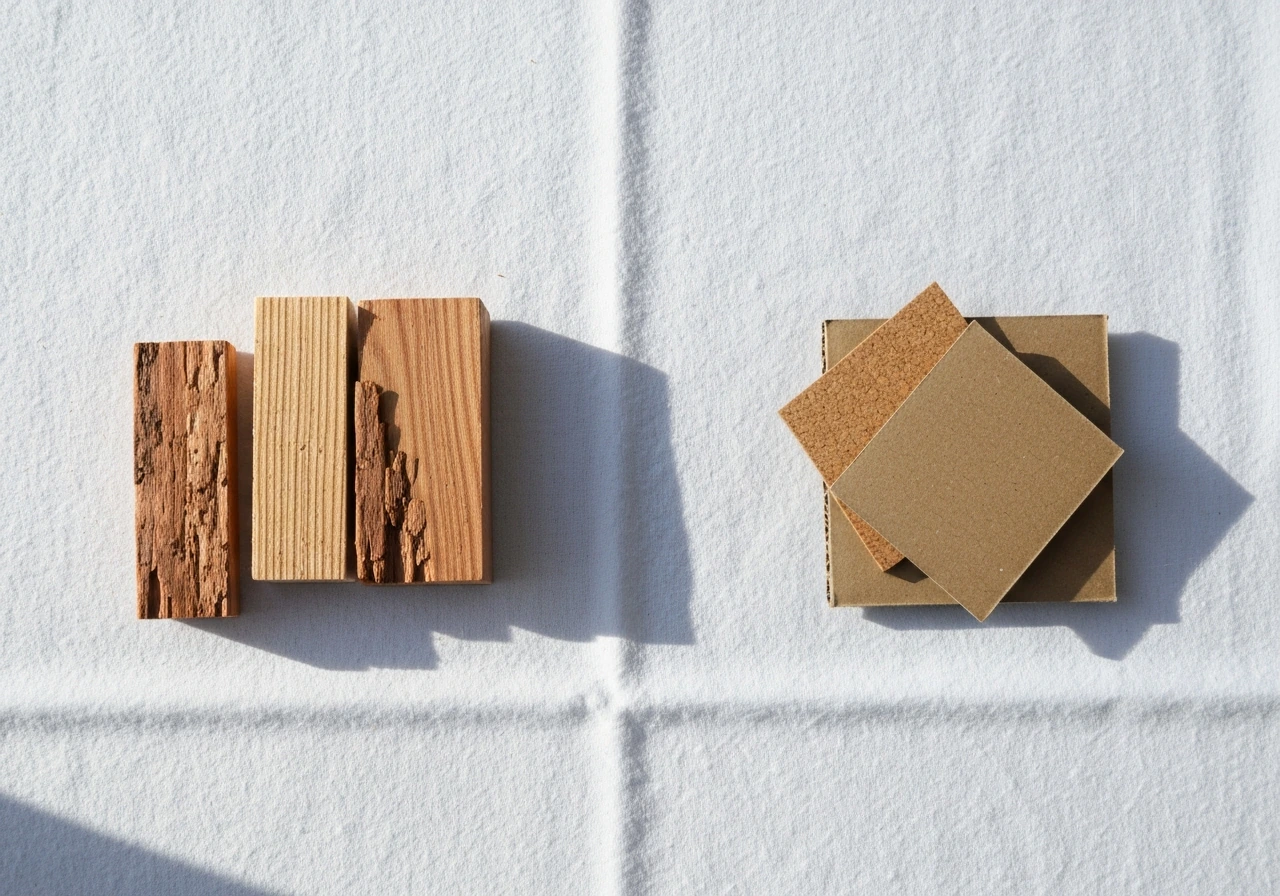
- Cedar and other treated or chemically preserved woods: parrots.org lists cedar among woods that can be dangerous to parrots, along with any wood treated with preservatives.
- Painted, varnished, or lacquered wood: the coating is the hazard, even if the wood itself is safe.
- Synthetic fibers like nylon: these can come loose into loops or nooses that entangle toes, feet, or necks.
- Zinc, lead, or galvanized metals: toxic if chewed or ingested.
- Jute that frays easily into thin strings: entanglement risk as it breaks down.
- Rubber, foam, or soft plastics: budgies will chew and ingest pieces.
- Anything with unknown coatings, glues, or finishes: when in doubt, leave it out.
A quick rule of thumb: if you wouldn't want your budgie to eat a tiny piece of it, don't include it. Budgies chew everything, so everything in the toy is potentially food.
Toy design basics: sizing, attachment, and avoiding hazards
Budgies are small birds, and that matters for every dimension of a toy. The cage bar spacing for budgies should be no more than 1/2 inch (about 12.7 mm). That measurement applies to any gaps in a toy too, because a budgie can get its head or foot stuck in a gap that size or slightly larger. Before offering any toy, look at every gap, loop, and opening and ask: could a small bird get stuck here? If you need a quick refresher on how to make safe bird toys, start with the materials and hazard checks described earlier in this guide.
For hanging toys, stainless steel quick links are your best friend. They're easy to open and close, they don't rust, and they're the attachment method recommended by multiple bird safety sources. Avoid key rings (small gaps can catch beaks), and avoid any hanging hardware that contains zinc or lead. If you buy a commercial attachment and aren't sure about the material, swap it for a stainless steel C-hook instead.
Rope and string length matters a lot. Keep hanging strings and loops short enough that your budgie cannot wrap them around its neck or body. A good rule: no single loop or strand longer than about 3 inches inside the cage. Inspect rope toys daily. As soon as you see fraying or loose threads forming loops, trim them or replace the toy.
When you finish any wooden toy component, run your fingers over every edge and corner. Splinters and sharp edges need to go. Light sanding with 120-grit sandpaper takes about 30 seconds per piece and makes a real difference. You don't need power tools for any of the builds in this guide.
Step-by-step chew and shred toy ideas
Chewing and shredding are some of the most natural and satisfying behaviors for budgies. These toys get destroyed quickly, which is a feature not a flaw. Build several at once so you always have a replacement ready.
Paper shred bundle
- Tear a plain brown paper bag into strips about 1/2 inch wide and 4 to 6 inches long. Avoid any paper with glossy coating or unknown inks.
- Fold each strip loosely in half.
- Thread 10 to 15 strips onto a short length of thick cotton rope (about 8 inches total rope length), folding each strip over the rope so both ends hang down.
- Tie a stainless steel quick link onto one end of the rope.
- Hang from a cage bar. That's it.
Most budgies take to this within a day or two. If yours ignores it at first, try tucking a small piece of millet into the paper strips to get interest started.
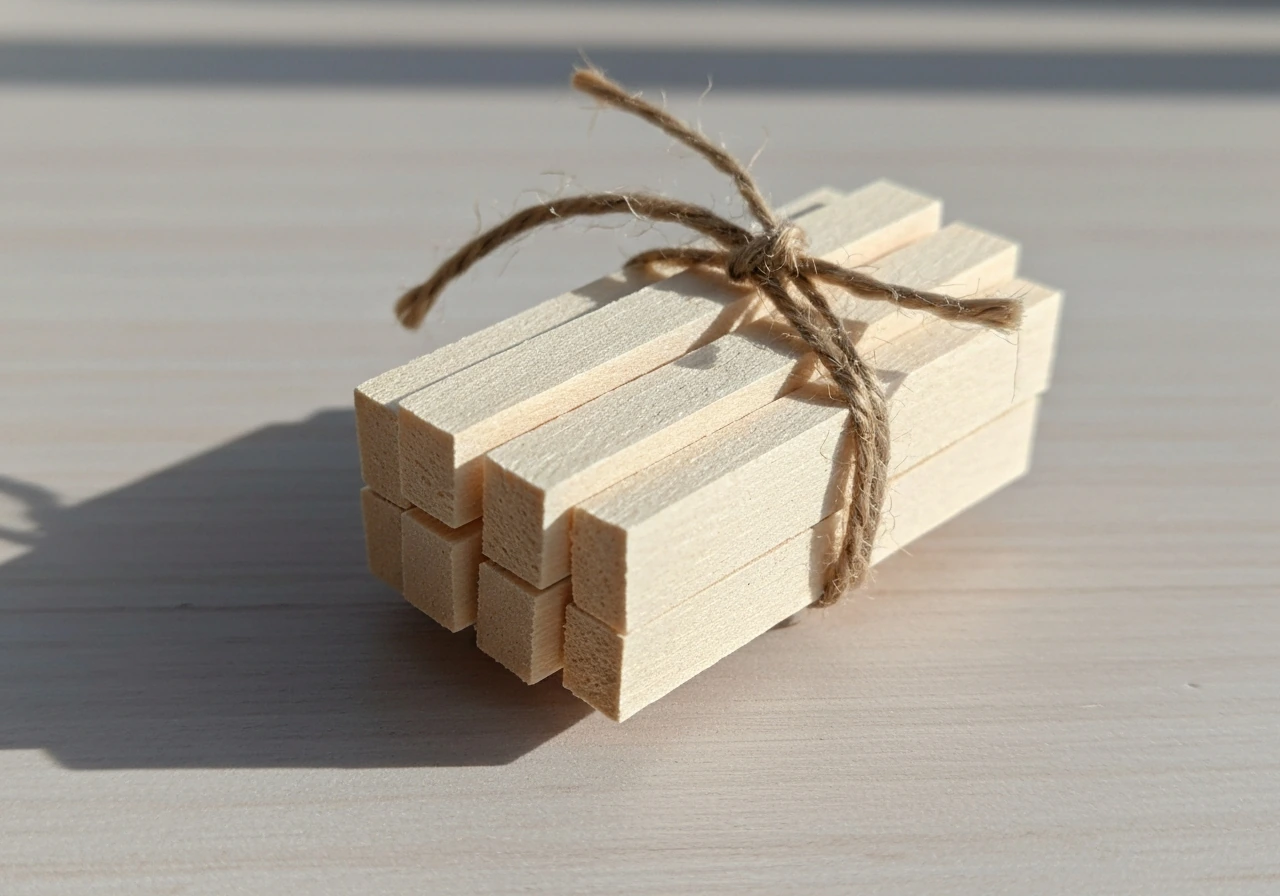
Balsa chew stick bundle
- Cut balsa wood into small rectangles, roughly 1 inch by 2 inches and 1/4 inch thick. Balsa cuts easily with a hobby knife or small handsaw.
- Sand all edges smooth with 120-grit sandpaper.
- Drill a small hole through the top of each piece (a hand drill or simple awl works fine).
- Thread the pieces onto a short length of untreated sisal rope or thick cotton rope, spacing them a couple of inches apart.
- Tie a stainless steel quick link at the top and hang in the cage.
You can also add plain cardboard pieces between the balsa blocks to give more shredding variety. Making bird toys with popsicle sticks follows the same basic principle and is another easy way to add flat chewable pieces to a hanging toy like this.
Cardboard tube shredder
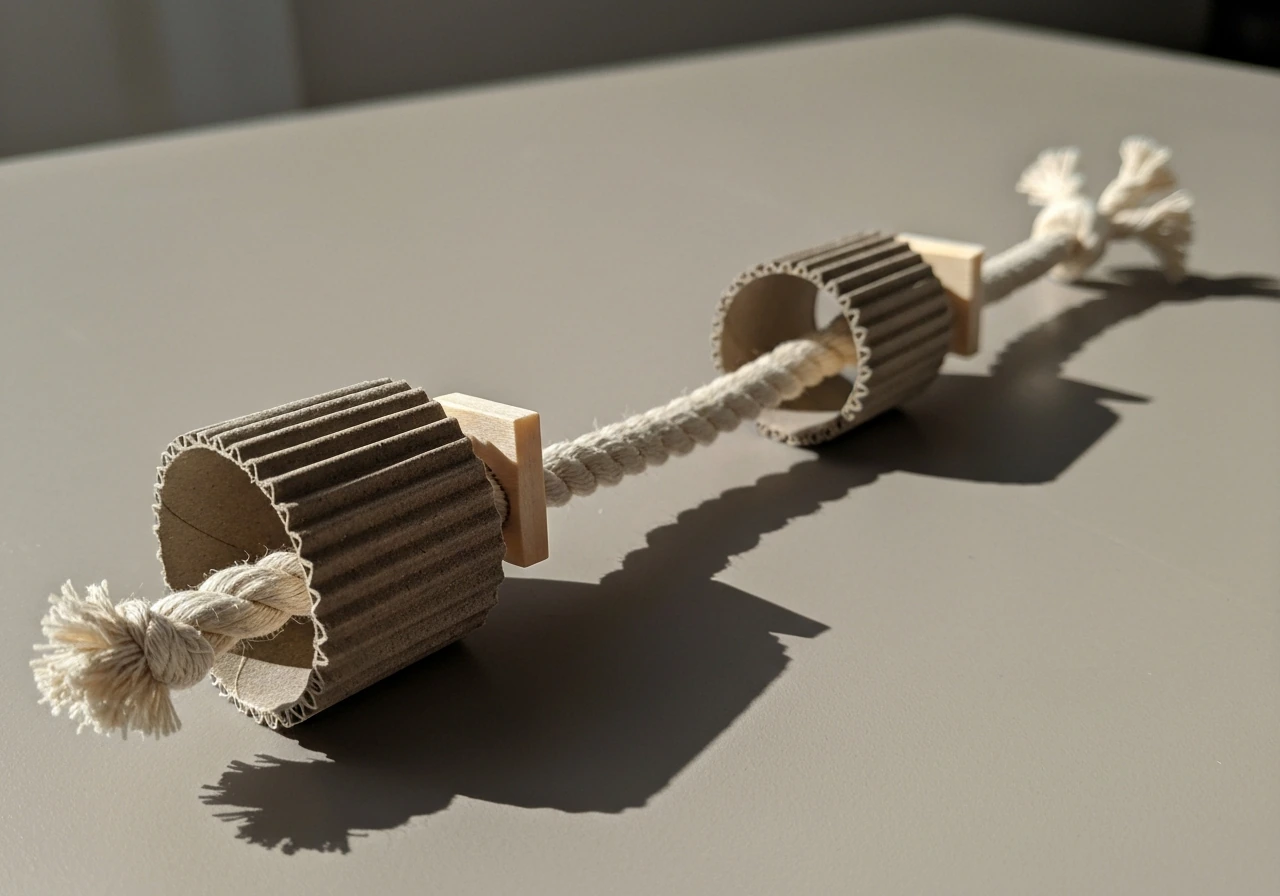
- Take a plain cardboard paper towel tube and cut it into 1-inch rings.
- Thread the rings onto a short length of thick cotton rope, alternating with small balsa pieces or natural wood beads if you have them.
- Cap with a quick link and hang.
This one is almost zero cost and most budgies love the texture. Replace the whole toy when the cardboard gets wet or soiled.
Step-by-step hanging and climbing toy ideas
Climbing toys engage a different set of behaviors: grip, balance, and movement. They also add vertical dimension to the cage, which budgies naturally love. These builds tend to last longer than shred toys.
Simple rope ladder
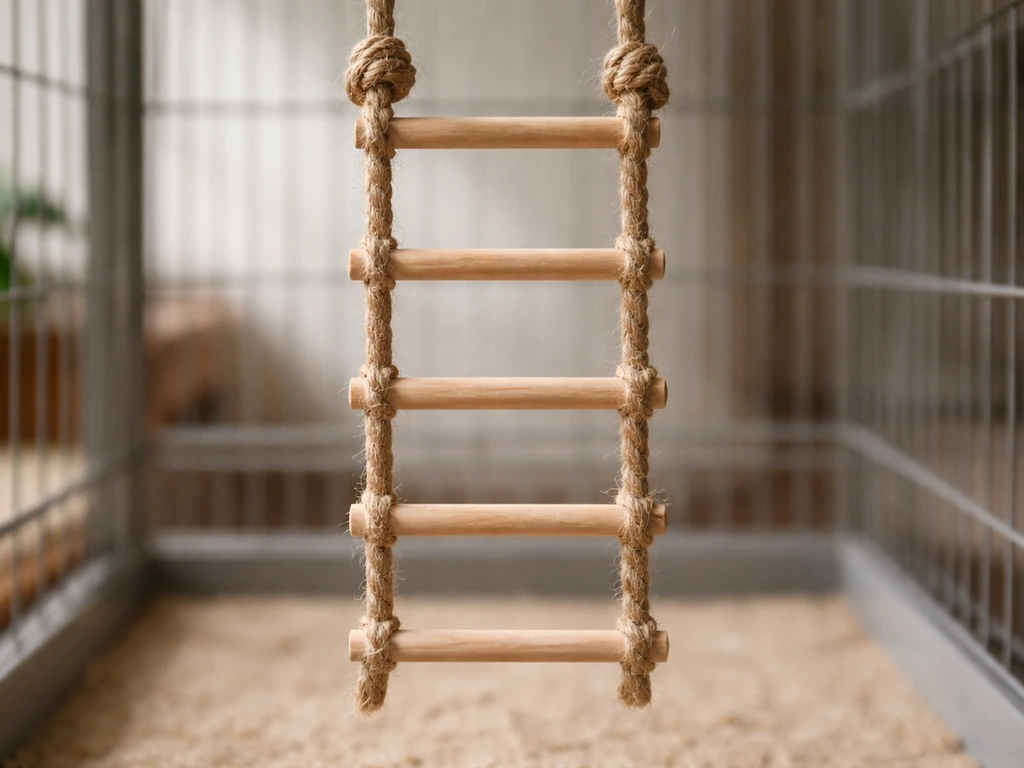
- Cut five or six small dowels from untreated wood (balsa or maple), each about 3 to 4 inches long and roughly 1/4 inch in diameter. Sand all ends smooth.
- Cut two lengths of thick natural cotton rope, each about 14 inches long.
- Lay the two rope lengths parallel, about 3 inches apart.
- Tie each dowel across both ropes using simple overhand knots, spacing the rungs about 2 inches apart. Make sure the knots are tight enough that the dowels don't spin out.
- Tie a loop at the top of both rope lengths to join them together, then attach a stainless steel quick link through the loop.
- Hang inside the cage from the top bars.
Keep the total ladder length under 10 inches so it stays clear of droppings from above. Position it away from food and water dishes.
Bead and ring climbing strand
- Take a length of thick cotton rope, about 10 to 12 inches.
- Thread on a mix of untreated natural wood beads and cardboard rings (from a tube cut into rings), alternating them as you go.
- Tie a knot below each bead/ring so they stay spaced out and don't slide together into a pile.
- Attach a quick link at the top and hang.
The variety of textures on this one is what makes it appealing. Budgies will chew the cardboard, push the beads around, and grip the rope at different heights.
Swing (the classic)
- Cut a single untreated wood dowel about 4 inches long and 3/8 inch in diameter. Sand ends smooth.
- Drill a small hole through each end of the dowel.
- Thread a short length of thick cotton rope through each hole and tie a secure knot below the hole so the rope can't pull through.
- Bring both rope ends up and tie them together at the top, leaving a loop about 2 to 3 inches long.
- Attach a stainless steel quick link through the loop and hang from the cage top.
Check that both rope sides are equal length so the swing hangs level. A swing that tilts too far will frustrate your budgie rather than delight it.
Foraging and puzzle toy builds you can make quickly
Foraging toys make your budgie work for treats, which is one of the best forms of mental enrichment you can offer. Even simple versions engage problem-solving behavior that keeps a bird occupied and mentally stimulated. Many bird toys you can make at home follow the same core foraging concept: hide something desirable and make the bird figure out how to get to it.
Paper-wrapped treat bundle
- Cut a 4-inch square of plain brown paper.
- Place a small pinch of millet, a dried herb sprig, or a piece of dried pasta in the center.
- Fold the paper up around the treat and twist the top closed like a candy wrapper.
- Attach the bundle to a cage bar using a short piece of cotton twine, or just tuck it between two bars.
- Let your budgie tear it open.
Start with loosely wrapped bundles so your budgie learns the reward is inside. Once they get the idea, you can wrap tighter and add layers of paper to increase the challenge.
Paper cup puzzle
- Take a small plain paper cup (no wax coating, no printed ink on the inside).
- Place a few seeds or a millet sprig inside.
- Cover the opening with a small square of brown paper, securing it loosely with a single loop of cotton twine around the outside of the cup.
- Place the cup on the cage floor or hang it from a bar using a short cotton rope threaded through a hole punched near the rim.
This is essentially what foraging researchers describe when they talk about cups hiding treats. It's simple, cheap, and you can make five of them in ten minutes.
Cardboard box forager
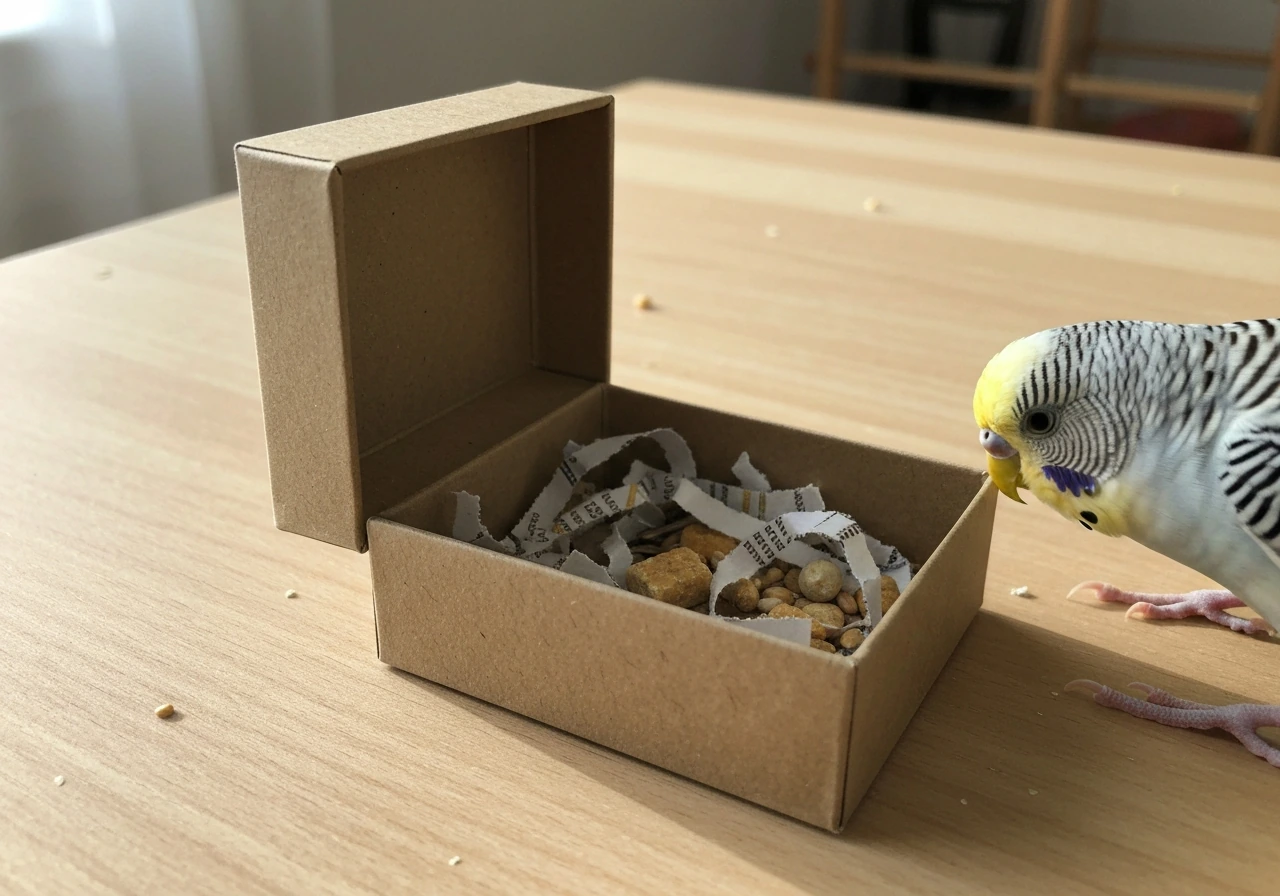
- Take a small plain cardboard box (a jewelry box or small gift box works perfectly, nothing with glossy coating).
- Fill it loosely with torn paper strips, a few seeds, and small pieces of balsa or cardboard.
- Close the lid but don't seal it, just fold it shut so your budgie has to work to open it.
- Place in the cage or hang from a rope threaded through the box.
The combination of shredding, foraging, and finding rewards in one toy keeps budgies engaged much longer than a simple perch or bell. As your bird gets more experienced, you can start burying the treats deeper or using more layers of paper.
How to color wood for your toys safely
If you want to add some color to your wooden toy pieces, the only safe way to do it is with bird-safe dyes, never paint, varnish, or standard wood stain. Dyeing wood for bird toys is a whole topic on its own, but the short version is: use food-safe or bird-safe colorants only, and let pieces dry completely before giving them to your bird.
Safety checklist: how to test, clean, and maintain toys
Building a toy is only half the job. Testing it before offering it, and checking it regularly after, is what keeps your bird safe long-term. Run through this checklist before any new toy goes into the cage and repeat the key checks daily.
Before the toy goes in the cage
- Check every gap and loop: can a small budgie foot, toe, beak, or head get stuck? If yes, fix it or discard.
- Tug every knot firmly. If it slips, retie it. Loose knots become dangerous loops.
- Run your fingers over every wood surface. No splinters allowed.
- Verify all hardware is stainless steel or confirmed bird-safe metal.
- Confirm no painted, varnished, or coated surfaces are present.
- Make sure no single rope strand or loop is longer than about 3 inches.
- If any material is uncertain, leave it out.
Daily checks
- Inspect rope and sisal for fraying. Trim loose fibers immediately or replace the toy.
- Look for new loops or gaps that weren't there yesterday (toys change shape as they're chewed).
- Check that hanging hardware is still secure and not bent or corroded.
- Remove any toy that has gotten wet from droppings or water. Wet organic material grows bacteria and mold quickly.
Cleaning and replacing
Wooden and paper toys that get wet or heavily soiled should be replaced, not cleaned. They're cheap and fast to rebuild, so don't try to rescue a soggy paper shred toy. Natural rope and sisal pieces that are still intact can be rinsed with hot water and dried fully in a warm spot before going back in the cage. Never use soap, bleach, or chemical cleaners on anything that goes inside the cage unless it's specifically confirmed bird-safe. When in doubt, replace it.
Toy rotation and troubleshooting
Budgies can get bored with the same toys just like they get bored without any toys. Rotate two or three toys out every week so there's always something that feels new. Keep a small stock of pre-built replacements so rotation is easy. If your budgie completely ignores a toy, try moving it to a different position in the cage or adding a food reward inside to create initial interest. If a budgie is over-shredding everything obsessively or pulling out feathers even with plenty of enrichment, that's a sign to consult an avian vet, not just add more toys. Feather-destructive behavior can have medical causes that toys alone won't solve.
One thing I've learned from building a lot of these: your first few toys will be a little rough. A knot you tied might loosen, or a balsa piece might be too thick for your bird to make any progress chewing. That's normal. Adjust and rebuild. The more you make, the faster and better you get, and your budgie will be a pretty honest critic about what works.
When to replace a toy, not just repair it
| Sign | Action |
|---|---|
| Rope is fraying into thin individual threads | Replace immediately |
| Any loop large enough to pass a finger through | Replace or reknot before offering |
| Wood pieces are splintered or have sharp edges | Sand or discard the piece |
| Hardware shows rust, corrosion, or bending | Replace hardware or retire the toy |
| Toy is wet or soiled with droppings | Replace, do not clean and return |
| Gaps in the toy have grown larger from chewing | Re-check gap size, replace if over 1/2 inch |
The time investment in checking toys daily is maybe two minutes. It's genuinely the most important part of the whole process, more important than the specific design or materials. A safe toy kept safe is what actually protects your bird.
FAQ
Can I make bird toys for budgies with wood I find outside or from a hardware store scrap pile?
Only if you can confirm it is untreated and pesticide-free. If you cannot verify treatment, skip it. Also avoid wood that smells strongly, has dark stains, or looks sealed, varnished, or chemically colored, even if it seems “natural.”
What rope or twine is safest for budgie toys?
Choose natural fiber that you can inspect closely, then keep lengths short and check for fraying daily. Synthetic ropes can be harder to judge for loose filaments, and some can melt or shed in heat, so if you cannot clearly identify the fiber type, use a different material.
How do I know if a hanging toy attachment is too small for a budgie?
Do a “head and foot test.” Any gap should be smaller than about 1/2 inch, and any loop should not be able to stretch over the head or snag a toe. If a ring, hook, or connector can be rotated so a budgie’s beak can slip into a pinch point, replace the hardware.
Is it safe to glue parts together for DIY budgie toys?
Only when you are sure the adhesive itself is bird-safe and will not release fumes as it cures. If you cannot confirm that, don’t use glue, rely on mechanical fastening (tied knots, dowels, or wire-free wrapping) instead. For any glued toy, remove it immediately if you notice strong odor or tackiness.
Can I wash or clean a paper-and-cardboard toy instead of replacing it?
Generally no. If it gets wet or heavily soiled, replace it. Paper quickly holds moisture and can grow odors or mold, and dried residues can create dust your budgie will inhale while chewing.
My budgie keeps chewing through rope very fast. Should I keep using rope toys?
Switch the toy design so rope is protected by other chewable materials, and keep backups ready. If you see fraying forming loops, trim only until the frayed area is gone, then replace if it reappears. If chewing is frantic or paired with feather pulling, enrichment alone may not be enough.
Are bells safe in budgie toys?
They can be, but only if the bell cannot be disassembled and you use bird-safe attachment hardware with no sharp edges. Avoid toys where the bell housing can loosen or create pinch points, and remove the toy if you see cracks or rattling parts.
How close can a toy be to food or water dishes?
Keep toys positioned so crumbs and shredding do not fall directly into food or onto water. Also place climbing ladders away from droppings paths from above, and give the toy a stable hang so it does not swing into dishes.
Should I offer foraging toys every day, or will it over-stimulate my budgie?
Many budgies benefit from daily short sessions, but keep the sessions time-limited at first (for example, 15 to 30 minutes) and watch for stress signs like frantic pacing, ignoring rest, or aggressive chewing. If your budgie seems worn out or stressed, reduce frequency and rotate easier builds.
What should I do if my budgie ignores the toy after a few tries?
Change one variable at a time. Try placing it at a preferred perching height, moving it closer to where your budgie already spends time, and adding a small food reward inside to create an immediate payoff. Avoid leaving rewards in the toy long enough to spoil if the toy gets damp.
Can I dye or stain DIY wood pieces to make toys more colorful?
Only use bird-safe or food-safe colorants and let everything fully dry before it goes in the cage. Do not use standard paint, varnish, or wood stain because residues can be toxic and may off-gas. If you can’t confirm the exact product safety for birds, skip coloring and keep the wood natural.
How often should I rotate toys, and what if I only have one good toy type?
Rotate two or three toys weekly so novelty stays high. If you only have one type, rebuild multiple copies of it (with small design variations like different paper layers or different knot positions) so the texture and challenge shift without needing entirely new categories.
Next Articles
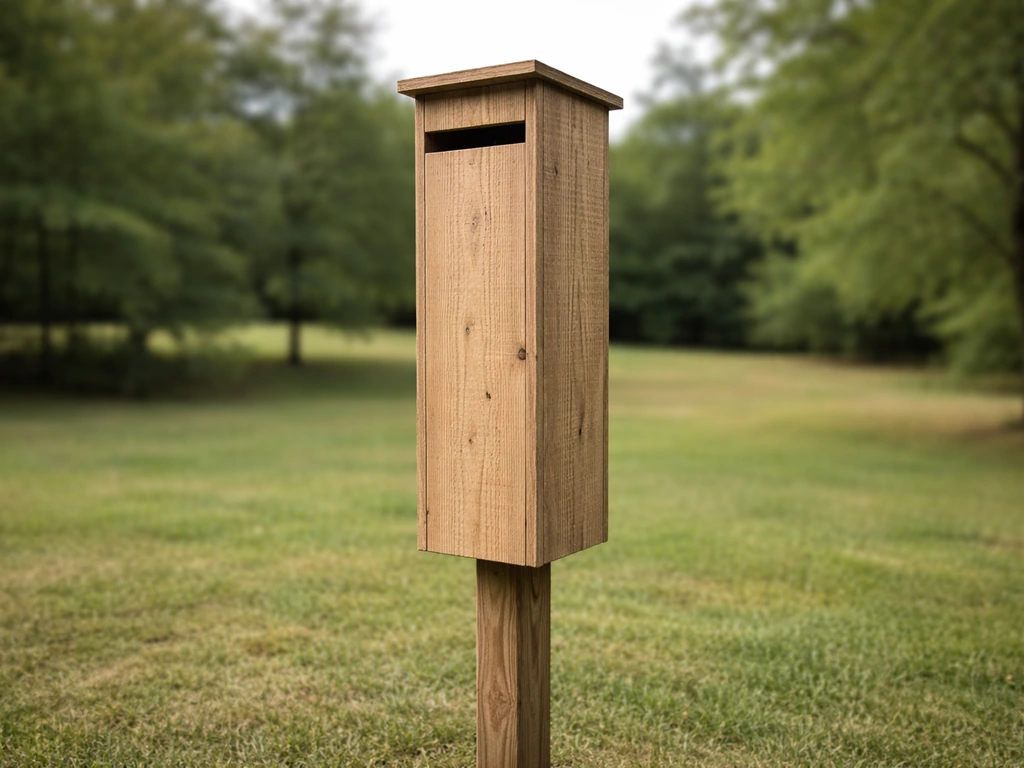
How to Build a Chimney Swift Bird House DIY Guide
Step-by-step DIY plans to build a chimney swift bird house, with correct dimensions, placement, and weatherproofing for
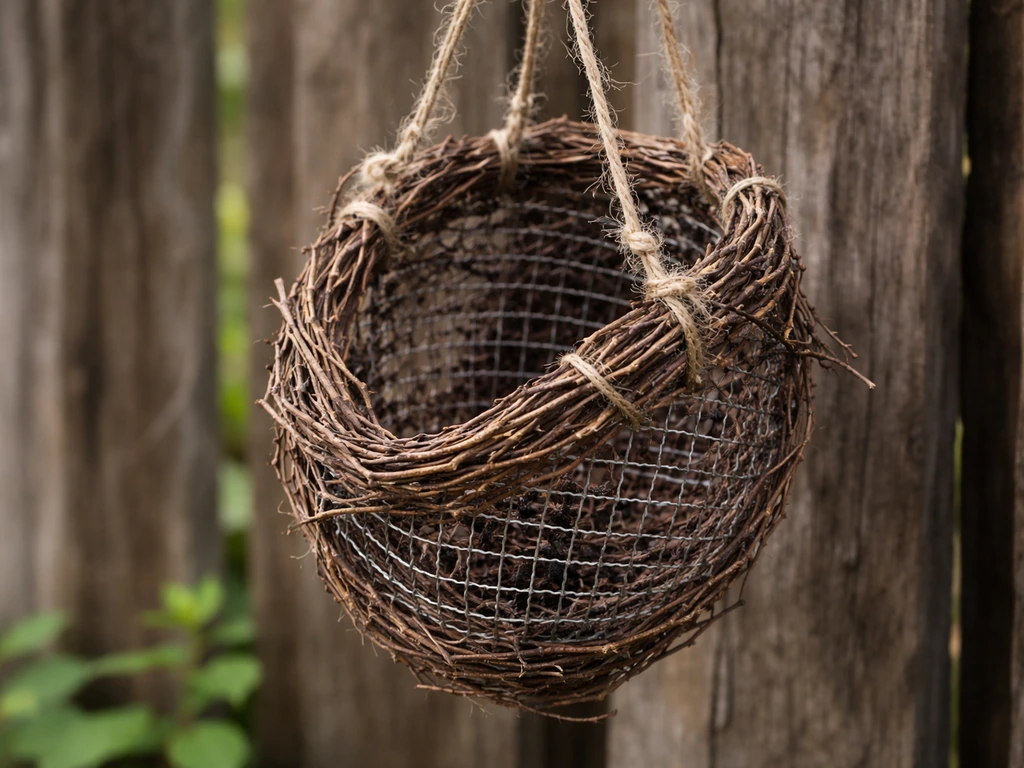
How to Build an Oriole Bird House: Step-by-Step DIY
Step-by-step DIY for building an oriole bird house with right dimensions, weatherproofing, predator-safe placement, and
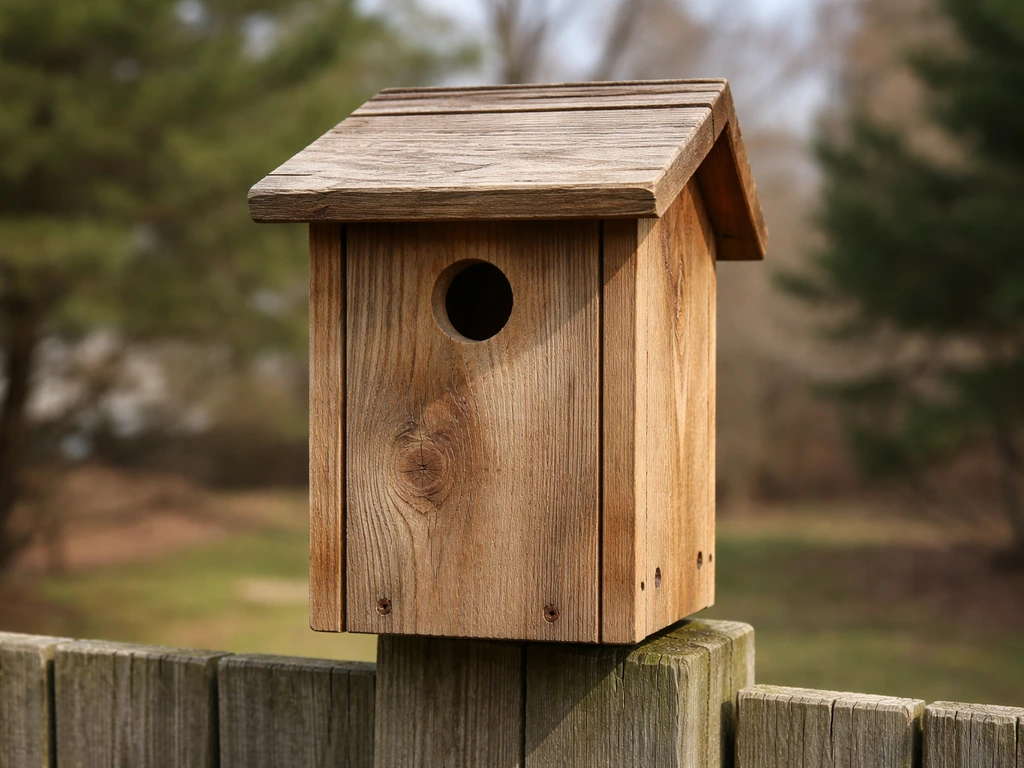
How to Build a Chickadee Bird House Step by Step
Step-by-step DIY chickadee bird house with cut list, chickadee entry sizing, ventilation, drainage, and mounting tips.