You can make safe bird toys at home today using untreated natural wood, stainless steel hardware, and bird-safe rope or leather, the key is knowing exactly what to leave out. Treated lumber, galvanized or zinc-plated hardware, aromatic woods like cedar, mystery craft-bin metals, fraying synthetic rope, and any glue or finish with unknown chemistry are the things that hurt birds. Get those off the workbench and you are already 80% of the way to a safe build.
How to Make Safe Bird Toys: DIY Safety Checklist
Marcus Thornton
17 May 2026
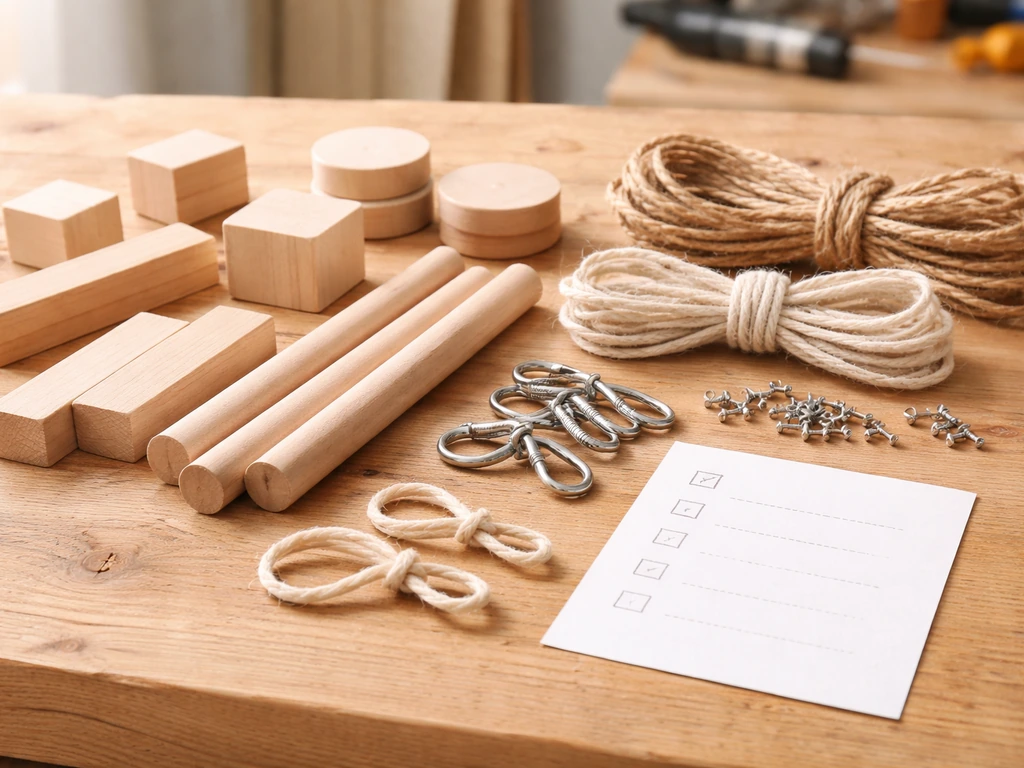
Safety checklist before you start
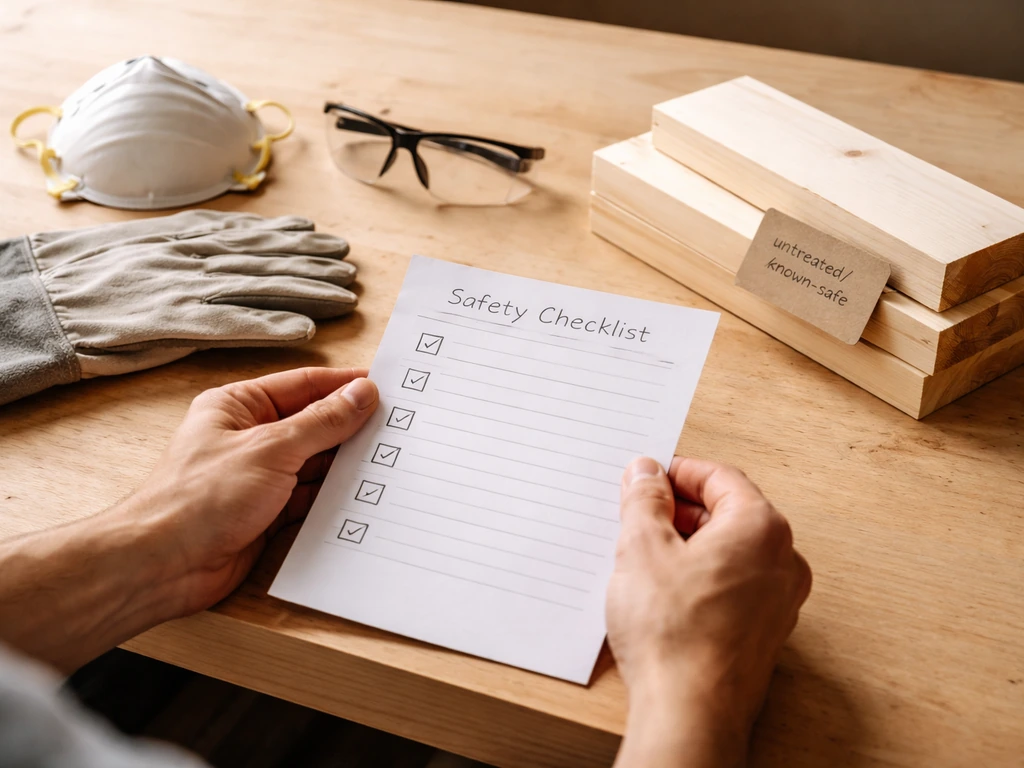
Run through this list before you cut a single piece of wood. It sounds like a lot, but once you have done it a couple of times it takes about two minutes and it will genuinely save you from a bird vet visit.
- Confirm every piece of wood is untreated and from a known-safe species — no pressure-treated lumber, no cedar, no redwood.
- Check all hardware for the words 'stainless steel' — if it does not say that, assume it may contain zinc or lead and set it aside.
- Inspect any rope or cord for loose fibers before you cut; if it frays easily when you pull the end, choose a different material.
- If you are using any adhesive, plan to cure it fully in a well-ventilated space and keep birds out of the area until it has completely hardened.
- Look at every component and ask: can a bird get its head, foot, wing, or beak stuck in this? If yes, resize or redesign before building.
- Check that no individual part is small enough to be swallowed by the species you are building for.
- Make sure your build can be cleaned — smooth surfaces, no hidden cavities that trap droppings and moisture.
- Move any paints, stains, varnishes, or unknown finishes off the workspace entirely. If you would not eat it, assume the bird will.
Materials and supplies: what's safe vs. what to skip
This is the part where most first-time toy makers go wrong, not because they are careless, but because a lot of the materials at the craft store or in the hardware bin look perfectly fine and are genuinely dangerous for birds. Here is a straightforward breakdown.
Wood
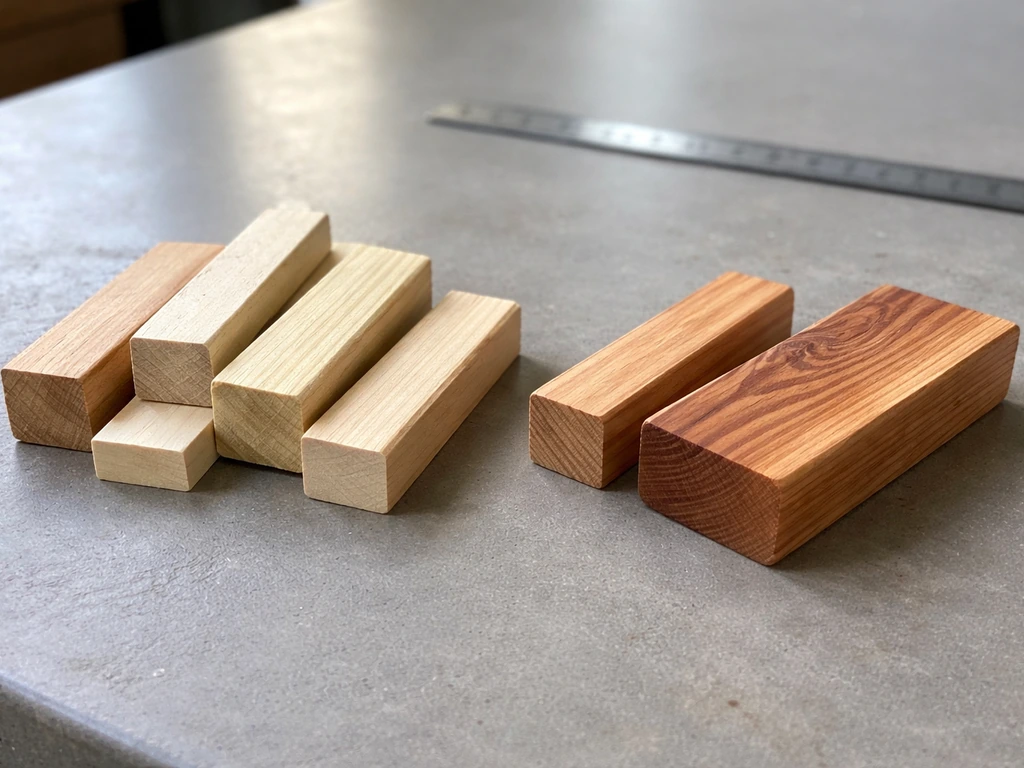
Stick with untreated softwoods and hardwoods from a known clean source. Poplar, birch, pine (non-aromatic), balsa, willow, and apple wood are all well-regarded choices. Avoid cedar and redwood, they release aromatic oils and resins that irritate birds' respiratory systems, which are extremely sensitive. Aromatic conifers in general are a problem. Also avoid any lumber that has been pressure-treated, stained, painted, or preserved with unknown chemicals; those preservatives can leach out and be chewed directly into a bird. When in doubt about a wood's source or treatment history, do not use it. That is not being overly cautious, it is just the right call when you cannot verify the chemistry.
Hardware and metal parts
Stainless steel is your default for every screw, nut, bolt, eye hook, and quick link. Birds chew on hardware constantly, and galvanized or zinc-plated metals introduce heavy metal ingestion risk every time they do. Lead is equally serious, it shows up in bell clappers and cheap craft bells more often than you would expect. Buy stainless steel specifically and look for that label. Small link chains are a separate hazard because a bird's lower beak or toe can slip through a link and get stuck; if you use chain, use welded stainless links with openings too small to trap any part of the bird's body.
Rope, cord, and fiber
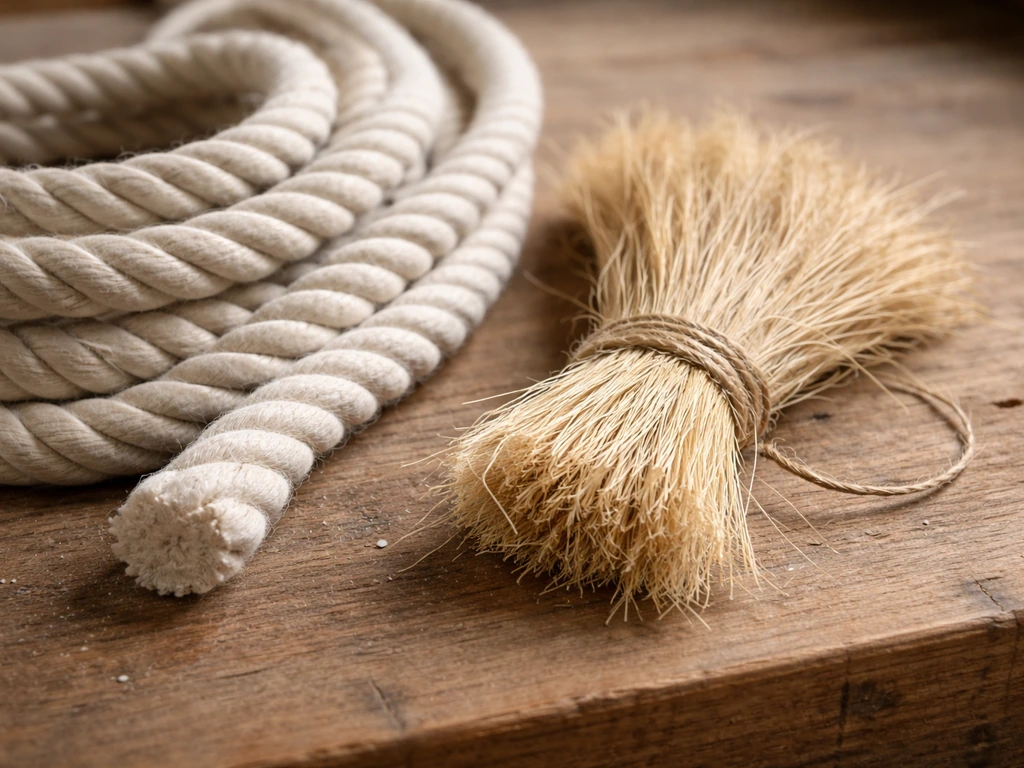
Natural cotton rope and untreated sisal are popular, but they require active monitoring because both fray. The danger is not really the material itself, it is the loose fibers. A single strand can wrap around a toe or talon and cut off circulation, or get swallowed and cause a blockage. Use rope with some confidence, but inspect it every few days and trim or retire frayed sections immediately.
Avoid nylon rope entirely because nylon fibers are synthetic, do not break down safely, and can cause real internal damage if swallowed. Jute and hemp are good natural alternatives. Some birds that are dedicated chewers (particularly larger parrots) should not have rope toys at all, if your bird snips off pieces and tries to swallow them, rope is the wrong material regardless of type.
Adhesives and finishes
Cyanoacrylate (super glue) is technically workable if you absolutely need adhesive, but the fumes during application are irritating to eyes, nose, and lungs, keep birds completely out of the room and give it a full cure before bringing a bird anywhere near it. Epoxies involve similar concerns during the off-gassing phase; cured epoxy is generally safer than uncured, but follow full cure instructions and never rush it.
Honestly, the cleanest approach for most DIY bird toys is to design joints and attachments mechanically so you do not need glue at all. Avoid any spray paint, varnish, lacquer, or wood stain, full stop. Natural food-grade dyes are an option for coloring wood (that topic is worth its own deep dive for anyone wanting to add color to their builds).
If you want to go deeper, learn how to dye wood for bird toys using natural food-grade dyes while keeping the dye and cure process bird-safe.
| Material | Safe? | Notes |
|---|---|---|
| Untreated birch, poplar, balsa, apple wood | Yes | Great for chewing and shredding toys |
| Cedar, redwood, aromatic conifers | No | Aromatic oils irritate bird respiratory systems |
| Pressure-treated or stained lumber | No | Chemical preservatives leach and can be chewed |
| Stainless steel hardware | Yes | Only safe metal option for bird contact |
| Galvanized or zinc-plated hardware | No | Heavy metal ingestion risk when chewed |
| Cheap craft bells with unknown clappers | No | Often contain lead; avoid entirely |
| Natural cotton rope, sisal, jute, hemp | Conditional | Safe until frayed; requires frequent inspection |
| Nylon/synthetic rope or cord | No | Indigestible fibers; entanglement risk |
| Leather strips (vegetable-tanned, undyed) | Yes | Great for foraging and foot manipulation |
| Unknown craft-bin metals or clasps | No | Metal content unverifiable; avoid |
| Super glue (fully cured, ventilated) | Conditional | Keep birds away during application and cure |
| Paint, varnish, lacquer, stain | No | Toxic fumes and chew risk; skip entirely |
Designing for what birds actually do
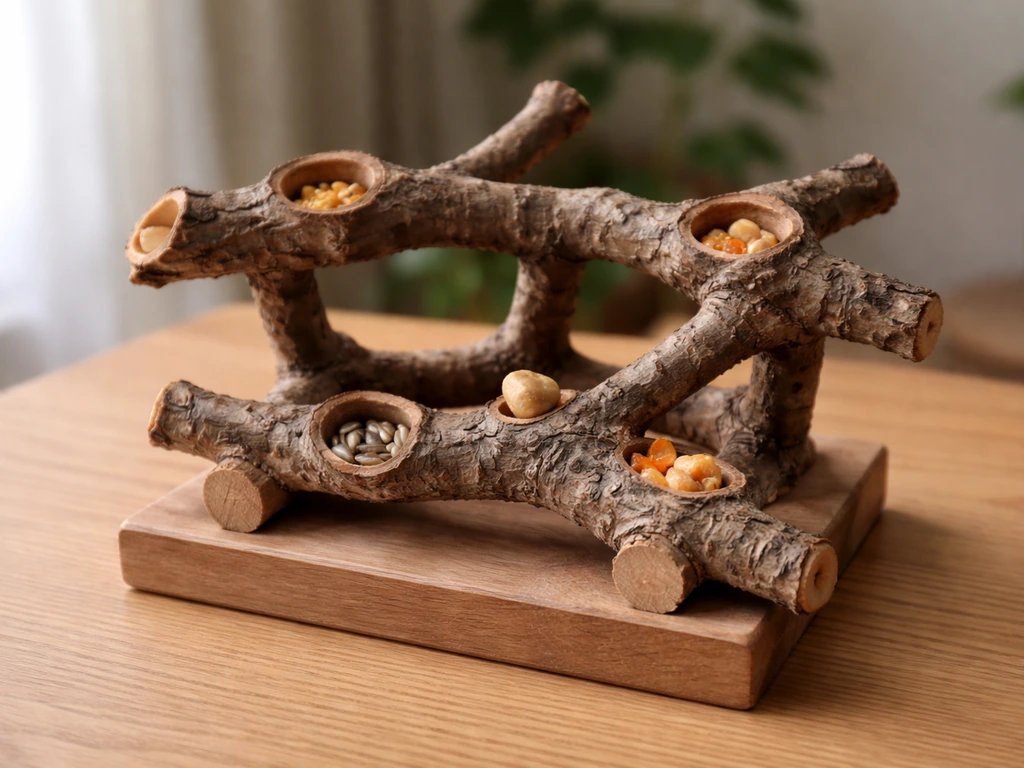
The best bird toys are the ones that match what a bird does naturally. Birds in the wild spend a huge portion of their day foraging, manipulating objects with their beaks and feet, and physically interacting with their environment. A toy that does not give them something to do with that energy is just decoration. Design for behavior and you end up with toys that are safer too, because birds are less likely to frustrate-chew the wrong parts.
Chewing
Chewers, parrots especially, but also some backyard birds that visit suet-style feeders, need toys where the chewing is the point. Soft, untreated wood blocks in irregular shapes are ideal. Balsa and pine (again, not aromatic pine) are popular because they are soft enough to destroy satisfyingly but do not create huge splinter hazards. Stack multiple small wood pieces on a stainless steel bolt or natural wood skewer so the bird can work through layers. Think of it less like a toy and more like a puzzle that gets demolished.
Shredding
Shredding toys use palm fronds, corn husks, seagrass mats, or plain brown paper, all of which can be sourced cheaply and are fully compostable when retired. The idea is that the bird rips the material apart, which is mentally and physically stimulating. Tie strips loosely to a central wooden dowel or hang them in a bundle. Keep individual strips short (under 6 inches for smaller birds) to reduce entanglement risk. Replace the whole bundle when it gets ragged rather than waiting for it to fall apart on its own.
Foraging
Foraging toys hide food inside a structure the bird has to work to access. This is one of the most enriching things you can build, birds can spend hours on a good foraging puzzle and it mirrors exactly what they do in the wild. A simple version is a drilled wooden block with shallow holes filled with seeds or nuts. A more involved version uses a series of small wooden boxes with lids the bird has to lift or slide. For backyard birds, a log feeder with drilled cavities packed with suet or peanut butter serves the same purpose.
Climbing and perching
Climbing structures use natural branches, wooden ladders, or knotted rope (with the fraying cautions above in mind). Irregular surfaces are better than smooth dowels because varied textures give feet a real workout and reduce pressure sores. For perches specifically, diameter matters: a perch that is too thin or too thick for the bird's foot prevents proper gripping and causes strain. A good perch diameter lets the bird wrap its toes about two-thirds of the way around. For a budgie that is roughly 3/8 to 1/2 inch diameter; for a cockatiel, 5/8 to 3/4 inch; for a larger parrot, up to 1.5 inches.
Four DIY toy builds you can start today
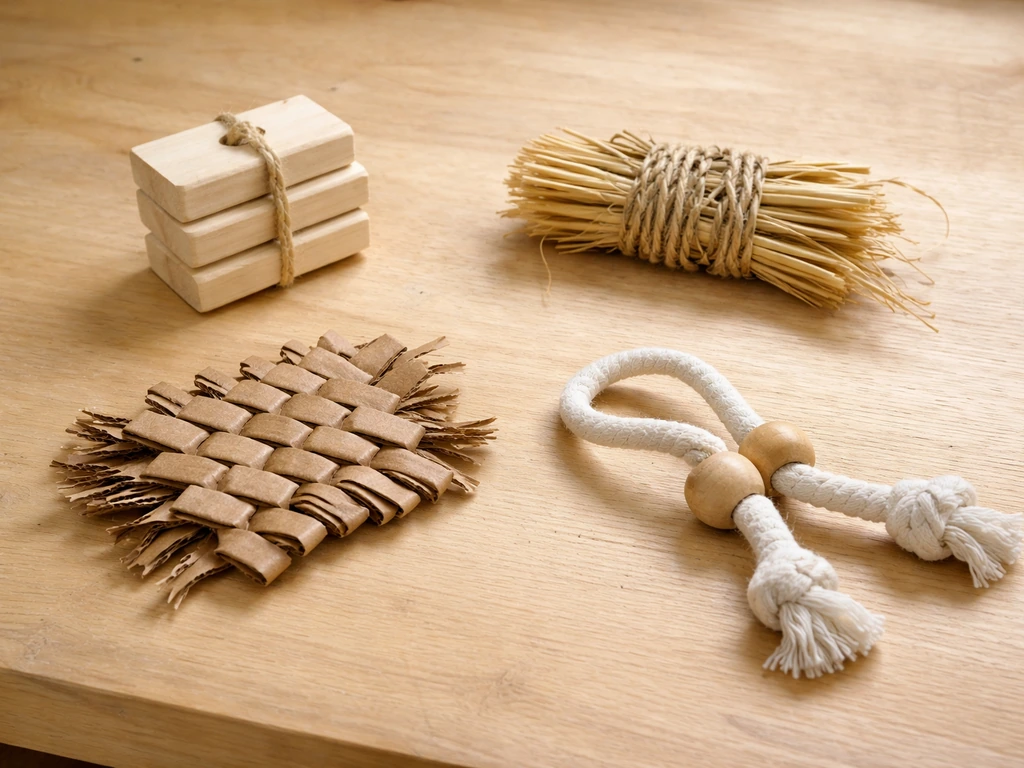
These are real builds I have made and tested, not just theoretical ideas. If you want more inspiration beyond these starting points, see how to make bird toys for additional DIY bird toys ideas you can adapt safely. If you want something simpler, you can also make bird toys with popsicle sticks using the same safety-first materials and attachment rules. If you want more variety, use these DIY bird toys you can make at home as additional inspiration after you finish the material safety steps. I have also failed at versions of all of them, so I will flag the things that went wrong the first time.
Build 1: Stacked wood block chewer (beginner)
Cut untreated balsa or pine into small blocks, roughly 1.5 inches square for smaller birds, 2 to 3 inches for larger birds. Drill a hole through the center of each block. Thread them onto a stainless steel bolt or a thick natural wood dowel, alternating with beads made from untreated wood. Cap both ends with stainless steel nuts (use washers to prevent the nut from pulling through). Hang the whole assembly using a stainless steel quick link from a cage bar or a branch hook. The bird chews the blocks off one by one. The first time I made this, I used a galvanized bolt from the hardware bin, classic beginner mistake. Stainless only.
Build 2: Paper and palm shredder (beginner)
Cut palm fronds, corn husks, or thick brown kraft paper into strips about 1 inch wide and 4 to 5 inches long. Fold each strip over a short length of natural cotton rope (about 8 inches total rope length) and tie it loosely at the midpoint. Gather 10 to 15 strips on the rope and tie both ends to a small untreated wood dowel. Hang from a stainless steel quick link. This one is nearly foolproof and almost free. Retire the whole bundle when 30 to 40% of the strips are gone or when the rope shows any fraying.
Build 3: Foraging block (intermediate)
Start with a piece of untreated pine or poplar roughly 4 inches long and 2 inches square. Use a drill press or a hand drill with a spade bit to bore 5 to 8 holes of varying diameter into the faces, about 3/4 inch deep for small seeds, 1 inch deep for larger nuts or pellets. Sand all edges smooth with 120-grit sandpaper and wipe off all dust before use.
Drill a hanging hole through the top and thread a stainless steel eye bolt through it, secured with a stainless nut and washer. Fill the cavities with the bird's regular food and let them work for it. For outdoor log feeders for wild birds, scale up the same concept using a natural branch section 6 to 8 inches long and pack the holes with suet.
Build 4: Natural branch ladder (intermediate)
Collect branches from bird-safe trees, apple, willow, birch, or maple all work well. Avoid any branch that shows signs of mold, sap flow, or unknown treatments. Cut 4 to 6 rungs of roughly equal diameter and two longer side rails. Connect them using stainless steel nuts and bolts, drilling pilot holes first to prevent splitting.
Keep the spacing between rungs proportional to the bird: 2 to 3 inches for budgies and small birds, 4 to 5 inches for cockatiels, up to 6 to 7 inches for larger parrots. Hang using stainless steel S-hooks bent closed with pliers so there is no open gap. The first time I did this I left the S-hooks open and a bird got its lower beak caught immediately. Bend them closed before hanging, always.
How to size toys and avoid choking and entanglement hazards
Sizing is not just about whether the toy fits in the cage, it is about whether any part of it can trap, choke, or wrap around the bird. A cockatiel-sized toy is genuinely dangerous for a larger parrot because the parrot can dismantle it fast enough to create choking hazards from the smaller components. Go up in size, not down, when you are not sure.
- Any opening, gap, or ring large enough for the bird's head to enter but small enough to prevent it from pulling back out is an entanglement hazard — test every gap before hanging.
- Individual loose parts (beads, bells, buttons) should be either too large to swallow or too securely attached to detach under vigorous chewing — if in doubt, leave them off.
- Rope and cord lengths should be kept short: under 6 inches of free-hanging length for small birds, under 10 inches for medium birds. Long loops are the main strangulation risk.
- Metal chain links should be welded shut and sized so the smallest link opening is too small to admit any part of the bird's anatomy — a beak tip, toe tip, or feather shaft.
- Splinters are a sharp-edge hazard: sand all cut wood surfaces before use and re-inspect after the bird has been chewing, because fresh chewing can create new splinters mid-toy-life.
- Weight matters structurally: a toy that is too heavy for its hanging point can fall and injure a bird, or the bird can become trapped underneath it. If it sways uncomfortably when you push it, it is too heavy for that attachment point.
Cleaning, inspecting, and knowing when to retire a toy
Toys collect droppings, food residue, and moisture fast, and all three together are a recipe for bacterial and mold growth. Regular cleaning is not optional, it is part of making the toy safe over its whole lifespan, not just at build time.
Regular cleaning routine
Start by physically scrubbing the toy with mild dish soap and warm water, this step removes the actual organic material (droppings, food) that disinfectants cannot penetrate effectively if left in place. Rinse thoroughly. For disinfection, a diluted bleach solution works well: roughly 1 part bleach to 30 parts water is a commonly used ratio. Soak non-porous components for 15 to 30 minutes, then rinse every surface thoroughly with clean water to remove all bleach residue. Dry completely before returning the toy to the bird, damp surfaces grow mold, and mold is a respiratory hazard. Never skip the drying step.
Inspection checklist
- Check all rope and cord for fraying every 2 to 3 days for active chewers, weekly for less destructive birds.
- Inspect wood surfaces for new splinters created by chewing — sand smooth or retire the piece.
- Check all hardware connections to confirm nothing has loosened; tighten or replace any loose nuts or bolts.
- Look at metal parts for any signs of rust or discoloration — rust creates sharp edges and compromises the integrity of the metal.
- Squeeze and flex any rope or cord to check for internal fraying that might not be visible on the surface.
- Check that all openings and gaps are still within safe sizing limits — chewing can enlarge holes over time.
When to retire a toy
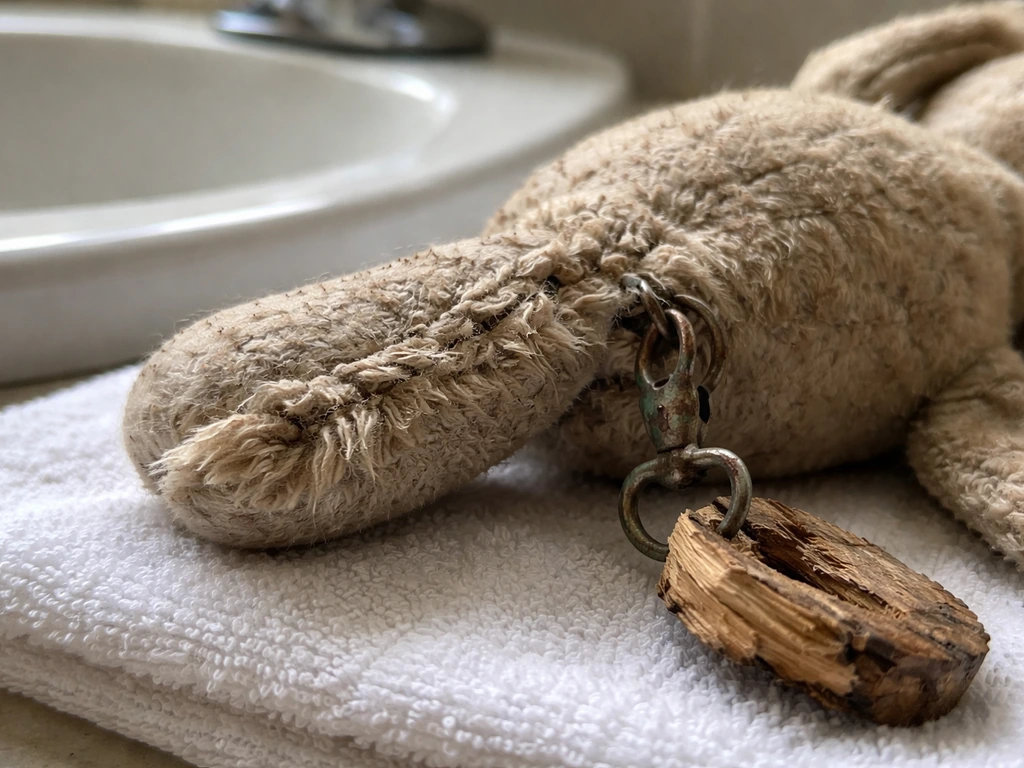
Retire a toy if it does not come clean after washing, if any rope or cord is frayed and cannot be safely trimmed, if hardware shows rust or damage, if wood is cracked or splintered in a way that cannot be sanded out, or if any component has been chewed to a size where it now presents a new choking or entanglement risk. The rule is simple: if you would not hang it new today, retire it now. Toys are meant to be replaced. Keeping a worn-out toy in rotation because the bird likes it is not worth the risk.
Where to hang toys: backyard vs. pet bird settings
Indoor and cage placement
In a cage, avoid clustering too many toys in one area, birds need clear flight lines and easy access to perches, food, and water. Hang heavier toys from reinforced cage bars at the top rather than from side bars that flex. Position foraging toys at a height the bird naturally gravitates to (usually mid to upper cage). Keep toys away from the corners where droppings and debris accumulate fastest, and rotate what is in the cage regularly to maintain novelty and reduce boredom.
Outdoor and backyard placement
Outdoor toys and enrichment structures face weather, UV exposure, and the full range of wild bird droppings, which means higher contamination risk and faster material degradation. Use only materials that handle moisture without releasing chemicals (so untreated natural wood and stainless steel are even more important outdoors, not less). Position outdoor toys or feeders under a sheltered overhang where possible to reduce direct rain exposure and slow mold growth.
Clean outdoor toys more frequently than indoor ones, at minimum after heavy rain or any visible accumulation of droppings. Dry completely between cleanings and before refilling. Avoid leaving toys out in freezing conditions if they have rope components, because wet rope that freezes becomes stiff and brittle and loses its structural integrity fast.
Quick troubleshooting for common toy failures
Even well-made toys develop problems. Here is what to do when the most common ones show up.
| Problem | Cause | Fix |
|---|---|---|
| Parts coming loose | Under-tightened hardware or chewing vibration loosening nuts | Use stainless steel lock nuts or add a second nut as a jam nut; inspect weekly |
| Rope fraying | Normal wear or aggressive chewing | Trim frayed ends immediately; retire the toy if fraying is mid-rope and cannot be safely cut |
| New splinters appearing | Chewing exposes fresh wood grain | Sand smooth with 120-grit paper; if the structural piece is compromised, retire it |
| Rust on hardware | Moisture exposure or non-stainless metal used | Remove immediately; replace with certified stainless steel hardware |
| Toy swings excessively or falls | Attachment point too weak or toy too heavy for hang point | Add a second attachment point or reduce toy weight; use reinforced cage bars |
| Mold on wood | Incomplete drying after cleaning or outdoor moisture | Discard the piece; wood that has molded cannot be reliably cleaned through to the core |
| Bird ignoring the toy | Toy too large, wrong behavior type, or placed in low-traffic area | Resize to the bird, match to behavior (chewer vs. shredder), and reposition at preferred height |
Making safe bird toys is genuinely achievable with basic tools and a short materials list, the learning curve is mostly about knowing what to leave out. If you want to go further, there is a lot of room to explore species-specific builds: toys sized specifically for budgies behave differently than those for parrots, and the design principles for backyard wild birds are a world of their own.
If you are specifically learning how to make bird toys for parrots, use this same safety checklist and the parrot-sized design principles as your starting point species-specific builds. Start with one of the four builds above, run the safety checklist before every build, and inspect regularly. For budgies specifically, you can combine these safe materials and measurements into a simple plan for how to make bird toys for budgies. That is really the whole system.
FAQ
How can I tell if a piece of wood is untreated, especially if it came from a hobby store or scrap pile?
Look for any stamp, label, or product description that confirms it is raw and unpreserved, and avoid anything that looks glossy, sealed, stained, or varnished. If you cannot verify the treatment history, treat it as unsafe and choose a known-clean source, since even small amounts of preservative can leach out after chewing.
Is it safe to use wood that smells strongly, like “pine” or “cedar” from the hardware store?
Scent alone is a warning, aromatic woods can irritate birds’ respiratory systems. Even if you believe the wood is “natural,” skip cedar and other aromatic conifers, and stick to non-aromatic options from a known clean source.
Can I sand or seal a toy to make it safer after cutting?
Sanding helps remove splinters, but sealants and finishes add a new chemical exposure pathway. The safest approach is to avoid paints, varnish, lacquer, and wood stains entirely, and only sand smooth with food-safe, untreated material.
What adhesive is safest if I absolutely cannot avoid using glue?
If you must use adhesive, the safest option is to avoid glue when possible, using mechanical joints instead. If you do use cyanoacrylate, keep birds out of the room during application and wait for a full cure before reintroducing the bird. For epoxies, cure fully and never rush, because off-gassing is the main concern during the initial phase.
How long should I wait after using bleach to clean a toy before returning it to my bird?
After soaking non-porous parts in a diluted bleach solution, rinse thoroughly with clean water to remove residue, then dry completely. A toy that still smells like bleach or feels damp should not go back in the cage, because lingering residue and moisture both create respiratory and mold risks.
What’s the safest way to check a rope or shredding toy for hazards between cleanings?
Do a quick hands-on inspection every few days, look for loose fibers, thinning spots, or any strands that could wrap around a toe or talon. Trim and retire frayed sections immediately, and if your bird is actively snipping off swallowable pieces, remove the toy even if the rope itself looks intact.
Is nylon rope ever okay if I’m careful about trimming frays?
Avoid nylon rope entirely. It does not break down safely if swallowed, and it can cause internal damage. If you need a rope option, use natural alternatives like jute or hemp and monitor for fraying.
My bird chews hardware fast, how do I reduce the risk of trapped toes or choking?
Use stainless steel hardware only, and avoid chain links with openings large enough for toes or a lower beak to slip through. Also ensure there are no gaps in hooks or connectors, because an exposed gap can catch a beak immediately.
How do I choose the right perch diameter for my bird size?
Use the species-based ranges, budgies around 3/8 to 1/2 inch diameter, cockatiels 5/8 to 3/4 inch, larger parrots up to about 1.5 inches. If a perch is too thin or too thick for the foot to wrap about two-thirds of the way, the bird will strain and grip poorly.
Can I reuse a toy that is still “favorite” but is getting worn?
Replace or retire based on hazard, not preference. If it does not come clean after washing, if rope is frayed beyond safe trimming, if hardware is rusted or damaged, or if chewing has reduced components into new choking or entanglement risks, do not put it back into rotation.
How often should I clean toys in general, and does it change for outdoor toys?
Cleaning is required for the whole lifespan of the toy, not just after building. Outdoor toys need more frequent cleaning due to weather and droppings, and at minimum after heavy rain or any visible accumulation, with complete drying before refilling or re-hanging.
Is it okay to leave outdoor toys out during freezing temperatures?
Avoid leaving rope-containing toys outside in freezing conditions. Wet rope that freezes becomes stiff and brittle, and structural integrity can fail faster, increasing entanglement risk.
What’s the safest way to prevent birds from getting stuck on hooks or S-links?
Ensure connectors are fully closed with no open gaps. Bend S-hooks closed with pliers rather than relying on “almost closed,” since even a small gap can catch a lower beak in seconds.
Can I make a toy that fits in the cage but is the wrong size for safety?
Yes, sizing for safety is about more than cage fit. A smaller toy can become dangerous for a larger bird because the larger bird can dismantle it into smaller choking components, so when unsure, size up rather than down.
Are paper or shredding toys okay if they turn ragged quickly?
Ragged is expected, but they should be retired based on condition. Replace the bundle when a substantial portion of strips are gone or when the rope shows fraying, and keep strips short (under about 6 inches for smaller birds) to lower entanglement risk.
Next Articles
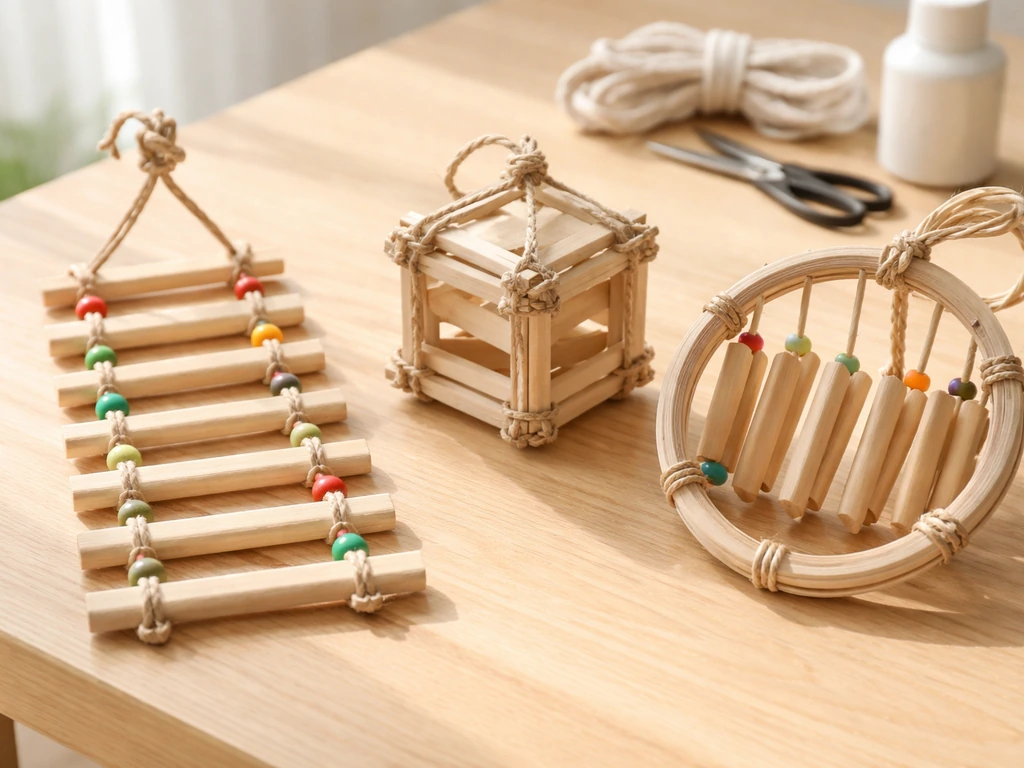
How to Make Bird Toys With Popsicle Sticks Safely
Beginner DIY guide to safely build bird toys from popsicle sticks with step-by-step designs, materials, safe fixes, and
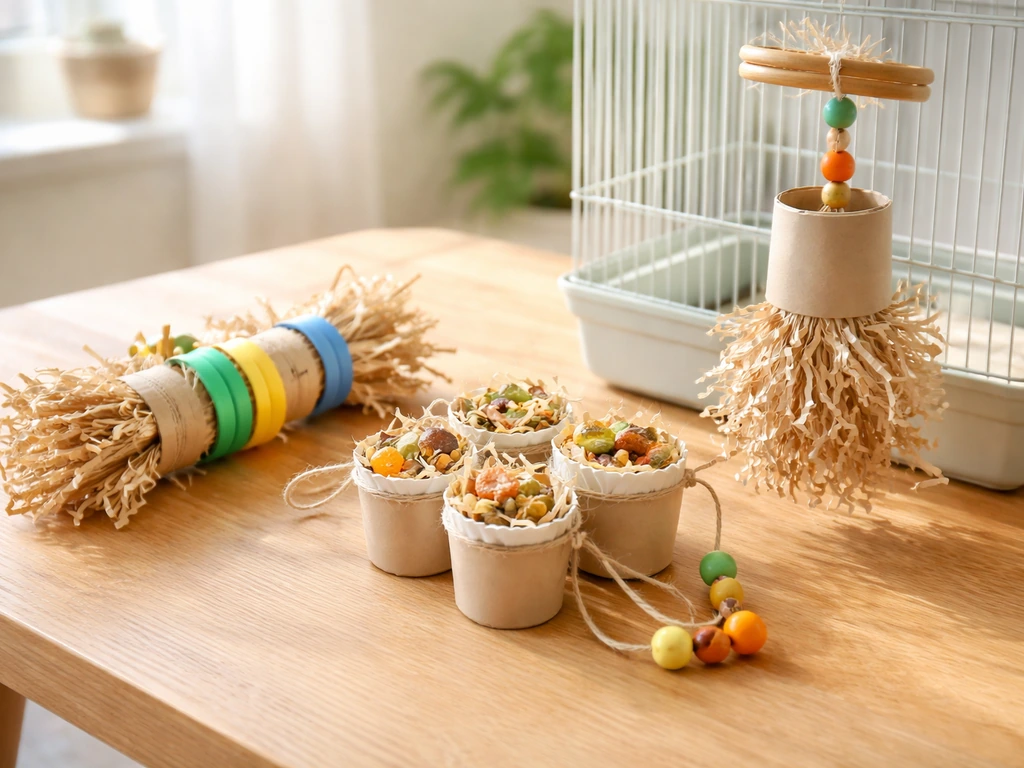
Bird Toys You Can Make at Home: DIY Ideas and Safety
DIY bird toys you can make at home with step-by-step builds, safe materials, and safety checks for enrichment.
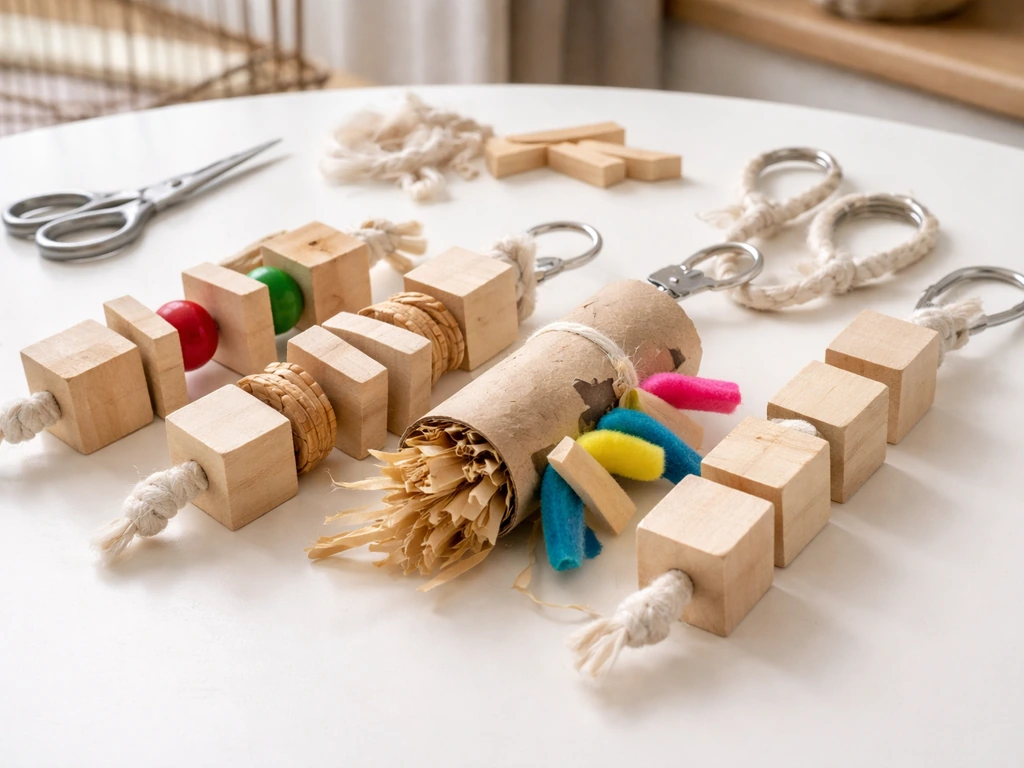
How to Make Bird Toys for Parrots and Parakeets
Step-by-step DIY parrot and parakeet toys: safe materials, sizes, build today projects, secure hanging, care and trouble