You can build a functional birdhouse or nesting structure today using a single board of untreated cedar or pine, basic hand tools, and a few galvanized screws. To make something closer to a human-sized bird nest, scale the nest-support concept up for the bird type and secure it safely to match local nesting habits. The key is matching your design to the bird you want to attract, because the entrance hole diameter, interior floor size, and mounting height are all species-specific. Get those three things right and local birds will find and use your box. Get them wrong and it sits empty or gets taken over by invasive House Sparrows.
How to Make a Bird and Nest: DIY Birdhouse Guide
Marcus Thornton
4 May 2026
First, decide: birdhouse or nest support structure?
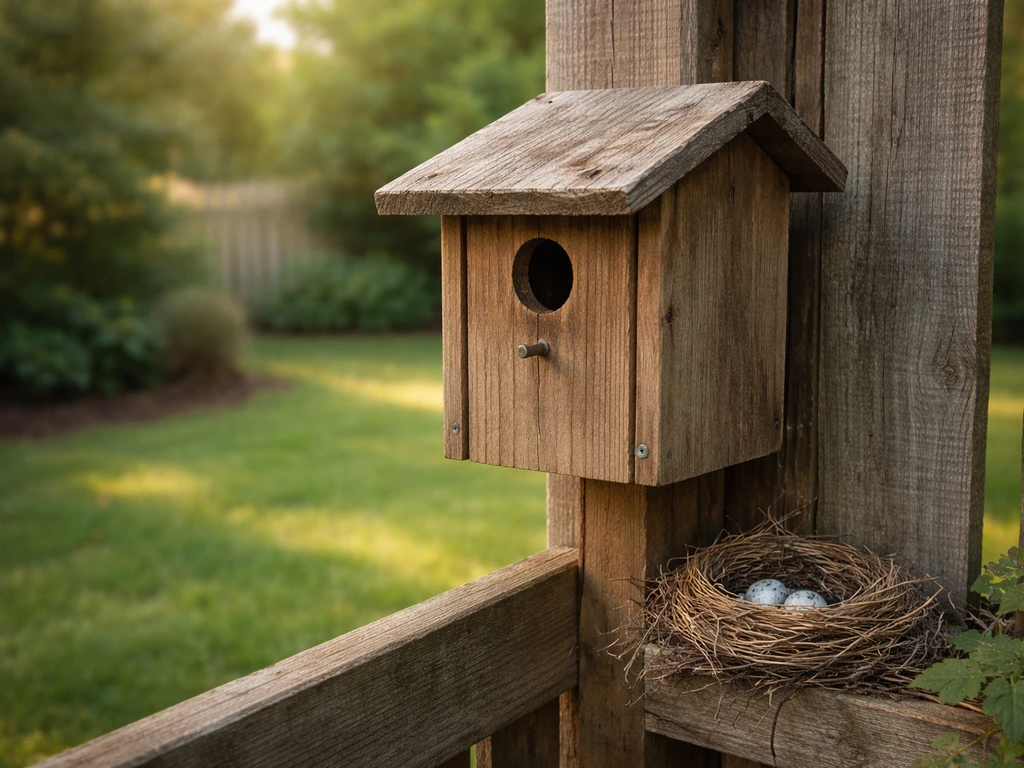
"Making a bird and nest" means different things depending on what you actually want to build. If you are looking for a game-inspired alternative, see how to make a bird nest in minecraft as a related option for nest-building ideas. There are two main paths. The first is a birdhouse or nesting box, which is an enclosed cavity built for species like Eastern Bluebirds, chickadees, Tree Swallows, and Wood Ducks that naturally nest in hollow trees. These birds are called cavity nesters, and they are the ones most likely to move into something you build. The second path is a nest support structure, which is an open platform, ledge, or hanging basket that gives open-cup nesters like robins or phoebes a spot to anchor their own nest. If you want to build a weaver bird nest, you will need a very different structure than an enclosed nesting box. This guide focuses primarily on building a proper enclosed nesting box, since that is where your effort pays off fastest for backyard birds. To make a mini bird nest instead of a full nesting box, focus on small, open nest-support options sized for your local open-cup nesters. If you are after a purely decorative or craft version, a model nest, or something made specifically from grass, those are different projects worth looking into separately.
Choosing the right bird species and nesting type
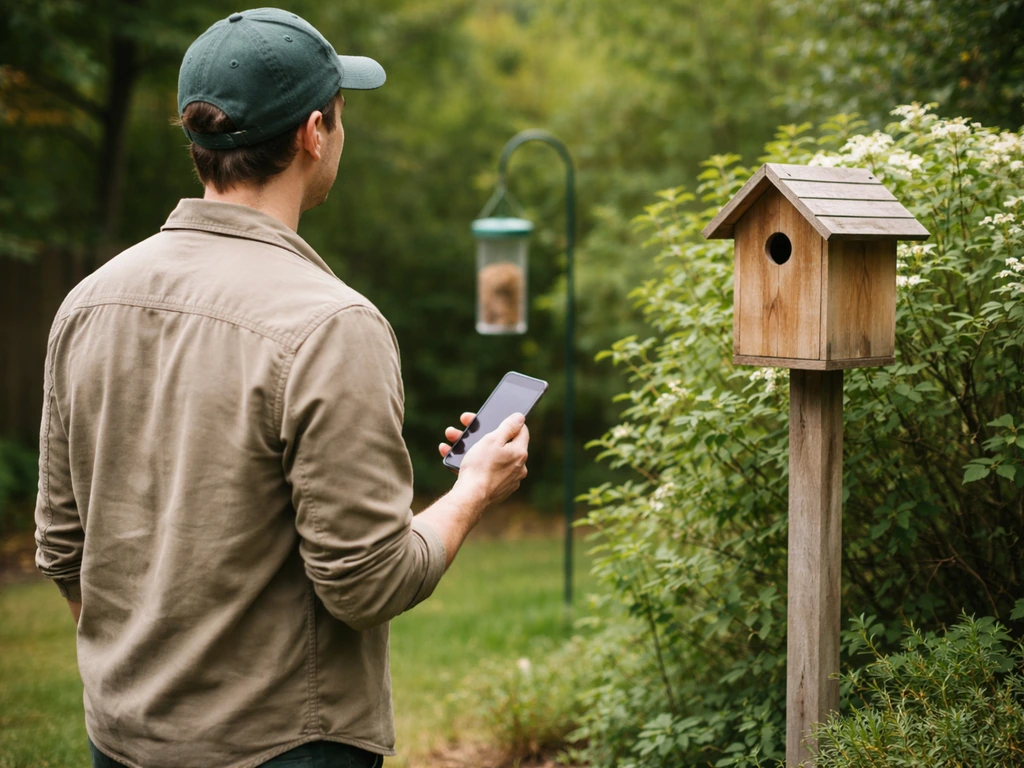
Start with the birds already in your area. Walk your yard, check a local birding app, or ask a neighbor who feeds birds. Then build for what you have. Cavity nesters are your best bet for a DIY box because they are actively looking for ready-made holes. The Eastern Bluebird is the most popular beginner build, and for good reason: the dimensions are well-documented, the species is widespread across North America, and a properly built box will attract them reliably. Tree Swallows, chickadees, nuthatches, and small wrens are also great choices and use similar box sizes. Wood Ducks need a much larger box with an elliptical entrance and are typically mounted near water.
Once you pick your target species, everything else in this guide flows from that choice. The entrance hole diameter is the single most important dimension because it controls which birds can enter and which competitors get locked out. A 1-1/2 inch diameter hole is the sweet spot for Eastern Bluebirds. It is large enough for bluebirds to enter but small enough to exclude European Starlings, one of the most aggressive competitors for nest cavities. If you are in an area where Eastern, Western, and Mountain Bluebird ranges overlap, bump that up to 1-9/16 inch. Wood Ducks need an elliptical opening of 3 inches high by 4 inches wide.
Site selection and planning
Location matters as much as the box itself. Birds are picky about where they raise a family, and a poorly placed box will be ignored no matter how well it is built. For Eastern Bluebirds, mount the box facing open field or lawn, ideally with the entrance pointing east, north, or south, and avoid west-facing placement if you can since afternoon sun can overheat the interior. NestWatch advises mounting Eastern Bluebird nest boxes with the entrance facing east and toward open habitat to help reduce heat stress and make access easier. Mount it 3 to 6 feet off the ground on a freestanding pole in an open area with some low perching spots nearby like fence lines or scattered shrubs. Maintain at least 300 feet between bluebird boxes so pairs do not compete.
Avoid placing the box directly against dense brush piles or thick shrubby growth. This gives predators like raccoons and snakes a natural highway to your box. Speaking of predators, think about them at the planning stage, not as an afterthought. A smooth metal pole with a baffle underneath is your best defense. More on that in the mounting section. Also think about sun and rain: the roof needs to overhang the front and sides enough to shed water away from the entrance, so plan that into your design before you cut.
Materials and tools you will actually need
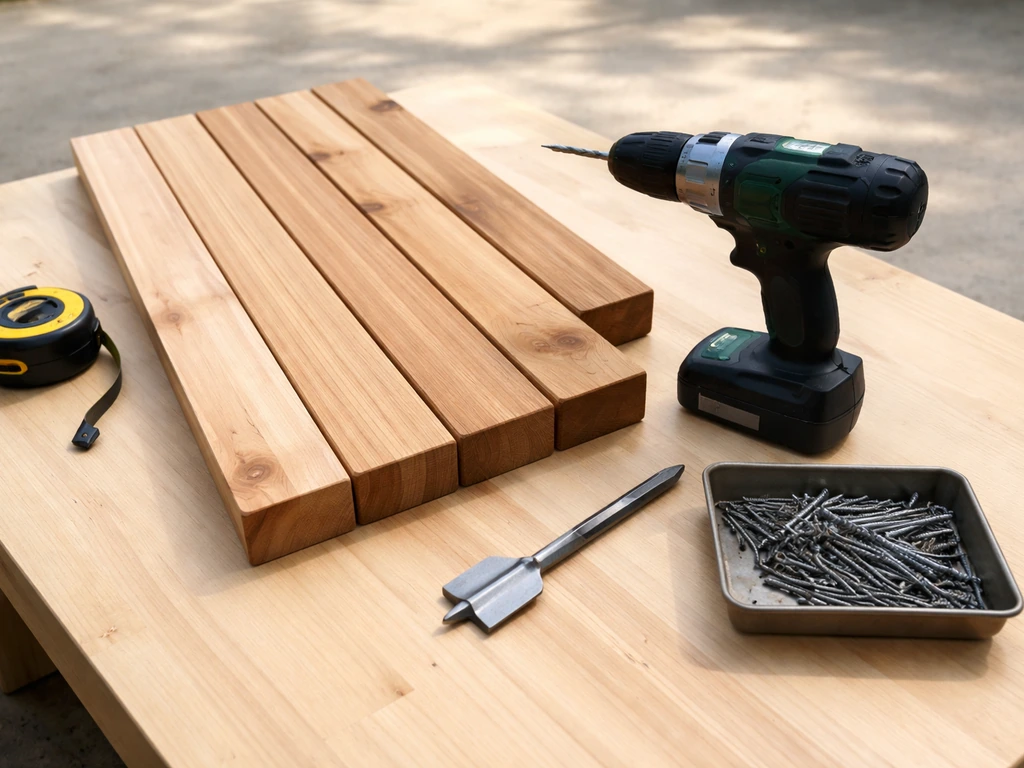
You do not need a workshop full of power tools. I have built solid boxes with a hand saw, a drill, and a tape measure. Here is what works and what to avoid.
Wood to use
- Untreated cedar: the best all-around choice, naturally rot-resistant and long-lasting outdoors
- Untreated pine: widely available, affordable, and works well especially if you are building a first box
- Untreated cypress: another excellent rot-resistant option
- Non-pressure-treated CDX exterior plywood: fine for larger boxes like Wood Duck boxes
- Repurposed fence boards or pallet wood: totally usable if you confirm they are not chemically treated
Wood to avoid
- Pressure-treated lumber: contains pesticides and fungicides that are harmful inside a nest box
- Creosote-treated wood: can kill eggs and chicks, never use it
- Painted interior surfaces: birds do not need it and paint can off-gas in a closed box
- Plywood with interior glue (not exterior grade): will delaminate in weather quickly
Hardware and tools
- Galvanized screws or nails (1-3/4 inch for assembly): galvanized resists rust outdoors
- A drill with a 1-1/2 inch spade or Forstner bit for the entrance hole
- A 1/8-inch drill bit for ventilation and drainage holes
- Tape measure, pencil, square
- Hand saw or circular saw
- Sandpaper (medium grit) to smooth interior surfaces near the entrance hole
- A single pivot screw or small hook-and-eye latch for the cleanout door
Step-by-step build instructions
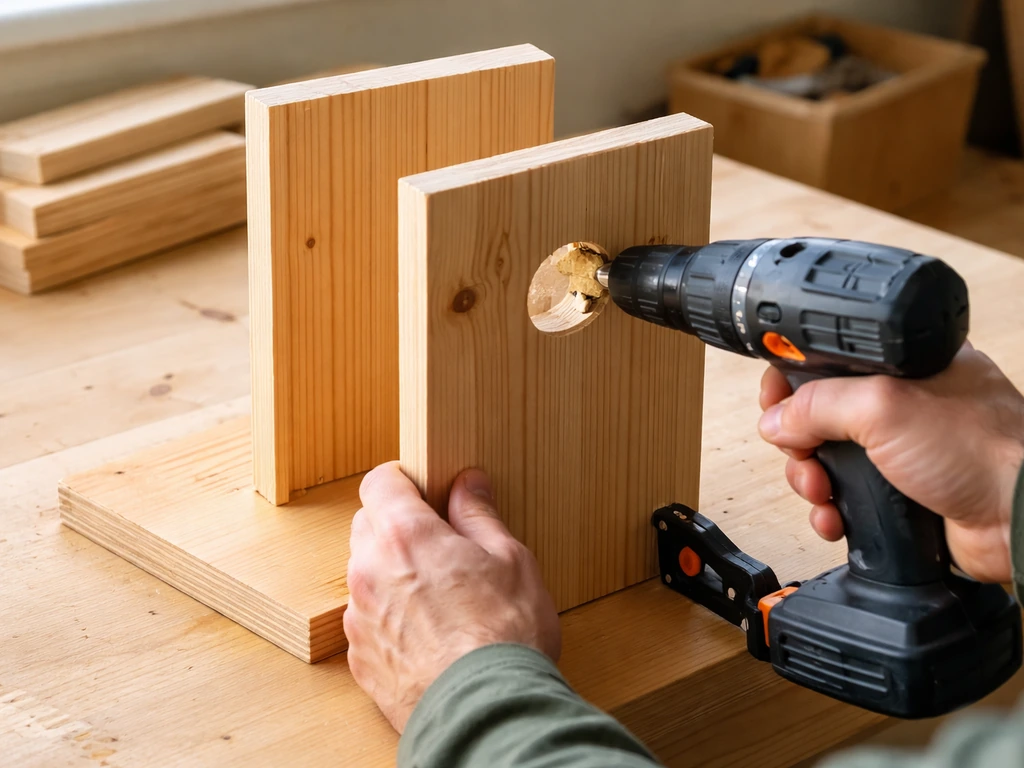
This build is based on an Eastern Bluebird nesting box, which is the most useful and well-tested beginner design. Adjust dimensions for other species as needed. You will need a single 1x6 board (which actually measures 3/4 inch thick by 5-1/2 inches wide) about 5 feet long, or one 1x8 board if you want a slightly roomier box.
- Cut your pieces: floor 4 inches x 4 inches, front and back panels 5-1/2 inches wide (use 1x6), two side panels, and a roof that overhangs at least 2 inches over the front. A standard bluebird box front panel is about 9 to 10 inches tall.
- Drill the entrance hole in the front panel before assembly. Center it horizontally and place the center of the hole about 6 to 7 inches above the floor. Use a 1-1/2 inch Forstner or spade bit. Sand the interior edge smooth so birds do not snag feathers.
- Score or rough up the interior surface below the entrance hole with a chisel or rough saw blade. This gives fledglings grip to climb out when they are ready to leave. This is one of those details that took me a while to learn, but it really matters.
- Drill ventilation holes: use a 1/8-inch bit to drill two holes on each side panel, about 1 inch below the top edge, through the back half of the sides. Alternatively, when assembling the roof, leave a 1/4-inch gap at the top between the front panel and the roof for passive airflow.
- Drill drainage holes in the floor: two or four 1/8-inch holes through the corners or center of the floor panel so any water that gets in can escape.
- Assemble with galvanized screws starting with the floor, then attach the back panel, then one fixed side panel. Attach the front panel last.
- Make one side panel a cleanout door. Attach it at the top with a single 1-3/4 inch galvanized screw on each side edge to act as a pivot point, and add a small nail or hook at the bottom to keep it closed. This gives you seasonal access without destroying the box.
- Attach the roof so it overhangs the front by at least 2 inches and the sides by about 1 inch. This sheds rain away from the entrance and interior. Do not caulk the roof flush, leave the ventilation gap open.
- Do not add a perch below the entrance hole. I know it looks natural, but a perch gives predators and competitor birds a foothold to harass nesting birds. Leave it off.
Entrance hole size, interior dimensions, ventilation, and drainage by species
These are the numbers that determine whether your box gets used. Here is a quick reference for the most common DIY builds.
| Species | Entrance Hole | Floor Size | Interior Height | Mount Height |
|---|---|---|---|---|
| Eastern Bluebird | 1-1/2" round | 4" x 4" | 8–10" | 3–6 ft |
| Western/Mountain Bluebird overlap | 1-9/16" round | 4" x 4" | 8–10" | 3–6 ft |
| Black-capped Chickadee | 1-1/8" round | 4" x 4" | 8–10" | 4–8 ft |
| Tree Swallow | 1-1/2" round | 5" x 5" | 6–8" | 4–8 ft |
| Wood Duck | 3" H x 4" W elliptical | 10" x 18" | 22–24" | 6–20 ft near water |
| House Wren | 1" round | 4" x 4" | 6–8" | 5–10 ft |
Ventilation is not optional. A box that gets hot in summer can kill nestlings. The 1/4-inch gap at the top of the front panel or the two side vent holes at the back are your insurance. Drainage holes in the floor are equally critical because even a well-roofed box can get moisture inside during heavy rain. Four 1/8-inch holes in the floor corners add less than five minutes to your build and could save an entire brood.
Finishing, mounting, and predator-proofing
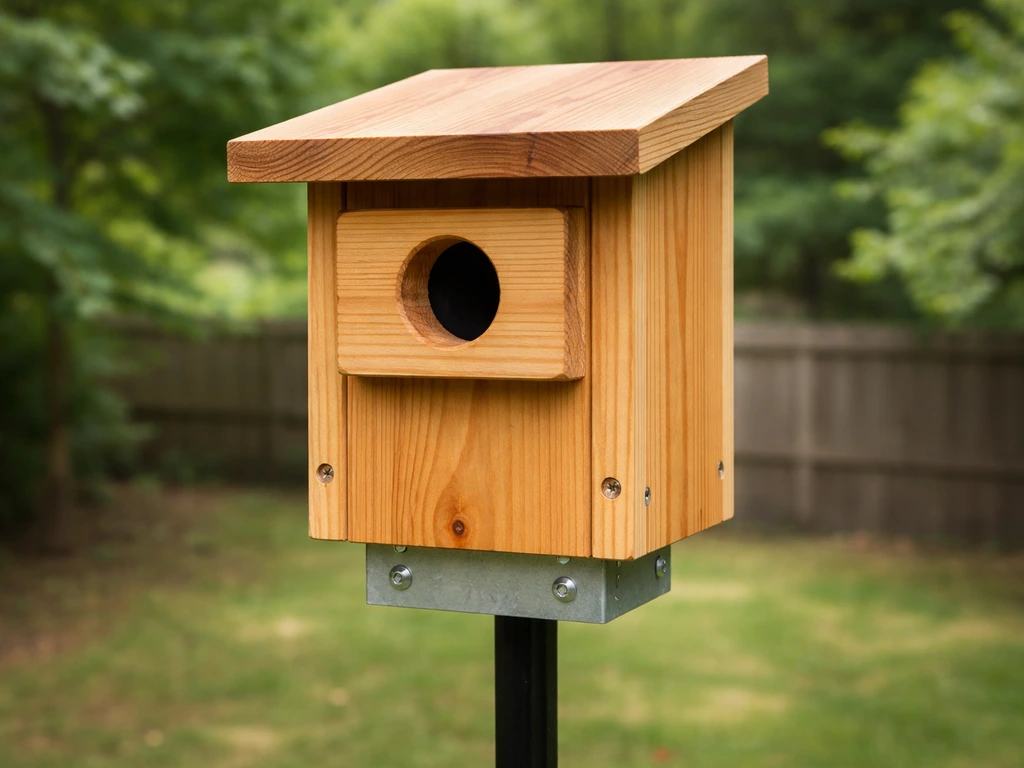
Finishing the exterior
Leave the interior completely bare. For the exterior, untreated cedar and cypress age naturally and need nothing. If you want to use pine outdoors, a light coat of linseed oil on the exterior only extends the life of the wood without harming birds. Avoid glossy paint and dark colors that absorb heat. If you do paint the outside, use a light earth tone or gray and make sure it is fully cured before mounting.
Mounting it right
A freestanding metal conduit pole is the best mount for most cavity-nesting boxes. It lets you add a baffle below the box and makes the box easy to monitor. Attach the back panel of your box to the pole using a pre-drilled bracket or a simple hose clamp through a back-mounted board. If you are mounting on a fence post or tree, know that these give predators a running start, so predator-proofing becomes even more important.
Predator-proofing strategies
The most effective predator guard is a smooth metal or PVC stovepipe baffle mounted on the pole below the box. The Maryland Department of Natural Resources also describes the “stovepipe predator guard” approach and explains why it helps prevent climbing predators from reaching nest boxes blank" rel="noopener noreferrer">The most effective predator guard is a smooth metal or PVC stovepipe baffle mounted on the pole below the box.. It is nearly impossible for raccoons and snakes to get past. For the entrance hole itself, a metal hole guard (a flat metal plate with a matching hole drilled through it) prevents squirrels from gnawing the opening wider to gain access. You can buy these pre-made or cut them from sheet metal.
Some builders use hardware cloth (1/2-inch mesh) as an extended entrance tube to make it harder for a predator's arm to reach in. This works as an additional layer, but do not rely on it as your only guard, and make sure the mesh ends are bent smooth so fledglings do not catch their feet on the wire when they climb out. The California Bluebird Recovery Program specifically notes that mesh should not substitute for interior kerfs (those roughened grip surfaces you scored earlier).
Cleaning schedule, maintenance, and troubleshooting
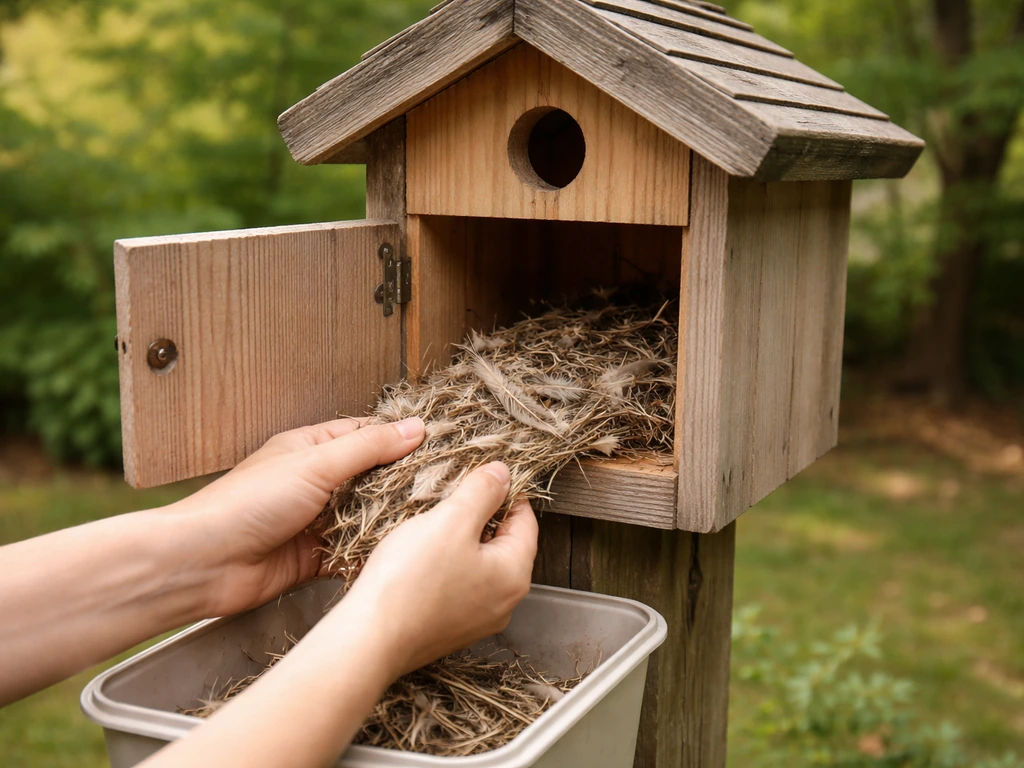
When and how to clean
Clean your box after each brood fledges, not just once a year. Open the cleanout door, remove all nesting material, and dispose of it well away from the box, not in a pile right underneath it, since old nesting material can attract predators back to the site. Give the interior a quick scrape and let it air out before closing. Many bluebirds will raise two or even three broods in a season, and a clean box encourages them to start the next clutch sooner.
Do a final cleanout and inspection at the end of the breeding season. The safe window for this is September through February, well after cavity nesters have finished their breeding cycles for the year. Check for cracks, warped wood, loose screws, and any signs of insect infestation. Replace any damaged parts before the next spring season starts.
What to avoid during nesting season
- Do not open the box during active incubation (eggs present), as repeated disturbance can cause the female to abandon the nest
- Do not relocate the box mid-season once birds are using it
- Do not add nesting material inside, let the birds build their own nest
- Do not use pesticides near the box, since nestlings depend on insects as their primary food source
Why isn't my box being used?
If your box sits empty through spring, run through this checklist. Is the entrance hole the right diameter for your target species? Is the box in an open area away from dense brush and foot traffic? Is it mounted at the right height? Is there a perch on it that is deterring bluebirds or attracting sparrows? Is it facing the right direction? Sometimes the fix is as simple as rotating the box 90 degrees or removing a perch you added. Also consider that House Sparrows or European Starlings may be monopolizing the spot. If invasive sparrows are taking over, monitor the box closely and remove their nests early and repeatedly. It takes persistence, but keeping your entrance hole at exactly 1-1/2 inches gives native cavity nesters a real advantage.
Once you have built and mounted one box successfully, the next natural step is experimenting with variations: a nesting ball filled with natural fibers to support open-cup nesters, a grass-lined platform for robins, or a larger Wood Duck box near a pond. To learn how to make a bird nesting ball, use natural, safe fibers and size the opening so open-cup nesters can anchor their own nests comfortably. A grass-lined platform can also be a good option if you are specifically trying to support an open-cup nest outdoors. If you want a false bird nest look instead, you can create a simple nesting ball or craft nest using safe, natural materials nesting ball filled with natural fibers. Each project builds on the same core principles you learned here, and the birds in your yard will tell you what is working.
FAQ
Can I make a bird and nest using leftover wood or pressure-treated lumber?
Use untreated cedar, cypress, or pine. Avoid pressure-treated lumber and any wood that contains stains, paint, or chemical sealants, because fumes and residues can harm nestlings. If the only option is salvage wood, sand it thoroughly and keep it free of old coatings on the inside surfaces where birds will contact it.
How can I tell what bird is using my box if I am not sure yet?
Look for early signs like the species-appropriate entrance behavior (bluebirds tend to fly straight in and out, while starlings often wedge and harass). After eggs are laid, the activity pattern gives clues, and you can also confirm by timing, since cavity nesters usually start nesting in a predictable spring window for your region.
What if my box is the right size, but it still gets taken over by House Sparrows or Starlings?
Recheck only the entrance diameter first, then mounting factors. Sparrows and starlings often choose boxes near dense cover or where predators are deterred by nearby structures, so relocate if the area is too sheltered. If you remove invader nests, do it early and repeatedly, and leave the box closed until you can replace or secure the entrance properly to discourage repeated attempts.
Do I need a perch in front of the entrance hole?
It depends on the target species, but for many cavity nesters, extra perches can make the box less competitive by favoring predators or unwanted birds. If bluebirds are not using it, remove any added exterior perch board and keep nearby natural perching options minimal and low.
How do I prevent heat buildup if summers are very hot where I live?
Avoid west-facing placement when possible and increase roof overhang so the entrance area is shaded. Also ensure ventilation gaps are not blocked by wood trimming or paint. If the box exterior is painted, use a light color, and let any coating fully cure before mounting.
Should I install a camera or monitor the box, and can frequent checking disturb birds?
Brief, infrequent checks are best. If you use a camera, mount it to observe from a distance without reaching near the entrance. Do not open the box during active brooding unless you are removing an invasive nest, repairing safety issues, or doing an end-of-season cleanout.
What is the safest way to clean the box between broods and after the season?
After each brood fledges, remove material completely and dispose of it away from the box site rather than leaving it nearby. Let the interior air out before closing, and verify the drainage holes and ventilation gaps are clear so moisture does not get trapped after cleaning.
Can I build a bird and nest indoors or in a garage?
Most cavity nesters need outdoor conditions, natural light cycles, and appropriate temperature and airflow. Indoor setups can cause overheating or poor ventilation, and they also fail to protect against natural predator pressure patterns. If you use an indoor workshop only, build there, then mount outdoors.
How do I avoid injuries or accidents when fledglings leave the box?
Make sure any added wire mesh is bent smooth at the ends and does not create snags, sharp edges, or loose strands. Also confirm the interior is bare (no interior coating or rough hardware that can snag feet) and that drainage and ventilation holes are not so large that they become footholds for predators.
What height and spacing should I use if I want multiple birdhouses?
Keep boxes spaced widely for territorial species. For bluebirds, aim for at least 300 feet between boxes. If you place multiple boxes closer, you may see increased conflict, delayed nesting, or higher rates of takeover by aggressive competitors.
What do I do if the box is empty all spring, even though the dimensions are correct?
Run a quick decision path: confirm entrance diameter, verify placement away from dense brush and foot traffic, check mounting height, remove any exterior perch that you added, and ensure the direction gets appropriate exposure. If a nearby box or cavity is already occupied by invasives, consider monitoring more closely and adjusting placement rather than repeatedly opening the box.
Next Articles
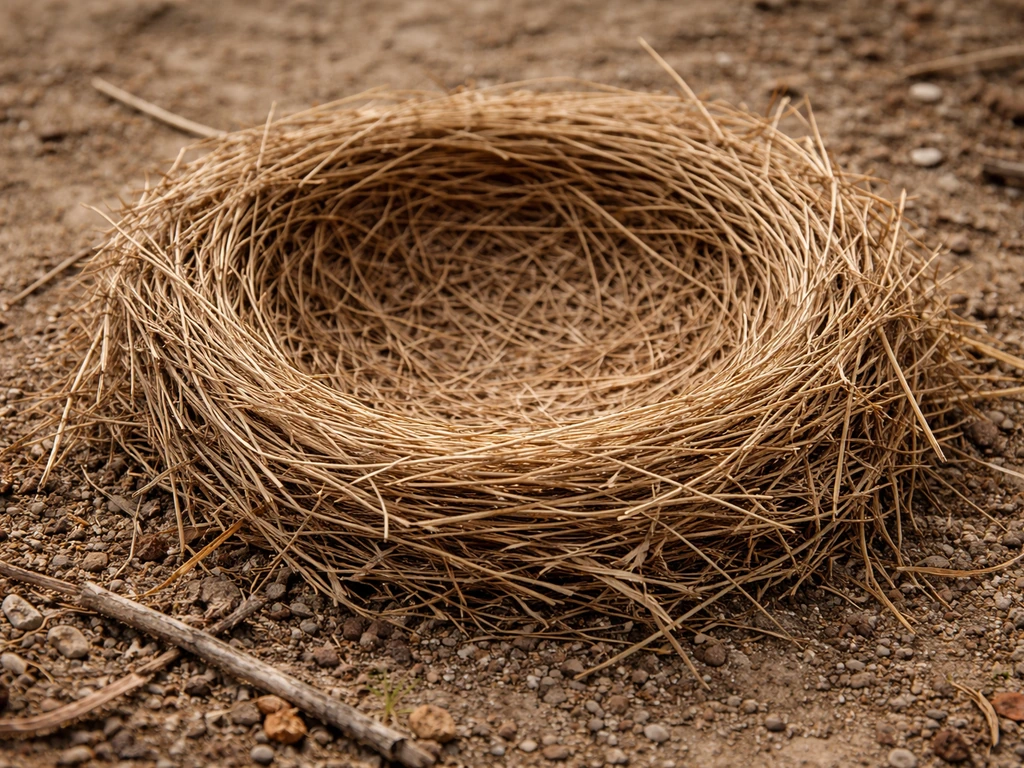
How to Make a Bird Nest with Grass: Step-by-Step
Step-by-step guide to make a safe grass bird nest, choose the right grass, build a cupped bowl, and place it for local b
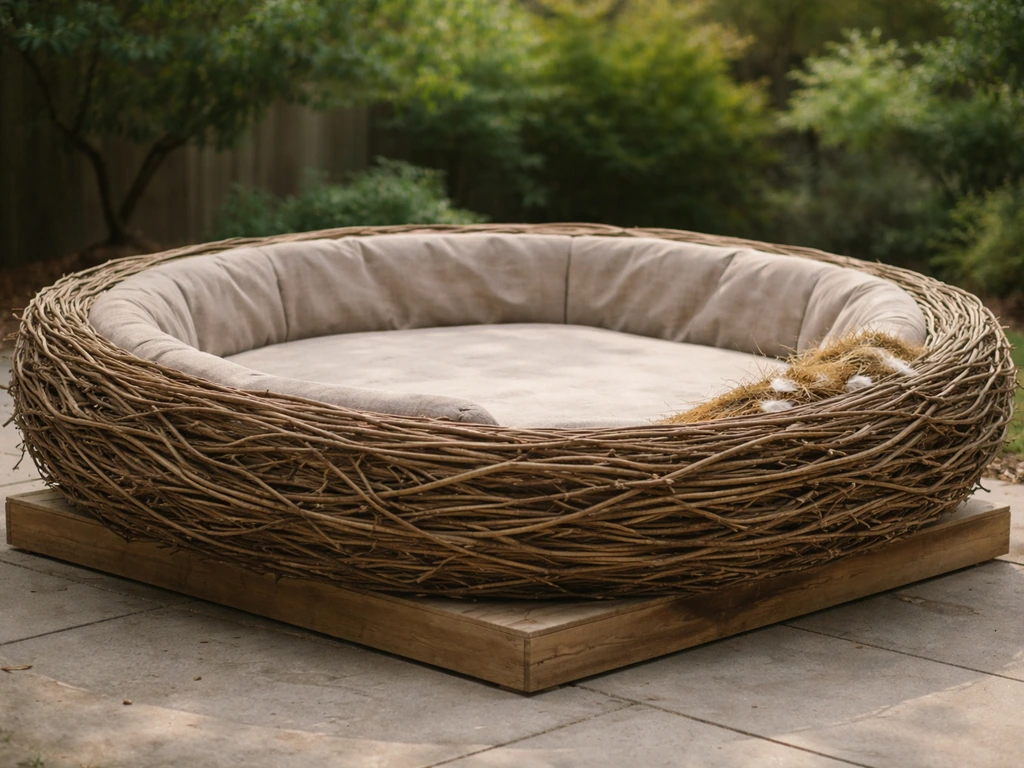
How to Make a Human-Sized Bird Nest With a Safe Bed
Step-by-step DIY guide to build a safe human-sized bird nest bed with sturdy frame, proper dimensions, and easy maintena
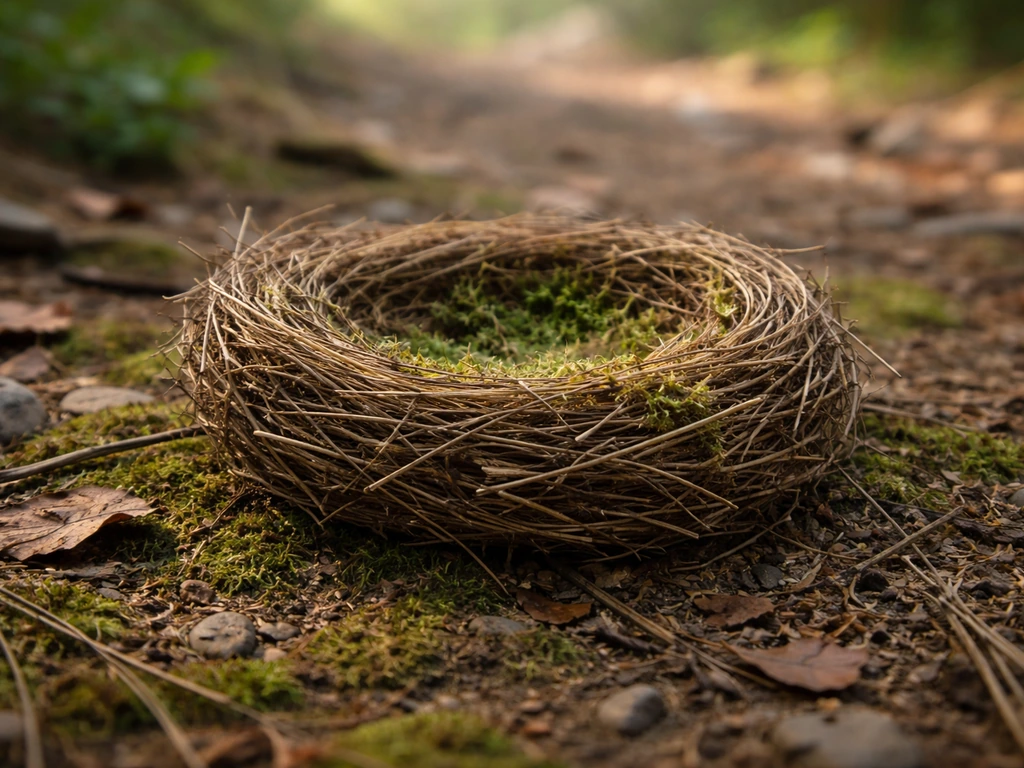
How to Make a Model of Bird Nest: DIY Step by Step
Step by step DIY guide to craft a realistic or bird safe bird nest model using natural materials, sizing and tips.