You can build a functional DIY bird baffle in an afternoon using a large plastic bowl, a metal stovepipe collar, or even a section of PVC pipe. Mount it on the feeder pole at least 4 to 5 feet off the ground, make it wide enough that a squirrel can't reach around it (at least 15 to 18 inches in diameter), and position the whole setup at least 10 feet from any tree, fence, or launch point a squirrel could jump from. Get those three things right and you'll stop the vast majority of squirrel and climbing-bird raids without spending much at all.
How to Make a Bird Baffle: Step-by-Step DIY Guide
Marcus Thornton
27 Apr 2026
What a bird baffle actually is (and where you need one)
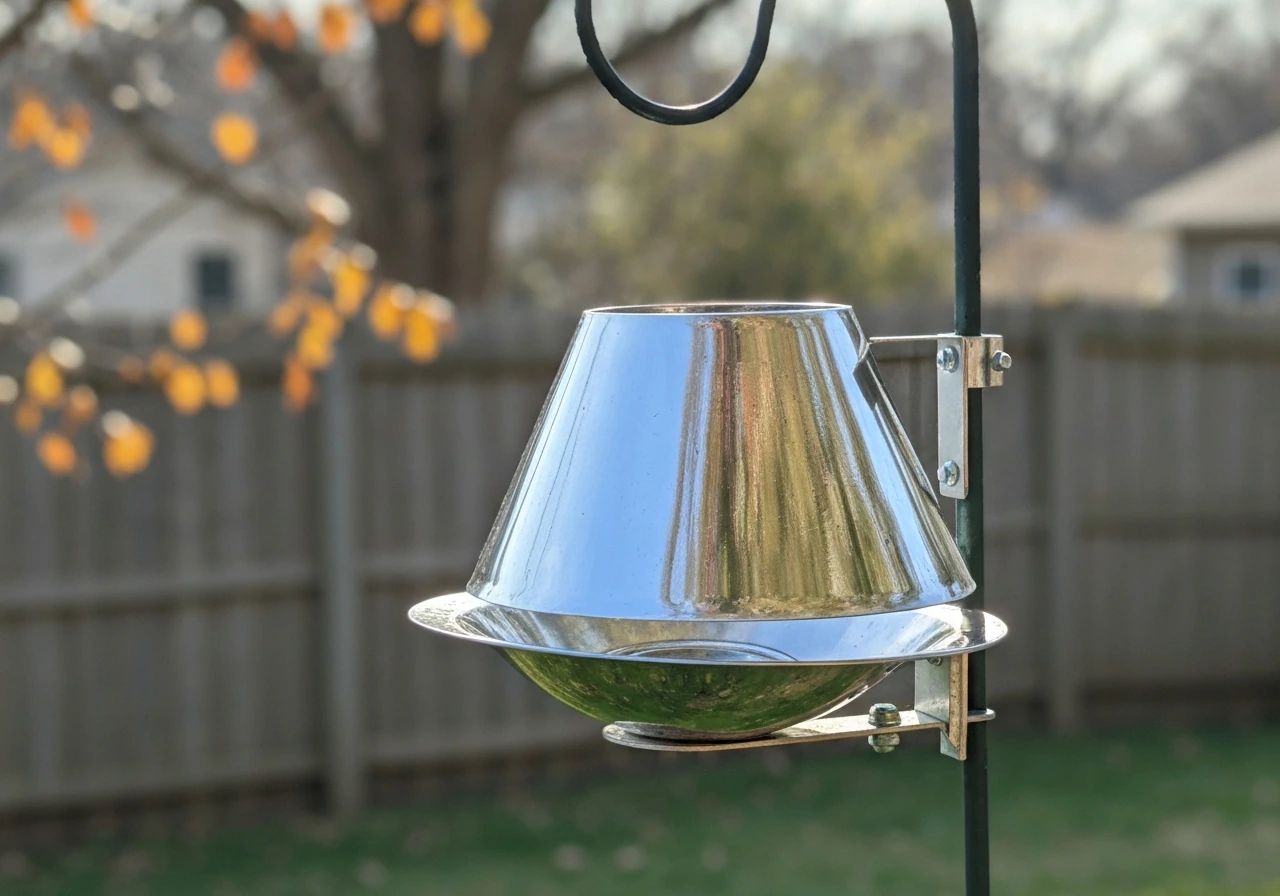
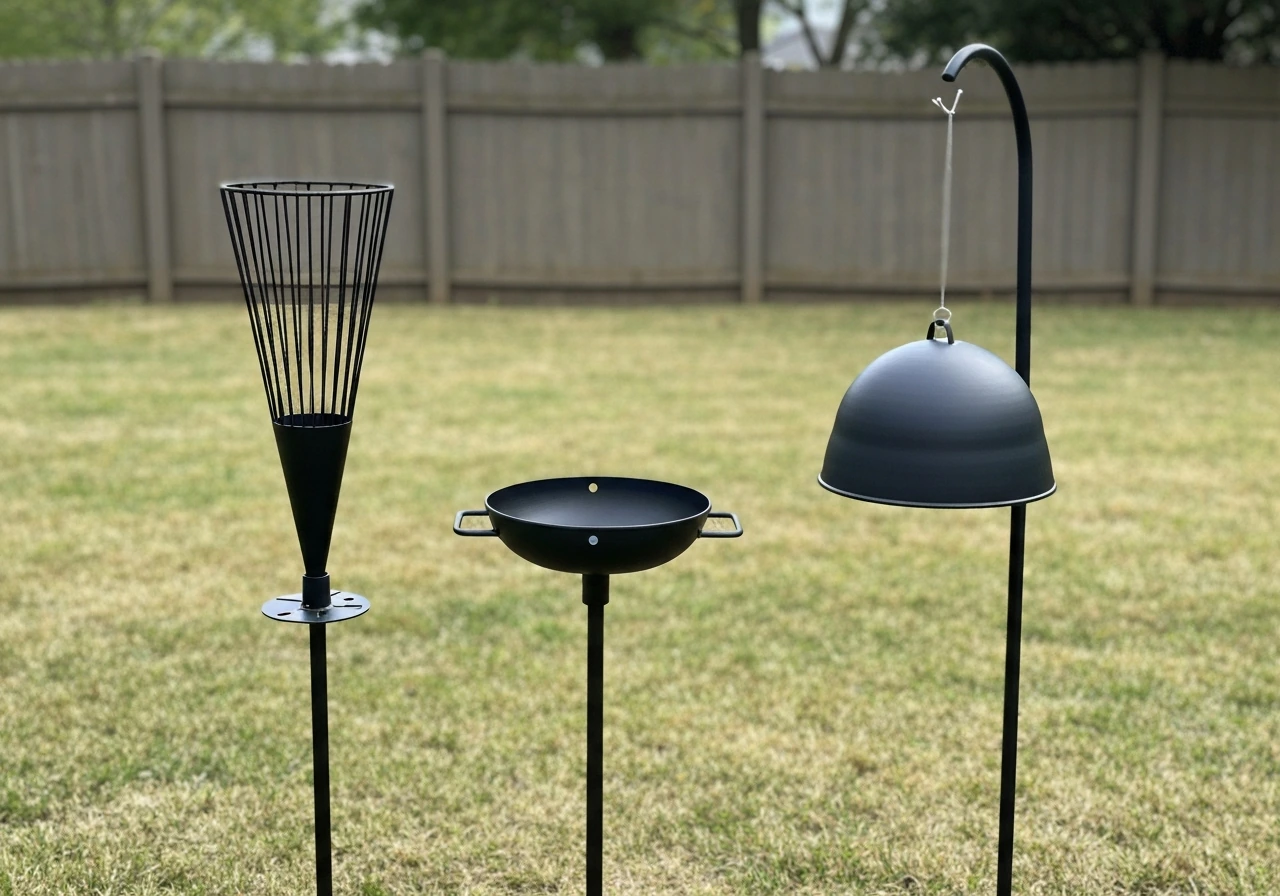
A bird baffle is a physical barrier, usually bowl-shaped or cone-shaped, that blocks squirrels and climbing birds from reaching a feeder. The name comes from the fact that it 'baffles' the animal: they get partway up the pole or down the hanging line and hit a surface they can't get past or grip. Most baffles are placed either below the feeder (on the pole, facing upward like an inverted umbrella) or above the feeder (on the hanging wire or chain, pointing downward like a dome). Both work, and you may need both depending on your setup.
You'll encounter three main situations where a baffle makes sense. First is a pole-mounted feeder, where squirrels and larger birds like starlings or grackles climb up from the ground. Second is a hanging feeder suspended from a wire, branch, or shepherd's hook arm, where squirrels shimmy down from above or jump from nearby surfaces. Third is a feeder mounted near a wall, eave, or tree trunk where squirrels can drop or leap sideways. Each situation calls for a slightly different baffle placement, but the construction approach is similar across all of them.
Choosing the right baffle type for your setup
Before you build anything, figure out which attack route you're actually dealing with. Squirrels are resourceful and will exploit whichever path you leave open. I've made the mistake of installing a perfect pole baffle only to watch a squirrel leap from a fence six feet away and land right on the feeder. So start by honestly looking at your yard.
| Setup Type | Primary Threat Route | Best Baffle Style | Recommended Diameter |
|---|---|---|---|
| Pole-mounted feeder | Climbing up from ground | Cone or bowl baffle on pole below feeder | 15–18 inches minimum |
| Hanging feeder (wire/chain) | Shimmy down from above | Dome or disc baffle above feeder on wire | 12–15 inches minimum |
| Feeder near eave or wall | Lateral jump or drop | Pole baffle plus 10 ft clearance from structure | 15–18 inches minimum |
| Shepherd's hook arm | Climbing up the hook stem | Wrap-around or torpedo baffle on stem | 12 inches minimum |
For most backyard setups, a pole-mounted cone baffle is the most versatile starting point because it stops climbing from below regardless of feeder style. If you're hanging a feeder from a tree branch, you'll also want an above-feeder dome. If your pole is close to a fence or tree, no baffle will fully compensate for a squirrel's jumping ability, so relocating the pole is sometimes the real fix.
Materials and tools you can use today
The best part about building your own baffle is that the materials are cheap and often already in your garage. I've built functional baffles from mixing bowls, stovepipe sections, and old plastic trash can lids. Here's what works well and why.
DIY baffle material options
- Large plastic mixing bowl or salad bowl (12–18 inch diameter): drill a center hole to fit your pole, cheap, lightweight, and surprisingly durable outdoors for a season or two
- Metal stovepipe collar or round duct cap (12–18 inch diameter): longer lasting than plastic, slippery surface is great for deterrence, found at any hardware store for under $10
- Plastic plant saucer or trash can lid: best for hanging baffles, already dome-shaped in many cases, very low cost
- Sheet metal (26 or 28 gauge): lets you cut a custom diameter cone, requires tin snips and a bit more work but lasts years
- PVC pipe (3–4 inch diameter, 6–8 inches long): used as a spinning sleeve on the pole rather than a cone baffle, squirrels can't grip spinning surfaces
- Old metal funnel (large size): works as a ready-made cone baffle for lighter poles with no cutting needed
Tools you'll need
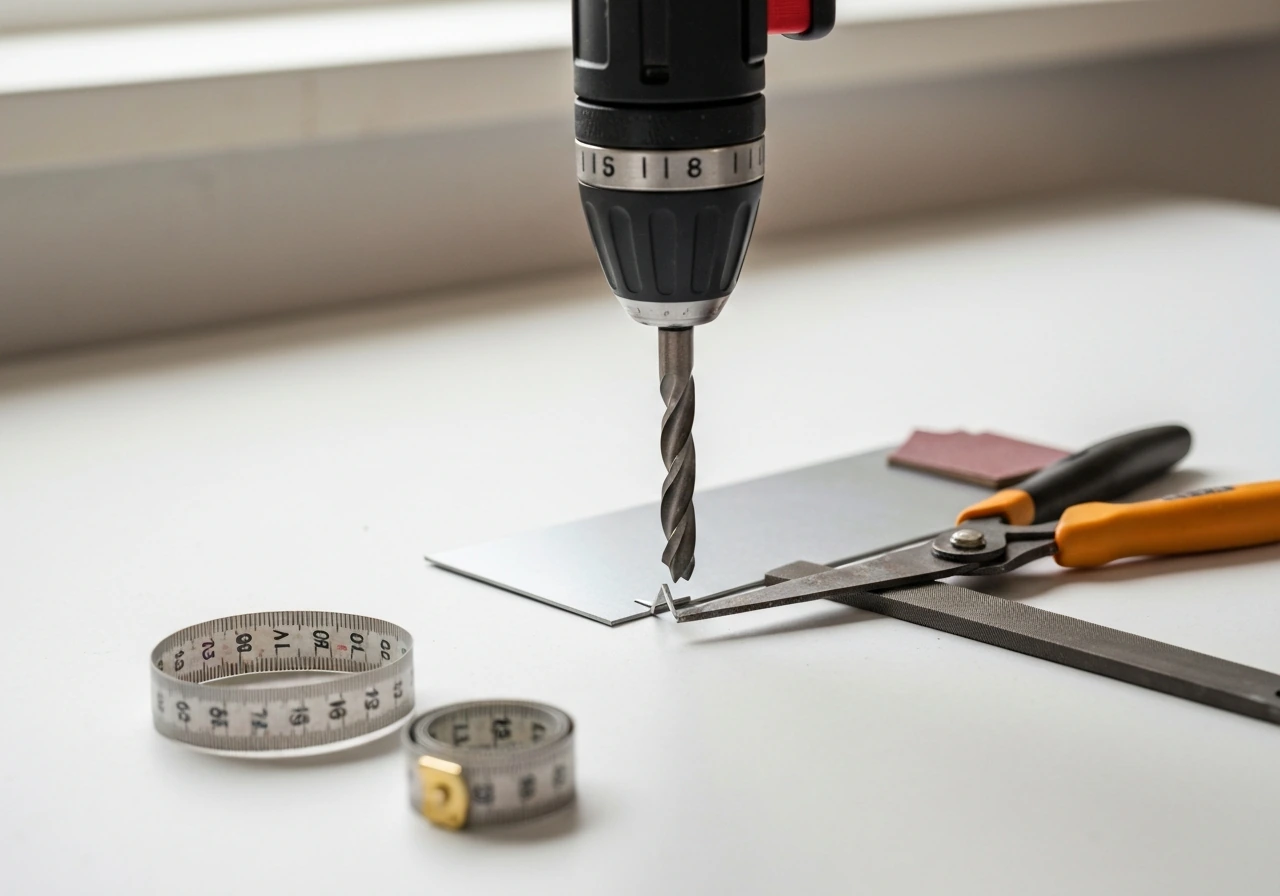
- Drill with a hole saw or step bit (sized to your pole diameter, usually 1 inch to 1.5 inch)
- Tin snips if using sheet metal
- Sandpaper or a file to smooth cut edges (critical for bird safety)
- Hose clamp or two (to secure the baffle to the pole)
- Waterproof silicone or exterior caulk (to seal the center hole gap around the pole)
- Measuring tape and marker
- Work gloves when handling cut metal
Skip the flimsy decorative baffles sold at some garden centers. They're often too small (under 12 inches) and squirrels figure them out fast. Bigger, smoother, and slipperier is better every time.
Step-by-step: build a DIY pole-mounted or hanging baffle
This build works for both pole-mounted (cone-up orientation) and hanging (dome-down orientation) setups. The only real difference is which way you flip the finished baffle and how you attach it. Start with the cone/bowl version since it's the most universal.
Option A: Plastic bowl cone baffle (easiest build)
- Pick a large plastic bowl with a wide, shallow profile, at least 15 inches across. A wider bowl is always better. Avoid deep bowls since they're harder to mount at the right angle.
- Measure the diameter of your feeder pole. Most standard poles are 3/4 inch to 1 inch in diameter. Use a step bit to drill a clean center hole in the bottom of the bowl that matches your pole size. Go slightly undersized first, then test the fit. You want the pole to slide through snugly.
- File or sand the inside edges of the drilled hole smooth. This protects both the pole finish and your hands during installation.
- Slide the bowl onto the pole with the open (concave) side facing upward. This is the key orientation for a pole baffle: squirrels hit the underside of the bowl and can't get a grip on the slippery concave surface above.
- Position the bowl so its top edge sits roughly 4 to 5 feet above the ground. If your feeder is higher than 6 feet, keep the baffle at least 18 inches below the feeder platform so birds have landing room.
- Secure the bowl with a hose clamp tightened around the pole just below the bowl. Add a second clamp above if the bowl tends to tilt. Apply a thin bead of exterior silicone around the center hole to close any gap where squirrels could jam a paw.
- Give it a test by pushing up on the bowl rim. It should not flex or shift more than a quarter inch. Tighten clamps if needed.
Option B: Sheet metal cone baffle (longer lasting)
- Cut a circle from 26-gauge sheet metal with a diameter of 18 inches. Use a compass or a piece of string tied to a marker to trace the circle before cutting.
- Cut a straight line from the edge to the center of the circle (a single radial cut). This lets you curl the flat disc into a cone shape.
- Overlap the cut edges until you have a cone with an opening angle of roughly 120 to 140 degrees (a fairly wide, shallow cone). A steeper cone is easier for squirrels to grip; stay wide and shallow.
- Drill or punch a center hole sized to your pole. Use pop rivets or sheet metal screws to fasten the overlapping edges together and lock the cone shape.
- File all cut edges very thoroughly. Sharp metal edges are a hazard for birds landing on or near the baffle.
- Slide onto the pole, wide end up, and secure with hose clamps as described in Option A above.
Option C: Hanging dome baffle for wire-suspended feeders
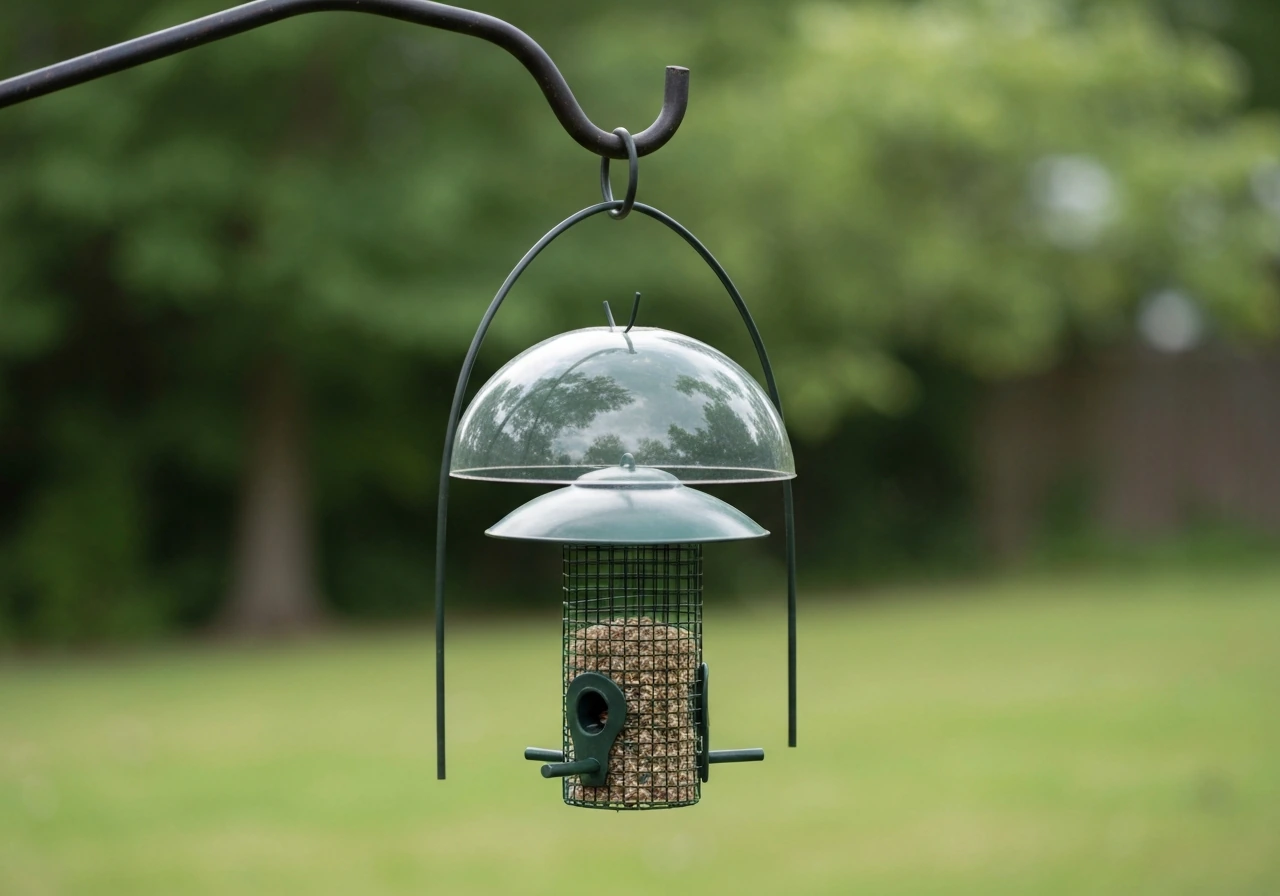
- Use a large plastic plant saucer (14 to 16 inches diameter) or a dome-shaped plastic bowl. The key here is a concave dome shape facing downward so squirrels shimmy down the wire and then slide off the outside of the dome.
- Drill a small hole in the center of the saucer, just large enough for the feeder's hanging wire or chain to pass through.
- Thread the wire through the hole, then tie a knot or add a split ring below the hole so the saucer can't slide down past that point. The saucer should hang above the feeder, dome facing down, with the wire passing through the center.
- Make sure there's at least 12 inches of bare wire above the saucer before any attachment point. This gap prevents a squirrel from simply stepping over the saucer.
- Test the saucer's tilt: it should hang level. If it tilts, add a small wire loop through the edge to balance it.
Quick retrofits: adding a baffle to a feeder you already have
If you don't want to build a full baffle from scratch, there are fast ways to add protection to an existing feeder setup without starting over. These won't always be as effective as a properly built and positioned baffle, but they work well enough for a quick fix while you build the real thing.
- PVC spinning sleeve: cut a 6–8 inch section of 3 or 4 inch PVC pipe and slip it loosely over a round metal pole. Leave it free to spin. Squirrels can't grip a spinning surface and will slide off before reaching the feeder.
- Stovepipe torpedo: slide an 8–12 inch round metal stovepipe section over the pole before the feeder is installed. The wide cylinder acts as a loose barrier and is too smooth to grip. Secure it near the top with a single screw so it can still wobble slightly.
- Baking pan or cake tin: in a pinch, a 12-inch round cake tin with a center hole drilled in it will work as a temporary bowl baffle. It's not pretty but it stops climbers for a few weeks while you build something better.
- Add clearance, not just hardware: if your feeder is within 5 feet of a fence or 10 feet of a tree, no retrofit will work reliably. Move the pole first.
Placement, height, and fit: the numbers that actually matter
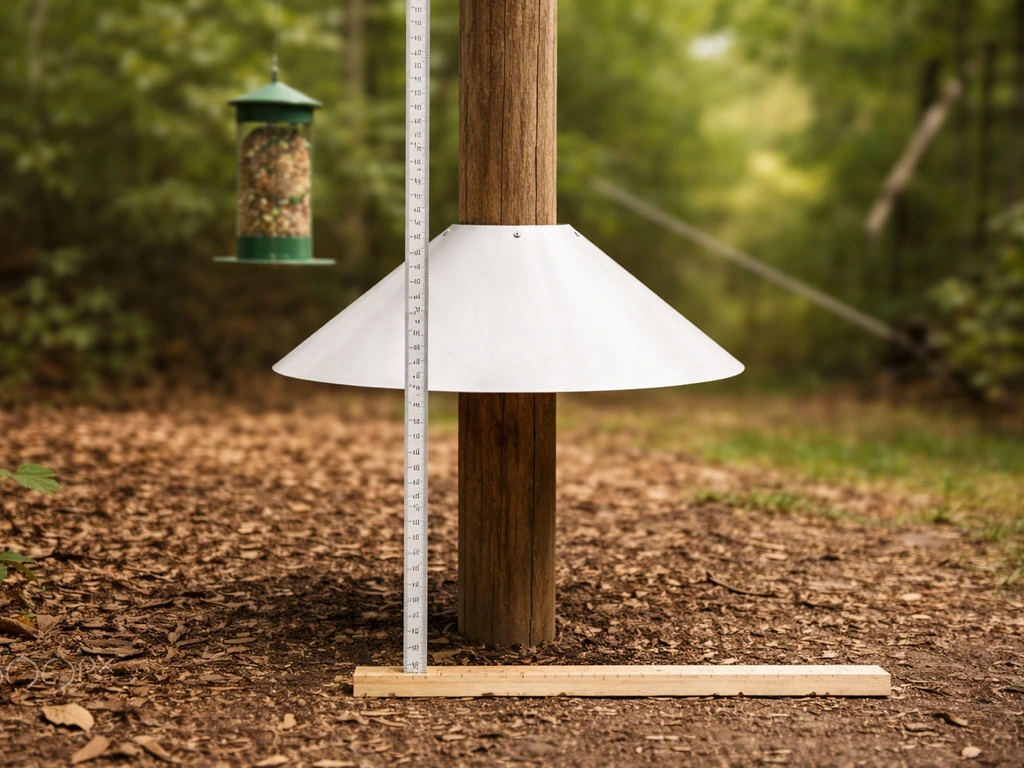
This is where most DIY baffles fail, and it's not a material problem. The construction is fine but the placement makes the whole thing useless. Squirrels can jump roughly 5 feet horizontally from a standing position and 10 feet when dropping from above. They can also climb a smooth pole if the baffle doesn't break their path at the right point. The Squirrel Wars handout for the Los Gatos Birdwatcher notes that pole-mounted feeders should use baffles placed at least four feet off the ground below the feeder so squirrels can’t leap over them from the ground. Here's what you actually need to hit.
| Measurement | Recommended Value | Why It Matters |
|---|---|---|
| Baffle height from ground | 4–5 feet (bottom edge of baffle) | Below this, squirrels can jump over the baffle from a standing position on the ground |
| Horizontal clearance from structures | At least 10 feet from fences, trees, walls | Squirrels can easily jump 8–10 feet laterally from a running start |
| Baffle diameter | 15–18 inches minimum | Narrower baffles let squirrels reach around the edge and grip the pole above |
| Gap between baffle edge and pole | Zero — seal it completely | Any gap larger than 1 inch can be exploited as a grip point |
| Distance from baffle top to feeder | 18 inches minimum | Gives perching birds clear approach without letting squirrels bridge the gap |
| Clearance above hanging feeder (wire length) | At least 12 inches bare wire above the dome | Prevents squirrels from stepping over the hanging baffle |
One thing I got wrong early on: I set my first pole baffle at 3.5 feet because it looked right visually. A gray squirrel jumped from the ground, caught the underside of the baffle, and hauled itself up anyway. Moving the baffle up to 4.5 feet fixed that immediately. The 4 to 5 foot window is not arbitrary: it's based on real squirrel jump height from a standing position on flat ground.
Also watch your pole diameter relative to your baffle hole. A baffle with a center hole significantly larger than the pole leaves a gap a squirrel can grip and use as a foothold. Seal that gap with silicone or wrap the pole with a few wraps of electrical tape to snug up the fit.
Testing, maintenance, and fixing the problems you'll actually run into
Once you've installed your baffle, give it 48 hours before declaring victory. Squirrels are persistent and will try multiple routes before giving up. Watch from inside if you can. You'll see quickly whether the issue is the baffle itself, the clearance from nearby surfaces, or something you didn't anticipate.
What to check after the first two days
- Look for scratch marks or bite marks on the baffle edge: this tells you squirrels are reaching the baffle but failing to get past it, which means it's working. If marks are on top of the feeder itself, something is wrong with placement.
- Check whether the baffle has shifted or tilted. Hose clamps can loosen over a couple of days, especially on smooth metal poles. Re-tighten and add a second clamp if needed.
- Look for seed spillage directly below the baffle (not the feeder). Squirrels may be knocking seed loose by shaking the pole. A baffle with a slight upward angle at the edges can catch some of this.
- If you see a squirrel still reaching the feeder, identify the exact route. Is it jumping from somewhere? Climbing up from below the baffle? Finding an alternate path entirely?
Common failure points and how to fix them
- Baffle too small: squirrels reach around the edge. Fix is to replace with a wider bowl or add an outer ring of sheet metal to extend the diameter to at least 18 inches.
- Gap at the pole center hole: squirrels grip the gap as a foothold. Fix with silicone caulk or a foam pipe wrap around the pole at that point.
- Baffle tilted at a steep angle: gives squirrels a ramp instead of a barrier. Re-level and add a second hose clamp above to prevent future tilt.
- Squirrel jumping from nearby structure: no baffle fixes this. Move the pole, or add a physical barrier (like hardware cloth) on the nearby fence section.
- Baffle cracked or warped after UV exposure: plastic bowls degrade in direct sun after a season or two. Inspect every spring and replace the bowl if it's brittle. Metal baffles last much longer.
- Desired birds won't use the feeder after installation: this usually means the baffle is mounted too close to the feeder, blocking approach angles. Drop the baffle down 2 to 3 inches so birds have more space to land and launch from the feeder platform.
Seasonal maintenance routine
Every spring, pull the baffle off the pole, wash it with mild soap and water, inspect the center hole for wear, re-check hose clamp tightness, and reapply a fresh bead of silicone around the pole gap if it's cracked. Metal baffles can develop rust spots at cut edges: sand them lightly and apply a coat of rust-inhibiting primer. This 15-minute annual check keeps a good baffle working for years. I've had a sheet metal cone baffle on my main feeder pole for four years now with nothing more than an annual clean and a fresh coat of primer on one edge.
Building a baffle is one of those projects where a Saturday afternoon of work pays off every single day afterward. Once squirrels stop getting to the seed, you'll notice more variety at the feeder almost immediately because smaller birds feel safer landing. If you are trying to scare off specific birds, you can also use the same DIY approach from our guide on how to make a windmill bird scarer more variety at the feeder. If you're enjoying building protective and enrichment structures for your backyard birds, there are plenty of related projects worth tackling next: a solid wooden bird stand for a mounted feeder setup is a natural next build once your pole-and-baffle system is dialed in. You can also use the same DIY mindset to learn how to make a bird gun-style safeguard that keeps unwanted pests away from your feeder protective and enrichment structures for your backyard birds. If you want the bird itself to look more intentional and lifelike, use a matching woodcarving approach and focus on clear details and a strong silhouette how to make a bird stand out of wood. If you are also interested in motion toys, you can use similar basic principles to learn drinking bird toy how to make at home. If you want to expand on that idea, learn how to make a wooden bird using simple tools and basic joinery a solid wooden bird stand.
FAQ
How wide should my bird baffle be so squirrels cannot reach around it?
Aim for a baffle diameter that leaves no practical “gap” beside the pole, typically about 15 to 18 inches. After installation, do a quick clearance test, try to measure whether a squirrel could straddle the pole and touch the feeder rim, if it can, you likely need a wider bowl or a more centered mount.
Do I need a baffle above the feeder, or is one baffle enough?
One often works for pole-mounted feeders, but hanging feeders usually need an above-feeder dome as well because squirrels can shimmy down the suspension line. If you still see activity after 48 hours, the baffle is probably stopping the wrong entry route.
What if my pole baffle looks high enough visually, but squirrels still get to the feeder?
Re-check the mounting height and your yard’s jump-off points. A common failure is placing the baffle too low, even by 6 to 12 inches, which lets a standing squirrel grab the underside. Adjust within the 4 to 5 foot window, and also increase clearance from nearby jump surfaces.
Can I use a baffle if my pole is thicker than the bowl or PVC hole?
Yes, but you must eliminate foothold gaps. If the center hole is significantly larger than the pole, seal the difference with silicone or snug the fit with tape or an added sleeve so the squirrel cannot grip or wedge into the opening.
How do I know where to mount the baffle if my feeder is near a fence or tree?
Treat nearby surfaces as additional launch points. If the feeder is close to a fence, shed, or tree trunk, squirrels may jump from those and land on top of your barrier, in that case, moving the pole farther away is more reliable than just increasing baffle size.
Should the baffle be smooth, or do I need a rough surface to block climbing birds?
Smooth and slippery usually performs better for squirrels, they struggle to get traction when the surface doesn’t provide grip. For climbing birds, the key is blocking the line of approach, the geometry matters more than adding texture.
What are the most common mistakes that make DIY baffles fail?
Most failures come from placement, not materials. The other frequent mistake is using a too-small baffle (under about 12 inches) or leaving a large center-hole gap around the pole, which gives squirrels a grip point they can exploit.
Do I need to remove the baffle during bad weather or winter?
You typically do not, but you should inspect it after storms. Check that the mount hardware remains tight, and if you used silicone at the pole gap, look for cracks or separation where water and temperature changes could reopen the access path.
How often should I clean and maintain a DIY bird baffle?
At least once each spring, remove it and wash with mild soap and water. Inspect the center hole for wear, re-seat hose clamps if used, and refresh the silicone bead if it has cracked, rust-inhibiting primer helps on any metal edges.
Can I use a DIY baffle to target specific birds like starlings, or will it only stop squirrels?
A baffle mainly blocks physical access, so it can reduce certain larger “climbers” and jumpers, but it will not reliably stop all species. If your goal is discouraging specific birds, pair the baffle with additional feeder management (such as feeder placement and seed choice) and confirm the baffle is placed to block the correct approach path.
Next Articles
How to Make a Bird Stand Out of Wood: Step-by-Step
Step-by-step DIY to make a freestanding wooden bird, from choosing wood and cutting shapes to safe finishes and setup.
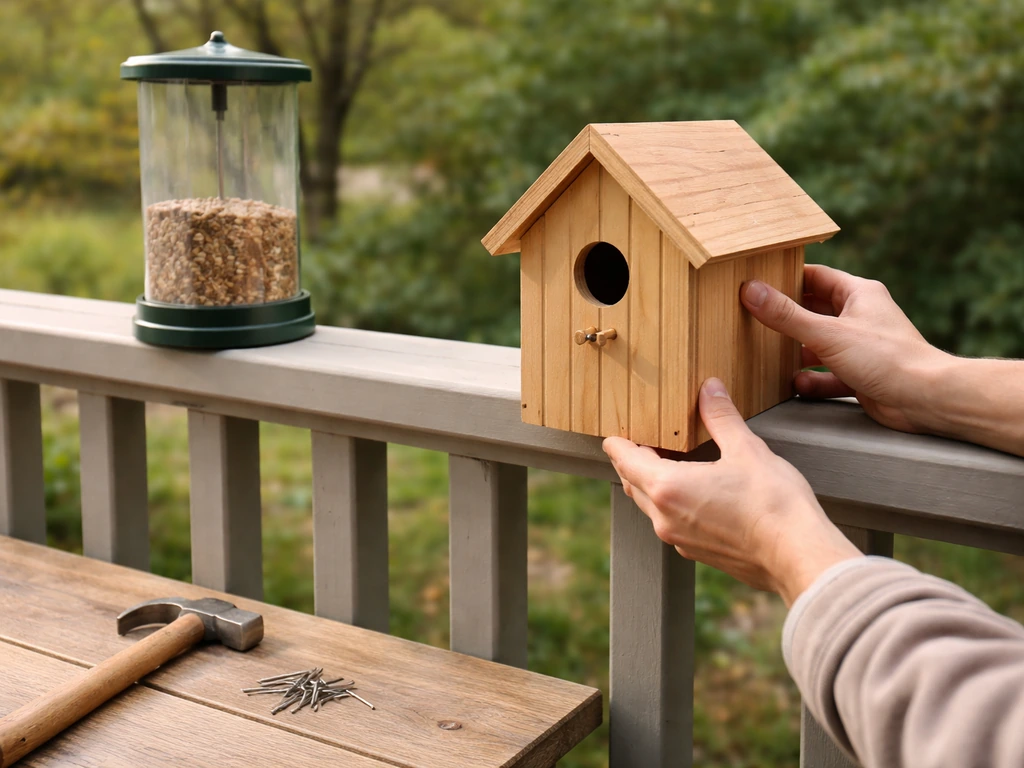
How to Make Bird Gun Safely Redirected to Bird Housing
Clarifies bird gun is unsafe, then gives step-by-step DIY bird housing, feeders, and enrichment projects for a safer bac
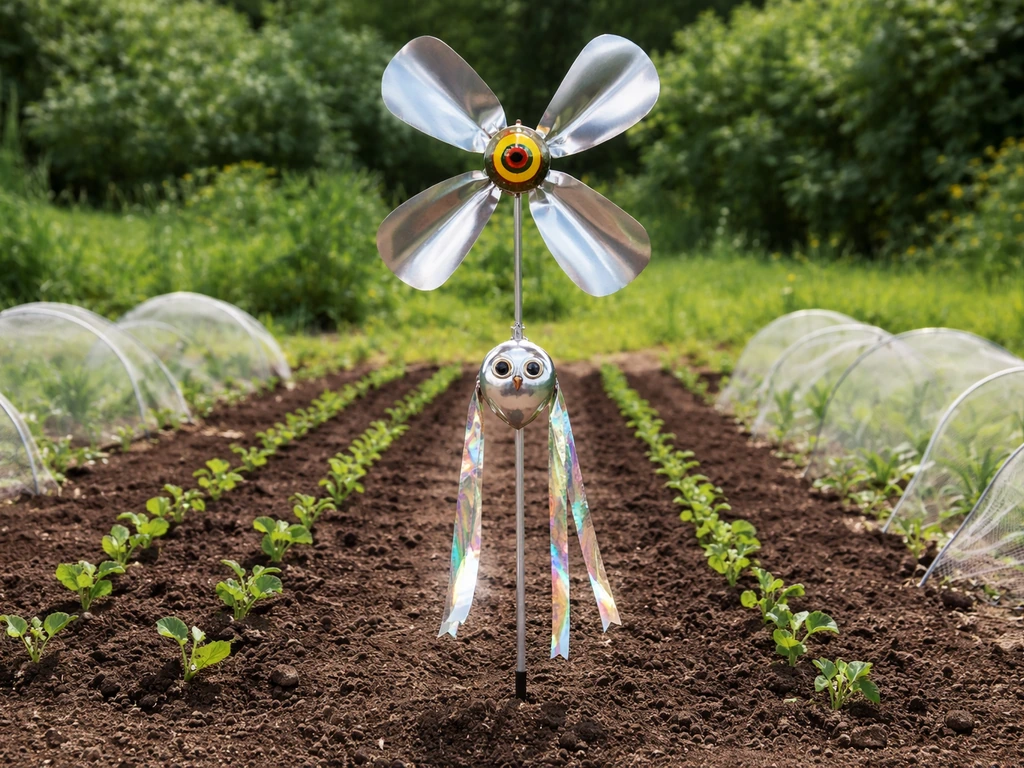
How to Make a Windmill Bird Scarer More Effective
Upgrade a windmill bird scarer with reflective, predator cues, motion and optional noise plus placement tips and testing