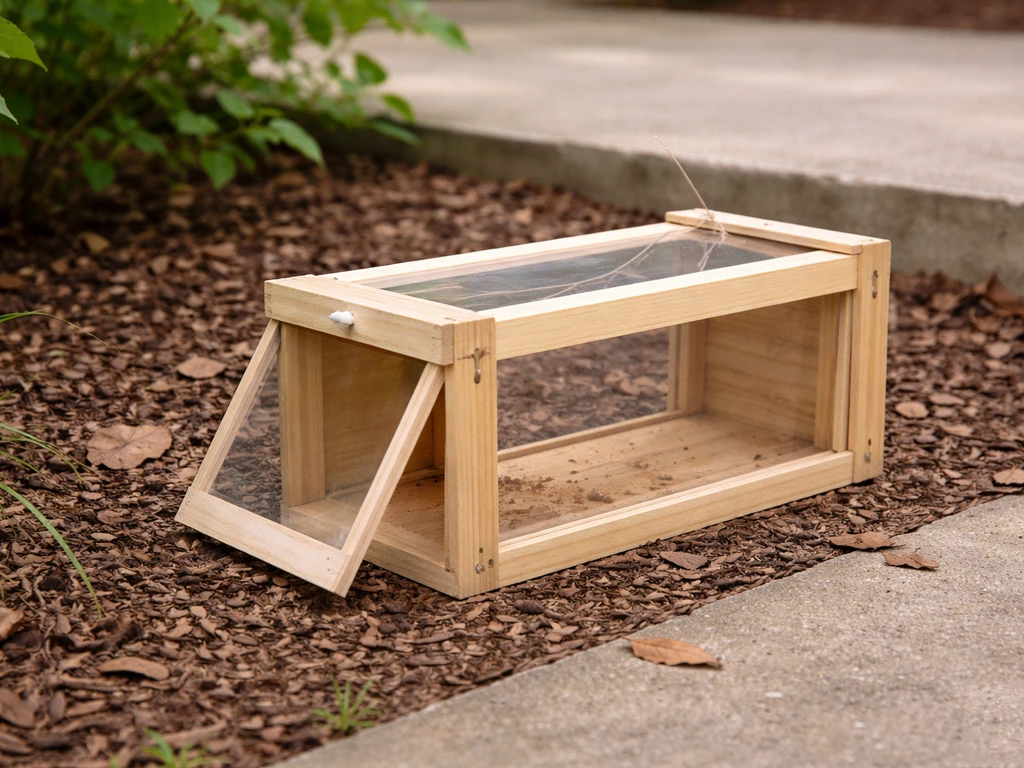
The best homemade bird trap for most backyard situations is a simple box or cage-style live trap that captures birds without injuring them, giving you time to identify the species, handle them safely, and release or relocate them properly. It can be built from scrap lumber and hardware cloth in an afternoon, and it works for common problem birds like house sparrows, pigeons, and starlings. Before you cut a single board, though, you need to know what species you're dealing with and what you actually want to achieve, because that changes everything from the trap design to whether trapping is even the right move. If you want a rope-based setup, focus on how the rope and trigger mechanism control the door so you can build it safely and effectively trap design.
Best Bird Trap Homemade: DIY Steps by Bird Problem
First: figure out what bird you're dealing with and why
Identifying the species before you build anything saves you a lot of wasted effort. A pigeon trap is very different from a sparrow trap, and some birds you might want to catch are legally protected in ways that limit your options considerably. Spend a few minutes watching the bird and noting a few key features.
Common problem birds and how to spot them
| Species | Key ID Features | Typical Problem | Legal Status (US) |
|---|---|---|---|
| House Sparrow | Male: black bib, chestnut head, gray crown, whitish cheek. Female: plain buff-brown, large yellowish bill, unstreaked underparts | Taking over birdhouses, nesting in structures, displacing native birds | Invasive/non-native — not protected under MBTA |
| Rock Pigeon | Iridescent green/purple neck, two black wing bars, white rump patch, broad black tail band, red feet | Roosting on roofs/ledges, fouling surfaces, eating large amounts of feed | Invasive/non-native — not protected under MBTA in most states |
| European Starling | Stocky, short tail, speckled in winter, yellow bill in breeding season, cavity nester | Competing with native cavity nesters, nesting in vents/eaves | Invasive/non-native — not protected under MBTA |
| Native sparrows, finches, doves | Varies widely — often similar size to house sparrow but with different markings or bill shape | Accidental bycatch in traps set for other species | Fully protected under MBTA — immediate release required |
The three non-native species above (house sparrow, rock pigeon, and European starling) are the ones you're most likely legally allowed to trap without a federal permit in the US, because they are not protected under the Migratory Bird Treaty Act. That matters enormously. Virtually every other wild bird you might encounter in your backyard, including native sparrows, warblers, woodpeckers, and most others, is federally protected. Trapping them without authorization is illegal.
If you're not confident about identification, take a photo first and use a free app like Merlin before you do anything else. Merlin Bird ID is a free app developed by the Cornell Lab of Ornithology to help people identify birds using photos, sounds, and descriptions use a free app like Merlin.
Also think honestly about why you want to trap. Is a house sparrow taking over a bluebird box? Are pigeons destroying your patio? Is a bird stuck inside a shed or garage? Each scenario has a best-fit solution, and trapping isn't always it. A bird that's simply feeding at your feeder is usually better dealt with through feeder design changes than a trap.
Pick the right approach: live trap, exclusion, or something else?
Live capture trapping makes sense when you have a persistent, targeted problem bird (usually one of the non-native invasives), a bird that's gotten trapped inside a structure, or a situation where exclusion alone hasn't worked. Wildlife authorities describe appropriate trapping situations as emergency cases, targeted removal of a specific problem animal, or when trapping genuinely is the only practical solution. That's a good filter to run your situation through.
Exclusion, on the other hand, means physically preventing birds from accessing a problem area rather than catching them. This is often faster, cheaper, and more permanent than trapping. A pigeon roosting under your deck eave is much easier to address with bird netting or hardware cloth than with a trap. Similarly, a house sparrow monopolizing a birdhouse can be managed by temporarily blocking the entrance until sparrow season passes, then reopening it for cavity-nesting natives.
- Live cage trap: best for targeted removal of a specific bird inside or around a structure, especially non-native invasives
- Box/funnel trap: good for catching multiple sparrows or pigeons in a small flock scenario (see the box trap build below)
- Exclusion netting or hardware cloth: best for long-term prevention of roosting and nesting in eaves, vents, and structures
- One-way exclusion door: great when a bird is nesting inside a structure and you want to let it leave but not return
- Entrance hole resizing: for birdhouses, simply drilling the correct hole diameter blocks most sparrows from entering boxes intended for bluebirds or wrens
If you're working with a bird stuck inside a building, that's a different scenario entirely, open windows and doors, darken other light sources so the bird is drawn toward the exit, and give it a quiet chance to leave on its own before trying to catch it. Trapping is a last resort for that situation, not a first move.
The best DIY homemade bird trap: a simple drop-door box trap
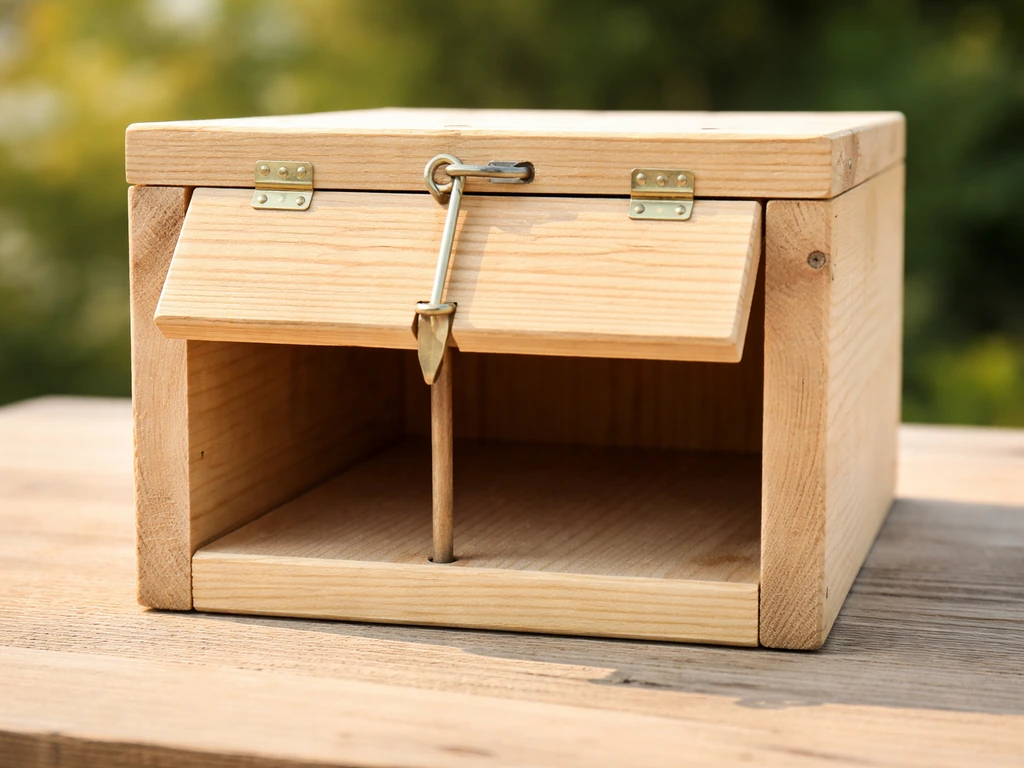
I've built a few versions of this over the years, and the drop-door box trap is the one I keep coming back to. It's beginner-friendly, uses basic materials, causes minimal stress to the bird, and works reliably for house sparrows and similar small birds. This guide will walk you through how to make a bird trap with sticks that uses a simple trigger and drop-door design. I'll also give you notes on scaling it up for pigeons.
If you are looking for a different style, you can also learn how to make a bird trap out of a bottle. The mechanism is simple: the bird walks in to reach bait, disturbs a trigger stick, and the door drops behind it. One-way entry, no springs to over-tension, and no pinch points.
Materials list
- 1x lumber (1x6 or 1x8 pine, about 6 feet total) for top, bottom, and two side panels — repurposed shelving boards work perfectly
- Hardware cloth (1/2-inch mesh, galvanized), about 2 square feet for the back panel and optional floor section
- One small piece of plywood or thin board for the drop door (about 6 inches x 7 inches for a sparrow trap)
- Two small screw eyes (for the door guide rails)
- One wooden dowel or thick stick, about 6 inches long (the trigger prop)
- Thin string or fishing line, about 18 inches (for the trigger mechanism)
- 1-inch wood screws or nails
- Staple gun with 1/2-inch staples (for attaching hardware cloth)
- Small hinges or a simple groove cut into the side panels to guide the drop door
- Wire cutters, drill, saw, tape measure, pencil
Dimensions (sparrow-sized trap)
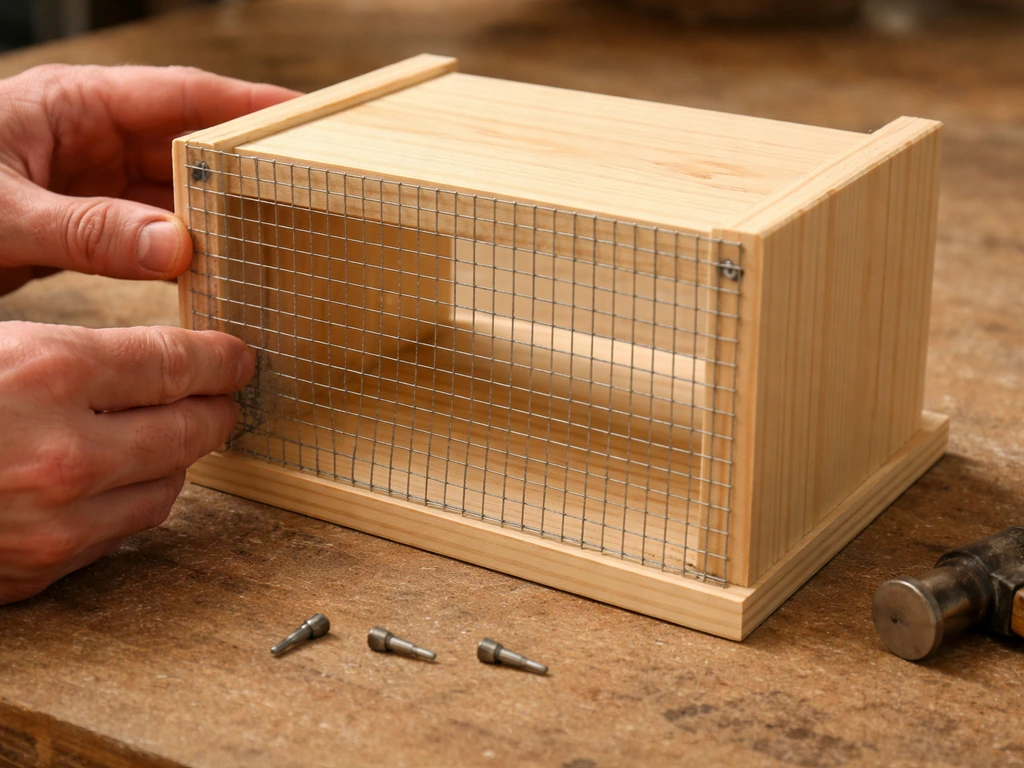
For house sparrows or similarly sized small birds, build the box at roughly 12 inches long, 7 inches wide, and 7 inches tall. That gives the bird enough room to enter and stand comfortably without extra space that makes it harder to catch. If you're targeting pigeons, scale up to about 24 inches long, 12 inches wide, and 12 inches tall and use 1-inch mesh hardware cloth or even welded wire panels for the frame.
Step-by-step assembly
- Cut your lumber: two side panels at 12x7 inches, one top panel at 12x7 inches, and one bottom panel the same size. Leave the front face open (that's where the door drops) and the back face open for the hardware cloth panel.
- Assemble the box with screws, attaching the top and bottom panels between the two side panels to form an open-front, open-back box shape. Pre-drill to avoid splitting thin boards.
- Cut a piece of hardware cloth to fit the back opening and staple it in place. This lets the bird see through, which actually helps — birds are calmer in partially open enclosures and are attracted by bait they can see from outside.
- Create the door guides: on the inside face of each side panel, near the front opening, screw in a screw eye on each side at the same height, or cut a shallow vertical groove about 1/4 inch wide down each side panel face. These guide rails are what the door slides up and down in.
- Cut your drop door piece to fit snugly in the guides — it should slide freely but not rattle. A piece of 1/4-inch plywood works well. Drill a small hole near the top of the door for the trigger string.
- Make the trigger: tie one end of your string through the hole at the top of the door. Thread the other end down through the box to the floor area. Tie a small loop in the string about 2-3 inches up from the floor. The trigger prop stick rests in this loop and holds the door up when set.
- To set the trap: slide the door up in the guides, prop it open with the trigger stick sitting in the string loop at floor level, and place bait just past the stick toward the back of the box. When the bird disturbs the stick while going for the bait, the stick falls, the string goes slack, and the door drops.
- Test the mechanism several times before deploying. The door should drop cleanly and fast. If it sticks, sand the guides lightly. The trigger stick should be just stable enough that a bird brushing against it will knock it out, but not so hair-trigger that wind sets it off.
One thing I learned the hard way on my first build: make the door a little heavier than you think it needs to be. A light door can bounce back up on impact. A small piece of metal strip epoxied to the top edge of the door adds weight without bulk and makes it drop decisively every time.
If you'd rather build from a different set of materials, a bottle trap, a stick-and-box trap, or a rope snare-style setup are all variations that use the same basic principle of luring a bird into an enclosed or restricted space. Each has its own trade-offs in terms of size range, ease of build, and species suitability. If you prefer a glue trap approach for certain nuisance birds, the safest starting point is learning how bird glue traps work and the legal rules where you live.
Placing, baiting, and monitoring your trap
Where to put it
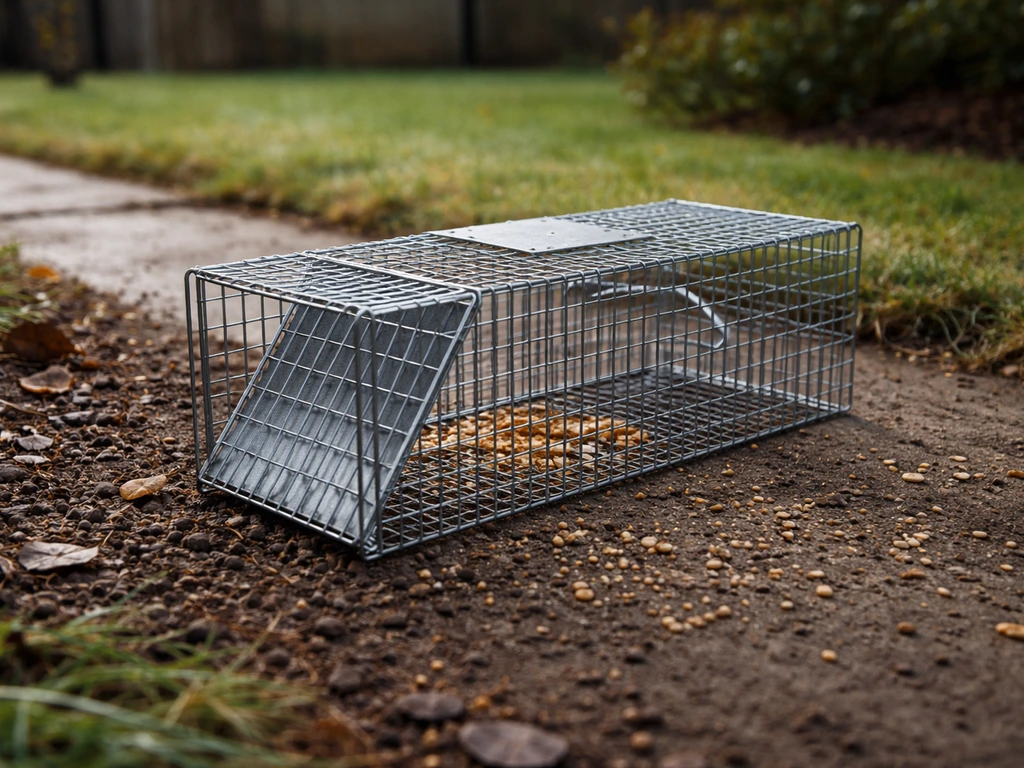
Placement matters as much as design. Put the trap where you've actually observed the problem bird spending time, not just where you think it might go. For sparrows, that's often near a birdhouse, under eaves, or at a feeder. For pigeons, it's on a flat roof section, a ledge, or near a regular feeding spot. Face the trap entrance away from direct wind if possible, and place it on a flat, stable surface so it doesn't rock.
For the first day, consider leaving the trap unset but baited so the target bird gets used to eating near or inside it. This is called pre-baiting, and it dramatically increases your capture success rate because the bird stops associating the box with anything threatening.
Bait choices by species
| Target Species | Best Bait | Notes |
|---|---|---|
| House Sparrow | White millet, cracked corn, bread crumbs | Scatter a few seeds just outside the entrance to draw the bird in, then place the main bait deeper in the box |
| Rock Pigeon | Whole corn, dried peas, cracked grain, bread | Pigeons are confident foragers — a visible pile of grain works; no subtlety needed |
| European Starling | Suet, mealworms, fruit scraps, wet dog or cat food | Starlings are omnivores and attracted to high-protein soft foods more than seeds |
Timing and checking the trap
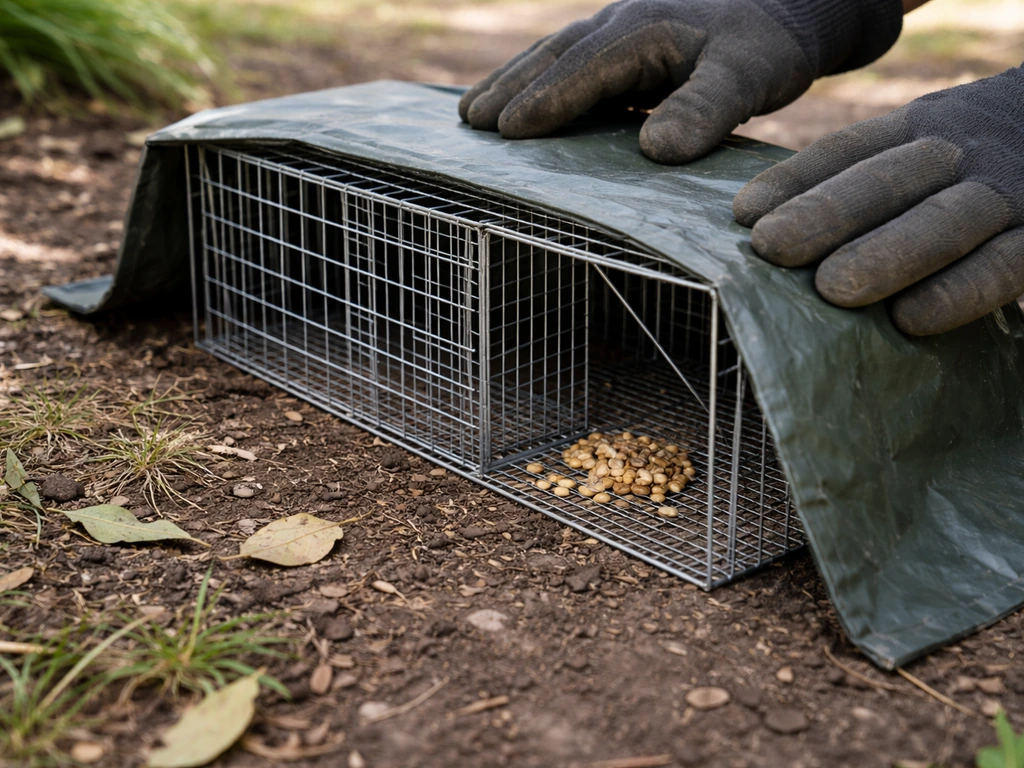
Set the trap in the morning when birds are most actively feeding. Check it at minimum every few hours, and absolutely check it at least once every 24 hours, that's not just a best practice, it's a legal requirement in many states. Illinois, for example, explicitly requires trap checks at least every 24 hours. In hot weather or direct sun, check more frequently. A trapped bird in a sealed box on a summer afternoon can overheat in under an hour, which is a welfare issue you want to avoid entirely.
Place the trap in shade when temperatures are above 75°F, and cover the top and sides with a piece of burlap or a dark cloth to reduce heat buildup and calm any bird that does get caught. Do not leave the trap set and unmonitored overnight unless you are confident you can check it at first light.
What to do when you catch a bird: release, relocate, and legal basics
The moment you open the trap door, you're responsible for that animal. Here's how to handle it correctly, both for the bird's welfare and to stay on the right side of the law.
Check for the right species first
Before you do anything else, confirm you caught what you were trying to catch. Native birds can and do enter traps set for non-native species. If you accidentally caught a protected native bird, release it immediately on-site. Do not move it, do not attempt to handle it longer than necessary, and do not hold it. USFWS guidance is clear that frightening or stressing a captured migratory bird is not authorized, even accidentally.
Releasing non-native invasives
For house sparrows, pigeons, and starlings, you have more options, but relocation is not as simple as it sounds. WDFW notes that releasing wildlife into a new location is generally prohibited without a permit and may harm the animal or resident wildlife at the release site. Many states require released animals to be relocated within a specific distance and into suitable habitat. Illinois, for example, requires release within 24 hours into suitable habitat within a state-defined distance range. Check your specific state regulations before you decide where to release.
USFWS guidance recommends releasing birds within 24 hours of capture whenever possible. Do not house more than one bird in a single carrier, and keep conditions calm and dark during transport to reduce stress. Tufts Wildlife Clinic notes that captured animals can experience life-threatening stress from human noise, touch, and eye contact, so keep talking to a minimum, avoid staring at the bird directly, and use a towel over the trap to keep it dark and calm.
When to call a wildlife professional
If you catch an injured bird of any species, contact a licensed wildlife rehabilitator or veterinarian rather than trying to treat or hold it yourself. A federal rehabilitation permit is required to legally possess migratory birds even temporarily, with the only exception being immediate transport of an injured bird to a permitted rehabilitator. The Wisconsin Humane Society advises keeping noise low and getting the bird to a licensed rehabilitator as quickly as possible. You can find your nearest licensed wildlife rehabilitator through your state wildlife agency or the NWRA (National Wildlife Rehabilitators Association) directory.
If you have a persistent, large-scale problem that a single DIY trap isn't solving, for example a flock of pigeons roosting on a commercial building or a serious sparrow infestation in a martin colony, that's genuinely the point at which a licensed nuisance wildlife control operator is worth the cost. They can work with permits that allow options not available to the average homeowner.
After the catch: bird-proofing so you don't end up back here
Trapping solves the immediate problem but rarely the underlying one. If a house sparrow found your bluebird box appealing, another one will too. If pigeons liked your roof ledge, the space will be recolonized within weeks. The real win is combining the catch with prevention that makes the space unattractive or inaccessible long-term.
DIY exclusion fixes by scenario
- Birdhouse takeover by sparrows: install a hole size appropriate for your intended species — 1.5-inch diameter for bluebirds, 1.125 inches for wrens — which physically excludes larger sparrows. Add a sparrow spooker (simple mylar strips above the entrance hole) during the first two weeks of a native bird's nesting attempt.
- Pigeons roosting on ledges and eaves: install physical bird spikes or staple 1/2-inch hardware cloth over the roosting surface. A 45-degree slope made from sheet metal or foam blocks removes flat landing space entirely.
- Starlings or sparrows nesting in vents: cover dryer vents, soffit vents, and open pipe ends with galvanized hardware cloth (1/2-inch mesh). Secure it with screws, not just staples — persistent birds will pull stapled mesh loose within a season.
- Birds entering sheds or garages: install door sweeps, seal gaps above 1/2 inch with steel wool or hardware cloth, and use self-closing hinges on doors that are frequently left open.
- Feeding station attracting problem species: switch from mixed seed to species-specific feeders. Safflower seed attracts cardinals and chickadees but is largely ignored by pigeons and house sparrows. Tube feeders with short perches exclude larger birds entirely.
Give native birds a better alternative
One of the most effective long-term strategies for keeping invasive species out of birdhouses is making sure native cavity nesters claim the space first. A properly designed nest box, mounted at the right height, with the right entrance diameter, and monitored weekly during nesting season, is actively claimed and defended by species like bluebirds, chickadees, or tree swallows. An occupied box is a protected box. That's a much more sustainable solution than repeated trapping cycles, and it turns a frustrating problem into a rewarding backyard project.
The same principle applies to feeders: a well-designed feeder that suits native species and excludes problem birds does more long-term work than any trap. Focus on what you want to attract, build or buy the right structure for it, and the unwanted visitors often sort themselves out without you having to intervene at all.
FAQ
How do I choose the right target bird if I’m not 100% sure of the species?
Use a photo-based ID check before setting anything, then only bait and trap if you can confidently match the bird’s size and key markings. If you’re unsure, switch to prevention (exclusion, feeder changes, netting) until you can confirm. Traps can capture protected natives even when you think you’re targeting an invasive.
Can I use a homemade bird trap for any backyard bird if I’m careful?
No. Even “humane” live capture can be illegal for many native species. If you are not certain the bird is one of the non-protected species commonly exempted from federal permit requirements, stop and treat the situation as prevention-only or contact local wildlife authorities for guidance.
What’s the safest bait choice, and how do I avoid attracting the wrong species?
Match bait to the likely feeding behavior of the target (seed type, grain, or bread only when it reflects what the bird is already eating). Avoid broad, high-attractant baiting that draws multiple species at once. If you start getting non-target birds, reduce bait access time, adjust placement closer to where the target is actually feeding, or stop and switch methods.
Do I need to set the trap with the door or trigger mechanism adjusted differently for different temperatures?
Yes. In heat, birds are more likely to overheat quickly, so minimize time-to-capture by using shade placement, pre-baiting, and checking more frequently. Extremely hot conditions can make trapping impractical even with shade, and prevention or exclusion may be the safer route.
What if multiple problem birds keep approaching, can I leave the trap set longer to improve odds?
Don’t lengthen unattended time. With higher traffic, you must check more often because the first captured bird can become a welfare risk quickly. If you’re repeatedly catching non-targets or too many birds, it’s a sign to redesign placement or switch to exclusion or a permit-based operator.
How should I handle the trap if I catch a bird that isn’t my intended target?
Release it immediately on site. Don’t reposition it to another spot, don’t keep it in the trap for longer than necessary, and avoid extended handling or attempts to “calm” it beyond minimizing contact. If it appears injured or lethargic, contact a licensed wildlife rehabilitator right away.
Is it okay to relocate a captured bird to a different part of my property?
Often, relocation within the exact capture area is safer than moving farther, but legal rules still apply. For many situations, release-site rules and “suitable habitat within distance limits” can restrict where you may move an animal, so follow your state requirements rather than assuming property relocation is allowed.
Can I keep more than one bird at a time in a homemade trap or temporary container?
No. Do not house more than one captured bird in a single carrier or container. If a second bird is caught, handle each bird separately and monitor constantly, since crowding increases stress and can raise injury risk.
What should I do if the bird is injured, exhausted, or behaving abnormally in the trap?
Stop attempting DIY “care.” Keep the bird calm and dark, then contact a licensed wildlife rehabilitator or veterinarian for instructions. Possession of migratory birds generally requires specific authorization, so rapid transfer to permitted care is the safest legal and welfare pathway.
What are common mistakes that cause animals to bounce out or get injured in DIY drop-door traps?
Typical issues include an overly light door that rebounds, pinch points near the frame, or a doorway that doesn’t fully clear when it drops. Another frequent problem is building the box too roomy, giving the bird extra space to avoid entering fully. Heavier door edges and tight clearances help prevent failures.
How can I tell if trapping is the wrong tool for my specific problem?
If the bird is mainly using a feeder or a small visual access point, prevention usually works better and more permanently. If exclusion (netting, sealing gaps, blocking roosting) has a clear path, trapping will often just create a cycle of replacement birds. Use trapping only for targeted, persistent cases or when a bird is stuck inside a structure and exclusion has not resolved it.
If a bird is inside a shed or garage, should I still use the homemade trap?
Usually no. For indoor situations, the first step is to open exits, darken other light sources, and let the bird leave on its own. Trapping should be last resort only when the bird cannot be guided out safely. If it needs capture, a wildlife professional can reduce legal and welfare risks.
Do trap checks and timing requirements vary by location, and how should I plan around them?
Yes. Many states require at least one check every 24 hours, and hot weather may require more frequent checking. Plan your schedule so you can monitor multiple times during peak heat or high capture activity, and avoid setting traps late in the day if you cannot check at first light.
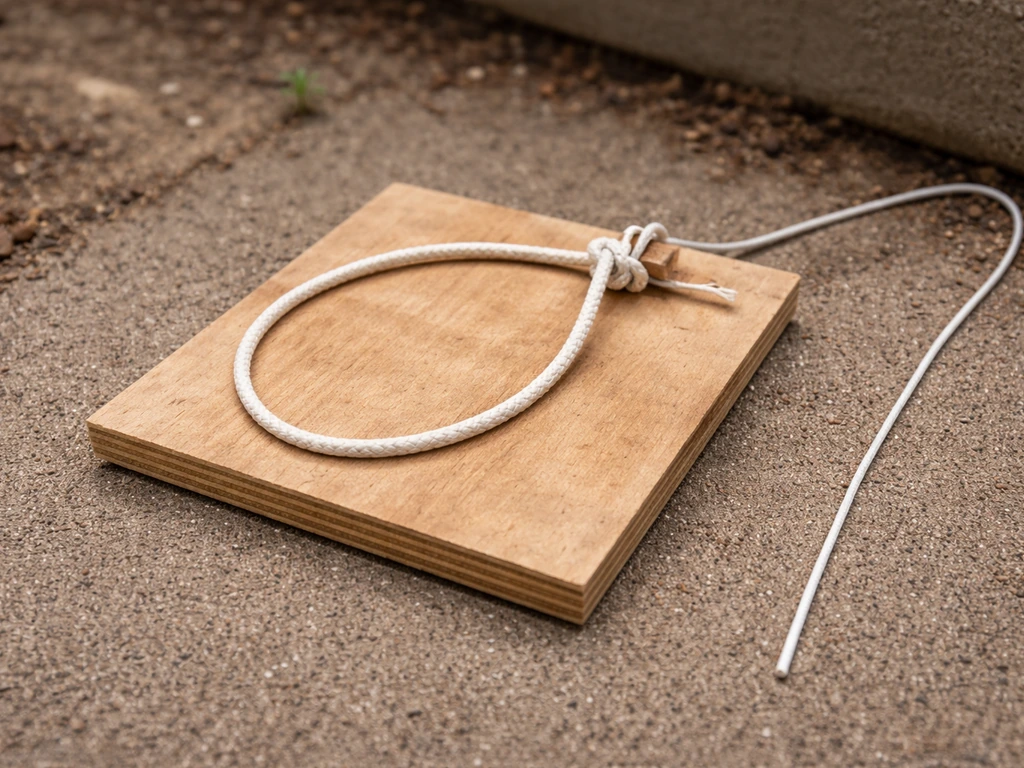
Step-by-step DIY rope or string bird trap build, with parts, setup, safety checks, and humane release guidance.
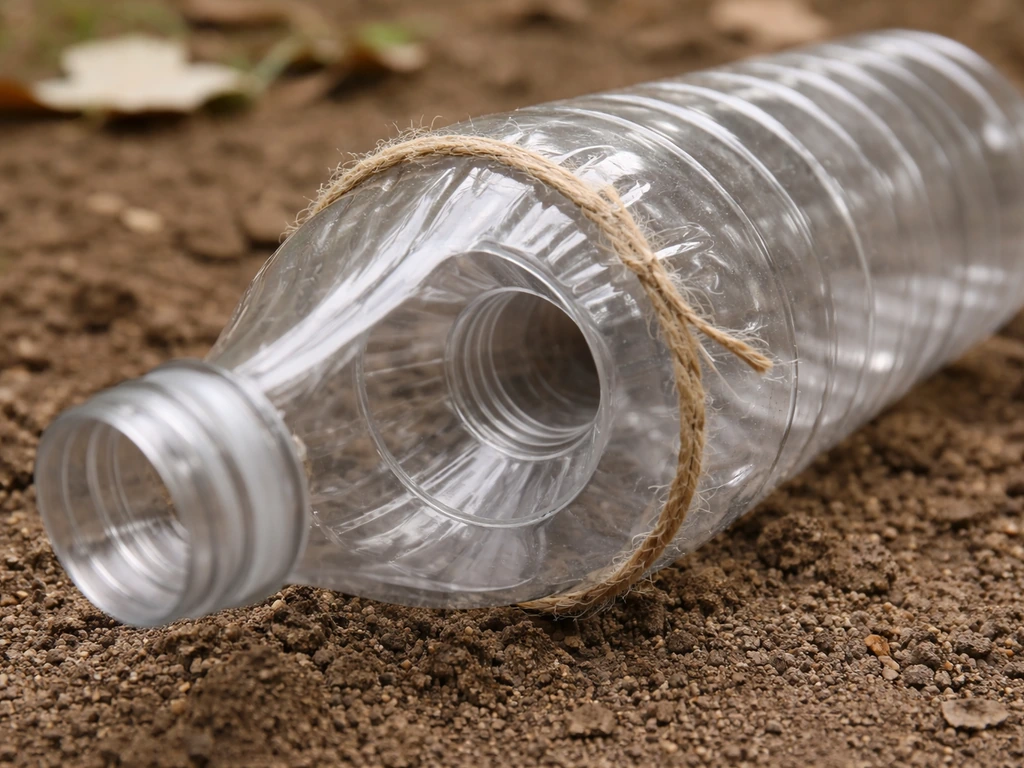
Step-by-step DIY bottle bird trap build with one-way entry, safe ethical guidance, release tips, and troubleshooting for
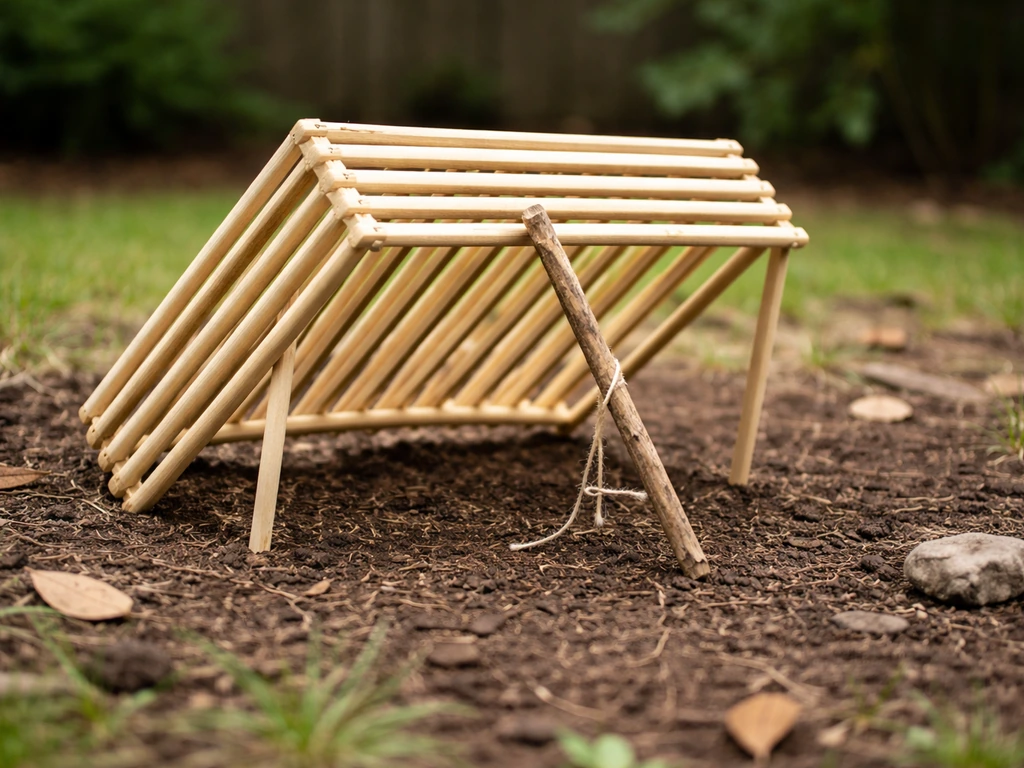
Step-by-step humane stick bird trap plan, with legal safety notes, setup tips, and humane release guidance.