Making a bird glue trap to catch wild birds is something you really want to avoid, and not just for ethical reasons. Using sticky adhesive to capture wild birds can seriously injure them, is often illegal under federal and local laws, and the CDC itself advises against glue traps altogether. What most backyard DIYers actually need is a way to stop nuisance birds from accessing certain spots, and there are smarter, safer builds you can put together today that do exactly that without harming a single feather. If you're searching for how to make bird trap with rope, it's best to reconsider and choose a humane, legal exclusion method instead.
How to Make a Bird Glue Trap Safely and Legally

Marcus Thornton
27 May 2026
Why bird glue traps are risky: injury, legality, and ethics
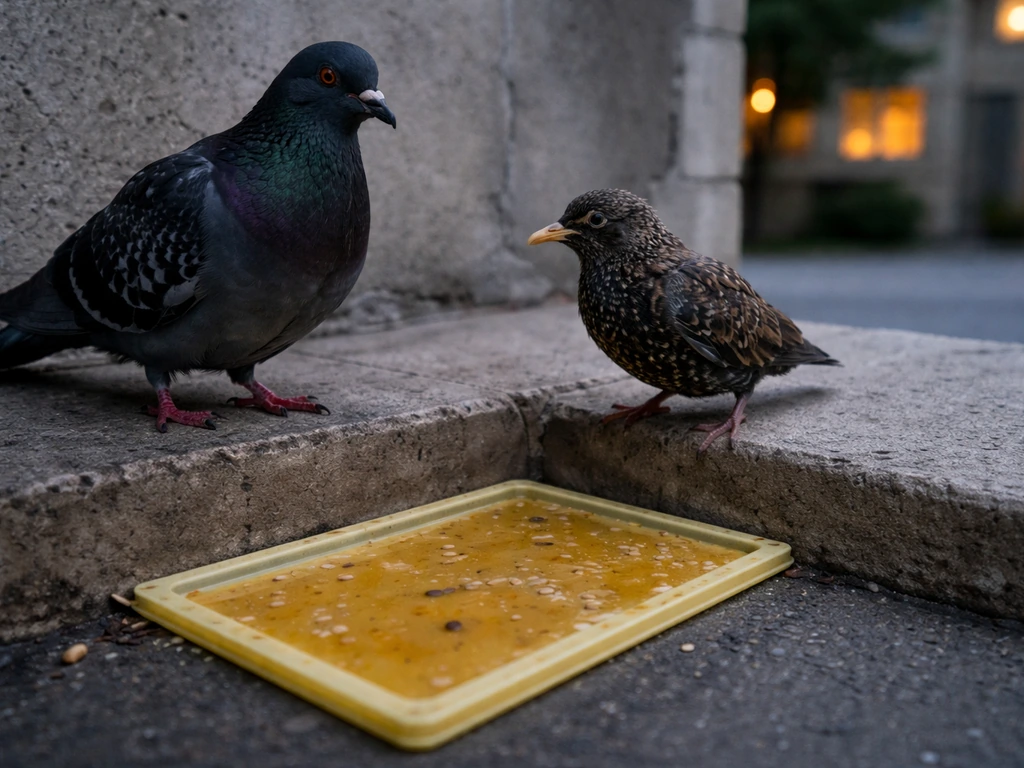
Glue traps are what wildlife professionals call indiscriminate, meaning they don't care what lands on them. You put one out to deal with a pest bird and you might snag a songbird, a small mammal, or even a lizard instead. Once a bird lands on a sticky surface, instinct kicks in and it thrashes to get free. That struggling is exactly what causes the damage: wings, skin, legs, and body can all be injured in the process. The Wildlife Center of Virginia and RSPCA both document cases where birds sustained fractures, skin tears, and feather loss just from trying to escape.
Birds that don't escape quickly face a slower fate. Because glue traps are rarely monitored closely, animals can be stuck for hours or even days, dying from exhaustion, dehydration, or starvation. The Humane Society describes this as the typical outcome for glue-trapped animals, and it's one of the core reasons the RSPCA opposes the manufacture, sale, and use of all glue boards.
On the legal side, most wild birds in the United States are protected under the Migratory Bird Treaty Act. Capturing, injuring, or killing a protected bird, even accidentally, can carry real legal consequences. Beyond federal law, several states and municipalities are tightening restrictions on glue traps specifically. West Hollywood became the first U.S. city to ban rodent glue traps in 2023, followed by Ojai, California in 2024, and proposed federal legislation has expanded that conversation nationally. Florida requires a permit to run bird traps at all, and New York's environmental conservation code includes detailed rules around entrapment devices. The rules vary by location, so check with your local fish and wildlife agency before trying anything sticky near wild birds.
Safer first: humane ways to stop nuisance birds in your backyard
Before you build anything, it's worth asking what problem you're actually trying to solve. Most nuisance bird situations, pigeons on a ledge, sparrows nesting in a vent, starlings hogging a feeder, can be solved without any kind of trap at all. If you want an easy, practical option, focus on humane DIY exclusion ideas instead of glue traps, similar to guidance in how to make a bird trap easy. These approaches are legal, don't risk injuring wildlife, and honestly take less effort to maintain long-term. If you're looking for stick-based bird traps, it’s better to avoid DIY capture traps and use exclusion or humane deterrent builds instead.
- Redirect food sources: If birds are gathering somewhere unwanted, they're usually after food or water nearby. Move feeders away from problem areas or use feeders designed for specific species with weight-sensitive perches that close under heavier birds.
- Physical deterrents: Bird spikes on ledges, coiled wire barriers, and angled surfaces make perching uncomfortable without causing harm. USDA APHIS lists these as standard bird dispersal techniques for making areas inaccessible.
- Visual and audio deterrents: Reflective tape, predator decoys (owls, hawks), and motion-activated sprinklers break up bird patterns with no contact required. Rotate them every few days so birds don't habituate.
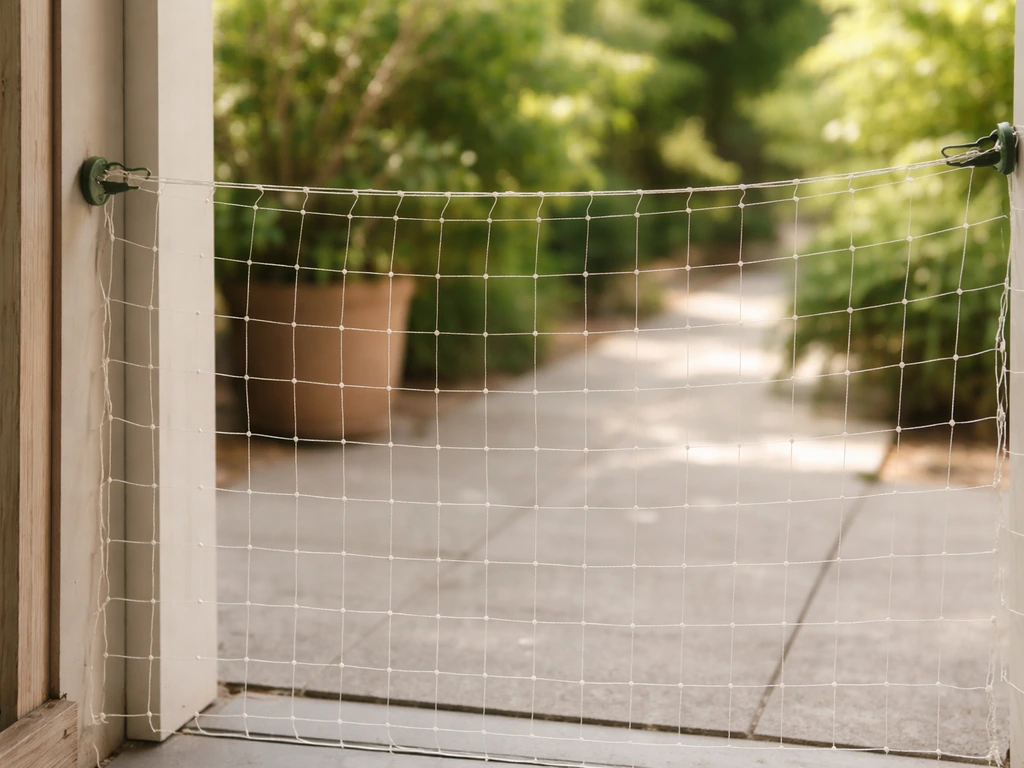
- Exclusion netting (installed correctly): Properly hung and maintained bird netting blocks access to specific zones like a garden bed or a building gap. This is covered in more detail below because installation matters a lot.
- Habitat redesign: Sometimes the easiest fix is removing what's attracting birds. Trim overgrown shrubs near problem areas, seal open gaps in eaves, and eliminate standing water sources you don't want birds using.
If you genuinely need a bird captured (say, a non-native invasive species like a European starling on agricultural property), that typically requires a licensed wildlife professional and a proper permit. If you're looking for a DIY bottle bird trap, skip it and use humane exclusion and deterrents instead. Don't DIY that part.
DIY alternative builds: sticky barriers that protect areas without trapping birds
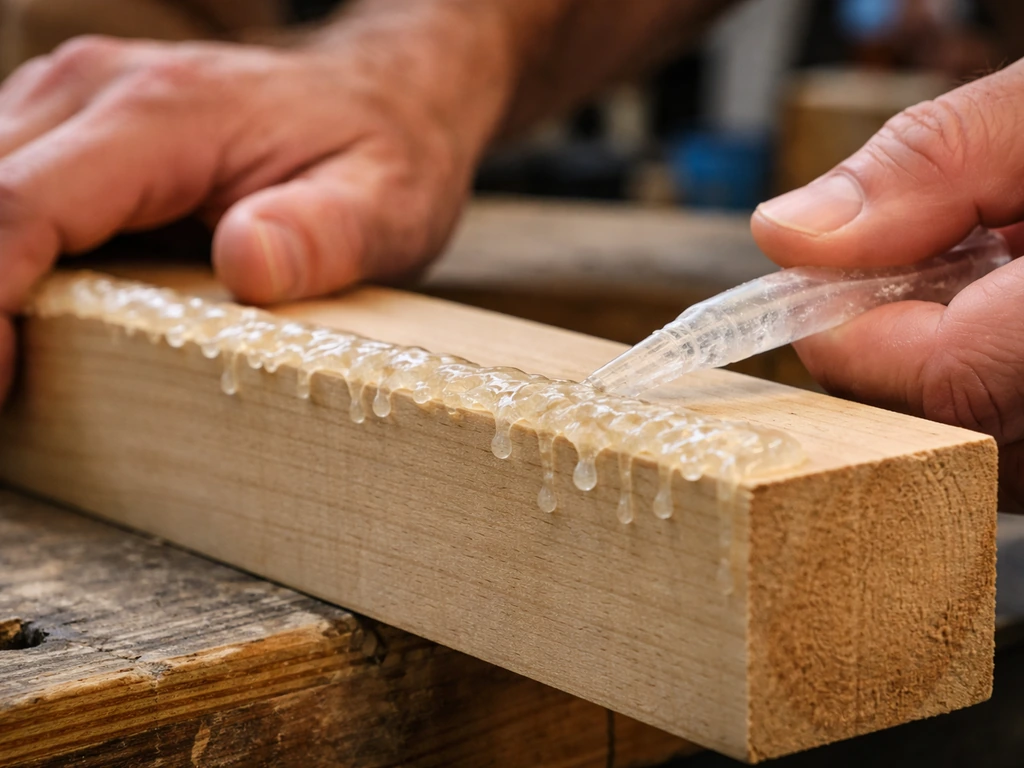
Here's where we can actually build something useful. A sticky barrier, applied correctly, is designed to make a surface unpleasant to land on, not to trap anything. The key distinction is coverage and context: a thin, targeted application of a non-toxic adhesive product on a ledge or post acts as a deterrent because birds dislike the feel and avoid it. It is not a glue trap. The moment an animal gets stuck and can't free itself, that line has been crossed and you have a welfare problem on your hands.
Products like Tanglefoot Tree Tanglefoot are designed as insect barriers for tree trunks. They're applied to banding material wrapped around the trunk, at least 3 inches wide and a controlled thickness, using a putty knife or disposable paddle. That same controlled-coverage approach is what separates a legitimate pest barrier from a trap. The critical rule from commercial glue product manufacturers themselves (including Pro Chem's own product documentation) is: do not place sticky adhesives where birds or non-target animals may come in contact with the adhesive.
For bird deterrence specifically, purpose-built bird repellent gels (not full glue traps) can be applied to narrow ledge surfaces where birds roost. But the honest truth is that for most backyard situations, exclusion netting or physical barriers are cleaner, more effective, and easier to manage.
Simple DIY exclusion netting frame
This is the build I recommend for most situations where you want to block bird access to a specific area, like a garden bed, a porch corner, or a gap in a structure.
- Materials: UV-resistant bird exclusion netting (mesh size 3/4 inch or smaller for most songbirds, 2 inches for larger species like pigeons), wooden stakes or PVC conduit for the frame, zip ties or wire staples, and ground anchors or screw eyes
- Tools: Measuring tape, wire cutters, a staple gun (for attaching netting to wood framing), and work gloves
- Optional for ledge applications: Purpose-made bird repellent gel, putty knife, and foam backer rod to create a raised application surface
Materials, tools, and step-by-step assembly (harm-minimizing)
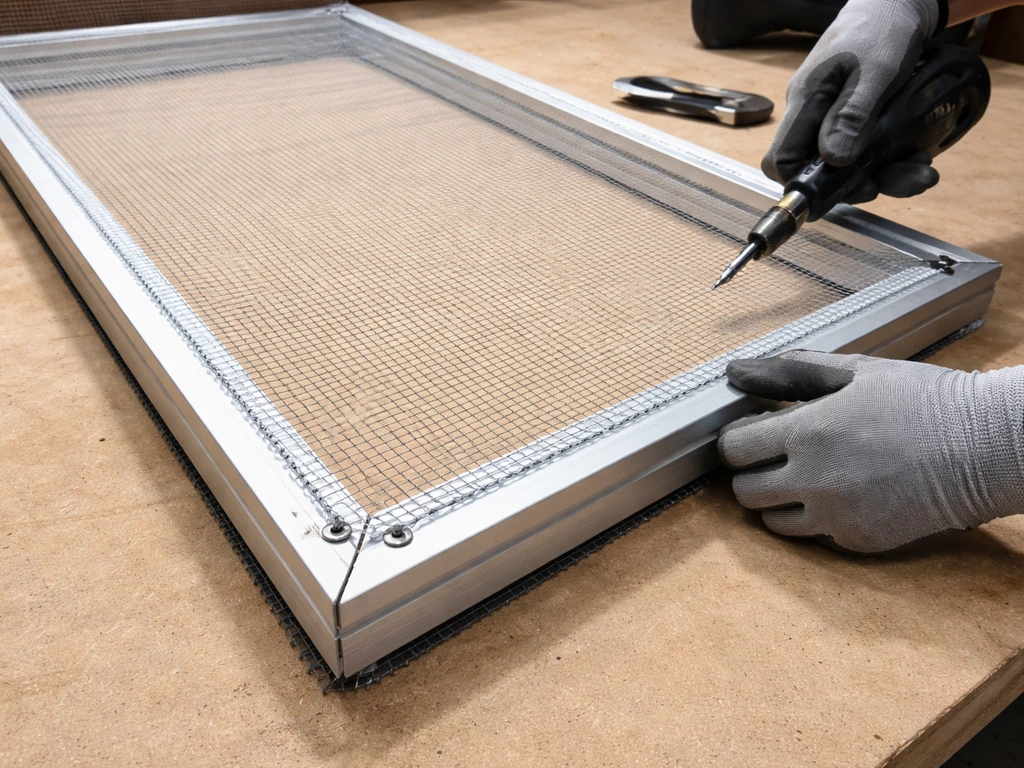
Whether you're building an exclusion netting frame or setting up a physical deterrent barrier, the assembly process follows the same logic: create a reliable barrier with no gaps, no loose edges, and no points where a bird could get caught. Here's how to build a basic exclusion netting setup for a garden bed or open porch area.
- Measure your area carefully. Get the exact dimensions of the space you want to protect. Add 6 inches on each side for overlap and anchoring.
- Cut your frame pieces. If using PVC conduit, cut four pieces for the perimeter and connect with elbow joints at the corners. Wooden stakes work fine too, just drive them at least 6 inches into the ground for stability.
- Attach netting to the frame before raising it. Lay the frame flat and use zip ties or staples to secure the netting around the perimeter. This is easier than trying to attach netting to a frame that's already standing.
- Check every edge and corner for gaps. A gap wider than 1.5 inches for a small garden netting can let sparrows in; pigeons can push through gaps up to 3 or 4 inches. Close any gap you find before the frame goes up.
- Raise and anchor the frame. Drive stakes or screw eyes at the anchor points and use additional zip ties to hold the structure taut. Loose, sagging netting is a tangle hazard for birds, and that's exactly what you want to avoid.
- For ledge deterrent gel (optional): Wrap foam backer rod or a strip of wood along the ledge to create a raised surface. Apply a thin, controlled bead of repellent gel on top of this raised strip only. Keep the gel away from edges where a bird might land and then not be able to move laterally off it. Less is more here.
- Label or flag the barrier. Marking netting with bright flagging tape at eye level helps birds see it before they fly into it, reducing impact collisions.
One mistake I made early on was skimping on netting tension. Loose netting billows in the wind and creates pockets where birds can get partially tangled. Keep it taut and you eliminate that risk. If your frame tends to sag in the middle, add a center support stake.
Placement strategy and monitoring schedule to prevent harm
Where you put a barrier matters as much as how you build it. A well-built exclusion net in the wrong spot can still cause problems if it blocks a natural flight corridor or sits in a spot birds are already nesting in.
- Install before nesting season: The USFWS recommends putting exclusion material in place before birds start nesting, typically late winter in most of the U.S. Once a nest is active, disturbing it can be illegal under the Migratory Bird Treaty Act.
- Avoid areas with active nests: Walk your property before installing anything. Check eaves, dense shrubs, and sheltered corners. If there's an active nest, leave that spot alone until the season is over.
- Don't block natural access to food and water: Your exclusion barrier should block a specific problem area, not create a wall around resources birds need. Birdhouses, feeders, and water sources should remain fully accessible.
- Monitor at least every 24 hours: This is non-negotiable if you're using any kind of barrier that a bird could potentially get caught in. The RSPCA is clear that rapid response to entrapment is critical. Set a calendar reminder and stick to it.
- Check for loose edges after wind or rain: Netting and wire barriers can shift. Any loose section is a new entrapment risk. Walk the perimeter of your barrier after any significant weather event.
- Re-evaluate every season: A barrier that worked fine last summer might have gaps that developed over winter. Inspect and repair annually before nesting season begins.
If you're also working on related DIY projects like box traps or stick-based capture setups for banding or relocation, the same monitoring logic applies: anything that can hold a bird must be checked frequently. If you're thinking about a bird trap with box, make sure you're using humane, legal methods and checking it frequently to avoid harming any animals. Other trap-style builds covered elsewhere on this site follow that same rule.
What to do if a bird gets stuck: immediate actions and release guidance
Even with the best intentions and careful installation, accidents happen. If you find a bird stuck in adhesive or tangled in netting, how fast and how calmly you respond makes a real difference in whether that bird recovers. If you are dealing with a trapped bird, the RSPCA advises getting help quickly, including action within three hours of contacting their helpline three hours of contacting the helpline.
- Don't panic and don't rush: A struggling bird can injure itself further if you startle it. Approach slowly and cover the bird gently with a light cloth or towel to calm it before you attempt anything.
- Do not pull: Pulling a bird away from a sticky surface can tear feathers and skin. If it's tangled in netting, carefully cut the netting away rather than forcing the bird out.
- For adhesive stuck birds: The Wildlife Center of Virginia recommends using a small amount of cooking oil or mineral oil to dissolve the adhesive. Apply it gently around the affected area. Do not pour it over the bird. Oil must be carefully and thoroughly cleaned off the feathers afterward, ideally by a wildlife professional.
- Place the bird in a cardboard box with ventilation holes: Keep it dark and quiet. Do not give it food or water at this stage since an injured bird needs assessment before it can safely eat or drink.
- Call a permitted wildlife rehabilitator immediately: Both MSPCA-Angell and the Wildlife Center of Virginia are direct about this: do not try to fully treat the bird yourself. Find your nearest licensed wildlife rehabilitator through your state's fish and wildlife agency. The RSPCA recommends acting within three hours of discovering a trapped bird.
- Transport the bird promptly: Keep the box warm but not hot, away from direct sun, and as quiet as possible during transport. Minimize handling.
Even after a bird is freed from adhesive, it may still need medical attention for dehydration, exhaustion, or hidden injuries from struggling. A wildlife rehabilitator can assess that. A bird that looks okay and hops away might still be in trouble, so getting a professional look is always worth it if there's any doubt.
Cleanup, disposal, and preventing future bird problems
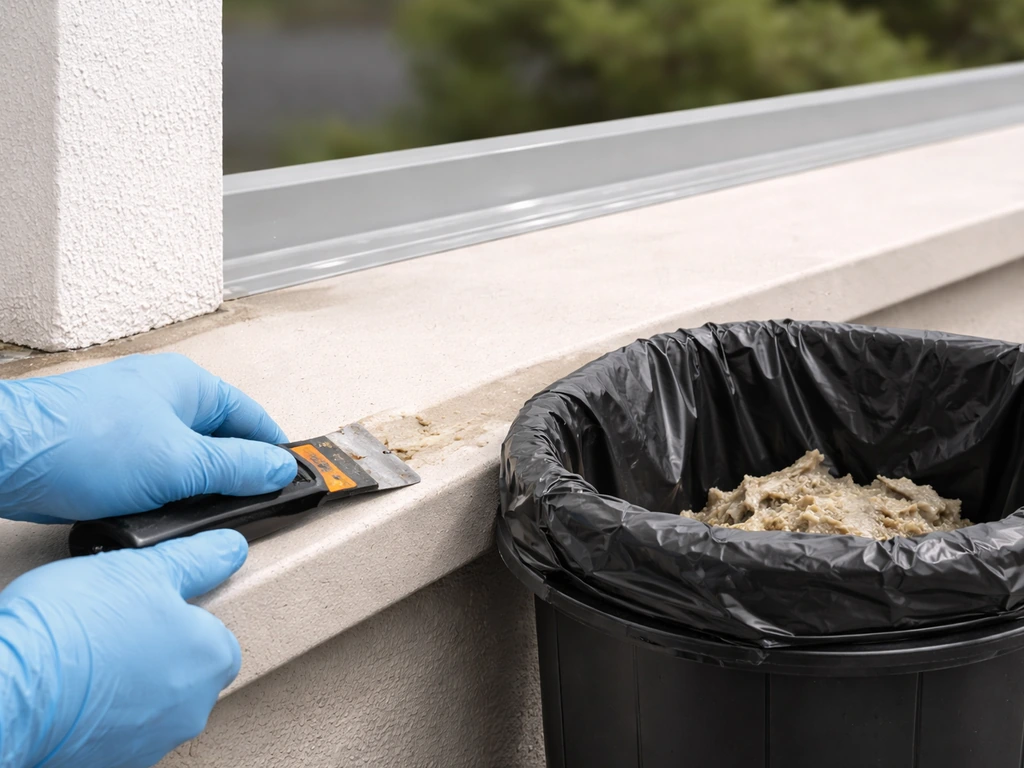
Once a sticky barrier product has done its job or has failed in some way, dealing with cleanup promptly prevents ongoing risks to wildlife.
- Remove adhesive products completely: Don't leave old sticky materials in place. They become debris traps and can still catch insects, birds, and small animals even when they're 'used up.' Remove and dispose of them in a sealed bag in your regular trash.
- Clean residue with cooking oil or a citrus-based cleaner: These break down adhesive without harsh chemicals. Apply, let it sit for a few minutes, then wipe clean. Pro Chem's product documentation recommends washing adhesive off surfaces (and hands) with soap and water after the oil step.
- Inspect and remove damaged netting: Any section of netting that has tears, loose edges, or entanglement damage should be cut out and replaced. Leaving damaged netting in place creates new hazards every day.
- Dispose of netting responsibly: Old netting is a serious hazard if it ends up loose outdoors. Seal it in a bag before putting it in the trash so it can't blow around and create entanglement risks for wildlife or marine animals.
- Address the root cause: After you remove a problem barrier, take a hard look at why birds were attracted to that spot in the first place. Was it shelter? Food runoff? A gap that looked like a nesting cavity? Fix the underlying attraction and your deterrent doesn't need to work as hard.
- Redesign problem spots with bird-friendly alternatives: If birds keep targeting a specific corner of your yard, consider turning it into something intentional: a mounted birdhouse or nesting box for a species you want to attract, positioned away from your problem area. Giving birds a better option often solves the nuisance problem naturally.
The bigger picture here is that the most effective long-term solution is a backyard that's designed with birds in mind from the start: specific nesting structures for species you want, deterrents on areas you want to protect, and nothing left ambiguous that a bird might accidentally land in. That's the approach that actually works season after season, and it's the same thinking behind every DIY bird housing and enrichment project worth building. If you're looking for the best bird trap homemade option, focus on humane alternatives like exclusion netting and deterrent barriers instead of sticky capture devices.
FAQ
I searched for how to make a bird glue trap, but what counts as a true glue trap versus a deterrent?
If you mean a sticky surface used to injure or hold birds, the short answer is do not make it. Even when the goal is nuisance control, sticky adhesives can accidentally catch protected birds, small animals, and even non-target species. If you want deterrence, use a purpose-built deterrent barrier or physical exclusion instead of any “trap” design.
Can I use tree-trunk adhesive products as a bird deterrent if I apply them carefully?
A deterrent barrier must not be positioned where a bird can fully land and get stuck. Any area that birds can access for roosting or repeated landing needs a product intended for that purpose and a placement that keeps contact brief and non-immobilizing. If you cannot guarantee birds will not end up stuck, choose netting or a solid exclusion.
What should I do immediately if a bird gets stuck on a sticky barrier or netting?
If an adhesive or netting setup causes an entanglement, treat it as a wildlife emergency. Remove the animal promptly, avoid pulling by feathers or legs, and move to a quiet, dark area after release. Then contact a local wildlife rehabilitator, because dehydration and internal injuries are possible even if the bird flies away later.
Do the legal restrictions apply even if I’m only trying to deter nuisance birds and not capture them?
Yes, legal risk can depend on species, timing, and location, not just whether you “intended” to capture. Many birds are protected year-round under federal law, and local rules vary by city or county. Before any exclusion work near potential nests, check local fish and wildlife guidance and avoid installing barriers during active nesting periods.
How can I target a specific nuisance bird species without risking other wildlife?
You should not rely on glue products to “only catch the problem species.” Adhesives are indiscriminate, so a barrier can also trap songbirds, lizards, or mammals that share the space. Species targeting is more reliable with exclusion (blocking access points) and deterrents designed for the specific behavior you are seeing, like roosting on a ledge.
What’s the most common DIY mistake that makes exclusion netting unsafe for birds?
Netting works best when the mesh is installed with no gaps, no loose edges, and no sagging pockets. If you see billowing in wind or a frame that dips in the middle, add tension or a center support stake so a bird cannot partially tangle or slip under.
How do I choose the right placement so I don’t create a new hazard?
Where you place the barrier matters because birds may change routes and use nearby ledges, or you may block a natural flight corridor. If the area you cover is near active nesting or frequently used travel paths, relocate or redesign the exclusion so you do not create a new entrapment risk.
What should I do first if exclusion isn’t working and birds keep returning?
If you are seeing persistent bird activity, the best next step is to identify why they are there, for example nesting access, a food source, or shelter. Then remove the attractant and seal entry points. Common fixes include covering vents during the correct season, removing standing food, and fitting netting to exclude access rather than building any capture device.
If I truly need a bird removed, can I DIY it and release the bird elsewhere?
For any capture or relocation scenario, the safest and typically legal approach involves a licensed wildlife professional and the required permits. DIY capture devices can injure animals and still trigger legal violations even if you intend to release them. If the issue is invasive and regulated, get professional guidance before acting.
How often should I inspect and replace deterrent barriers or adhesive-based products?
Sticky barriers and adhesives are prone to collecting debris and losing effectiveness over time, which can also increase risk to non-target animals if contact becomes unpredictable. If you use any product at all, inspect the setup on a regular schedule and stop using it immediately if you notice contact areas changing, buildup forming, or birds could get immobilized.
What’s the correct cleanup process after using an adhesive-based deterrent?
Cleanup matters because leftover adhesive residue can continue to harm wildlife after the “problem” seems solved. Remove residues promptly using methods appropriate for the product, then inspect the area for any remaining tacky spots on edges, ledges, and nearby plant stems where animals could contact them.
Next Articles
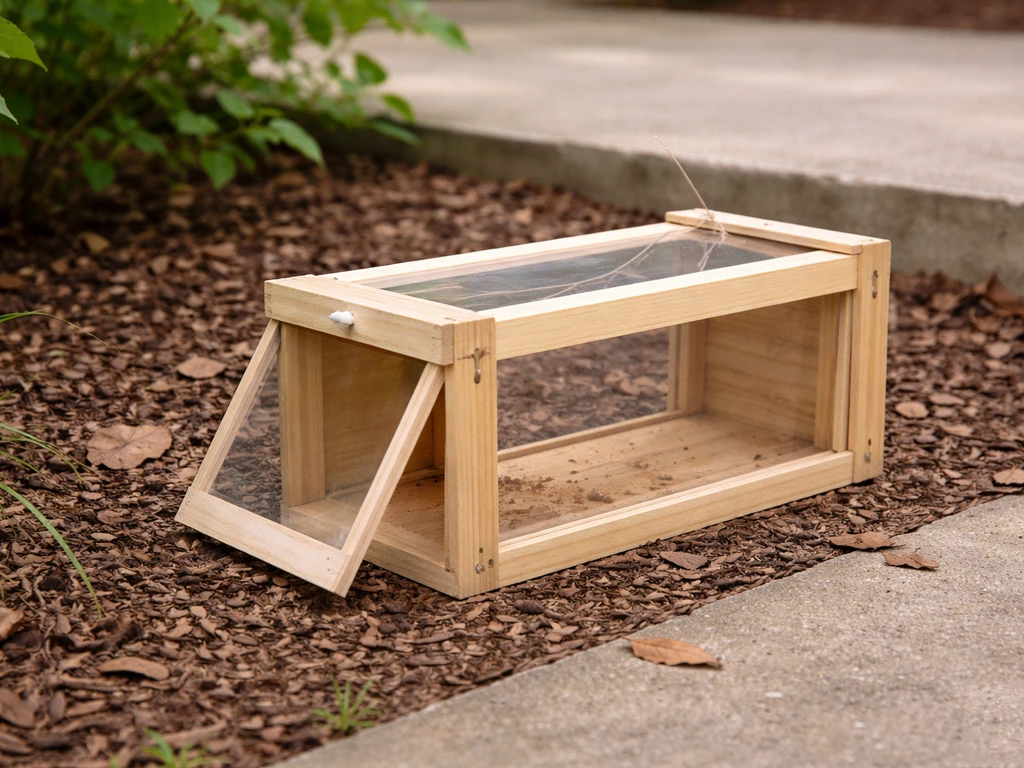
Best Bird Trap Homemade: DIY Steps by Bird Problem
Step by step guide to the best homemade bird trap, choosing humane strategy, building, placing, and safely handling capt
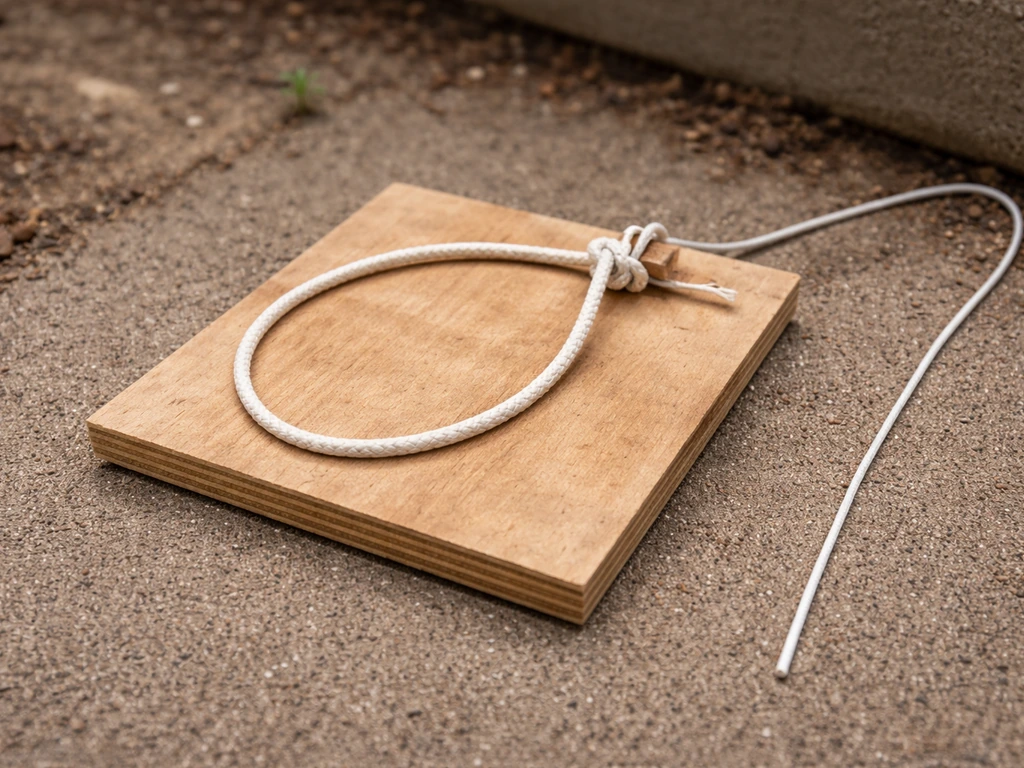
How to Make a Bird Trap With Rope (String Guide)
Step-by-step DIY rope or string bird trap build, with parts, setup, safety checks, and humane release guidance.
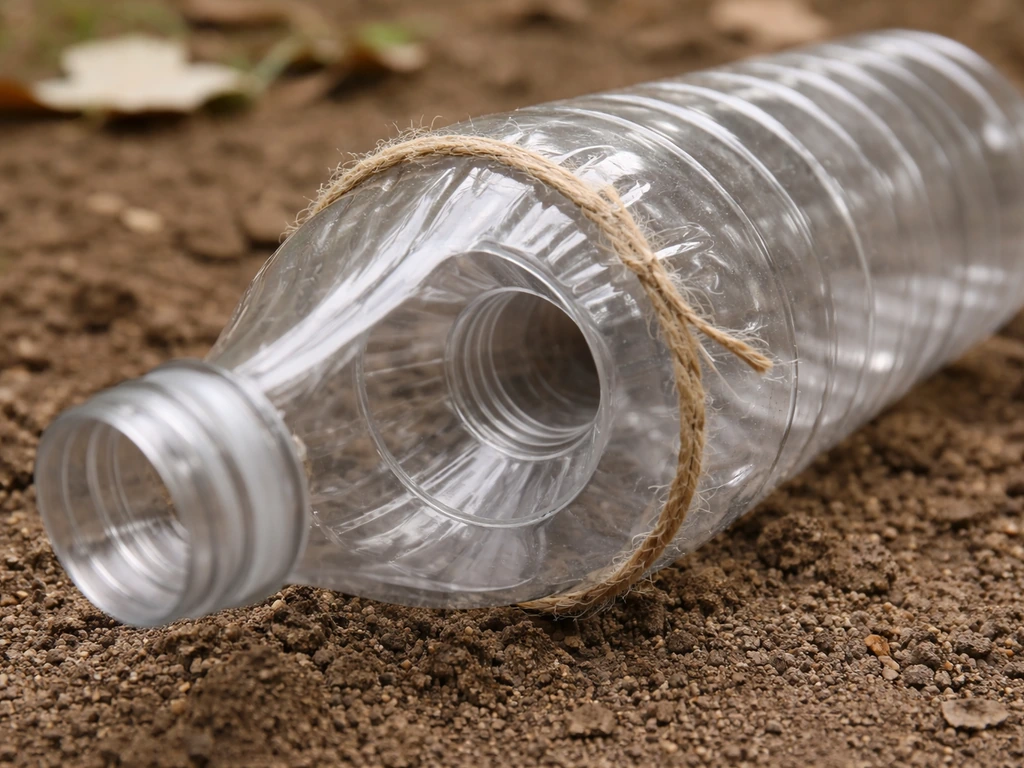
How to Make a Bird Trap Out of a Bottle Safely
Step-by-step DIY bottle bird trap build with one-way entry, safe ethical guidance, release tips, and troubleshooting for