Building a bird aviary in Minecraft means creating an enclosed, visually convincing habitat where birds (primarily tamed parrots in vanilla, or a wider range of species with mods) can perch, move around, and live without escaping. You're not just putting a box around some animals. You're designing a space with safe walls, internal perches, good lighting, managed entry points, and enough visual detail that it actually looks and feels like an aviary rather than a plain cage. If you want more practical guidance, check out our full walkthrough on how to make a bird aviary in Minecraft.
How to Make a Bird Aviary in Minecraft Step by Step
Marcus Thornton
24 May 2026
What a bird aviary actually means in Minecraft
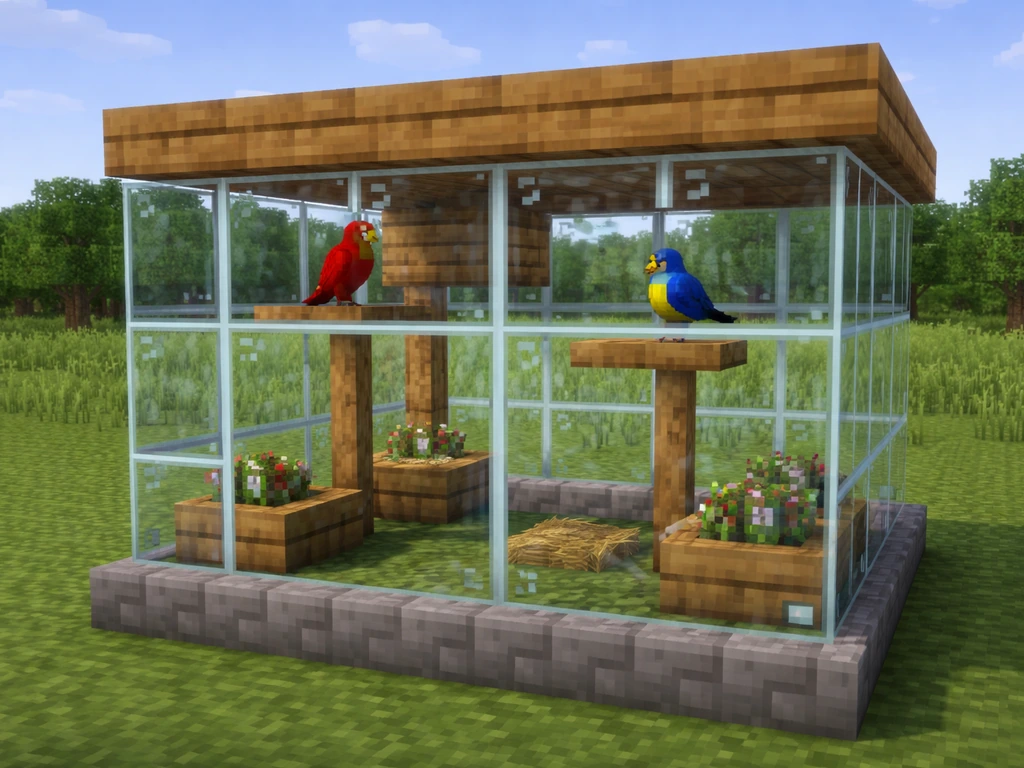
In real life, an aviary is a large enclosed structure that gives birds enough room to fly, perch, and behave naturally. In Minecraft, you're translating that concept into block-based mechanics. The goal is a structure that: contains your birds reliably (no escapes), gives them valid surfaces to land and perch on, looks good from the outside with visible sightlines into the enclosure, supports whatever bird mobs you're working with (vanilla parrots or modded species), and ideally prevents unwanted mob spawning inside.
Vanilla Minecraft gives you five parrot color variants as your only true 'bird' mob. Parrots are passive and tameable, found in jungle biomes. A tamed parrot will follow you, land on your shoulder, and fly around to perch on nearby blocks inside your build. That last behavior is the key mechanic your aviary is built around: tamed parrots will find and land on horizontal surfaces inside the enclosure, so your job is to give them plenty of good ones. Beyond vanilla, mods like Atmospheric Fauna, Birds | Boids Addon, and resource packs like Aussie Parrots or Prettier Parrots open up a much wider species roster, which I'll cover later.
Picking your location, size, and style
Before you place a single block, decide how ambitious you want this build to be. A small beginner aviary can be 7x7 blocks footprint with a 5-block ceiling height, which is enough to feel enclosed without being overwhelming to build. After you plan the structure, you can follow a step-by-step workflow for how to build a bird garden and apply the same principles to your Minecraft aviary. A larger, more impressive aviary starts at around 15x15 or bigger, and gives you room for internal landscaping, multiple perch zones, a visitor walkway, and real visual depth when you look in from outside.
Location matters more than most players expect. Build your aviary close to where you play regularly so you can easily manage it, but avoid placing it directly against a jungle biome edge if you're in vanilla, since wild parrots won't naturally walk into your enclosure anyway. Flat ground makes construction easiest, but a slightly elevated build on a platform looks fantastic and improves drainage aesthetics. Avoid deep shade from overhanging terrain if you want plants and foliage inside to look natural, and place it somewhere you can run power (redstone lamps, sea lanterns) without a messy cable run across your build.
| Build Size | Footprint | Height | Best For |
|---|---|---|---|
| Starter Aviary | 7x7 blocks | 4-5 blocks | First build, single parrot, quick to complete |
| Mid-Size Aviary | 10x12 blocks | 6-7 blocks | Multiple parrots, some interior plants, viewing area |
| Large Walk-In Aviary | 15x20+ blocks | 8-10 blocks | Modded species, full landscaping, impressive showcase build |
Materials and block choices for walls, floors, and the roof
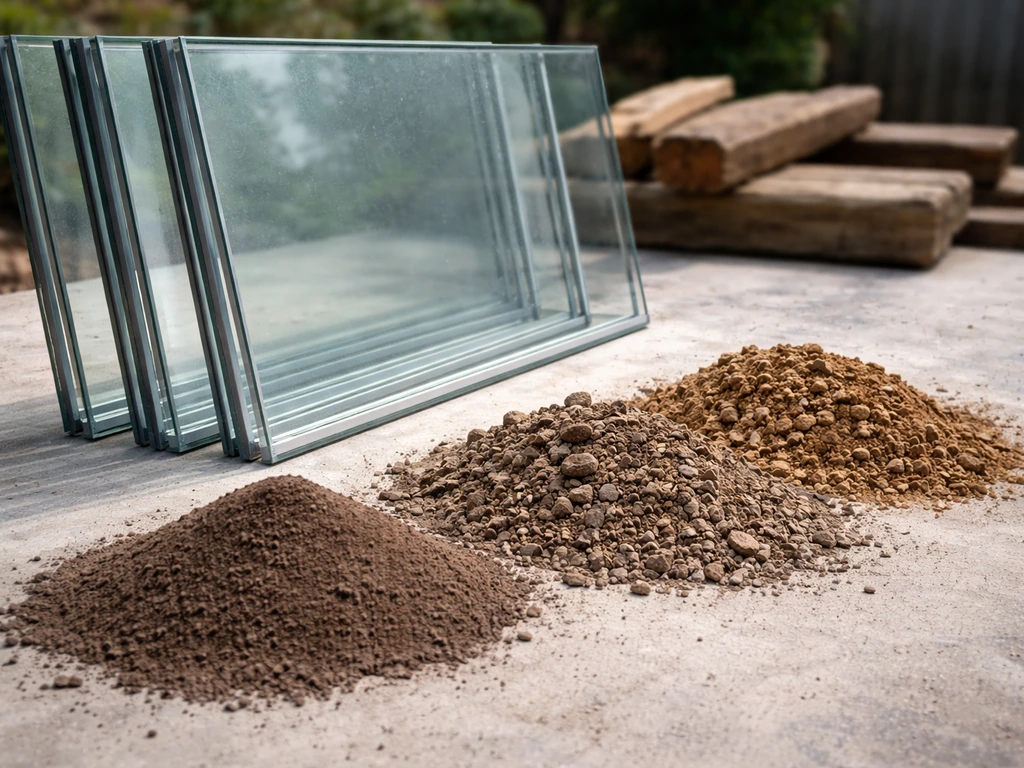
Glass panes are your best friend for aviary walls. They give you the transparent, visible containment that makes an aviary feel like an aviary rather than a shed. Glass panes connect cleanly and look great, but the real win is that mobs cannot spawn on glass blocks, so your aviary walls and floor won't accidentally generate hostile spawns overnight. Iron bars are another excellent option. They connect to glass panes and stained glass, which means you can mix iron bar columns with glass infill panels and get a professional, zoo-exhibit look with clear sightlines.
For the floor, I'd recommend mixing dirt, coarse dirt, podzol, and grass blocks to create a naturalistic ground surface. Avoid using plain stone or wood plank floors if your goal is immersion. If you want to fully spawn-proof the floor (so nothing hostile walks in from below in deep builds), place a layer of glass beneath your dirt surface. Leaves work as a spawn-proof ceiling layer too, and they look brilliant as a natural canopy inside larger aviaries. Just know leaves are transparent and won't block light from passing through, which is actually a plus for indoor plant growth.
For the roof, a combination of glass panes (for sky visibility) and leaf blocks (for shaded canopy areas) works beautifully. Avoid a fully solid opaque roof on larger builds. Birds in a real aviary need visible sky, and in Minecraft terms, a glass roof also keeps your interior skylighted, which helps plants grow and keeps the space feeling open.
- Glass panes: best wall material, spawn-proof, great sightlines, connects neatly
- Iron bars: mix with glass for a structured cage look, very strong visually
- Stained glass: use green or teal tints on lower walls for a lush jungle feel
- Leaves: canopy ceiling sections, spawn-proof, naturally atmospheric
- Dirt, podzol, coarse dirt: naturalistic floor mix
- Barrier blocks (creative mode only): invisible backup containment layer if you have escape-prone builds
- Jungle wood logs and planks: frame posts and trim around wall panels
Perches, nesting areas, and interior enrichment
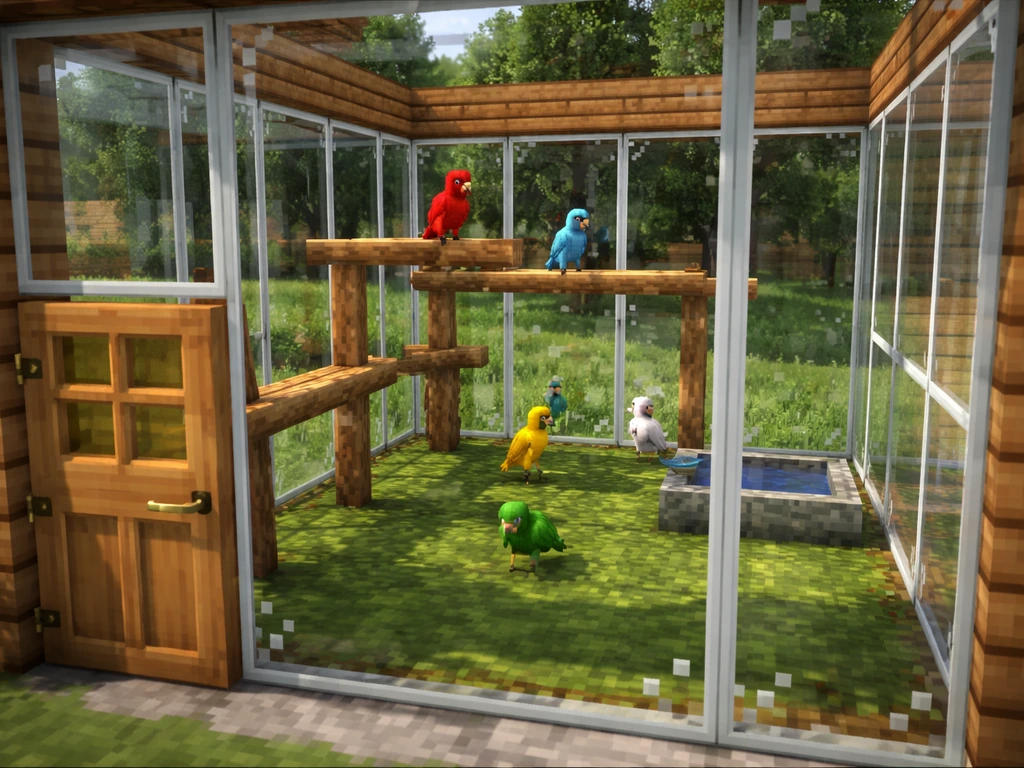
This is the part most players skip, and it's the biggest difference between a build that looks like an aviary and one that actually behaves like one. Tamed parrots fly around and land on valid nearby blocks, so if your aviary interior is mostly empty space, your parrots will cluster near the floor or try to land on you instead of perching naturally inside the build.
Add horizontal landing surfaces at multiple heights. Jungle wood logs placed at 2-block, 4-block, and 6-block heights create natural-looking perch branches. You can push slabs, trapdoors, and stair blocks off the walls at 45-degree angles to mimic branching structure. Trapdoors in particular are excellent: place them on the side of a log or a fence post, flip them horizontal, and they read visually as small platforms or roosting ledges. Fence posts topped with jungle leaves make convincing small shrub perches.
For nesting zones in vanilla, there's no true nesting mechanic for parrots, since parrots don't breed in vanilla Minecraft. Breeding mechanics in Minecraft require one breeding item per parent to produce a baby, so breeding behavior may differ if you use mods or a plan that includes breeding non-bird animals parrots don't breed in vanilla Minecraft. But you can fake it convincingly: build recessed alcoves in your interior wall structure with leaves inside, place a nest-shaped depression from coarse dirt or soul sand, and tuck a parrot in using the sit command so it stays put in that spot. If you're running a mod that introduces bird breeding mechanics, follow that mod's specific nesting item and block requirements instead.
- Jungle log branches at multiple heights (2, 4, 6 blocks up) as main perches
- Trapdoors angled horizontally off wall surfaces as roosting ledges
- Fence posts topped with leaf blocks as small bush perches
- Recessed leaf alcoves in walls as decorative nesting zones
- Bamboo stalks and sugar cane clusters for ground-level enrichment texture
- Flower pots with ferns, saplings, or flowers for visual variety
- Water feature (1x2 shallow pool with sand base) for a drinking/bathing area feel
Keeping birds in and keeping problems out
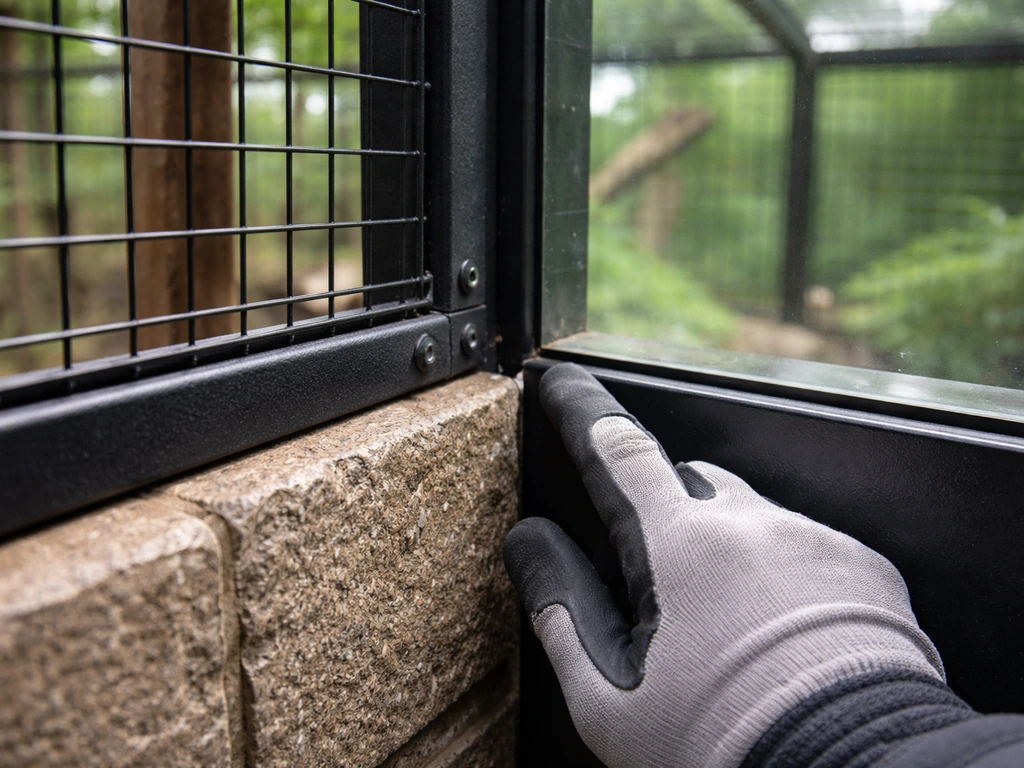
Parrots fly. That means a fence alone won't contain them, and a walled enclosure with any gap larger than one block will lose you a bird eventually. To learn the full process step by step, including dimensions, materials, and safe enclosure design, see how to build a bird condo. Your walls need to go fully to the ceiling with no gaps, and the ceiling itself needs to be solid enough that there's no exit route.
To better protect against escapes, you also need to think about insulation and weather-proofing elements like roof sealing and wall materials so your birds stay safe year-round insulate a bird aviary. Glass panes with a full glass or leaf roof and no missing blocks at the corners are the safe standard.
Corner gaps are the most common escape point, and they're easy to miss. Fence blocks placed in a square formation have smaller collision geometry at the center corner point, which can let smaller mobs fall or clip through. With glass panes, this isn't an issue in the same way, but always walk the interior perimeter of your build and look for any block that didn't connect properly. Missing pane connections leave visual gaps that can also be physical gaps for flying mobs.
For your entrance, use a fence gate as your primary door. Keep the gate closed whenever you're not actively entering or exiting. A double-gate airlock design (two fence gates with a 1-block gap between them, like a proper entry vestibule) is the safest option for walk-in aviaries. You enter the first gate, close it, then open the second. This gives you a buffer zone so a parrot can't bolt straight out when the outer door opens. If you're in creative mode and want zero-escape insurance, line the inside of your gate corridor with invisible barrier blocks as a backup wall.
For mob control inside the aviary: keep interior light levels high (aim for block light level 8 or above across the whole floor) to prevent hostile mob spawning. Your glass walls will already block most hostile spawns on wall surfaces, but any unlit dirt floor patches can still spawn spiders and other surface-spawning mobs at night. Sea lanterns hidden under carpet, or lanterns tucked into log branch details, solve this without cluttering the visual design.
Matching your build to the birds you want
In vanilla Minecraft, your only option is parrots, available in five color variants: red, blue, green, cyan, and gray. You can tame them with any seed item and make them sit inside your aviary. That's honestly enough for a visually convincing build, especially if you invest in varied perch heights and good lighting. The color variety alone gives you a lively, tropical-looking space.
If you want more species variety without full mods, resource packs are your first stop. 'Prettier Parrots' replaces parrot textures and models with more realistic-looking birds and requires Entity Texture Features and Entity Model Features mods to work properly. 'Iron's Bountiful Birds' adds randomized parrot texture variants using a similar setup. 'Aussie Parrots' goes further, adding dozens of parrot variants across multiple species, which is perfect if you want a regional or thematic aviary build. 'Pesky Parrots' adds color styles and nameable variants, which is great for a zoo-style exhibit where you want each bird labeled.
For actual new mob species, you'll need mods. 'Birds | Boids Addon' is a solid starting point and includes a house sparrow-style bird. 'Atmospheric Fauna' is more ambitious, adding crows, vultures, sparrows, robins, and more, and it's the best pick if you want a serious multi-species aviary. Each of those species will have their own spawn and behavior rules, so check the mod documentation for what block types or biome conditions trigger spawning inside your build. 'Jubitus Birds' is client-only and adds ambient flying birds overhead for immersion, which pairs well with any of the above for a more alive-feeling sky above your aviary.
| Option | Type | What It Adds | Requirements |
|---|---|---|---|
| Vanilla parrots | Base game | 5 color variants, tameable | None |
| Prettier Parrots | Resource pack | Realistic parrot textures and models | Entity Texture Features + Entity Model Features mods |
| Iron's Bountiful Birds | Resource pack | Randomized parrot texture variants | Entity texture randomizer mod |
| Aussie Parrots | Resource pack | Dozens of parrot species variants | Custom entity model support |
| Pesky Parrots | Resource pack / mod | Named color-style parrot variants | Compatible 1.19+ version |
| Birds | Boids Addon | Mod | New bird species (sparrow-style) | Mod loader (Fabric/Forge per version) |
| Atmospheric Fauna | Mod | Crows, vultures, sparrows, robins, more | Mod loader, check version compatibility |
| Jubitus Birds | Client mod | Ambient flying birds in sky | Client-side only, no server needed |
Finishing the build: lighting, atmosphere, and fixing what goes wrong
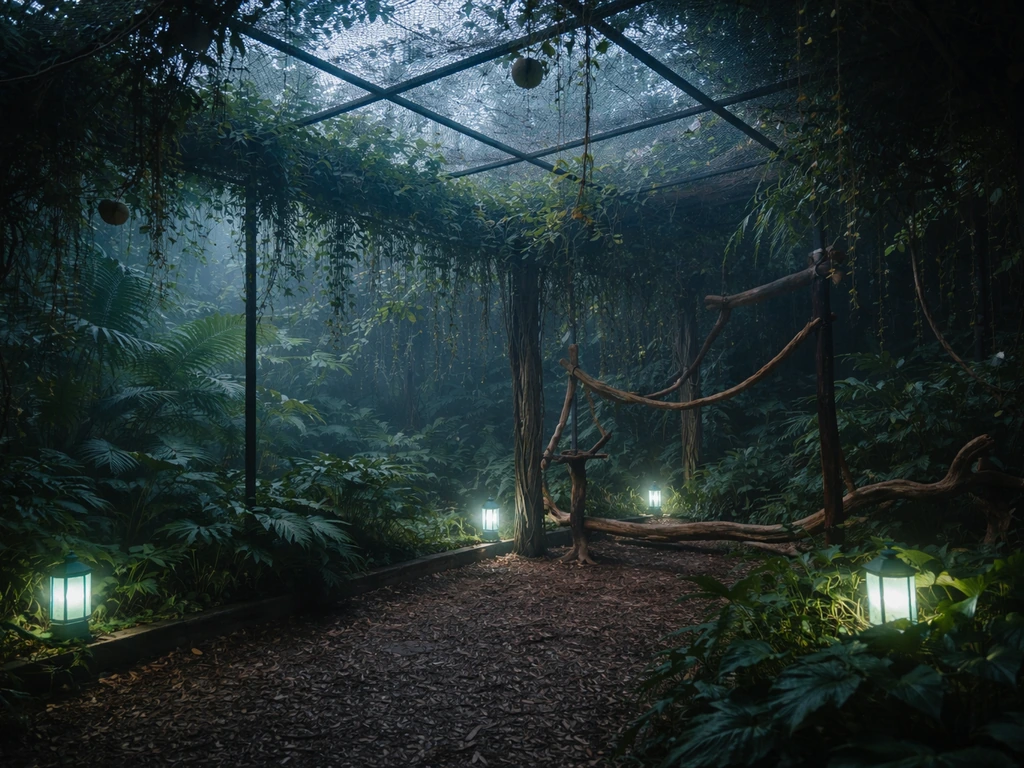
Good lighting is what takes an aviary from 'finished' to 'actually looks great.' The goal is bright, even interior light with no harsh torch-on-a-wall visual clutter. Sea lanterns hidden under carpets in the floor emit light level 15 and are completely hidden once carpeted. You can also tuck lanterns into your log branch structures so the light source looks like it belongs there. For a warmer, more naturalistic tone, regular lanterns hung from ceiling chains (iron bars with a lantern hanging from the end) look brilliant and fit the aesthetic perfectly.
Add foliage density inside the enclosure to make it feel alive. A full jungle aviary feel comes from stacking leaf clusters at different heights, adding vines down interior walls, and placing ferns and tall grass across the floor. If you have bone meal, use it to randomize flower and grass growth across your dirt floor patches for an organic, unplanned look. A small water pool (2x3, one block deep, with a sand base) in a corner adds both visual texture and a realistic watering-hole element.
The most common issues players hit after building are: parrots not perching where expected (fix: add more horizontal landing surfaces at varied heights, especially logs and trapdoors), unwanted mob spawns inside the aviary overnight (fix: check your floor light levels and add hidden lighting until every floor tile is at light level 8 or above), and birds escaping through roof gaps (fix: walk the ceiling perimeter in creative mode with a block in hand and patch every missing connection). If you're using mods and bird mobs aren't spawning inside, check whether your floor biome tag matches the mod's spawn conditions. Some bird mods require specific biome conditions on the block the mob spawns on, so placing a few jungle-tagged blocks or running the build in a jungle biome chunk resolves most of those cases.
Once you're happy with the core build, the natural next step is expanding the experience. If you want the real-world inspiration behind these builds, look for a guide on how to build a bird hotel and adapt those ideas to your Minecraft habitat. A viewing corridor along one glass wall (a narrow path outside the enclosure, separated by glass) turns your aviary into something that genuinely reads like a zoo exhibit.
You can also add a second connected flight chamber for larger species if you're running modded birds, or attach a covered shelter area for a more realistic multi-zone design. If you're interested in scaling up to a full bird garden or bird room build, those projects build directly on the same design principles you've developed here. If you want to go even bigger, you can plan a full bird garden using the same enclosure, perching, and spawn-proofing principles.
If you want the real-world approach in Australia, see our guide on how to build a bird aviary in Australia.
FAQ
How do I stop my parrots from despawning or getting lost inside the aviary?
Parrots can wander far if you use wandering/trading setups or if they get pushed outside the enclosure. Keep them seated inside by placing multiple perches close together, then use leads only temporarily during interior setup. After positioning, use the sit command so they remain near the landing zones you built.
What wall height should I build so parrots never reach an exit route?
Build walls all the way to the roof with no missing blocks at corners and no partial gaps in between. If you use a glass or leaf roof, ensure there is no skylight “bite” where birds can fly into an opening above, then re-check the top layer by walking the perimeter with a block in hand in creative.
Can I use regular glass instead of glass panes for an aviary?
You can, but glass blocks behave differently for mob spawning and for visual sightlines. Glass panes are better for a zoo-like look because they connect cleanly and reduce awkward seams. If you use full glass blocks, plan the interior perches so birds do not see open routes higher up through the wall pattern.
Do I need a water feature, or will it cause more mob spawns?
A small corner pool is usually fine, but spawning depends on surrounding light and surface type. Keep the floor tiles around the water at light level 8 or above, and avoid leaving nearby dark, unlit blocks exposed at night, since spiders and other surface mobs can use those patches.
Why won’t my parrots perch on the “right” blocks even though I added logs and trapdoors?
Parrots prefer valid horizontal landing spots and they also choose perches that are convenient from their current position. Add landing surfaces at multiple heights (for example, 2, 4, and 6 blocks), then stagger perches so there are short travel paths from where they typically land after release.
What’s the safest entrance setup if I keep accidentally leaving the gate open?
Use a two-gate airlock with a 1-block buffer so the birds cannot bolt out when you open the outside gate. If you want extra insurance, place a full backup barrier wall inside the corridor so even a mistake still keeps a closed boundary around the parrot flight path.
How can I avoid hostile mobs spawning on the floor if my roof is glass and the walls are glass panes?
Even with solid walls, surface-spawning can occur on dark floor patches. Ensure every floor tile within the enclosure reaches your target light level, then hide sea lanterns under carpet or tuck lanterns into perch detail so lighting is complete without obvious torch spam.
Do leaf blocks count as “spawn-proof” for hostile mobs inside the aviary?
Leaves can act as a practical canopy layer and also change interior lighting behavior, but they do not automatically guarantee full spawn-proofing in every layout. Treat leaves as a visual and partial functional layer, then still verify floor light levels and patch any dark spots.
Will carpet hide the light sources properly, and does it affect spawning control?
Carpet can fully conceal sea lanterns placed under it while preserving the emitted light level, which helps keep the interior bright for your birds. The key is to ensure the carpet does not leave any unlit floor tiles adjacent to dark blocks that can still become spawn locations.
How do I prevent birds from escaping through a single broken corner?
Corners are the most common failure point due to block connection and collision behavior. After building, do a systematic check: fly or walk the inside perimeter and roofline in creative with a block in hand, confirm every corner connection is present, then test opening and closing the gate without leaving any gaps in the entrance vestibule.
If I’m using bird mods, why do no birds spawn inside even though the aviary is enclosed?
Many bird mods tie spawning to specific biome or block tags, not just enclosure shape. Add a small set of mod-appropriate “spawn platform” blocks inside (for example, jungle-tagged blocks or the mod’s required terrain type), and run the build in the correct biome conditions for that mob’s spawn rules.
What should I do if birds spawn or cluster in one corner instead of the whole aviary?
This usually means your aviary has too few landing choices or the lighting favors one area. Increase perch coverage across the space, rotate perch heights so birds have multiple options, and ensure light is evenly distributed rather than brighter in only one zone.
Can I build an aviary in the sky or underground instead of on flat ground?
You can, but you must compensate for escape and spawning mechanics. Use a fully sealed ceiling, double-check the entire perimeter for gaps at the top, and ensure the floor is still light-leveled everywhere, since underground builds often create unintentional dark tiles.
Is it better to build a single large enclosure or multiple connected aviary rooms?
Multiple zones work best when you want varied perch density, nesting alcoves, or modded species with different habitat requirements. Connected enclosures also make it easier to control lighting and perching per zone, but you must still keep every connection fully sealed to prevent escape routes.
Next Articles
How to Build a Bird Aviary in Australia: DIY Guide
Step-by-step DIY guide to build a predator-proof bird aviary in Australia, with size plans, materials, setup, and mainte
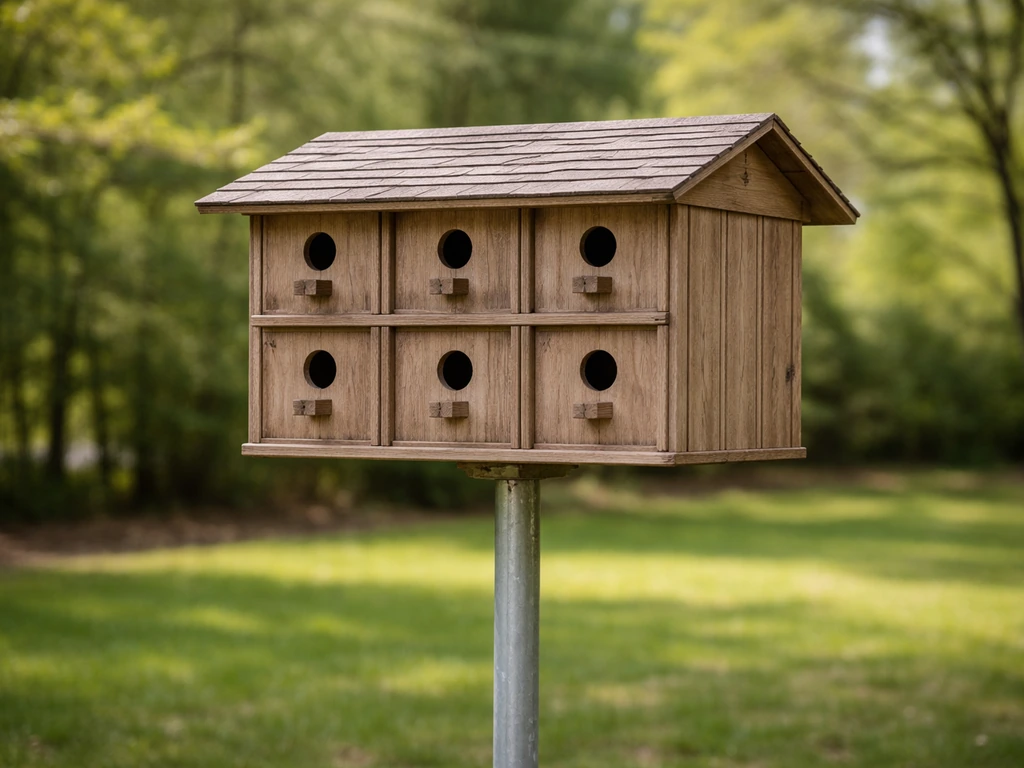
How to Build a Bird Condo: Step-by-Step DIY Plan
Step-by-step DIY bird condo plans for target species, safe materials, proper placement, ventilation, predator guards, an
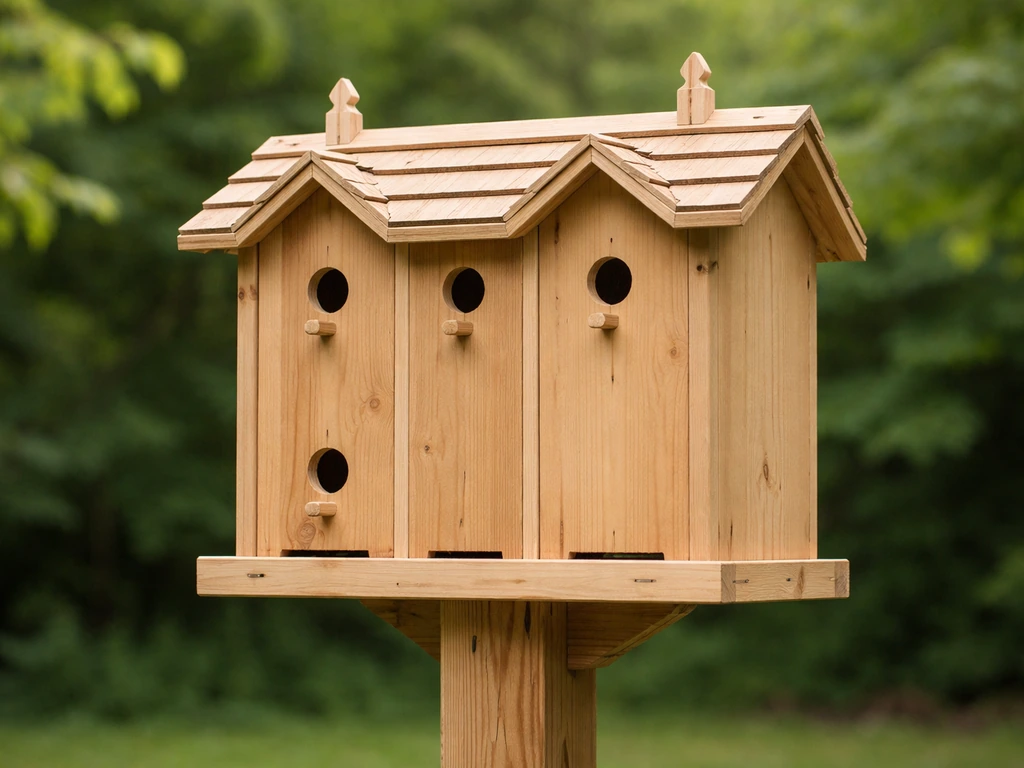
How to Build a Bird Hotel: DIY Step-by-Step Guide
Step-by-step DIY bird hotel build guide with sizes, materials, ventilation, drainage, predator-proofing, and maintenance